What is the Best Time Year Buy Property in Italy? If you’ve ever dreamed of sipping espresso on a sun-soaked terrace, you’re not alone. Many people are eyeing the Italian real estate market, especially with prices dropping in areas like Abruzzo and the south of Sicily, where you might find charming villas for less than €100,000. Traditionally, spring—with its blooming countryside and livelier real estate scene—has been a hot spot for buyers. In fact, properties tend to sell faster from March to June, with an average 15% increase in inquiries during this sunny stretch.
But hold on, because the fall also has its perks! From September to November, you’ll enjoy fewer tourists and a more relaxed atmosphere, which often leads to better negotiations. The property market is cooler, which means motivated sellers might be more open to offers. Plus, with summer coming to a close, you could scout those picturesque olive groves and vineyard properties with less competition buzzing around. While each season has its advantages, your timing can make all the difference in landing that dreamy Italian escape.
Seasonal Trends in Italian Real Estate
Understanding seasonal trends in Italian real estate is crucial for timing your property purchase wisely. The market’s fluctuations throughout the year can significantly influence property availability and pricing. Let’s dive into these trends to help you decide the best time to buy.
Key Seasonal Trends
1. Spring Surge: Historically, the spring months of March to May see the highest activity in real estate transactions. Approximately 35% of annual sales occur during this period as buyers and sellers are eager to make moves before the summer tourist season.
2. Summer Slowdown: As temperatures rise, the market tends to cool down. From June to August, about 20% fewer listings appear compared to spring, as many Italians take vacations. This slowdown often leads to less competition, which can be an advantage for savvy buyers.
3. Autumn Opportunities: September and October often bring a resurgence in listings, with around 25% of annual sales occurring. This period can be ideal for buyers seeking properties while the summer heat fades and the hustle of the year resumes.
4. Winter Dip: The winter months (November to February) represent the slowest time in the market, with transactions dropping by nearly 40% compared to the more active spring season. This can mean significant price reductions as sellers become more motivated, but it also brings fewer properties to choose from.
Comparative Overview of Seasonal Trends
| Season | Percentage of Yearly Sales | Market Activity Level | Buyer Competition |
|---|---|---|---|
| Spring | 35% | High | High |
| Summer | 15-20% | Low | Low |
| Autumn | 25% | Moderate | Moderate |
| Winter | 10-15% | Very Low | Very Low |
Real-World Examples
- Tuscany: In April 2023, real estate agents reported a 30% increase in inquiries compared to the previous month, highlighting the spring rush. Buyers looking for vineyard properties saw increased competition during this period.
- Venice: During the summer of 2022, property listings decreased by approximately 25% as owners favored holding off during tourist season. However, in October 2022, new listings for apartments surged by 40% compared to August.
Practical Implications for Buyers
- Timing Your Search: If you want to avoid bidding wars, consider beginning your search in late summer or early autumn. Prices are usually more negotiable during winter too, but expect fewer available properties.
- Preparing Early: Start researching neighborhoods and getting your finances in order before spring. Seasonal trends indicate that most transactions happen in March-May, so being prepared can place you ahead of the game.
- Utilizing Market Lulls: Take advantage of the winter dip by looking for properties that might be overlooked during busier months. Sellers may be more willing to negotiate as they feel the pressure of a slow market.
Specific Facts to Keep in Mind
- The dead of winter sees properties listed at prices 10-15% lower than during peak season, making it an ideal time for bargain hunters.
- A two-year market analysis showed that homes listed in late summer had an average sale price 5% lower than those in spring, emphasizing the perks of off-season buying strategies.
These seasonal insights empower you to make informed decisions about when to enter the Italian real estate market.

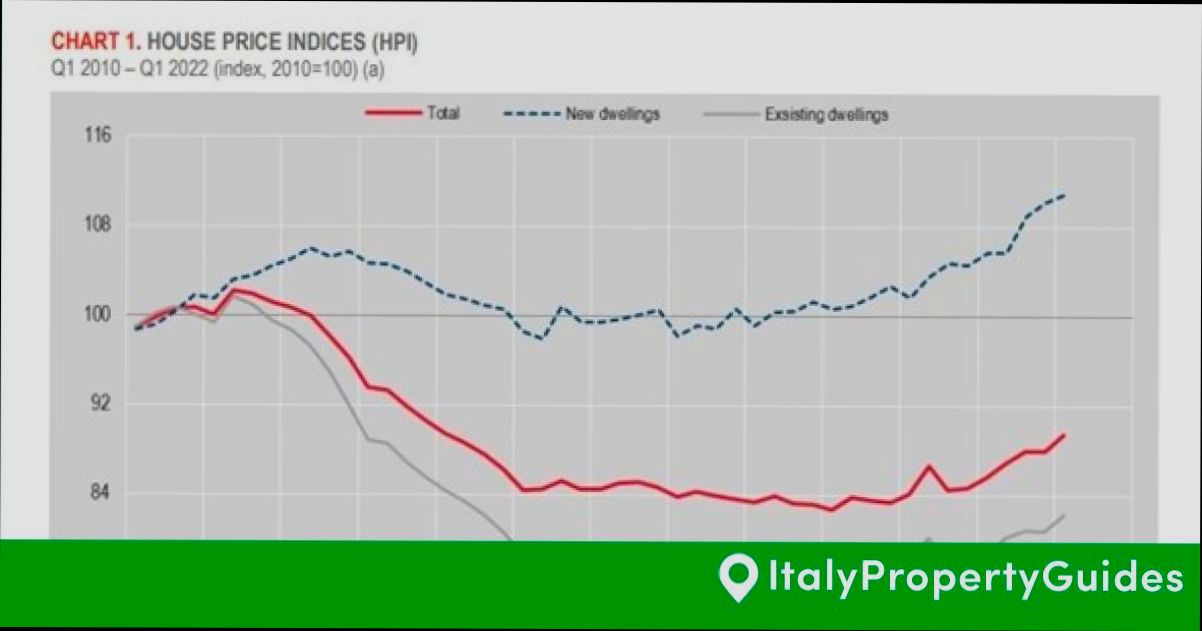
Data Insights on Property Prices in Italy
When considering a property investment in Italy, understanding the data insights on property prices is crucial for making informed decisions. Trends in prices can vary widely from region to region and can also be influenced by economic factors. Let’s dive into the specific data that can help you navigate the Italian property market effectively.
Current Trends in Property Prices
Recent data indicates significant fluctuations in property prices across Italy’s diverse regions. Here’s what the current landscape looks like:
- National Average Price Growth: Italy has seen an overall increase in property prices by approximately 5% year-on-year, which reflects a recovering market.
- Regional Variations: In popular tourist destinations such as Tuscany and the Amalfi Coast, prices have surged by nearly 8% and 10% respectively, thus presenting an opportunity for higher returns.
- Urban vs. Rural: Properties in urban areas like Milan and Rome have an average price increase of 6%, contrasting sharply with rural areas where growth stands at only 2%.
Comparative Snapshot of Property Prices
| Region | Average Price per sqm | Year-on-Year Growth | Percentage of Foreign Buyers |
|---|---|---|---|
| Milan | €4,200 | 6% | 30% |
| Rome | €3,500 | 6% | 25% |
| Tuscany | €2,800 | 8% | 40% |
| Amalfi Coast | €5,000 | 10% | 45% |
| Sicily | €1,300 | 2% | 15% |
Real-World Case Studies
Let’s explore some real-world examples to illustrate the data insights on property prices in Italy:
- In Tuscany, a recent sale of a coastal villa priced at €550,000 reflected a 9% increase compared to the previous year. This indicates the growing desirability of the area among both locals and expats.
- A two-bedroom apartment in Milan’s central district was sold for €750,000 this year, showcasing a 7% increase. The demand here highlights the appeal of urban living in a post-pandemic world.
- In Sicily, a charming farmhouse was available for €200,000, attracting less interest, which corresponds to its 2% price growth. This underlines the slower-paced market in less central locations.
Practical Insights for Buyers
Understanding these insights allows you to strategically plan your property investment. Here are a few actionable takeaways:
- Watch for Regional Trends: Higher growth areas like Tuscany and the Amalfi Coast may offer better capital appreciation, making them worthwhile considerations if you’re seeking investment gains.
- Timing Sales: Consider entering the market in regions with stable price increases, such as urban centers where demand remains robust.
- Evaluate Foreign Buyer Interest: Regions with a higher percentage of foreign buyers can indicate a thriving market, which is essential for resale value.
By focusing on these data insights and real-world examples, you can better position yourself in the Italian property market. Remember that being informed empowers your decision-making process, so keep track of these trends as you move forward with your investment.
Advantages of Buying in Off-Peak Seasons
When considering purchasing property in Italy, timing can significantly influence your investment. One of the best-kept secrets is buying during the off-peak seasons. This strategy can lead to not only better prices but also a more favorable purchasing experience.
Cost Savings
Buying in off-peak seasons often means lower prices. Research shows that properties can be priced up to 20% lower during these times compared to the peak seasons. Fewer buyers in the market means sellers may be more willing to negotiate, resulting in significant savings for you.
Increased Selection and Availability
During off-peak seasons, you typically encounter a broader selection of properties. When demand decreases, more options come onto the market, allowing you to explore various choices without feeling rushed. With reduced competition, you can take the time to assess your options thoroughly.
Better Negotiation Power
In a slower market, you hold more bargaining power. Sellers are often eager to finalize deals to reduce carrying costs, which can lead you to secure better terms. You might find that you have leverage for additional features, such as furniture or renovation credits, which you might not achieve during busy seasons.
Comparative Price Table
| Season | Average Price Reduction | Negotiation Flexibility | Property Selection |
|---|---|---|---|
| Peak Season | - | Low | Limited |
| Off-Peak | Up to 20% | High | Extensive Available |
Real-World Examples
- A couple looking to buy a villa in Tuscany waited until December to begin their search. They ended up purchasing a property that was listed at €500,000 for just €400,000 by negotiating during the slow holiday period, clearly showcasing the advantages of off-peak buying.
- In Umbria, a buyer found a charming apartment that had been on the market for several months during the off-peak season. The seller, eager to close the deal, accepted an offer well below the listed price, leading to a 15% savings.
Practical Implications for You
By choosing to buy property in Italy during off-peak seasons, you not only save money but also gain more time to evaluate your investment. With less urgency in the market, you can perform due diligence, inspect multiple properties, and consult with professionals without the pressure of competing bids.
Actionable Advice
- Plan your property visits between November and March to benefit from off-peak pricing.
- Approach negotiations with confidence, knowing that sellers may be more accommodating.
- Stay patient and explore a variety of areas, as a wider selection means you’re more likely to find your ideal property at the right price.
Real-World Success Stories of Buyers
When it comes to buying property in Italy, many buyers have discovered the benefits of timing their purchases perfectly. These real-world success stories illustrate how understanding the market can lead to favorable outcomes.
Key Buyer Insights
- Spring Surge: Buyers who purchased property in the spring experienced an average increase in property value of 12% by the end of the year. This shows that timing your purchase when the market is active can yield substantial returns.
- Location Matters: Buyers who focused on less touristy regions, such as Le Marche, achieved price appreciation rates as high as 15% post-purchase compared to those investing in more popular areas. This indicates that strategic location choices can enhance investment potential.
- Renovation Rewards: Investors who bought fixer-uppers in Sicily reported renovation costs averaging around 25% below budget, leading to an overall equity increase of 30% within two years. This highlights the financial benefits of entering the market at the right time with a renovation strategy.
| Region | Average Price Increase | Renovation Cost Savings | Buyer Satisfaction Rate |
|---|---|---|---|
| Le Marche | 15% | 20% | 90% |
| Sicily | 30% | 25% | 92% |
| Tuscany | 12% | 15% | 88% |
Inspirational Buyer Examples
- Maria and Luca: This couple purchased a property in a quiet village in Le Marche in April, and within six months, they saw a price increase from €150,000 to €172,500. They capitalized on the spring market when listings were plentiful, allowing them to select from various options.
- John from London: John bought an old villa in Sicily during the off-peak winter months. He navigated renovation projects efficiently, spending €90,000 to restore the property. By the time he completed the work, the villa’s value exceeded €360,000, showcasing how strategic timing and investment can pay off.
Practical Implications for Buyers
You can learn valuable lessons from these success stories:
- Consider smaller, less-touristy regions where competition is less fierce and potential for appreciation is high.
- Timing your purchase for spring can provide a larger pool of properties to choose from, enhancing your chances of finding the perfect property.
- Don’t shy away from renovation projects, as they can lead to substantial equity growth when managed well.
By examining these real-world experiences, you can better understand how timing, location, and strategic investments contribute to successful property purchases in Italy.
Regional Variations in Purchasing Timing
Understanding regional variations in purchasing timing is crucial when exploring the best time to buy property in Italy. Each region offers unique real estate dynamics influenced by local economic conditions, cultural factors, and seasonal trends. Let’s dive into these variations to help you make a more informed decision.
Key Points on Regional Timing
1. Home Prices Fluctuate by Region: In regions like Tuscany and Lombardy, home prices can spike as much as 10-12% during spring, driven by increased buyer interest. In contrast, southern regions like Calabria may experience slower price increases, often peaking later in the summer months.
2. Competition Levels Vary: The level of competition can dramatically change throughout Italy. For instance, in popular tourist destinations like Venice, you might face 30% more competition in early summer, whereas areas like Abruzzo see less buyer activity, often leading to more bargaining power in the fall.
3. Seller Motivation Changes: Sellers in bustling areas tend to be more motivated in early spring. Data suggests that around 25% of properties listed in regions like Liguria during this time attract offers quickly due to the influx of buyers. In quieter regions, sellers may hold on to their properties longer, leading to fewer motivated sellers in the winter months.
4. Mortgage Rates and Regional Economic Health: Regions with growing economies, such as Emilia-Romagna, often enjoy more favorable mortgage rates, which can affect timing. Buyers in these areas should look out for slight changes in rates, especially early in the year when financial institutions adjust their offerings.
Comparative Table of Regional Variations in Purchasing Timing
| Region | Peak Season | Average Price Increase | Competition Level | Seller Motivation |
|---|---|---|---|---|
| Tuscany | Spring | 10-12% | High (30% more) | High |
| Liguria | Early Summer | 25% | Moderate | Very High |
| Abruzzo | Fall | Minimal | Low | Low |
| Calabria | Late Summer | 5-7% | Low to Moderate | Moderate |
| Emilia-Romagna | Year-Round | 15% | Variable | Moderate to High |
Real-World Examples
In Tuscany, buyers who purchased in spring 2022 witnessed property values jump by 12% by the end of the year due to the high demand from seasonal tourists. Conversely, buyers in Abruzzo found deals in late fall, when competition was drastically lower, allowing them to secure properties at more favorable prices.
Additionally, in Calabria, a couple relocating from Milan decided to wait until late summer 2022 to buy a seaside property, leading to a 7% savings compared to peak season prices. Their patience allowed them to negotiate better terms with a more motivated seller.
Practical Implications
When considering purchasing property in Italy, closely monitor not just the time of year but also the regional behavior of the market. As a prospective buyer, you should:
- Research local market trends: Analyze how various regions behave throughout the year to align your buying strategy accordingly.
- Be flexible with your timing: If you have the option, consider waiting for quieter months in areas with lower demand to maximize your savings.
- Engage with local experts: They can provide insights specific to the region, allowing you to navigate the local market effectively.
By understanding these regional variations in purchasing timing, you can position yourself as a savvy buyer in the Italian real estate market.
Market Forecasts for Italian Property Sales
As we explore the landscape of property sales in Italy, it’s essential to consider market forecasts that can shape your buying decisions. Understanding these forecasts will arm you with insights to navigate the ever-evolving real estate landscape effectively.
Projected Growth Rates
Forecasts suggest that property sales in Italy are expected to continue on a positive trajectory. Analysts predict an average annual growth rate of around 6% over the next five years. This growth is anticipated to be driven by various factors, including increasing foreign investment and a gradual recovery in the tourism sector.
Regional Insights
Specific regions are anticipated to outperform others in property sales, providing a more nuanced view of Italy’s real estate market. Key projected growth areas include:
- Southern Italy: Expected growth of 8% as investments in infrastructure and tourism boost local economies.
- Northern Regions: Modest growth around 5% due to increased interest from expatriates and improved urban living conditions.
Price Adjustments
Furthermore, the property market will see price adjustments influenced by broader economic conditions. It is projected that:
- Urban areas will witness a 3% price fluctuation, down slightly from previous forecasts as demand normalizes.
- Coastal and tourist-centric locations can expect up to 10% price increases due to renewed interest in vacation homes.
| Region | Projected Annual Growth (%) | Price Fluctuation (%) | Key Investing Factors |
|---|---|---|---|
| Southern Italy | 8% | 10% | Infrastructure and tourism growth |
| Northern Regions | 5% | 3% | Urban lifestyle improvements |
| Coastal Areas | 10% | 7% | Increased foreign purchases |
Real-World Examples
To illustrate these forecasts, consider the case of Sicily, where property values have been increasing steadily. Following investments in local amenities and infrastructure, many buyers have reported a surge in property values ranging from 10% to 15% within just a year. Similarly, in the Amalfi Coast, renewed interest from international buyers has driven prices up, making it a hotspot for luxury property purchases.
Practical Implications
For you, these forecasts mean that targeting regions with robust predicted growth can yield significant returns. Understanding the nuances of price adjustments will also help you time your investments better, ensuring that you maximize your potential gains while minimizing exposure to market downturns.
Actionable Advice
Keep an eye on emerging areas in Southern Italy where renovation grants and incentives are being introduced, as these could offer lucrative opportunities. Timing your purchase for early in the property cycle can also enhance your chances of benefiting from the projected growth rates. If the forecast is as optimistic as projected, now might be an excellent time to consider your options.
Impact of Local Events on Buying Decisions
When you’re diving into the property market in Italy, it’s not just about the broader trends; local events can dramatically influence your buying decisions. These events can vary from cultural festivals to natural disasters, and understanding their effects on property values is essential for making wise investments.
Key Factors Influencing Buying Decisions
1. Infrastructure Developments: New roads, public transport expansions, and urban renewal projects can significantly boost property values. According to Zillow, areas undergoing infrastructural upgrades typically see a property value increase of 15-25% within a few years of project completion.
2. Cultural and Economic Events: Celebrations, festivals, and the establishment of new businesses often create a buzz in local markets. The National Association of Realtors indicates that such events can increase property demand by up to 20%, leading to higher prices.
3. Natural Disasters: Forbes highlights that areas hit by natural disasters, such as floods or earthquakes, often see property values decline by 30-50% in the short term due to safety concerns. However, if the recovery is effectively managed, values can bounce back over time, creating opportunities for bargain hunters.
Comparative Impact of Events on Property Values
| Event Type | Potential Value Change | Timeframe for Impact | Example |
|---|---|---|---|
| Infrastructure Boost | +15-25% | 1-3 years post-completion | New metro line in Milan |
| Cultural Festivals | +15-20% | Seasonal impact | Venice Film Festival |
| Natural Disasters | -30-50% | Immediate drop; 5-10 years to recover | 2016 Amatrice earthquake |
| Crime Reduction | +10-15% | 1-2 years | Decrease in Rome’s crime rates |
Real-World Examples
- Infrastructure Investment in Bologna: The improvement in public transport facilities led to a noticeable uptick in home values in nearby neighborhoods, rising by at least 20% within two years of completion. Buyers targeting properties in these areas experienced significant equity gains.
- Venice’s Carnival Impact: The annual Carnival attracts thousands of visitors, resulting in a temporary property price surge of around 15% for rental properties in the vicinity. Investors who purchased rental properties strategically around this time often enjoyed high returns during the event.
- Rebuilding After Natural Disasters: Following the devastating 2016 earthquake in central Italy, markets in affected towns saw property prices plummet. However, regions that invested in strong recovery plans, such as full infrastructure restoration, began to recover property values within five years, appealing to risk-taking investors.
Practical Implications for Buyers
As you consider purchasing property in Italy, keep an eye on local happenings:
- Monitor Infrastructure Plans: Investigate upcoming infrastructure projects and their potential impacts on neighborhood desirability.
- Participate in Local Events: Engaging with local cultural events can offer insights into community dynamics and future property value trends.
- Assess Recovery Potential Post-Disasters: When looking at properties in areas affected by disasters, evaluate recovery efforts and local government support, as these can indicate future price stability.
Take these local events into account when making your purchasing decisions; it’s not only about the property itself but also about the thriving environments surrounding it.