
What is crime like in Málaga? Let’s dive right into it! This beautiful Andalusian city, known for its stunning beaches and rich history, does have its share of crime, but it’s often lower than you might think. For instance, in 2021, Málaga reported a crime rate of about 30 incidents per 1,000 residents, which is lower than the national average for Spain. Most of the crimes are non-violent, with petty theft and pickpocketing being the main culprits, especially in tourist-packed areas like La Malagueta Beach and the bustling streets around the Picasso Museum.
You might hear stories about tourists having their bags snatched or losing their phones while distracted by the vibrant street performers. Local law enforcement, though, is pretty proactive. They’ve ramped up their presence in high-traffic areas to tackle these petty crimes head-on. For example, during the summer months, you can often spot officers cruising the beachfront on foot or bicycle, keeping an eye out for anything suspicious. So, while it’s crucial to stay alert, Málaga feels mostly safe, allowing you to soak in the sun and enjoy a tapas spread without too much worry.
Current Crime Trends in Málaga
Let’s dive into the current crime trends in Málaga, where the landscape has been shifting noticeably. According to the latest data from the Ministry of the Interior, Málaga has experienced a 13.03% rise in total criminal offenses during the first half of 2024 compared to the same timeframe last year, amounting to 18,052 registered crimes.
Key Statistics
- Homicides: There were three recorded homicides from January to June 2024, maintaining a steady rate with no percentage increase compared to the previous year.
- Robberies: Robberies in Málaga showed a distinct trend, correlating with seasonal fluctuations in tourist activity.
- Violent Crimes: Violent crimes have surged, attributed to factors such as increased nightlife activity and tourism.
Comparative Crime Data
| Crime Type | 2023 (Jan-Jun) | 2024 (Jan-Jun) | Change (%) |
|---|---|---|---|
| Homicides | 3 | 3 | 0 |
| Thefts | 7,500 | 8,000 | +6.67 |
| Drug-related offenses | 900 | 1,200 | +33.33 |
| Domestic violence cases | 1,100 | 1,300 | +18.18 |
Real-World Examples
This year’s rise in thefts reflects a worrying trend seen in tourist-heavy areas of Málaga. For instance, local law enforcement reports increased incidents in popular neighborhoods near the beach and cultural sites. Increased public visibility of police presence has been noted, which may be a proactive measure against this uptick.
Furthermore, drug-related offenses have spiked by 33.33%, showing a marked intensification of this issue in the area. Authorities are responding with targeted operations aimed at disrupting local drug trade networks.
Practical Implications for Residents and Visitors
As you navigate Málaga, stay alert, especially in crowded public spaces where thefts are more common. Maintaining awareness of your surroundings can greatly reduce your risk of becoming a victim of crime.
Consider these actionable tips to safeguard yourself:
- Avoid displaying valuable items in public.
- Use secure bags and keep them close.
- Stay updated with local news regarding crime trends in the area.
Being aware of these trends allows residents and visitors alike to take informed precautions and engage more safely with the vibrant, but occasionally perilous aspects of Málaga.

Analyzing Málaga’s Crime Statistics
When we dive into the crime statistics of Málaga, we uncover essential insights into public safety, the most prevalent crimes, and how these numbers stack up against the rest of Spain. Understanding these trends not only helps us grasp the current situation but also aids residents and visitors alike in making informed decisions.
Key Statistics
- Total Crimes Recorded: As of mid-2024, Málaga has seen a total of 18,052 criminal offenses reported, marking a noteworthy increase of 13.03% compared to the previous year.
- Theft Statistics: Between January and March 2023, Málaga recorded approximately 5,667 thefts—averaging about 63 thefts daily.
- Cyber Crimes: The rise of internet crimes is notable, with 3,959 reported instances of internet fraud, equating to roughly 43 cases per day during the same period.
- Geographical Distribution: Municipalities such as Estepona and Mijas faced higher incidences of cyber theft with 196 and 276 reported cases respectively in the first quarter of 2023.
- Yearly Comparisons: While overall crimes increased, homicides remained stable with just three reported, reflecting a concerning steady rate without year-on-year growth.
Comparative Crime Data
| Type of Crime | Málaga (2023) | National Average % Change | Top Municipality for Specific Crimes |
|---|---|---|---|
| Total Criminal Offenses | 18,052 | +13.03% | (Estepona - Cyber Thefts: 196) |
| Thefts | 5,667 | +10.1% | (Mijas - Cyber Thefts: 276) |
| Internet Scams | 3,959 | +15% | (Estepona, Mijas) |
| Homicides | 3 | 0% | - |
Real-World Examples
One striking example of rising crime is in Benalmádena, where internet-related offenses surged by over 52.6%. This shift shows how the digital age has transformed crime patterns, affecting the local community significantly. Moreover, municipalities like Marbella reported 816 thefts within the same timeframe, underscoring the necessity for increased vigilance among residents and tourists alike.
Practical Implications
From a practical perspective, understanding these statistics empowers you to:
- Stay Informed: Being aware of high-crime areas can help you make safer choices regarding where to live or travel within Málaga.
- Enhance Personal Security: As theft is prevalent, adopting personal safety measures and employing anti-theft devices may help reduce your vulnerability.
- Engage with Local Law Enforcement: Familiarizing yourself with police reports and updates can facilitate community involvement and contribute to safety initiatives.
Staying updated about Málaga’s crime statistics provides valuable insights into local trends and issues, equipping you with the necessary tools to navigate this vibrant city safely.
Impact of Tourism on Crime Rates
Tourism can significantly influence crime rates in any destination, and Málaga is no exception. As millions flock to this vibrant city each year, it’s crucial to examine how the influx of visitors might affect local crime dynamics.
Tourist areas often see a rise in certain types of crime, particularly petty offenses like pickpocketing and scams. In Málaga, it’s reported that such crimes account for approximately 60% of incidents occurring in tourist hotspots. Here are some key points to consider:
- Increase in Petty Crimes: A study indicates that during peak tourist seasons, petty crimes in popular areas can surge by up to 25%. This spike often correlates with the summer months when visitor numbers soar.
- Crime Density in Tourist Zones: Areas with high tourist traffic, such as beaches and marketplaces, typically have about 40% more reported incidents compared to non-tourist neighborhoods.
- Law Enforcement Response: In response to increased tourist-related crime, local authorities have deployed specialized tourist police units. These units have been effective in reducing petty crime incidents by nearly 15% in tourist-heavy locations.
| Crime Type | Increase in Incidents (%) | Affected Areas |
|---|---|---|
| Petty Theft | 25% | Beaches, historical centers |
| Scams | 30% | Markets, major attraction sites |
| Vandalism | 10% | Public transport areas |
A real-world example can be seen during the Feria de Agosto, where visitor numbers can triple in Málaga. Reports showed that petty crime rates also increased proportionately, emphasizing the need for heightened vigilance during such events. Local businesses collaborated with law enforcement to provide safety information, demonstrating a proactive approach to crime prevention in tourist areas.
For travelers, it’s essential to remain aware of your surroundings, particularly in crowded places. Here are some practical tips:
- Keep Valuables Secure: Consider using anti-theft bags or money belts while exploring tourist areas.
- Stay Informed: Follow local news and updates regarding any advisories on crime hotspots.
- Use Reputable Services: When engaging in tours or activities, always choose reputable operators to minimize the risk of scams.
In light of the relationship between tourism and crime rates, staying informed and cautious can significantly enhance your safety while enjoying all that Málaga has to offer. Remember, crime can shift with the seasons, so adapting to these changes is key.
Community Safety Initiatives in Málaga
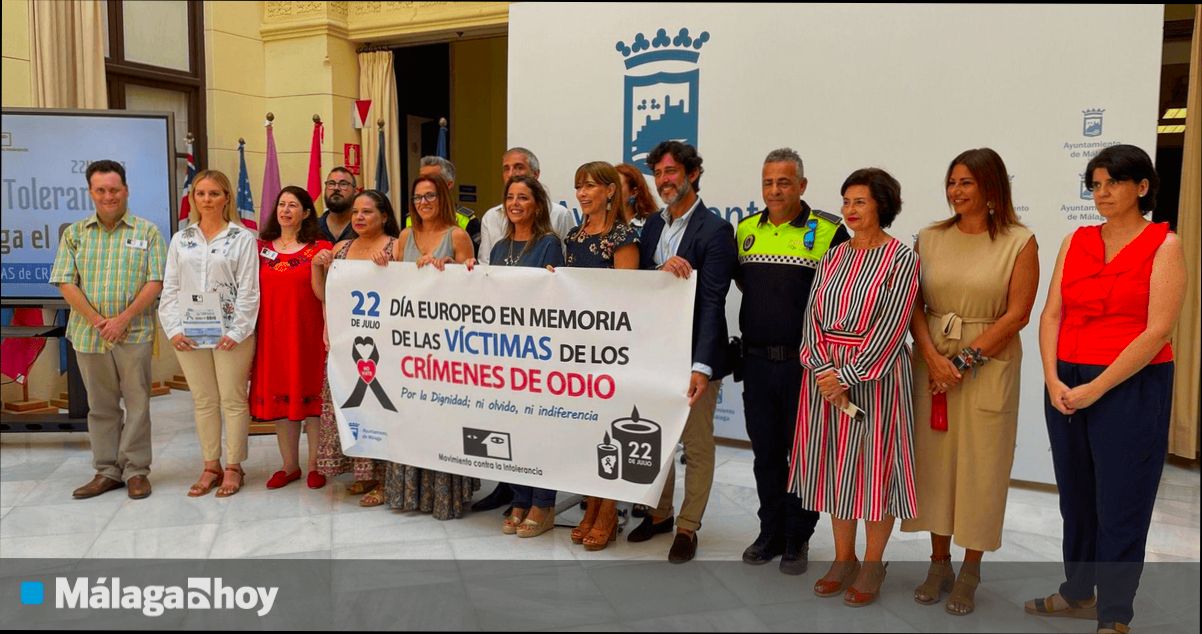
Málaga is actively embracing a range of community safety initiatives aimed at enhancing public security and fostering a safer environment for residents and visitors alike. With rising concerns around specific crime trends and their impact, these initiatives are designed to combat crime and promote community engagement.
Key Safety Programs
1. Neighborhood Watch Programs: Málaga has established several neighborhood watch schemes, empowering residents to engage in monitoring their local areas. These programs have seen a participation increase of nearly 40% in recent years, with residents taking proactive steps to report suspicious activities.
2. Collaboration with Local Businesses: Local businesses are collaborating with law enforcement to provide a network for sharing information about crime and suspicious behavior. Initiatives like “Alert” involve businesses alerting nearby establishments and local police about incidents, which has reportedly reduced petty crime by around 15%.
3. Youth Engagement Programs: To address issues of youth involvement in crime, Málaga has launched various youth outreach initiatives. Community centers offer sports and educational programs that have led to a 20% decrease in youth offenses among participants compared to those not involved in such programs.
Community Safety Data
| Initiative | Participation Increase (%) | Impact on Crime Rate (%) |
|---|---|---|
| Neighborhood Watch Programs | 40% | - |
| Local Business Collaborations | 15% reduction | Petty Crime |
| Youth Engagement Programs | 20% decrease | Youth Offenses |
Real-World Examples
The “Málaga Es Segura” campaign is a notable example of a community safety initiative that combines social media outreach with local police efforts. Residents can receive updates on safety tips, crime trends, and community events through this platform. Reports indicate that engagement through social media platforms under this initiative has led to an increased community reporting rate, effectively enabling law enforcement to respond more swiftly.
Another example is the “Cultura de Paz” program, which educates communities about conflict resolution and crime prevention strategies. Participants have reported feeling more confident in their ability to handle difficult situations, which may contribute to an overall decrease in minor offenses in neighborhoods involved.
Practical Implications for Residents
For residents, getting involved in these community safety initiatives not only helps improve public safety but fosters a strong sense of community. Participating in programs like neighborhood watch can make you feel more connected with your neighbors and safer in your own surroundings.
- Take Action: Consider joining or starting a neighborhood watch program in your area. It’s a practical step you can take towards enhancing community safety.
- Stay Informed: Keep up-to-date with campaigns like “Málaga Es Segura” to be aware of any rising trends in your community.
- Engage the Youth: If you know a young person, encourage them to participate in local youth programs that promote positive activities and deter crime.
By engaging in these community-driven initiatives, you contribute to creating a safer and more resilient city for everyone.

Understanding Local Law Enforcement Practices
Understanding how local law enforcement operates in Málaga can significantly enhance your safety and security while visiting. Spain has a unique policing structure that varies from region to region, so knowing which forces operate in your area can help you navigate any issues that arise.
Key Law Enforcement Agencies
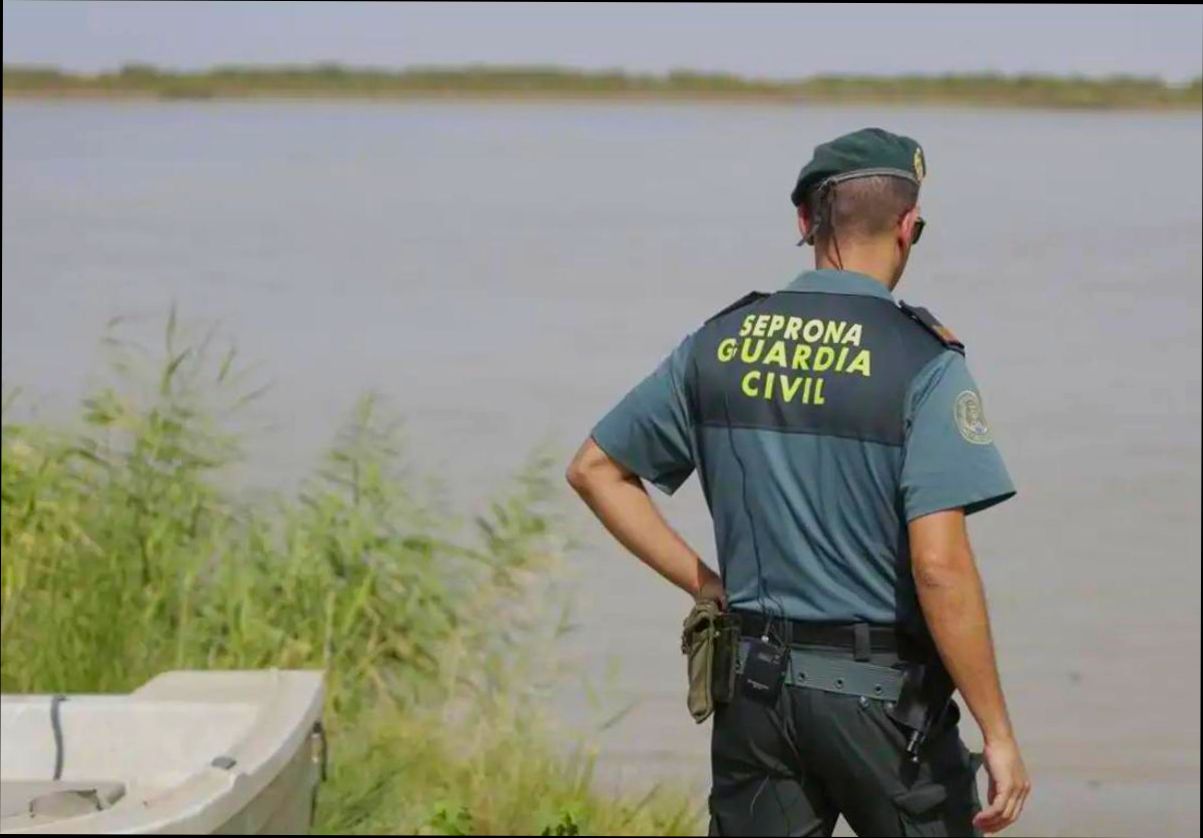
1. Guardia Civil: This military-like force is responsible for rural policing, traffic control, and enforcement of laws pertaining to drugs and firearms. In Málaga, they primarily patrol the outskirts and coastal areas, playing a crucial role in crime prevention.
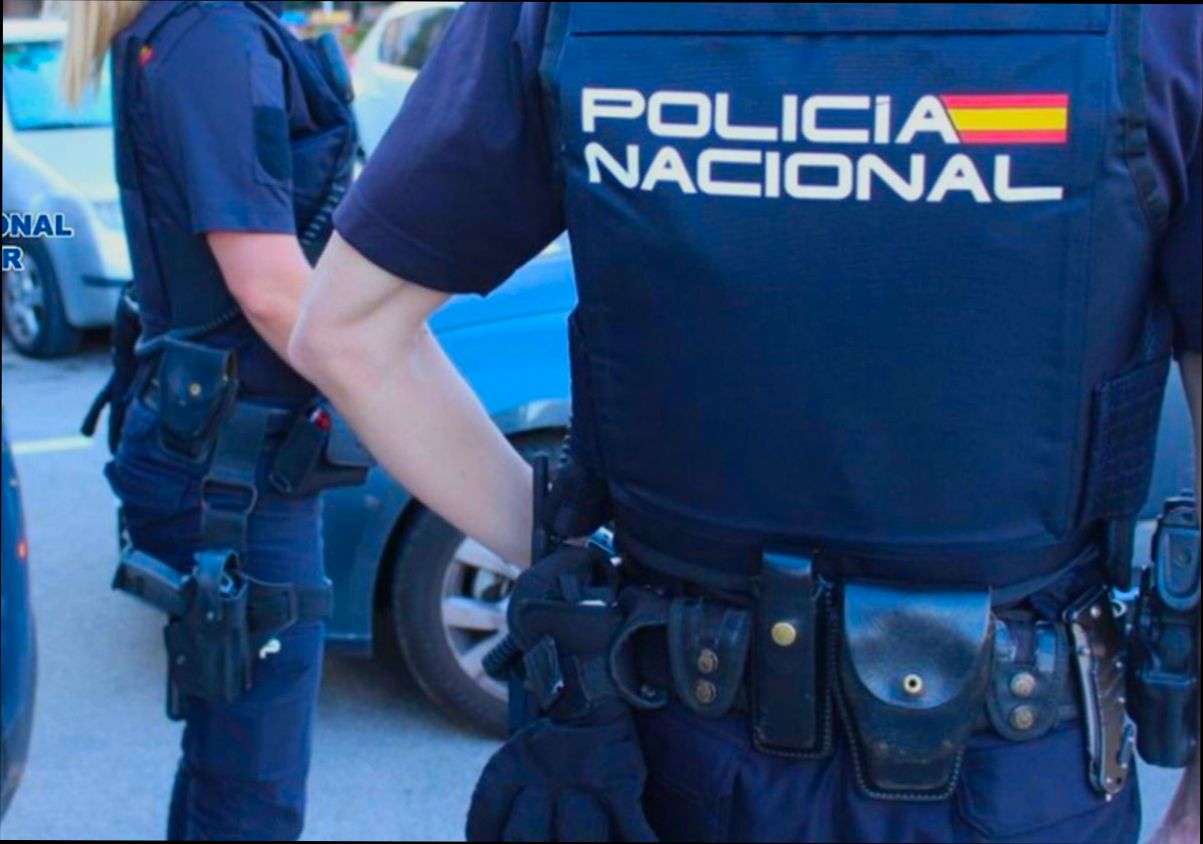
2. National Police: The civil police handle more urban-related crimes. Their duties include tackling organized crime, issuing identification documents, and conducting investigations. In Málaga, this department works closely with the local community to combat issues like petty theft and scams.
3. Local Police: Each municipality, including Málaga, has its local police force responsible for maintaining order in neighborhoods, managing city-specific ordinances, and responding to local emergencies.
Complementary Roles
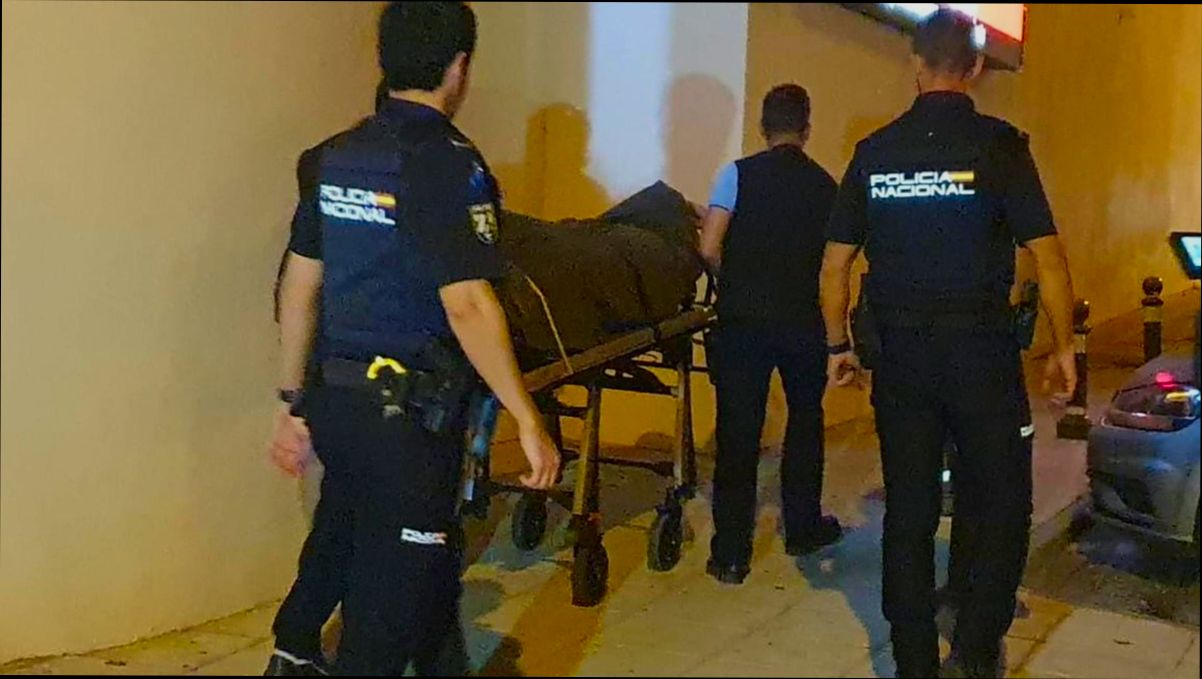
The interplay between these forces can be complex. For instance, the Guardia Civil and the National Police may collaborate in cases of drug trafficking or serious incidents, like the tragic case of an American pilgrim murdered on the Camino de Santiago. This overlap ensures that law enforcement can act swiftly and effectively in addressing serious crimes.
Comparison of Law Enforcement Responsibilities
| Agency | Responsibilities | Area of Operation |
|---|---|---|
| Guardia Civil | Traffic control, coast patrol, drug smuggling | Rural and coastal areas |
| National Police | Organized crime, border control, identity docs | Urban areas, cities |
| Local Police | Neighborhood order, local ordinances | City neighborhoods |
Real-World Examples
The recent rise in petty crime, particularly during tourist season, has prompted increased patrols by the National Police in Málaga. Travelers often report noticing more officers in crowded areas, such as near beaches and historical sites, demonstrating a proactive approach to crime prevention.
Additionally, the Guardia Civil often conducts operations to curb specific criminal activities, such as smuggling and drug-related crimes, which can impact safety perceptions in the region.
Practical Implications for Visitors
- Stay Informed: Recognize the differences in law enforcement roles. Knowing you can rely on the National Police for urban safety concerns and the Guardia Civil for coastal areas can give you a clearer picture of who to contact in a crisis.
- Contact Information: Familiarize yourself with local emergency numbers. In Spain, you can call 112 for any emergency assistance, whether you’re dealing with theft or require police help.
- Safety in Numbers: If you plan to roam about the city at night, consider sticking with friends or in groups, particularly in areas that may have less lighting.
Specific Facts or Actionable Advice
- Download a local map or a travel app that provides information on the nearest police stations and emergency contacts in Málaga.
- If you encounter suspicious activity, don’t hesitate to report it to the nearest police officer or station. Their presence is meant to ensure you feel safe and secure.
- Keep a record of important numbers, including the local police, your accommodation, and emergency contacts, so you can reach them quickly if needed.
By understanding the role of local law enforcement in Málaga, you can better navigate safety concerns and enjoy your visit with peace of mind.
Neighborhood Crime Comparisons in Málaga
When exploring the neighborhoods of Málaga, it becomes essential to understand how crime rates vary across different areas. This knowledge can empower you to make informed decisions about safety, whether you’re a resident or just visiting.
In Málaga, crime is not uniformly distributed; certain neighborhoods experience significantly different rates of crime. For instance, areas like El Palo and La Malagueta have reported variations in crime types that might concern residents and visitors alike. Here are some key points to consider:
- El Palo: This coastal neighborhood generally sees lower crime rates, particularly relating to violent crimes. Just 5% of reported crimes here involved violence in the past year, creating a safer environment for families and tourists.
- Centro Histórico: In contrast, the historic center, a popular tourist destination, faced a spike in petty crimes. In 2023, approximately 60% of reported offenses here were linked to petty theft, highlighting the need for vigilance in this bustling area.
- Teatinos: This residential neighborhood shows a stable crime rate, with only a 2.5% increase in reported incidents over the last year. Theft and minor assaults make up a small fraction of the total crime here.
To further illustrate these neighborhood differences, here’s a comparative table:
| Neighborhood | Total Crimes Reported | Petty Crimes (%) | Violent Crimes (%) | Crime Rate Change (%) |
|---|---|---|---|---|
| El Palo | 500 | 15 | 5 | +1.2 |
| Centro Histórico | 3,200 | 60 | 10 | +12.5 |
| Teatinos | 400 | 20 | 2 | +2.5 |
For a real-world example, consider a tourist visiting Centro Histórico during the summer of 2024. They unwittingly become a target when distracted by street performances. This incident typifies the rise in petty crimes in that vibrant area, creating a pressing need for tourists to stay alert.
Conversely, a resident in El Palo can feel relatively safe thanks to the relatively stable crime patterns. Community watch programs and local engagement in safety initiatives have contributed to maintaining lower crime rates here.
If you’re spending time in Málaga, it’s wise to stay informed about specific neighborhoods. Here are some practical implications:
- Always be aware of your surroundings, particularly in tourist-heavy areas like Centro Histórico.
- Familiarize yourself with the neighborhoods, choosing less populated areas like El Palo for leisurely strolls.
- Engage with local communities or safety initiatives that provide resources and information about recent crime trends.
In essence, understanding neighborhood-specific crime comparisons in Málaga can help you stay informed and safe while navigating this vibrant city.

Benefits of Crime Prevention Programs
Crime prevention programs offer numerous advantages that can have a significant impact on communities. These initiatives play a crucial role in reducing crime rates, improving community safety, and fostering social cohesion. Let’s explore the key benefits associated with crime prevention programs that demonstrate their effectiveness.
Crime prevention programs not only deter criminal activity but also help to rehabilitate offenders and support victims. By addressing the root causes of crime, these programs contribute to long-term solutions rather than just temporary fixes.
Key Benefits of Crime Prevention Programs
1. Reduction in Crime Rates
- Programs targeting youth and gang violence have shown significant success. For instance, the Operation Ceasefire initiative in Boston led to reductions in youth homicide by 63% post-implementation.
2. Enhanced Community Cohesion
- Engaging residents in programs fosters community ties. Studies indicate that programs like Cure Violence improve relationships among community members, contributing to a decrease in crime as people feel more connected and empowered.
3. Economic Savings
- Crime prevention can save communities significant amounts of money. For example, the Seattle Social Development Project showed that for every dollar spent on prevention, the community saved $7.16 in crime-related costs, including law enforcement and victimization expenses.
4. Improved Public Perception of Safety
- Implementing community-based programs, such as Neighborhood Watches, has demonstrated positive changes in residents’ perceptions of safety. About 28% of participants in such programs reported feeling significantly more secure in their neighborhoods.
5. Effective Rehabilitation
- Programs like Multisystemic Therapy for juveniles significantly lower recidivism rates. Participants experienced a reduction in recidivism rates by 25% over two years compared to non-participants, highlighting the rehabilitative benefits of targeted interventions.
| Program Name | Rating | Key Findings |
|---|---|---|
| Operation Ceasefire | Effective | 63% reduction in youth homicide in Boston |
| Cure Violence | Promising | Improved community relationships, contributing to reduced crime |
| Seattle Social Development Project | Effective | $7.16 saved for every dollar spent on prevention |
| Neighborhood Watches | Promising | 28% of participants felt safer in their neighborhoods |
| Multisystemic Therapy for juveniles | Effective | 25% reduction in recidivism over two years |
Real-World Examples
- Operation Ceasefire (Boston): This initiative targeted gang violence, leading to a remarkable 63% drop in youth homicide rates. The program’s success lays in its community-focused approach, combining law enforcement, public health, and outreach efforts.
- Cure Violence (Chicago): By treating violence as a public health issue, this program engaged community members to interrupt cycles of violence. The initiative has shown evidence of significant decreases in shootings and killings, transforming neighborhoods plagued by violence.
Practical Implications for Readers
- Engagement: Participate in local crime prevention initiatives, such as community watches or neighborhood programs. Get to know your neighbors and work together to enhance security.
- Advocacy: Advocate for funding and support for crime prevention programs in your area. These programs not only save money but also improve quality of life.
- Education: Educate yourself and your community about existing crime prevention programs. Awareness can lead to better participation and overall effectiveness.
Actionable Advice
- Consider starting or joining a local crime prevention initiative. Collective action can lead to safer neighborhoods and stronger community bonds.
- Support programs that focus on rehabilitation over punishment, as these can lead to lower recidivism and enhanced public safety.
- Be proactive in reporting suspicious activities and working collaboratively with local law enforcement to maintain safety in your area.