What are the costs involved when renting a house in Spain? Well, it can be a bit of a rollercoaster ride, especially if you’re new to the game. First off, you should brace yourself for the rent itself, which typically averages around €700 to €1,200 per month depending on the region. Places like Madrid and Barcelona will hit that high end, while coastal spots like Valencia or Málaga might offer a bit more bang for your buck. And don’t forget the deposit! Landlords usually expect a month’s rent upfront, plus you might need another month for agency fees if you’re renting through a property management company.
Now let’s talk about the additional costs that often sneak up on first-time renters. For starters, utilities like electricity, water, and internet can add another €100 to €200 per month to your budget. If you’re in a furnished place, you might also encounter a furniture inventory fee, which can vary widely. Oh, and be prepared for community fees if you’re renting in an apartment complex—sometimes around €100 monthly. So, while Spain’s charm is undeniable, those bills can certainly pile up quickly if you’re not on top of it!

Understanding Monthly Rental Prices
When considering renting a house in Spain, understanding monthly rental prices is essential. Prices can vary widely based on several factors, including location, property type, and market demand. Let’s break down what influences these numbers so you can make an informed decision.
Key Factors Influencing Monthly Rental Prices
1. Location: Major cities like Madrid and Barcelona will typically have higher rental prices compared to smaller towns. For instance, the average rent in Madrid is around €1,200 per month, whereas in Valencia, it averages €850.
2. Property Size and Type: Size plays a crucial role in determining rental costs. On average, a one-bedroom apartment in a central area can cost €1,000, while the same apartment in the outskirts may only be €600.
3. Market Conditions: Prices can fluctuate based on seasonality and demand. The rental market often sees spikes during summer months, with prices increasing by up to 20% around tourist hotspots.
4. Amenities: Properties with additional features such as swimming pools, gardens, or modern kitchens can command premium rents. For example, apartments with pools in southern Spain can increase the rental price by around €150 to €300 per month.
Comparative Monthly Rental Prices in Major Spanish Cities
| City | Average Monthly Rent (1-bedroom) | Average Monthly Rent (3-bedroom) |
|---|---|---|
| Madrid | €1,200 | €2,200 |
| Barcelona | €1,150 | €2,100 |
| Valencia | €850 | €1,600 |
| Seville | €800 | €1,500 |
| Málaga | €900 | €1,700 |
Real-World Examples
- In Barcelona, a one-bedroom flat in the trendy El Born district recently listed for €1,400, reflecting the area’s popularity among locals and tourists alike. Conversely, in the quieter Gràcia neighborhood, similar properties were available for €1,000, showcasing how location impacts rental pricing.
- A family of four looking for a three-bedroom apartment in Valencia found choices ranging from €1,500 in the city center to €1,000 in suburban areas. This variety illustrates how individuals can adjust their budget based on priorities between space and location.
Practical Implications
- To get a realistic view of your potential rental costs, consider exploring various neighborhoods. Using online platforms, you can filter properties by price, size, and amenities to find what suits your lifestyle.
- If you’re flexible with your location, you might save significantly by living slightly outside popular tourist areas. Checking local listings regularly can help you spot emerging neighborhoods with more competitive pricing.
Specific Facts and Actionable Advice
- Did you know that properties may negotiate rental prices, especially if they have been on the market for a while? Don’t hesitate to ask for a lower rent or find out if the landlord is open to negotiation.
- Always factor in potential utility costs, which can add another €100 to €200 to your monthly expenses. Being aware of this will allow you to better budget for your total housing expenses.
- Keep an eye on seasonal trends; rent prices typically dip during the winter months, providing a strategic window for you to secure a better deal.

Hidden Fees in Rental Agreements
When renting a house in Spain, hidden fees in rental agreements can significantly impact your budget. These costs often catch tenants off guard, leading to unexpected financial strain. Understanding these hidden fees will empower you to negotiate better and plan your finances more effectively.
Common Hidden Fees
1. Administrative Fees: Many landlords or agencies charge administration fees, which can range from €100 to €500. This fee covers the processing of your rental application and other paperwork.
2. Utilities Setup Fees: Often overlooked, utility setup fees can add up to approximately €150 per service. This includes water, gas, and electricity connection costs that may not be included in your rental agreement.
3. Community Fees: If you’re renting in a complex with shared facilities, you might encounter community fees. These fees can vary widely, from €50 to €300 monthly, for services such as maintenance of common areas and security.
4. Property Insurance: It’s prudent to have rental insurance, which can average around €200 annually. Some landlords may insist on proof of insurance before the lease is finalized.
5. Cleaning Fees: Upon move-out, some landlords include a mandatory cleaning fee, which can be anywhere from €100 to €300, regardless of the property’s condition when you vacate.
| Fee Type | Estimated Cost Range (€) |
|---|---|
| Administrative Fees | 100 - 500 |
| Utilities Setup Fees | 150 |
| Community Fees | 50 - 300 |
| Property Insurance | 200 |
| Cleaning Fees | 100 - 300 |
Real-World Examples
In a recent case, a tenant in Barcelona signed a lease agreement without clarifying the administrative fees, later discovering an unexpected charge of €350. Another tenant reported moving into a rental property in Valencia, only to find out there was a €200 community fee for amenities they did not use.
A family renting in Marbella learned that while their rent included basic utilities, they incurred an additional €150 setup fee for electricity that was not disclosed upfront. These examples illustrate real scenarios where hidden fees led to budget surprises for unsuspecting renters.
Practical Implications
As a potential renter, it’s crucial to ask about all fees upfront. Make it a point to:
- Request a breakdown of all fees in writing before signing any agreement.
- Inquire about additional costs that may arise, such as community and utility fees.
- Negotiate on fees you find unreasonable or that were not previously disclosed.
Actionable Advice
Before committing to a rental, carefully read through the rental agreement and highlight any sections that mention fees. Consider asking for clarity on the necessity of these fees and the possibility of waiving them, especially for administrative charges. Always budget an additional 10-20% beyond your expected monthly rent to accommodate these hidden fees.
Comparative Costs of Renting in Cities
When renting a house in Spain, understanding how city differences can impact costs is crucial. Each city presents unique rental landscape influenced by factors like popularity, availability, and local amenities. Let’s dive into some comparative costs associated with renting in various cities across Spain.
Key Cost Comparisons Between Major Cities
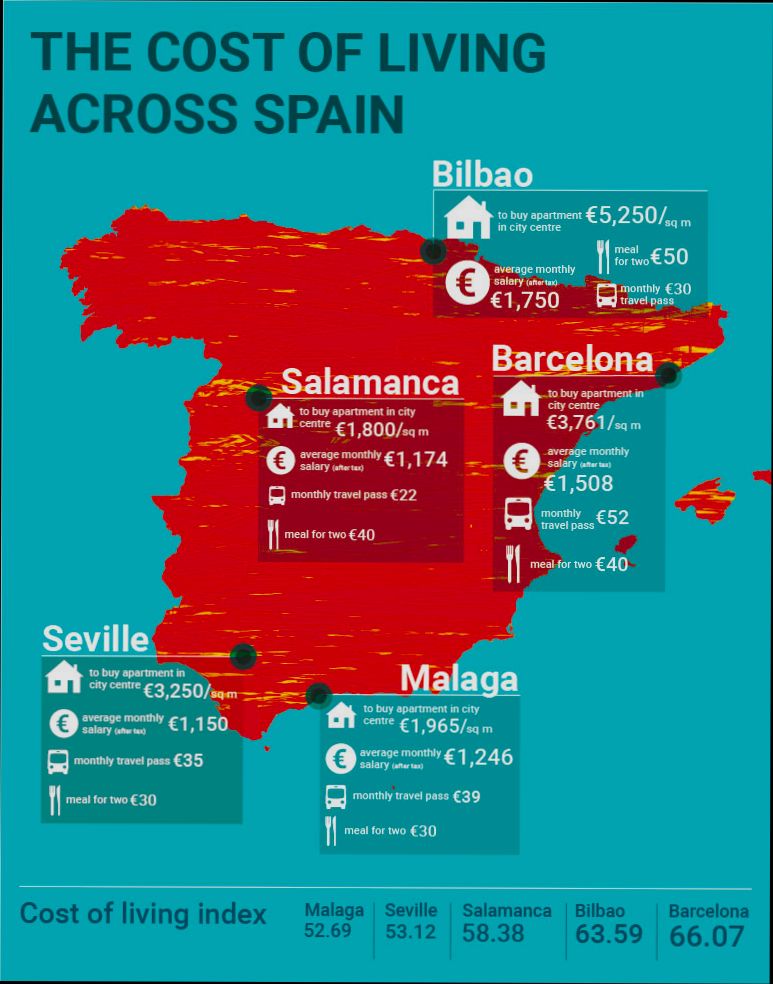
- Barcelona: The average monthly rent for a one-bedroom apartment in the city center is approximately €1,200, whereas in the outskirts, it drops to around €850.
- Madrid: You’ll pay about €1,100 for a similar one-bedroom apartment in central Madrid. However, in less central areas, the price falls to around €850.
- Valencia: If you’re looking in the city center, expect to pay around €850. The outskirts offer a more budget-friendly option at roughly €650.
- Seville: Renting in Seville’s city center typically costs around €800, compared to €600 for outlying areas.
- Bilbao: For this northern city, central rentals can average €1,200, while the outskirts provide options starting from €900.
This cost variance based on location highlights how city desirability can dramatically influence your rental budget.
Comparative Rent Costs Table
| City | Central Rent (€) | Outskirts Rent (€) |
|---|---|---|
| Barcelona | 1,200 | 850 |
| Madrid | 1,100 | 850 |
| Valencia | 850 | 650 |
| Seville | 800 | 600 |
| Bilbao | 1,200 | 900 |
Real-World Examples
Consider a young professional moving to Spain and weighing their options. If you choose Barcelona, a central rental may fit your trendy lifestyle but could stretch your budget. On the other hand, Seville offers a similar lifestyle at a more affordable rate while maintaining access to vibrant culture.
Another illustrative case involves a family relocating. If they decide to settle in Valencia, the rent difference between a city center and outskirts can save them €200 monthly, allowing for more investment elsewhere, such as education or leisure.
Practical Implications
When moving to Spain, consider these factors:
- Location Importance: Central locations often escalate rental prices due to convenience and amenities.
- Neighborhood Variability: Different neighborhoods within the same city can offer drastically varying prices. Always explore various areas before settling.
- Future Development: Keep an eye on areas earmarked for future development; these locations may offer lower rents now but could appreciate over time.
Actionable Advice
If you’re on a budget, strongly consider renting outside major city centers, where average savings can exceed €200 monthly. Additionally, visiting potential neighborhoods during different times can help gauge community dynamics and living conditions effectively. Always budget for potential price hikes based on local demand trends!

Real-World Examples of Renting Expenses
When considering renting a home in Spain, it’s essential to be aware of the various expenses beyond just the monthly rent. Understanding these real-world examples of renting expenses can help you budget effectively and avoid unexpected financial surprises.
Key Expenses to Consider
1. Utilities: On average, renters can expect to pay between €100 to €150 monthly for electricity, water, and gas. Depending on usage, especially during the hot summer months or chilly winters, these costs can fluctuate significantly.
2. Community Fees: If you rent in a complex with shared amenities, like a pool or gym, community fees can add roughly €50 to €150 to your monthly expenses. This fee is often overlooked but can be crucial for budgeting.
3. Security Deposits: Most landlords in Spain will ask for a security deposit equivalent to one or two months’ rent. If you’re renting a property at €1,200 per month, expect to set aside an additional €1,200 to €2,400 as a safety net.
4. Council Tax (IBI): Typically, this tax is paid by the landlord, but some rental agreements might stipulate that tenants share this cost. Average annual costs for IBI can range from €200 to €600, so understanding how this might be passed on is important.
5. Renters’ Insurance: It’s recommended (although not compulsory) to have renters’ insurance, which can range from €100 to €300 annually, depending on the level of coverage.
Monthly Expense Breakdown
| Expense Type | Estimated Cost (€) | Frequency |
|---|---|---|
| Rent | 1,200 | Monthly |
| Utilities | 150 | Monthly |
| Community Fees | 100 | Monthly |
| Security Deposit | 1,200 | One-time fee |
| Council Tax (IBI) | 200 - 600 | Annual |
| Renters’ Insurance | 25 - 50 | Monthly |
Real-World Examples
- In Barcelona, a couple renting a modest one-bedroom apartment at €1,200 monthly might also pay about €150 for utilities and €80 in community fees, creating a total monthly expenditure of approximately €1,430. Including the security deposit of €1,200 (one month), their upfront cost climbs to €2,630.
- On the other hand, a family renting a three-bedroom place in Valencia for €1,500 might face higher community fees of €120, but lower utility costs averaging around €120. For them, monthly costs would reach €1,740.
- In Seville, a tenant renting a newly established apartment at €900 per month may find that council tax (IBI) is about €250 annually. The monthly breakdown would thus include an average of €75 added to their rent for the council tax if divided across the year.
Practical Implications
Understanding these real-world examples of renting expenses is beneficial for your financial planning. You should prepare for initial outlays, such as security deposits and potential community fees. Moreover, consider the variability in utility costs depending on seasonality and personal consumption.
Facts and Tips
- Always check if community fees are included in your rental agreement, as this can significantly affect your budget.
- Try to obtain an estimated utility bill from the previous tenant, if possible, to better gauge what you might expect to pay.
- Factor in all associated costs when deciding your rental budget, ensuring that you won’t be caught off guard by unexpected fees.

Legal Obligations and Their Costs
When renting a house in Spain, understanding your legal obligations is crucial, as these can incur various costs. Every rental agreement involves adherence to local laws, which can impact your wallet and overall renting experience. Let’s dive into what these legal obligations entail and how they affect your budget.
Key Legal Obligations and Associated Costs
1. Contract Registration: In Spain, rental contracts usually need to be registered with local authorities, particularly in regions like Catalonia. The cost for registration can range from €30 to €150, depending on the municipality.
2. Tenant’s Insurance: While not mandated by law, many landlords require tenants to hold insurance that covers damages. Policies typically cost between €100 and €300 annually.
3. Deposit Requirements: The law dictates that landlords collect a deposit, which is usually equivalent to one month’s rent. In some locations, additional “administrative” deposits might be required, amounting to €50 to €200. Understanding this can help you prepare your upfront costs.
4. Administrative Fees: Some landlords may charge administrative fees ranging from €100 to €250, which can cover the costs of paperwork and processing your rental agreement. It’s essential to clarify these fees in advance.
5. Utility Registration: In many cases, tenants are responsible for transferring utilities into their name upon moving in. There can be fees ranging from €30 to €100 for this process, depending on the utility provider.
Cost Overview Table
| Legal Obligation | Estimated Cost (€) |
|---|---|
| Contract Registration | 30 - 150 |
| Tenant’s Insurance (optional) | 100 - 300 |
| Deposit Requirements | Equivalent to one month’s rent |
| Administrative Fees | 100 - 250 |
| Utility Registration | 30 - 100 |
Real-World Example
Imagine you’re renting a two-bedroom apartment in Valencia for €900 per month:
- You might pay a deposit of €900 upfront.
- If you opt for tenant’s insurance, that’s an additional €200.
- On top of that, you pay an administrative fee of €150 and utility transfer fees of €50.
- So, your initial costs could sum up to approximately €2,200 just to get started.
Practical Implications
Understanding these legal obligations helps you plan your budget effectively. Always check with your potential landlord about specific fees associated with the rental and ensure you receive clear documentation regarding these costs upfront. If a contract includes a clause for administrative fees or extra deposits, request clarification and negotiate if necessary.
Actionable Advice
Before signing a rental contract, inquire explicitly about all required fees and legal obligations. Familiarize yourself with the tenancy laws in your specific region in Spain, as obligations may vary significantly. Always keep receipts for any payments related to your rental obligations, as this documentation could be vital in case of disputes or claims.

Benefits of Renting Over Buying in Spain
When moving to Spain, one of the first decisions you’ll face is whether to rent or buy a property. While buying might seem like a secure investment, renting can offer numerous advantages that may suit your lifestyle better, especially if you’re new to the country. Let’s dive into the specific benefits that renting has over buying in Spain.
Flexibility and Mobility
Renting allows you the freedom to move without the complications of selling. For example:
- If you rent a home, you can easily relocate to a different city or neighborhood if your job or personal circumstances change.
- Many rental agreements last between 1 to 5 years, and depending on your needs, you have the potential to negotiate shorter or longer terms.
This flexibility is especially beneficial in a country like Spain, where regional differences in culture, climate, and lifestyle can greatly impact your living experience.
Lower Upfront Costs
Renting generally involves much lower initial costs compared to buying. Here are some of the financial benefits:
- Typically, you’ll pay a security deposit of one or two months’ rent plus your first month’s rent. In contrast, buying a property entails substantial fees, including the down payment (usually around 20% of the property’s value), notary fees, and transfer tax, which can be around 10%.
- A 2023 survey indicated that the average upfront cost associated with buying could total more than €40,000, while renting would amount to around €2,000 to €3,000 for the first month and deposit combined.
Maintenance and Repair Responsibilities
Renting often alleviates the burden of maintenance and repairs, which can be a significant financial drain for homeowners.
- Generally, landlords are responsible for substantial repairs and upkeep. This can save you hundreds or even thousands of euros in unexpected costs, like a broken roof or plumbing issues.
- In Spain, most rental agreements typically stipulate that major repairs fall to the landlord, allowing renters to focus on living without the worry of these expenses.
Financial Adaptability
Renting provides greater financial adaptability, an essential factor in an unpredictable real estate market:
- With rental prices more stable than property values, you might spend less over time than if you had invested in a property that could decrease in value.
- The flexibility in choosing lower-cost rental areas or apartments can also help you manage your finances better, especially in expensive cities like Barcelona and Madrid.
| Aspect | Renting | Buying |
|---|---|---|
| Upfront Costs | €2,000 - €3,000 | €40,000+ |
| Maintenance Responsibility | Typically Landlord | All Owner’s responsibility |
| Flexibility | Highly flexible | Limited flexibility |
| Long-term Financial Risk | Lower risk | Higher risk due to market fluctuations |
Real-World Examples
Imagine Maria, a digital nomad from Germany, who plans to spend a year in Sevilla. By renting a furnished apartment for €800 a month, she avoids a hefty investment and the complexities of owning. When she’s ready, she can move to another city without losing money on a property.
On the other hand, Tom and Sarah bought a home in Valencia, investing €250,000. After a few years, they found better job opportunities in a different region but struggled to sell their house in a down market, leading to financial losses.
Practical Implications for Readers
If you’re considering your options in Spain:
- Think about your job stability and future plans. If you foresee relocating, renting could be the better temporary solution.
- Compare the monthly rental rates in various cities. Urban centers tend to have higher rents, while rural areas may present significant savings.
- Evaluate the types of amenities you desire in your living situation. Renting often provides access to desirable features like community pools and gyms without the upfront cost of ownership.
Take note that the choice between renting and buying in Spain heavily depends on personal circumstances, lifestyle, and financial goals. Renting can offer the convenience and lower maintenance that makes settling in a new country more manageable.

Statistical Trends in Spanish Rental Market
In recent years, the Spanish rental market has undergone significant changes, reflecting shifts in demand, pricing, and regional trends. Understanding these statistical trends can help you navigate the complexities of renting a property in Spain, especially if you’re new to the market.
Key Statistical Insights
1. House Price to Rent Ratio: The house price to rent ratio in Spain will continue to be a key metric in 2024, illustrating an enduring trend of rising rental costs. In 2022, reports indicated a substantial increase in this ratio, which shows that investment trends may influence rental prices.
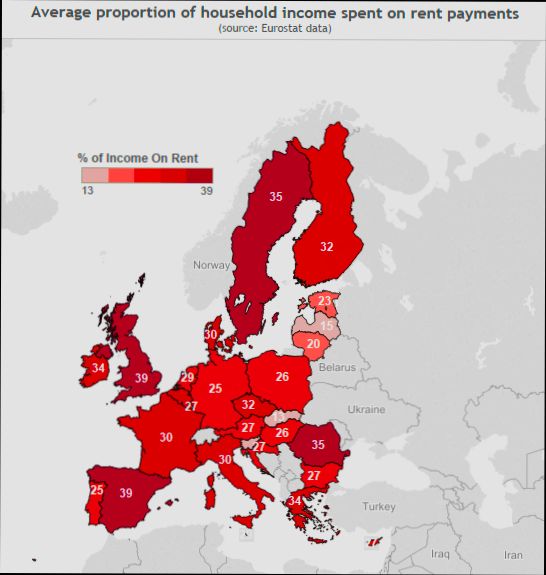
2. Income Allocation to Rent: Many households in Spain allocate over 40% of their income to housing expenses. This highlights the financial pressures on renters across various regions, making it crucial for renters to budget wisely.
3. Rental Duration Trends: According to recent statistics, the average total duration of rental appeals and trials varies across regions, with Spain averaging 23.2 months overall. Understanding these timelines can be critical for anyone considering long-term rental agreements.
4. Availability of Rental Homes: In 2022, the number of rental homes on offer was reported at approximately 16.6 per 1,000 inhabitants in Spain. This figure illustrates the competitive nature of the rental market and the importance of acting swiftly when you find a suitable residence.
5. Regional Variability: Rental prices and conditions differ significantly across regions. In Andalucía, for example, the average first trial duration spiked to 13.6 months, hinting at possible bureaucratic complexities impacting the rental process.
Comparative Table of Rental Duration by Region
| Spanish Region | First Trial Duration (months) | Appeals Duration (months) | Total Duration (months) |
|---|---|---|---|
| Spain | 12 | 11.2 | 23.2 |
| Andalucía | 13.6 | 11.3 | 24.9 |
| Cataluña | 11.8 | 11.9 | 23.7 |
| Madrid | 11.2 | 10.3 | 21.5 |
| País Vasco | 7.4 | 12.6 | 20 |
Real-World Examples
Consider a family looking to rent in Madrid, where the average first trial duration is 11.2 months. They may face a lengthy application process, reflective of the high demand for rental properties. Conversely, tenants in Navarra experience a notably shorter trial duration of just 9 months, presenting a more favorable scenario for renters looking for swift agreements.
Similarly, in Andalusia, the 13.6-month first trial duration may indicate a slower process, prompting prospective tenants to be more proactive in their search and preparations.
Practical Implications
Being aware of these trends can greatly benefit anyone entering the rental market in Spain. Here are some actionable insights:
- Budget Wisely: If you’re planning to relocate or rent in Spain, ensure your budget accounts for the potential 40% allocation of your income to rent. This will help you avoid financial strain.
- Understand Regional Differences: Familiarize yourself with the different trial durations across regions. This knowledge allows you to set realistic expectations about the rental process and timeline.
- Be Prepared: Given the competitive nature of the market, especially in major cities, be prepared to move quickly when you find a suitable rental option.
- Monitor Trends: Keep an eye on rental price trends and the house price to rent ratio. You can do this by regularly checking real estate websites or subscribing to local market analyses.
Being informed and strategic about renting can empower you to make well-informed decisions, tailored to your individual situation in the evolving Spanish rental landscape.