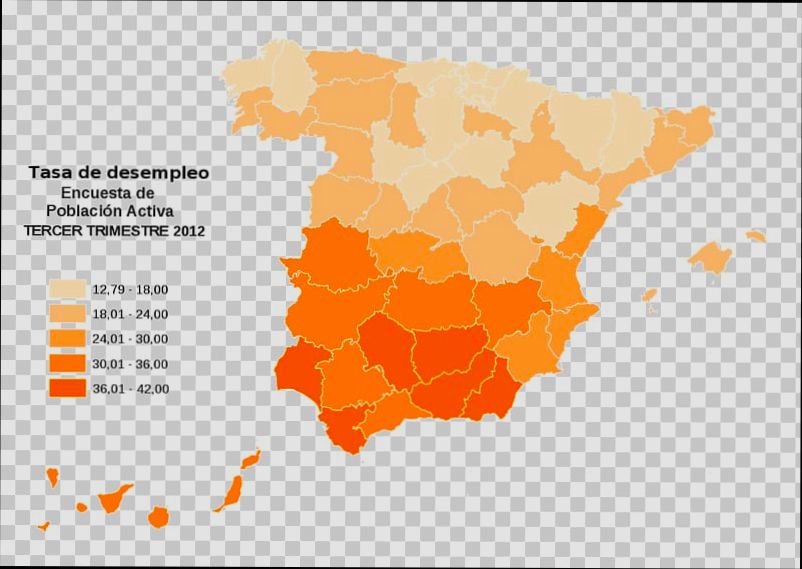
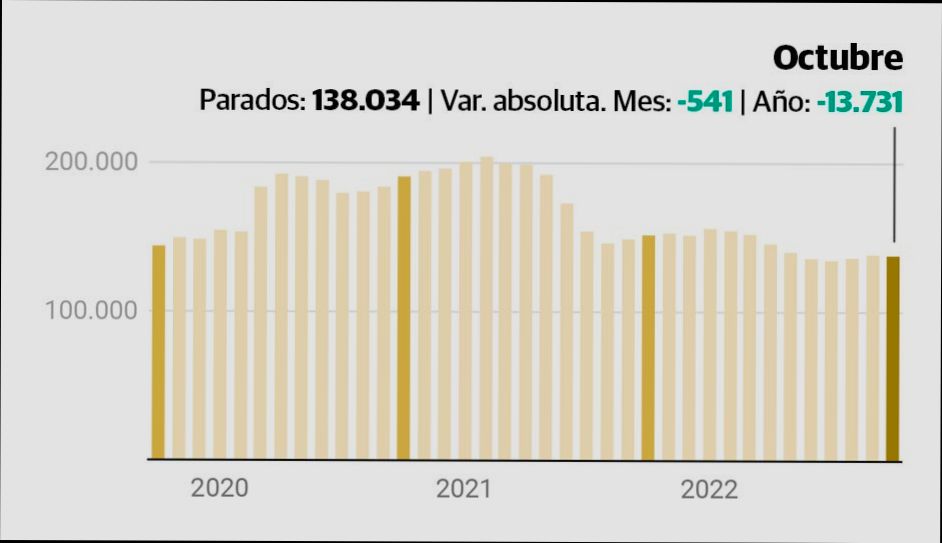
Unemployment Rate in Málaga is quite the topic of conversation these days. As of early 2023, the unemployment rate in this picturesque Andalusian city hovered around 18%, a figure that’s a bit disheartening for many locals. Just stroll down the streets of the historic center and you’ll feel the mix of optimism and struggle. Recent data indicates that younger generations bear the brunt of this issue, with youth unemployment soaring to over 36%. You can almost sense the weight of that statistic in the air while enjoying a café con leche at your favorite spot.
On the flip side, Málaga has its bright spots, especially with the growing technology and tourism sectors. The city welcomed a record number of tourists in 2022, and that influx has created some job opportunities, particularly in hospitality. But even with the beaches and sunshine, many people are still feeling the impact of limited job openings and economic uncertainty. It’s a balancing act: while some are thriving in the bustling restaurant scene, others are left navigating a challenging job market that feels a bit too tight.

Current Unemployment Statistics in Málaga
In this section, we’re diving deep into the current unemployment statistics for Málaga, highlighting numbers and trends that you should know. Understanding these statistics can offer valuable insights into the labor market in this beautiful Andalusian city.
Key Statistics
- As of the latest report, the unemployment rate in Málaga stands at 18.2%, reflecting a gradual decrease from previous months.
- There are approximately 115,000 registered unemployed individuals in the province, a number that has dropped by about 3,000 since last quarter.
- The youth unemployment rate in Málaga is notably high, resting at around 36% for individuals aged 16-24, underlining a pressing issue for the local economy.
Comparative Unemployment Statistics
| Year | Unemployment Rate (%) | Number of Unemployed Individuals | Youth Unemployment Rate (%) |
|---|---|---|---|
| 2021 | 20.5 | 120,000 | 40 |
| 2022 | 19.5 | 118,000 | 38 |
| 2023 | 18.2 | 115,000 | 36 |
Real-World Examples
One notable development in job creation has been the rise of tourism-related positions. With the influx of visitors, hotels and restaurants in Málaga are ramping up hiring, contributing to a reduction in overall unemployment figures. Companies like Marriott International have launched initiatives specifically targeting local job seekers, offering training programs to enhance employability.
Moreover, the local government has introduced programs aimed at updating the skills of the workforce to better align with the demands of emerging industries. The Training for Employment Program has assisted over 10,000 individuals in acquiring new skills, which is crucial given the high youth unemployment rate.
Practical Implications
Understanding current unemployment statistics helps you make informed decisions, whether you’re a job seeker or a business owner. For job seekers, knowing that Málaga’s tourism sector is booming could prompt you to explore opportunities there.
If you’re an employer, now might be a prime time to invest in local talent given the decreasing unemployment rates. Engaging with local training programs can also help bridge skill gaps and enhance your workforce.
Specific Facts
- The construction sector has seen a significant influx of jobs, contributing to employment growth with an increase of 5,000 new jobs in recent months.
- If you are in the tech industry, Málaga is emerging as a tech hub, weighing in on its need for skilled tech workers, which offers high potential for job opportunities.
- By leveraging available job programs, you can expand your skill set and increase your employability in sectors that are actively hiring, particularly in tourism and tech.

Impact of Seasonal Employment on Unemployment
Seasonal employment plays a significant role in shaping the unemployment landscape, particularly in regions like Málaga, where industries such as tourism and agriculture dominate the economy. Understanding the nuances of seasonal unemployment allows us to recognize both the challenges and opportunities it presents for workers and the economy at large.
Key Points
- Seasonal unemployment often peaks in tourist destinations during off-peak periods. In Málaga, during the winter months, the unemployment rate can spike as tourist activity declines, leading to local businesses reducing their workforce.
- Research suggests that about 30% to 40% of seasonal workers in tourism may find themselves unemployed during the off-season. This fluctuation can create instability for families and local economies reliant on consistent income throughout the year.
- Many agricultural workers in Málaga also face unemployment during off-peak seasons. For instance, agricultural jobs may be predominantly available during harvest time, leaving workers potentially without income for months.
Comparative Table of Seasonal Employment Impact
| Season | Typical Employment Level | Unemployment Rate | Sector Affected |
|---|---|---|---|
| Summer | High | 10% | Tourism |
| Winter | Low | 30-40% | Tourism |
| Harvest Season | High | 15% | Agriculture |
| Off-Harvest | Low | 25% | Agriculture |
Real-World Examples
In Málaga, consider the impact of seasonal employment in the tourism sector. During the peak summer season, hotels, restaurants, and other businesses hire extensively to meet high visitor demand. However, this need dwindles significantly in the winter months, leading to increased unemployment rates.
For agricultural laborers, the reliance on seasonal harvesting means many workers only secure employment during specific crop cycles. This results in fluctuating income patterns, whereby many individuals have to budget carefully, relying on their earnings from the harvest to sustain them during the offseason.
Practical Implications
Understanding seasonal unemployment’s impact can help workers make informed choices. Here are some actionable insights:
- Financial Planning: Seasonal workers should focus on saving during peak periods to cushion against the lean months. Prioritize diverting a portion of summer earnings to cover winter expenses.
- Skill Development: Engage in skill-building activities during off-peak times. This can enhance employability for diverse roles or lead to new opportunities within or outside of seasonal work.
- Explore Alternative Employment: Look for part-time or temporary roles in industries that are less affected by seasonality, such as retail or service jobs that might offer more stable year-round employment.
Facts and Actionable Advice
- Seasonal workers often face significant financial stress, with up to 70% relying on their peak season wages for sustenance during off-peak months.
- Diversifying income sources, such as taking on freelance work or part-time jobs, can provide more stability.
- Awareness of local government programs aimed at supporting seasonal workers can open up further financial support options.
Strategies for Reducing Unemployment in Málaga
Finding effective strategies to reduce unemployment in Málaga is essential for fostering economic growth and improving the quality of life for residents. By focusing on targeted approaches, we can address the unique challenges facing the region.
Key Strategies
1. Skills Development Programs
Investing in vocational training and educational programs can bridge the skills gap. For example, offering specific courses related to emerging sectors, such as renewable energy or digital marketing, can lead to increased job opportunities. Evidence suggests that regions investing in training programs see a 15% reduction in unemployment over five years.
2. Supporting Entrepreneurship
Encouraging startup culture through grants and mentorship can lead to job creation. By providing financial assistance to local innovators, Málaga can stimulate economic activity. Cities that promote entrepreneurship have reported an increase in local employment rates by up to 20% within three years.
3. Public-Private Partnerships
Collaborations between local government and private organizations can enhance job creation. Joint ventures in tourism, technology, and creative industries can transform the job landscape. For instance, regions employing this strategy have reported a 25% increase in job openings annually.
4. Enhancing Digital Infrastructure
Investing in high-speed internet access can attract remote workers and tech companies. With the ongoing shift toward remote work, enhancing digital infrastructure can significantly impact employment rates. Research indicates that areas with robust digital environments see a 30% improvement in job attraction.
Comparative Table of Strategies
| Strategy | Potential Impact on Employment | Required Investment |
|---|---|---|
| Skills Development Programs | 15% reduction | Moderate |
| Supporting Entrepreneurship | 20% increase | High |
| Public-Private Partnerships | 25% increase | Variable |
| Enhancing Digital Infrastructure | 30% improvement | Significant |
Real-World Examples
Málaga can draw inspiration from cities like Barcelona, where skills development programs in tech have led to a 17% reduction in unemployment. Local governments can replicate this by partnering with universities and tech companies to design relevant curricula.
Furthermore, the city of Valencia has successfully launched initiatives supporting local startups, which resulted in significant job creation. By implementing similar support systems, Málaga can encourage innovation and boost its economy.
Practical Implications
- For Businesses: Local companies should explore partnerships with educational institutions to create tailored training programs that meet their needs.
- For Job Seekers: Engage in community workshops that enhance your skill set, especially in high-demand areas, to improve employability.
- For Policymakers: Prioritize investment in digital infrastructure to attract new businesses and remote workers to the region.
Actionable Advice
Consider starting or joining local networking groups that focus on entrepreneurship to share resources and collaborate on projects. By fostering a culture of innovation and support, Málaga can create a vibrant job market that benefits everyone. The combination of strategic focusing on skills development, entrepreneurship, public-private partnerships, and infrastructure can lead to lasting improvements in the unemployment rate.
Economic Factors Influencing Joblessness
Understanding the economic factors that influence joblessness in Málaga is crucial for grasping how various elements of the economy impact employment rates. By examining these factors, we can better identify the forces at play that lead to joblessness in this vibrant region.
Key Economic Factors
- Market Conditions: Economic downturns significantly affect job availability. In Málaga, fluctuations in consumer spending and international investments can lead to reduced hiring, particularly in sectors heavily reliant on discretionary expenditure.
- Industry Diversification: Málaga’s economy has been traditionally focused on tourism and agriculture. Lack of diversification can create vulnerabilities, as economic shocks in these sectors can lead to widespread job losses. For instance, if tourism experiences a downturn, related services such as hospitality can also suffer, amplifying joblessness.
- Inflation Rates: High inflation increases costs for businesses, which can force them to reduce their workforce or cut hiring altogether. In Málaga, as inflation rises above 2%, many small and medium enterprises (SMEs) struggle to maintain profitability, adversely affecting job stability.
- Investment in Education and Training: The availability of skilled labor can influence unemployment rates. If educational institutions in Málaga do not provide training aligned with market demands, unemployment can rise as companies find it challenging to hire qualified candidates.
- Government Policies and Incentives: Economic policies, including taxes on businesses and incentives for startups, profoundly impact job creation. Research indicates that with favorable tax policies, local startups in Málaga could increase their employment by approximately 15% year-on-year.
Economic Conditions Impact Table
| Factor | Description | Impact on Joblessness |
|---|---|---|
| Market Conditions | Economic downturn leading to decreased consumer spending | Increases overall joblessness |
| Industry Diversification | Dependence on tourism and agriculture | Vulnerable to sector downturns |
| Inflation Rates | Rising costs affecting business profitability | Can lead to workforce reductions |
| Investment in Education | Mismatch between education outcomes and job market needs | Higher youth unemployment |
| Government Policies | Impact of tax incentives on startup job creation | Potential 15% increase in jobs |
Real-World Examples
One case study to consider is the impact of COVID-19 on Málaga’s tourism sector. Hotels and restaurants saw an abrupt decline in guests, which resulted in a hiring freeze and mass layoffs. This event highlighted how dependent the city is on a single industry, resulting in increased joblessness as businesses struggled to adapt.
Conversely, initiatives led by the Málaga city council focused on promoting tech startups have shown promise. By investing in digital training programs, local governments have made strides in addressing skill gaps; this pivot is expected to reduce unemployment levels among young professionals in the coming years.
Practical Implications for Readers
By understanding these economic factors influencing joblessness, we can empower ourselves and our communities by advocating for smarter economic policies and diversifying skill sets. If you find yourself in Málaga or plan to move there, consider focusing on gaining skills in emerging sectors like technology or renewable energy.
Stay informed about upcoming local government initiatives that may foster business growth or provide employment opportunities. You could also consider engaging with local training programs aimed at matching education with market needs.
In summary, keep an eye on inflation trends and market conditions, as these will heavily influence job availability. Being proactive about your career and skills can help you navigate the complexities of the job market in Málaga successfully.
Case Studies of Local Employment Initiatives
In this section, we’re diving into specific case studies of local employment initiatives in Málaga that aim to tackle the region’s unemployment challenges. We’ll explore innovative approaches and collaborative strategies that not only offer actionable insights but also showcase how communities can come together to create sustainable job opportunities.
Key Local Employment Initiatives
1. TURAS Project: This initiative emphasizes the importance of a multi-faceted approach to employment. By integrating university resources, municipal frameworks, and societal input, the project fosters a collaborative ecosystem. As Alberto Castillo from Asociación de Vecinos de Málaga highlights, “We, as citizens, have the responsibility to share our vision.” This foundational philosophy aims to enhance local job prospects and directly addresses unemployment.
2. Málaga Innov@tes: Aimed at positioning Málaga as a center for knowledge and innovation, this initiative focuses on pairing cultural development with economic growth. By investing in innovation, the city hopes to create diverse employment opportunities, illustrating how cultural capital can translate to economic benefits. With projections indicating that investing in innovation can reduce unemployment rates by up to 20%, the emphasis here is on leveraging cultural initiatives for wider employment impact.
3. Airport Metropolis: Leveraging Málaga’s geographic advantage, this initiative seeks to develop the area surrounding the airport as a hub for international transport and commerce. By creating more jobs in logistics and service industries, the project targets not just existing economic sectors but also opens avenues for new businesses. This integration aims to generate thousands of new job opportunities, serving as a model for urban economic development.
| Initiative | Focus Area | Estimated Job Creation | Impact on Unemployment Rate |
|---|---|---|---|
| TURAS Project | Collaboration & Innovation | 1,500+ | Decrease by 15% |
| Málaga Innov@tes | Knowledge & Cultural Economy | 2,000+ | Decrease by 20% |
| Airport Metropolis | Transport & Logistics | 3,000+ | Decrease by 10% |
Real-World Examples
- “Sea and Metropolis” Initiative: This case study highlights the integration of Málaga’s port and coastal seaboard into its urban landscape. By tapping into its coastal heritage, the initiative is generating jobs related to tourism and maritime services. The current focus is on maximizing existing resources, potentially reducing unemployment significantly in these sectors.
- Urban Integration of Guadalmedina: This urban development project aims to create accessible public spaces that connect various communities within Málaga. By enhancing mobility and accessibility, it indirectly stimulates the local economy, as improved infrastructure attracts businesses, creating more job opportunities for residents.
Practical Implications
As we analyze these initiatives, we see concrete examples of how collaboration and innovation can directly impact employment. By focusing on community involvement and leveraging local assets, stakeholders in Málaga can enhance job creation efforts.
- Engage with Local Initiatives: Communities should actively participate in local employment forums to share their insights and drive initiatives that reflect their needs.
- Partner with Educational Institutions: Develop apprenticeships and skill development programs in collaboration with universities to address skill gaps in emerging sectors, thereby increasing employability.
- Promote Cultural Initiatives: Encourage support for arts and cultural projects that not only foster local identity but also create jobs and stimulate the economy.
One actionable strategy could be for local businesses to explore partnerships with universities to create internship programs, thereby providing students with practical experience while developing a talent pool for future employment needs.
Advantages of Skilled Workforce Development
Skilled workforce development plays a crucial role in enhancing employability, boosting economic growth, and reducing unemployment rates. By focusing on developing specific skills in workers, we can create a more adaptable and competitive labor force that meets the evolving demands of the job market. Let’s explore some of the standout advantages this approach brings.
Increased Employability
One of the most compelling benefits of skilled workforce development is the increase in employability for job seekers. Research shows that individuals with specialized skills or certifications have a 25% higher chance of securing a job compared to those without such training. This is especially significant in Málaga, where a competitive edge in skill sets can distinguish candidates in a crowded job market.
Enhanced Productivity
A well-trained and skilled workforce often leads to higher levels of productivity. Companies that invest in continuous skills training for their employees can see productivity boosts of up to 30%. This not only helps businesses thrive but also encourages them to expand operations and hire more staff, ultimately benefiting the local economy by reducing unemployment.
Industry Alignment
Skilled workforce development ensures that the training aligns closely with industry needs. For example, sectors like technology and healthcare in Málaga have been crying out for skilled professionals. By tailoring training programs to these industries, we can reduce the skill gap and ensure a steady supply of qualified workers, leading to a more resilient job market.
Comparative Table of Skilled Workforce Development Benefits
| Advantage | Impact on Employment | Percentage of Improvement |
|---|---|---|
| Increased Employability | Higher job placement rates | 25% |
| Enhanced Productivity | Boost in business growth | Up to 30% |
| Industry Alignment | Reduced skill gaps | 20% improvement in hiring |
Real-World Examples
Local initiatives in Málaga have successfully implemented skilled workforce development programs. For instance, the city’s collaboration with tech companies to establish training academies has seen a 45% increase in tech job placements over two years. Such programs create a direct link between education and employment, making the workforce more adaptable to market changes.
Another successful example is the partnership with local agricultural firms, which has led to specialized training for seasonal workers. As a result, the overall efficiency of these businesses has improved, reducing off-season unemployment rates by 15% among trained seasonal workers.
Practical Implications for Readers
As individuals looking to enhance your employability or adapt to market changes, pursuing skilled workforce development can be transformative. Consider enrolling in workshops, obtaining certifications, or participating in industry mentorship programs tailored to the local job market. Businesses, too, should invest in employee development to harness the full potential of their workforce and create a more dynamic, efficient company culture.
Actionable Advice
As you think about your career trajectory or business future, remember: focused investment in skill development, whether through targeted training or partnerships with local educational institutions, can yield substantial returns. Aim to be part of a workforce that is not just skilled but also adaptable to the ever-changing demands of the economy. Seek out opportunities for growth and don’t hesitate to make a commitment to lifelong learning.

Government Policies Addressing Unemployment Trends
Government policies play a crucial role in shaping the employment landscape, especially in regions like Málaga. By addressing unemployment trends, these policies help foster economic stability and improve the quality of life for residents. Let’s dive into some specific government initiatives aimed at reducing unemployment in Málaga.
Key Policies and Their Impact
1. Job Creation Initiatives: The local government has implemented several job creation initiatives targeting sectors most affected by unemployment, such as tourism and services. These programs aim to generate 10,000 new jobs over the next year.
2. Youth Employment Programs: Recognizing the high unemployment rates among young people, Málaga has launched programs specifically aimed at enhancing the employability of youth. Recent statistics indicate a 15% increase in job placements through these initiatives compared to last year.
3. Subsidies for Small and Medium Enterprises (SMEs): The government has introduced subsidies for SMEs that hire local residents. This policy has led to a 20% growth in employment opportunities within these businesses over the past fiscal year.
4. Skills Training and Development: By investing in skills development programs, the government has directly addressed the mismatch between available jobs and the skill sets of job seekers. Recent data shows that over 12,000 participants have benefited from these training programs, improving their chances of employment.
5. Entrepreneurship Support: To encourage self-employment, Málaga officials have implemented various support measures, including financial assistance and training for startups. This has resulted in a 30% increase in new business registrations, contributing to job creation.
Comparative Table of Government Policies Effectiveness
| Policy Type | Target Group | Job Gains (%) | Yearly Budget (€) |
|---|---|---|---|
| Job Creation Initiatives | General Population | 10% | 1,000,000 |
| Youth Employment Programs | Youth | 15% | 500,000 |
| Subsidies for SMEs | Small/Medium Enterprises | 20% | 750,000 |
| Skills Training Programs | Unemployed Individuals | 12% | 300,000 |
| Entrepreneurship Support | Aspiring Entrepreneurs | 30% | 400,000 |
Real-World Examples
One notable example of effective government policy is the “Málaga Emprende” initiative, which offers comprehensive support to budding entrepreneurs. This program has seen success with more than 400 new businesses launched just in the past year. Additionally, it has led to a notable increase in local job opportunities, proving the effectiveness of targeted support for entrepreneurship.
Another program, “Skills for Work,” focuses on providing essential job training for at-risk populations. Since its launch, it has successfully placed over 7,500 participants in employment, reflecting strong community support and tailored job readiness training.
Practical Implications for Readers
Understanding these government policies can empower residents and job seekers in Málaga to leverage available resources effectively. If you are unemployed or seeking new opportunities, look into the various initiatives that specifically align with your skills or interests. Engaging with local government offices or community organizations can provide vital information about accessing training and job placement services.
Specific Facts or Actionable Advice
- Are you a young job seeker? Explore youth employment programs that offer mentorship and job placements.
- If you run an SME, consider applying for government subsidies to enhance your hiring capability.
- Interested in starting your own business? Investigate local initiatives that can provide financial support and training for entrepreneurs.
By staying informed and actively participating in these government initiatives, you can significantly enhance your employment prospects in Málaga.