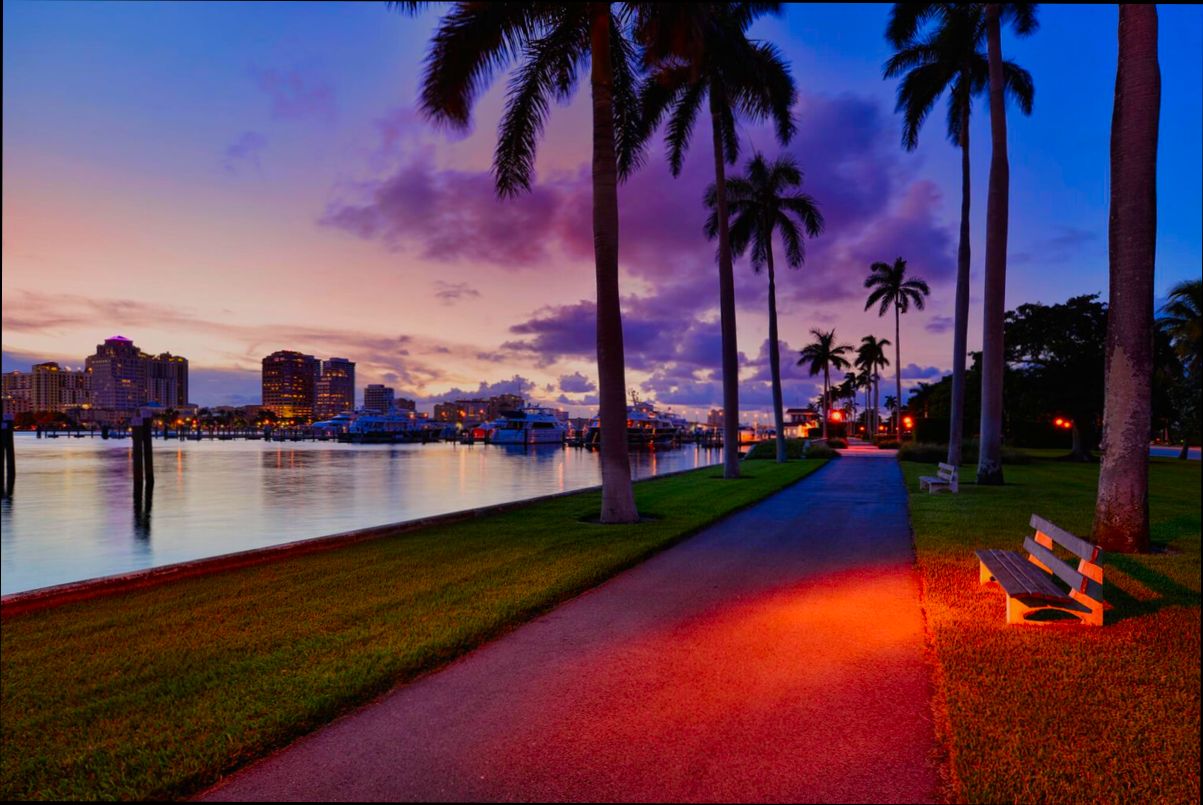
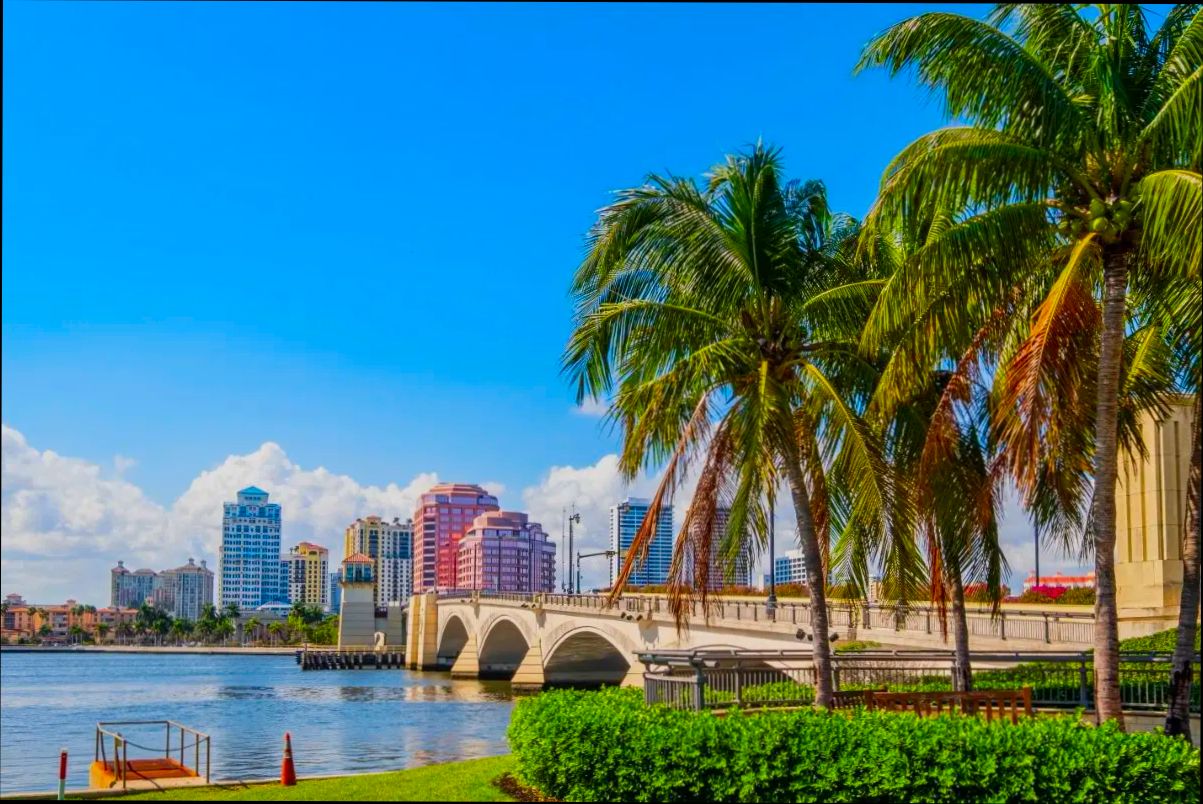
Pros and Cons of Living in West Palm Beach FL draw a picture that’s as vibrant as the city itself. Imagine waking up to sunny skies and warm temperatures almost year-round, with an average of about 237 sunny days annually—perfect for those who thrive under the sun. The beaches here, like the popular Palm Beach and Municipal Beach, offer breathtaking views and fantastic opportunities for sunbathing or surf fishing. Plus, there’s a booming art scene with more than 440 public art pieces scattered throughout the city, making every stroll feel like a mini gallery visit. On the flip side, the cost of living can be a bit of a shocker; with housing prices creeping up about 10% since last year, you might find your dream home comes with a hefty price tag.
Then there’s the question of weather. While those warm temperatures sound dreamy, summer brings humidity that can feel suffocating, with average highs around 90°F. And let’s not forget the hurricane season, which runs from June to November, leaving residents on edge each year. Public transportation is another mixed bag; while you’ll find some decent options, many locals still rely on cars, leading to heavy traffic, especially during tourist season. It’s easy to fall in love with the palm trees and ocean views, but living here comes with its own set of challenges that could sway your decision.
Cost of Living in West Palm Beach
When considering a move to West Palm Beach, understanding the cost of living is crucial. Prices can vary significantly based on housing, food, utilities, and other expenses. Let’s dive into the specific costs you might encounter.
Housing Costs
Housing is typically the most significant part of your budget in West Palm Beach. Here are some key figures:
- The average home price is around $400,000, which is about 22% higher than the national average.
- Renting can also take a big chunk out of your budget, with average monthly rents for a one-bedroom apartment reaching around $2,200.
Utilities and Transportation
Utility costs are generally manageable, but it’s good to be informed:
- The average monthly utility bill (electricity, heating, cooling, water, and garbage) is approximately $160, slightly lower than the national average.
- Transportation expenses can vary as well, with public transit slightly more limited. Gas prices in the area can hover around $3.20 per gallon, which can impact your monthly budgeting if you rely on a vehicle.
Food and Grocery Prices
Grocery prices are something to consider if you enjoy cooking at home:
- Expect to spend around 5% more for groceries compared to the national average.
- A typical meal at a mid-range restaurant can cost about $18-25 per person, so you might want to budget accordingly if you dine out frequently.
| Expense Category | Average Cost |
|---|---|
| Average Home Price | $400,000 |
| One-Bedroom Rent | $2,200/month |
| Monthly Utilities | $160/month |
| Gas Price | $3.20/gallon |
| Grocery Price Increase | 5% above average |
Real-World Examples
To give you a clearer picture, consider a young professional moving to West Palm Beach:
- If they choose to rent a one-bedroom apartment for $2,200, along with utilities of $160 and spending about $300 on groceries, their monthly expenses would hit around $2,660—not including transportation and other personal costs.
- Another example is a small family renting a three-bedroom house costing $3,000 monthly. Coupling that with utilities at $200 and groceries around $600, they would budget approximately $3,800 monthly.
Practical Implications
Understanding these costs can help you plan better. Here are some actionable insights:
- Budget Wisely: Prepare to allocate a significant portion of your income towards housing, especially if renting.
- Transportation Decisions: If you can rely on public transportation, you may save on gas and vehicle maintenance, offsetting the high rental prices.
- Find Local Deals: Shopping at local markets can help manage grocery costs, keeping that 5% increase from impacting your wallet too much.
Actionable Advice
Before moving, visit West Palm Beach and scout neighborhoods. Factor in your lifestyle preferences and prioritize areas where rental costs fit your budget. It’s essential to have a well-thought-out financial plan to comfortably enjoy all that this vibrant city has to offer. Be mindful of rising utility costs as well, as they can catch you off guard if you’re not prepared.
Climate Considerations for Residents
When you think about living in West Palm Beach, the climate is a significant factor to consider. Its tropical rainforest climate offers warm temperatures year-round but comes with some challenges. Understanding these climate aspects will help you prepare for life in this vibrant city.
Temperature and Humidity
- West Palm Beach enjoys an average annual temperature of around 75°F.
- The humidity can climb to about 74% during the summer months, making the heat feel more intense.
- High humidity can affect outdoor activities, so planning your strolls or runs during cooler parts of the day is wise.
Rainfall Patterns
- On average, West Palm Beach experiences about 63 inches of rainfall annually—well above the national average of approximately 38 inches.
- The wet season generally runs from May through October, bringing tropical storms and potential hurricanes.
- During the rainy season, rain falls on about 55% of days, making it crucial to stay informed about weather forecasts.
Storm Preparedness
- The Atlantic hurricane season runs from June 1 to November 30, and residents should prepare for the possibility of storms or hurricanes.
- It’s estimated that there is a 25% chance of a storm impacting the area during this period.
- Properly securing your home, keeping an emergency kit, and having an evacuation plan can make a significant difference.
Climate Data Comparison Table
| Climate Factor | West Palm Beach | National Average |
|---|---|---|
| Average Annual Temp | 75°F | 52°F |
| Annual Rainfall | 63 inches | 38 inches |
| Humidity (Summer) | 74% | 62% |
| Days of Rain (Wet Season) | 55% | 30% |
Real-World Examples
Many residents have shared experiences about adjusting to the climate. For instance, local marathon runners often train in the early morning or late evening to avoid the oppressive midday heat. Families living near the coastline prepare their homes with hurricane shutters before the season starts, which can save time and effort during an emergency warning.
Practical Implications
As a resident, consider investing in high-quality air conditioning systems, which are essential for comfort during the hot months. Additionally, frequent maintenance of your cooling units is vital because they can impact your energy bills significantly. Also, stay hydrated and wear breathable clothing during summer.
Additional Facts
- Utilize sunscreens to protect against higher UV levels; the area has a UV index that can reach 11 or more during summer months.
- Embrace the local flora; many homes have adapted landscaping using drought-resistant native plants, which not only thrive in the climate but also help save on water expenses.
- Be proactive in monitoring weather apps or local news stations, particularly during hurricane season, to keep informed about any developing storms.
By keeping these climate considerations in mind, you can enjoy the vibrant lifestyle that West Palm Beach offers while being well-prepared for the unique weather conditions.
Unpacking the Local Job Market
When considering a move to West Palm Beach, it’s not just about the sun and surf; understanding the local job market plays a critical role in your decision. The job landscape here is diverse, featuring a range of industries and employment opportunities that can impact your lifestyle and financial stability.
Overview of Employment Sectors
West Palm Beach has a dynamic economy primarily driven by several key sectors:
- Healthcare: With facilities like the Baptist Health Medical Group, the healthcare industry employs a significant portion of the workforce, providing excellent job security and benefits.
- Tourism and Hospitality: Given its reputation as a vacation hotspot, jobs in tourism remain abundant, particularly in hospitality roles across hotels and restaurants.
- Finance and Professional Services: The city is increasingly becoming a hub for financial services, attracting firms and professionals seeking a warm climate and business-friendly environment.
- Construction and Real Estate: The growth in residential and commercial development has spurred a demand for construction jobs, reflecting the booming real estate market.
Key Job Market Statistics
- Approximately 57% of the workforce in West Palm Beach is employed in service-oriented sectors, showcasing the city’s reliance on these vital industries.
- The unemployment rate in the area stands at a relatively low 3.5%, which is lower than the national average, indicating a robust job market.
- The average salary for positions within the healthcare sector averages around $80,000, making it one of the most lucrative fields in the region.
| Industry | Percentage of Workforce | Average Salary |
|---|---|---|
| Healthcare | 20% | $80,000 |
| Tourism and Hospitality | 25% | $40,000 |
| Finance and Professional Services | 15% | $85,000 |
| Construction and Real Estate | 10% | $50,000 |
Real-World Examples
A local resident, Jane, transitioned from a corporate job in New York City to a healthcare position in West Palm Beach. She found that not only was the salary competitive, but the quality of life and work-life balance significantly improved. Another example involves a marketing professional working in the tourism sector, who reported that the demand for skilled workers in this industry surged post-pandemic, leading to better job offers and job security.
Practical Implications for Job Seekers
If you’re considering a job move to West Palm Beach, keep these insights in mind:
- Networking is vital; engage with local professional groups or online forums specific to your industry.
- Target high-demand sectors like healthcare and tourism for greater job availability.
- Build your skills through professional development, as many employers value continuing education and certifications.
Remember to evaluate the quality of life aspects alongside salary potential and job security to make an informed decision about working in West Palm Beach. Economic trends suggest opportunities will continue to grow, especially in service-related industries, which are still recovering and expanding post-pandemic.

Cultural Attractions and Entertainment Options
West Palm Beach boasts a vibrant cultural scene and diverse entertainment options that cater to a wide range of interests. Living here means you have access to world-class venues, art installations, and engaging community events that enrich the overall quality of life.
Rich Cultural Institutions
One of the most notable attractions is the Norton Museum of Art, which showcases over 7,000 works spanning different periods and regions. Whether you’re an art aficionado or just a casual admirer, this museum offers educational programs and special exhibitions that appeal to various audiences. Did you know that about 90,000 visitors explore the museum annually?
Additionally, the Kravis Center for the Performing Arts stands as a beacon for theater lovers. It hosts around 400 performances each year, ranging from Broadway shows to ballet and concerts. With a seating capacity of approximately 2,200, it’s a prime spot to catch high-caliber performances without the crowded feel of larger cities.
Festivals and Events
West Palm Beach also embraces its vibrant local culture through numerous annual festivals that celebrate music, art, and food. Events like the SunFest, Florida’s largest music and arts festival, attract more than 100,000 attendees from across the region. Held along the waterfront, it boasts national acts, showcasing everything from rock to hip-hop.
- Here’s a quick list of some popular annual events:
- SunFest: Celebrating music and arts with over 50 acts on multiple stages.
- Clematis by Night: A free weekly concert series every Thursday evening.
- Art Walk: A monthly event where local galleries showcase new works, fostering an engaging community atmosphere.
Comparative Cultural Attraction Options
| Attraction | Type | Average Annual Visitors | Notable Events/Features |
|---|---|---|---|
| Norton Museum of Art | Museum | 90,000 | Special exhibitions and art classes |
| Kravis Center for the Arts | Performing Arts | 200,000+ | Broadway series and concerts |
| SunFest | Music Festival | 100,000+ | Multi-genre acts over several days |
| Clematis by Night | Concert Series | 20,000+ per event | Weekly local music performances |
Engaging Community Opportunities
A unique aspect of living in West Palm Beach is the interactive role residents play in cultural activities. Organizations like the Palm Beach Cultural Council promote local artists and provide grants for community projects, enhancing the cultural fabric of the area.
For instance, local artist Laura S. frequently collaborates with schools and community organizations to bring art projects to life, allowing residents to engage with art firsthand.
Practical Implications for Residents
Having access to diverse cultural attractions means you’ll likely find something that matches your interests. The arts scene here encourages participation, whether you’re attending a performance or taking part in workshops.
Public transportation options, like the Palm Tran bus service, make it accessible to reach cultural venues without the hassle of parking. So, consider using these services to experience everything from art shows to live music venues conveniently.
If you love exploring local cuisine, the West Palm Beach Food Tours offer a delicious way to discover local culinary talents while mingling with fellow food enthusiasts.
For all the cultural buffs and entertainment seekers, West Palm Beach provides a rich tapestry of opportunities that promise to keep your life enjoyable and engaging year-round.
Navigating the Housing Market Trends
Understanding the housing market trends in West Palm Beach can significantly influence your home-buying experience. With fluctuating prices, varying demand, and local market conditions, it’s essential to get a comprehensive grasp of what’s currently happening.
Current Market Dynamics
The housing market in West Palm Beach is marked by various trends that you should keep in mind:
- Competitive Market: As of recent reports, West Palm Beach is experiencing a highly competitive real estate market. Many homes receive multiple offers, resulting in quicker sales and potentially higher prices.
- Appreciation Rates: The area has seen home values appreciate by approximately 5% over the last year, making it an attractive investment. This upward trend suggests a robust demand fueled by both local and out-of-state buyers.
Housing Inventory
The availability of homes plays a crucial role in determining prices. You might find that:
- Low Inventory Levels: West Palm Beach has faced low inventory levels, with current listings being 30% lower than last year. This scarcity can drive up home prices and make the buying process more competitive.
- New Developments: To combat low inventory, builders are increasingly investing in new developments. You’ll discover several new housing projects scheduled to break ground in the coming months, which could help stabilize prices.
Comparative Housing Data
To help visualize these trends, here’s a comparison of the real estate landscape:
| Metric | West Palm Beach | National Average |
|---|---|---|
| Average Days on Market | 18 days | 30 days |
| Housing Supply | 1.5 months | 3.2 months |
| Year-over-Year Price Change | 5% | 3% |
Real-World Examples
Considering these dynamics, let’s look at a few specific case studies:
1. Example: A family recently moved to West Palm Beach and placed an offer on a three-bedroom home. Despite being listed at $450,000, they ended up paying $475,000 due to a bidding war. This illustrates the competitive nature of the market.
2. Case Study: A local investor purchased a two-bedroom condo in a new development for $300,000. Within a year, the property appreciated to $315,000. The investor attributed this increase to the growing demand for housing in the area and the influx of new residents.
Practical Implications for Buyers
As you navigate the housing market trends in West Palm Beach, consider these practical steps:
- Get Pre-Approved: Having a mortgage pre-approval can give you a competitive edge in such a hot market.
- Act Quickly: With homes selling fast, be prepared to make an offer as soon as you find the right property.
- Research Neighborhoods: Different neighborhoods can have vastly different market dynamics. Target areas that exhibit potential for growth and lower price competition.
Purchasing a home in West Palm Beach can be a rewarding venture if you stay informed about the latest trends and be proactive in your approach.
Outdoor Activities and Recreation Benefits
Living in West Palm Beach offers an impressive array of outdoor activities and recreational opportunities that can enhance your quality of life. With the beautiful South Florida landscape, residents have access to numerous parks, beaches, and natural reserves that make outdoor living both enjoyable and beneficial.
Abundant Green Spaces
West Palm Beach is home to over 55 parks covering more than 900 acres, providing ample space for a variety of activities. These parks allow residents to engage in:
- Walking and running trails
- Picnicking in lush green areas
- Participating in organized sports
Water Activities
Being near the coast means water-related activities are plentiful. Here are some engaging options:
- Boating: The Intracoastal Waterway makes it easy for residents to set sail and explore the waters.
- Fishing: West Palm Beach offers some of the best fishing spots, both inshore and offshore.
- Kayaking and Paddleboarding: Ideal conditions attract enthusiasts year-round.
Statistics show that nearly 68% of locals participate in at least one water-based activity each month, showcasing the community’s affinity for these recreational options.
Organized Community Events
Many local parks host regular outdoor events that help foster community connections and promote active lifestyles:
- Yoga in the Park: A popular weekend event, bringing together yoga enthusiasts of all skill levels.
- Outdoor Movie Nights: Family-friendly events inviting neighbors to gather and enjoy films under the stars, typically attracting hundreds of participants each session.
Comparative Table: Outdoor Activities in West Palm Beach
| Activity Type | Popular Locations | Average Monthly Participation (%) |
|---|---|---|
| Parks & Trails | Grassy Waters Preserve | 55% |
| Water Sports | Lake Worth Lagoon | 68% |
| Community Events | Howard Park | 75% |
| Sports | Dreher Park | 45% |
Real-World Examples
Consider the case of Howard Park, which hosts a vibrant farmers market every Saturday morning. This event not only allows locals to purchase fresh produce but also promotes physical activity. Many attendees walk, jog, or bike to the park, integrating fitness into their weekly routine.
In another instance, the annual Paddle Fest invites the community to participate in kayak races, with participation numbers reaching up to 200 each year. This event not only highlights the love for water activities but also raises awareness for local environmental issues.
Practical Implications
For newcomers and long-term residents alike, taking advantage of these outdoor offerings can significantly impact your mental and physical health. Engaging in regular outdoor activities can lower stress levels while promoting cardiovascular fitness and social interaction.
Specific Facts
To maximize your outdoor experience in West Palm Beach, consider joining local clubs or groups focused on specific activities such as running, cycling, or beach clean-up days. Not only will you enjoy the great weather, but you will also meet like-minded individuals who share your passion for outdoor living. With such diverse options available, there’s never been a better time to explore the benefits of outdoor recreation in your new city!
Demographics and Population Statistics
When considering relocating to West Palm Beach, it’s essential to dig into the demographics and population statistics. These insights provide a clearer picture of who lives in this vibrant city and how that might influence your experience as a resident.
Population Overview
As of the most recent census, West Palm Beach has an estimated population of around 115,000 residents. The city’s population density stands at approximately 3,000 people per square mile, creating a lively urban environment.
Age Distribution
- Median Age: The median age in West Palm Beach is about 40 years, which reflects a balance of younger and older residents.
- Age Breakdown:
- 24% are under the age of 18
- 24% are between 18 and 34
- 25% are between 35 and 54
- 27% are 55 years and older
These statistics indicate a diverse age profile, with a significant portion of the population being retirees, contributing to a unique community dynamic.
Racial and Ethnic Composition
The racial and ethnic makeup of West Palm Beach is notably diverse:
| Ethnic Group | Percentage |
|---|---|
| White | 57% |
| African American | 30% |
| Hispanic or Latino | 18% |
| Asian | 3% |
| Other | 5% |
This rich tapestry of cultures enhances social interactions and influences local traditions and experiences for everyone living in the area.
Educational Attainment
Another important aspect to consider is the education level of West Palm Beach residents:
- High School Graduate or Higher: Approximately 86% of residents have graduated high school.
- Bachelor’s Degree or Higher: About 29% of the population holds a bachelor’s degree or advanced degree.
This educational landscape may affect the job market and community engagement, making it more attractive for individuals seeking like-minded peers or community involvement opportunities.
Practical Implications for You
Understanding these demographics can help you navigate the social fabric of West Palm Beach more effectively. Whether you’re looking to connect with local groups, find a suitable neighborhood, or engage in community events, being aware of the population statistics can guide your choices.
- Networking Opportunities: With diverse age groups and educational backgrounds in the community, you might find it easier to meet people who share your interests, whether through arts, culture, or educational events.
- Tailored Services: Businesses and services in the area may cater to specific demographics, enhancing your living experience. For instance, popular recreational facilities might focus on activities that appeal to a younger crowd or family-oriented programs designed to engage children and retirees alike.
Specific Facts About Living Demographics
- The city experiences a significant seasonal population fluctuation with a high influx of snowbirds, particularly during the winter months. This seasonal change can impact everything from local events to traffic and service availability.
- West Palm Beach is also witnessing a growing trend of younger residents moving into the area, drawn by job opportunities and the vibrant arts scene, which may influence housing trends and community activities.