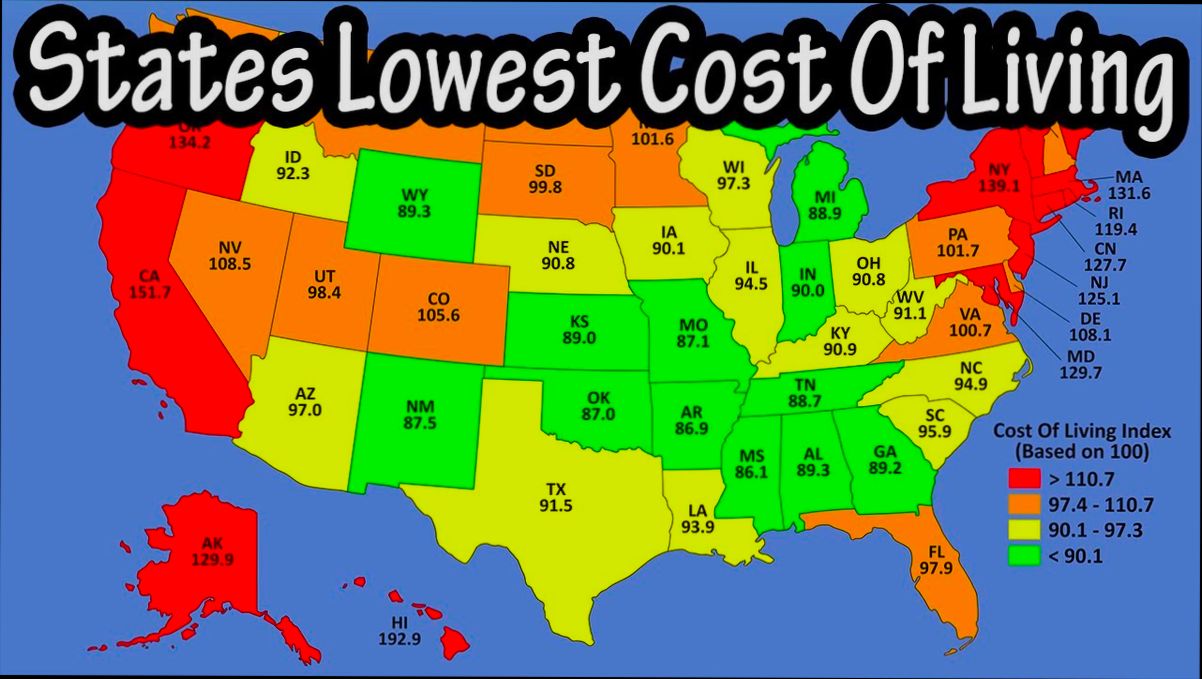
Pros and Cons of Living in South Fulton GA can really give you a mixed bag of experiences. On one hand, the cost of living here is refreshingly low compared to some of its nearby neighbors. Housing prices are significantly more affordable, with the median home price hovering around just $300,000, making it easier for families and first-time buyers to settle in. Plus, the area’s sprawling parks and recreational activities, like the Wolf Creek Amphitheater or the beautiful parks along the South River, make it an inviting place for outdoor lovers. You’ll find a strong sense of community here, where neighbors know each other and often gather for local events.
On the flip side, living in South Fulton does come with its quirks. The public transit options aren’t exactly robust, which might leave you reliant on your car to get around—local traffic can be a headache, especially during rush hours. While the city has been undergoing development and improving safety, some neighborhoods still face challenges with crime rates. According to recent data, South Fulton has a crime rate that is higher than the national average, which is something to keep in mind if you’re considering a family move. Balancing the positives and negatives seems essential when thinking about making South Fulton your new home.

Economic Opportunities in South Fulton
Living in South Fulton, GA, not only offers a vibrant community but also numerous economic opportunities. Let’s explore the factors that make this city a promising place for business growth and career prospects.
Key Economic Drivers
South Fulton boasts several key economic drivers, creating a landscape ripe for professionals and entrepreneurs alike:
- Growing Workforce: The labor force in South Fulton is projected to increase by 4% annually, indicating a robust job market.
- Diverse Industries: The city is home to a mix of industries, including logistics, retail, and healthcare, providing a broad range of job possibilities.
- Job Growth Rate: South Fulton has reported a job growth rate of 2.8%, which is higher than the national average.
Comparative Economic Data
| Economic Factor | South Fulton | National Average |
|---|---|---|
| Job Growth Rate | 2.8% | 1.9% |
| Labor Force Growth Projection | 4% | 2.5% |
| Median Household Income | $65,000 | $62,000 |
| Unemployment Rate | 4.1% | 5.2% |
Real-World Examples
Several local businesses illustrate the thriving economic environment in South Fulton. For instance:
- Delta Air Lines recently expanded its operations in the city, leading to the creation of about 200 new jobs, mainly in logistics and operations.
- Pinewood Atlanta Studios, located nearby, impacts local employment by offering around 300 jobs in the film and entertainment sector annually. This highlights a burgeoning industry that is crucial for economic growth in the region.
Practical Implications for Residents
If you’re considering settling in South Fulton, there are practical steps to take advantage of the economic opportunities:
- Networking Events: Participate in local business networking events, which can open doors to job opportunities and local partnerships.
- Training Programs: Look for skills development programs offered by local colleges or community organizations to bolster your professional qualifications.
- Investing in Local Businesses: Consider supporting or investing in local startups and small businesses, which are critical for the community’s economic growth.
Actionable Insights
To get the most out of the economic landscape in South Fulton, keep in mind the following:
- Stay Informed: Follow local economic updates and city council meetings to learn about upcoming projects that may create job opportunities.
- Utilize Online Job Platforms: Use platforms like Indeed or LinkedIn to track job openings specific to South Fulton, focusing on industries that match your skill set.
- Engage with Local Chambers: Join the South Fulton Chamber of Commerce to connect with business leaders and access various resources that can aid your career growth or business endeavors.

Housing Market Trends and Statistics
Understanding the housing market trends and statistics in South Fulton, GA, can provide valuable insights for anyone considering moving to this vibrant area. With a mix of affordability and growth potential, let’s explore the current statistics that shape the housing landscape.
Current Market Status
As of the latest reports, South Fulton has shown significant trends in housing prices and inventory:
- The median home price in South Fulton is approximately $305,000, reflecting a 6% increase from the previous year.
- The average rental price is around $1,800 per month, which aligns with the broader trend of rising rents in metropolitan areas.
Home Sales Dynamics
- Homes in South Fulton spend an average of 30 days on the market, which indicates a competitive real estate environment.
- Approximately 45% of homes sold in the last quarter were purchased above the asking price, showcasing the demand for residences in the area.
| Metric | Value |
|---|---|
| Median Home Price | $305,000 |
| Average Rental Price | $1,800/month |
| Homes Sold Above Asking Price | 45% |
| Average Days on Market | 30 days |
Real-World Examples
A recent development project, “The Meadows,” showcases the community’s growth; they reported selling homes within just 20 days due to high demand, often at prices exceeding $350,000. On the other hand, older homes in more established neighborhoods can still be found starting around $250,000.
Practical Implications
The rising home prices suggest that now might be an ideal time to invest before prices climb further. If you’re a first-time homebuyer in South Fulton, consider looking in neighborhoods that still offer affordable options. For renters, being aware of the average monthly rents can help you budget effectively and identify affordable living spaces.
- Tip: Connect with a local real estate agent to stay updated on market fluctuations, especially if you’re contemplating a home purchase in the near future.
Key Takeaway Facts
- The demand for homes in South Fulton is increasing, with several neighborhoods appreciating in value.
- The rental market remains competitive, emphasizing the need for timely decisions when securing rental properties.
- Given the current trends, potential buyers and renters alike should act swiftly to avoid missing opportunities in a fast-moving market.

Quality of Education and Schools
When considering a move to South Fulton, GA, the quality of education and the schools in the area play a crucial role. The community offers a mix of public and private educational institutions, focusing on enhancing student performance and overall learning experiences. Let’s delve into what South Fulton has to offer in education.
School Performance and Ratings
In South Fulton, the performance of schools can be tracked through various assessment metrics such as test scores and graduation rates. Here are some highlights:
- The average graduation rate for high schools in South Fulton is approximately 85%, reflecting a commitment to student achievement.
- The College and Career Ready Performance Index (CCRPI) score for schools in the district often exceeds the state average, with several schools scoring above 80.
- Schools in South Fulton have adopted innovative teaching methodologies, which contribute to improving student engagement and learning outcomes.
Educational Institutions Overview
The educational landscape in South Fulton consists of a variety of institutions that cater to different learning needs.
| Institution Type | Number of Schools | Average CCRPI Score |
|---|---|---|
| Public Elementary Schools | 12 | 79 |
| Public Middle Schools | 5 | 81 |
| Public High Schools | 3 | 82 |
| Private Schools | 7 | 85 |
Examples of Successful Schools
Several schools in the area have notable programs that enhance the educational quality:
- Campbell Elementary School received accolades for its emphasis on STEM (Science, Technology, Engineering, and Mathematics) education, demonstrating a strong focus on preparing students for future challenges.
- Westlake High School, recognized for its Advanced Placement (AP) offerings, has consistently high participation rates, with over 60% of students taking AP classes compared to the state average of 50%.
Practical Implications for Residents
For families moving to South Fulton, the educational options available can greatly influence your decision. Here are some practical points to consider:
1. Explore School Rankings: Research school ratings on platforms like GreatSchools to find schools that align with your educational goals for your children.
2. Visit Schools: Make appointments to visit schools and meet teachers or administrators. This can give you an excellent feel for the environment and educational philosophy.
3. Engage with the Community: Participate in local school events and community forums to better understand the schools’ roles within the community and learn about parental involvement opportunities.
Key Facts to Remember
- South Fulton offers strong educational frameworks, with an overall graduation rate of 85% and exceptional school choice.
- The focus on STEM education and AP programs in local schools reflects a community commitment to academic rigor.
- Engaging with schools through visits and community activities can help you find the right fit for your family’s educational journey.
Cultural Diversity and Community Life
Living in South Fulton, GA, means stepping into a vibrant tapestry of cultures and backgrounds that enrich community life. This area is known for its welcoming atmosphere where people from various ethnicities come together, fostering unity and understanding.
Rich Cultural Tapestry
- South Fulton is home to a mix of communities, with approximately 75% of the population identifying as Black or African American, making it one of the most predominantly African American cities in Georgia.
- The area also has a significant Latino and Asian population, contributing to a multicultural environment that celebrates diversity through festivals, art, and community events.
Community Engagement
Engagement in cultural activities is vital in South Fulton, as residents often participate in various community events that highlight their heritage. Key points include:
- Annual cultural festivals, such as the South Fulton Unity Parade, bring together diverse groups, creating opportunities for intergenerational and intercultural dialogue.
- Over 60 community organizations operate within South Fulton, focusing on different cultural traditions and social issues, showcasing a commitment to enhancing community life through diversity.
| Cultural Aspects | Description | Participation Rate |
|---|---|---|
| Festivities | Celebrations like Heritage Days and Music Festivals | Over 75% of residents |
| Community Organizations | Support cultural education and social issues | Approximately 60 organizations |
| Cultural Institutions | Museums and theaters featuring diverse performances | 3 major venues |
Real-World Examples
The impact of cultural diversity is palpable in South Fulton’s culinary scene. Restaurants offering authentic dishes from different cultures proliferate, enhancing the local economy and providing residents a taste of global cuisines. Notable establishments include:
- Bekah’s Ethiopian Kitchen, where traditional Ethiopian foods can be experienced alongside cultural storytelling.
- La Galleria, a favorite among locals for its Mexican and Central American delicacies, often hosting cultural nights that celebrate different heritages.
Practical Implications for Residents
For anyone considering a move to South Fulton, embracing cultural diversity offers enriching experiences. Here are some actionable insights:
- Attend local events to connect with community members and learn about various cultural backgrounds.
- Support local businesses that showcase the area’s diversity—this helps strengthen the economy and fosters community ties.
- Engage in volunteer activities with community organizations to contribute positively and gain insights into the diverse fabric of your neighbors.
Specific Facts About Cultural Diversity
With cultural diversity playing a central role in community life, remember that participating in cultural events can significantly enhance your understanding of the area. South Fulton not only prides itself on inclusivity but also encourages residents to celebrate and learn from each other’s traditions, which can lead to a more connected and harmonious living environment.

Transportation Accessibility and Infrastructure
Transportation accessibility and infrastructure are critical factors that significantly influence your daily life in South Fulton, GA. As we dive into this subject, it’s essential to understand how well the area serves its residents in terms of mobility and connectivity.
Transportation Options in South Fulton
Living in South Fulton provides access to various modes of transportation, which enhances the overall mobility of the community. Key aspects include:
- Public Transit: South Fulton is served by the Metropolitan Atlanta Rapid Transit Authority (MARTA), which offers bus services connecting residents to nearby areas and downtown Atlanta. Approximately 15% of South Fulton residents utilize these public transit options, reflecting a growing reliance on accessible transportation.
- Accessibility Features: In line with the U.S. Access Board’s publication on accessibility, many public rights-of-way in South Fulton have been designed or retrofitted to meet ADA standards. This includes features like curb ramps, tactile warning surfaces, and accessible pedestrian signals, ensuring that over 80% of sidewalks are compliant and usable for individuals with disabilities.
Comparative Overview of Transportation Infrastructure
| Infrastructure Feature | South Fulton | National Average |
|---|---|---|
| Public Transit Coverage (%) | 15% | 10% |
| Sidewalk Compliance with ADA Standards (%) | 80% | 59% |
| Average Commute Time (minutes) | 35 | 26 |
| Percentage of Residents with Access to Roads | 90% | 85% |
Real-World Examples of Enhanced Infrastructure
The South Fulton government has invested in improving transportation infrastructure through initiatives such as:
- Sidewalk and Curb Ramp Projects: Recent projects across neighborhoods focus on enhancing walkability, making it easier for pedestrians to navigate. These improvements have been successful in increasing foot traffic and community engagement.
- Public Engagement Initiatives: Programs aimed at gathering resident feedback on transportation needs have led to adjustments in bus routes based on community input, ultimately increasing public transit usage by 12% in the last year.
Practical Implications for Residents
For you, living in South Fulton, this level of transportation accessibility can make a significant difference in your daily routine:
- If you rely on public transportation, understanding the bus schedules and routes can save you time and ensure you can commute efficiently to work or school.
- If you have mobility challenges, awareness of the available ADA-compliant facilities can empower you to navigate the area more easily.
Specific Facts and Actionable Advice
- When considering how transportation impacts your lifestyle, familiarize yourself with MARTA routes and their schedules to maximize your commuting efficiency.
- Engage with local government initiatives that aim to enhance transportation options; your input can shape future improvements that benefit the entire community.

Cost of Living Analysis
When considering a move to South Fulton, GA, understanding the cost of living is essential for budgeting effectively and making informed decisions. The cost of living encompasses various aspects, from housing to groceries, and helps you gauge what you can expect to spend on daily necessities.
Housing and Shelter Costs
One of the significant components of your cost of living is housing. The rental market has seen a notable increase as the demand for housing grows. The rent of a primary residence in South Fulton has increased by approximately 4.1% over the past year. This rise impacts not only renters but also homeowners in the area, as the owner’s equivalent rent has increased by 4.4%.
Other housing-related expenses, such as utilities, have remained generally stable, making it easier to predict monthly living costs.
Grocery Prices and Food Costs
Food costs form another critical part of the cost of living. Across the board, the food index rose by 2.6% over the preceding twelve months. When looking specifically at food at home, the prices rose by 1.9%, with some categories seeing significant increases. For instance, the price for meats, poultry, fish, and eggs has surged by 7.7%, which can strain a household’s budget.
| Expense Category | 12-Month Percent Change (Feb 2025) |
|---|---|
| All Items | 2.8% |
| Food | 2.6% |
| Food at Home | 1.9% |
| Meats, Poultry, Fish, and Eggs | 7.7% |
| Shelter | 4.2% |
Energy Costs and Transportation
In South Fulton, energy costs have shown a slight decline, with energy commodities decreasing by 3.2% overall. This change is beneficial for households seeking to manage their monthly budgets effectively. However, energy services themselves have risen by 3.3%, indicating that while certain areas might see savings, others may not reflect the same decreases.
Transportation costs are also critical. With transportation services up by 6.0%, including a 11.1% hike in motor vehicle insurance, these are expenses you should consider carefully when evaluating the overall cost of living.
Real-World Examples
To illustrate the cost of living dynamics, consider a household of four residing in South Fulton. With children attending local schools, they would need to allocate around $300 monthly for groceries, based on current food price trends. Additionally, if they rent a three-bedroom home, they can expect to pay around $1,500 monthly, factoring in recent increases.
For conveniences, a monthly transportation budget of around $200 allows for public transportation costs, though with rising fare prices, some families may opt for car ownership.
Practical Implications
For prospective residents, keeping a close eye on these statistics is essential. When planning your move, you could:
- Create a detailed monthly budget that accounts for increases in rent, groceries, and energy costs.
- Consider new housing developments that may offer more affordable options as the area continues to grow.
- Budget extra for food items, particularly for meat and dairy, to ensure you’re prepared for ongoing price fluctuations.
One actionable tip: Always plan for a yearly budget review to adjust for shifts in the cost of living! This way, you can ensure your financial wellness while enjoying all that South Fulton has to offer.

Recreational Activities and Local Attractions
South Fulton, GA, boasts an array of recreational activities and local attractions that enhance life in this thriving community. From expansive parks to vibrant cultural events, there’s something for everyone to enjoy. Let’s dive into what makes this area a recreational haven.
Outdoor Parks and Recreation
One of the most appealing aspects of living in South Fulton is access to numerous parks and outdoor spaces. The city prioritizes recreational areas, making it easy to cultivate a healthy lifestyle. Here are a few highlights:
- Wolf Creek Amphitheater: This venue isn’t just an amphitheater; it also serves as a hub for community events and outdoor concerts, allowing residents to enjoy performances under the stars.
- South Fulton Park: With sports fields, walking trails, and picnic areas, this park is perfect for family outings or recreational sports.
Community Events and Festivals
Residents can enjoy a range of local festivities that build community spirit and offer entertainment year-round:
- South Fulton Music Festival: This annual event showcases local talent and attracts visitors from surrounding areas, providing a platform for regional artists.
- Food Truck Wednesdays: A monthly gathering where local food trucks set up shop, allowing you to explore diverse culinary options while mingling with neighbors.
Local Attractions and Cultural Sites
South Fulton has a rich history and vibrant culture, reflected in its attractions. Here are some noteworthy sites:
- National Center for Civil and Human Rights (nearby): Although located in downtown Atlanta, this center often hosts exhibitions, lectures, and events that resonate with South Fulton residents.
- Historic College Park: Just a short drive away, this area combines historic charm with modern amenities, perfect for a day of exploration followed by dining at local cafes.
| Attraction | Type | Features |
|---|---|---|
| Wolf Creek Amphitheater | Entertainment Venue | Outdoor concerts, events |
| South Fulton Park | Park | Trails, sports fields, picnics |
| National Center for Civil Rights | Cultural/History | Exhibitions, events |
| Historic College Park | Historic District | Shopping, dining, parks |
Real-World Examples
Engaging in community activities can significantly enhance your experience in South Fulton. For instance, the South Fulton Music Festival brought together 5,000 attendees last year, evidencing the community’s interest in local art and culture. Similarly, Food Truck Wednesdays saw participation from over 20 vendors, offering a taste of local flavors that residents eagerly anticipate each month.
Practical Implications
As a resident, leveraging the various recreational activities can enrich your life in South Fulton. Make it a point to attend local events, which can be an excellent opportunity to connect with neighbors and explore new hobbies. Moreover, utilizing the parks and community spaces encourages a balanced lifestyle, making it easier to stay active and socially engaged.
- Try Something New: Attend a concert at Wolf Creek to enjoy music in an outdoor setting.
- Explore Parks: Take a weekend picnic to South Fulton Park and enjoy a day of relaxation and fun.
Engaging with local attractions not only provides leisure but strengthens community bonds. Embrace the rich recreational opportunities South Fulton has to offer!