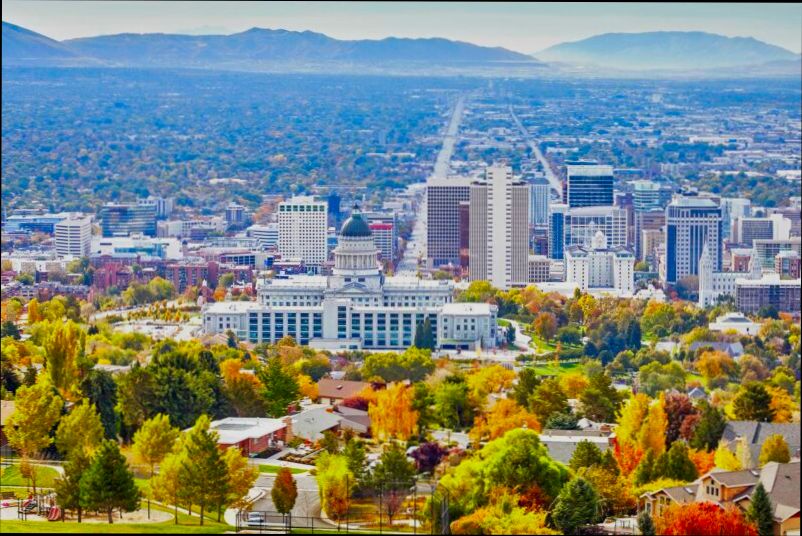
Pros and Cons of Living in Salt Lake City UT offer a mixed bag of experiences that can really shape your life here. On one hand, you’ve got access to stunning outdoor activities right at your doorstep. With the Wasatch Mountains just a short drive away, you can hit the slopes in winter for some epic skiing at places like Park City or enjoy amazing hiking trails in the summer, like the picturesque Angels Landing in nearby Zion National Park. Plus, the state boasts a booming job market, driven largely by its tech sector and a relatively low unemployment rate of around 2.5%.
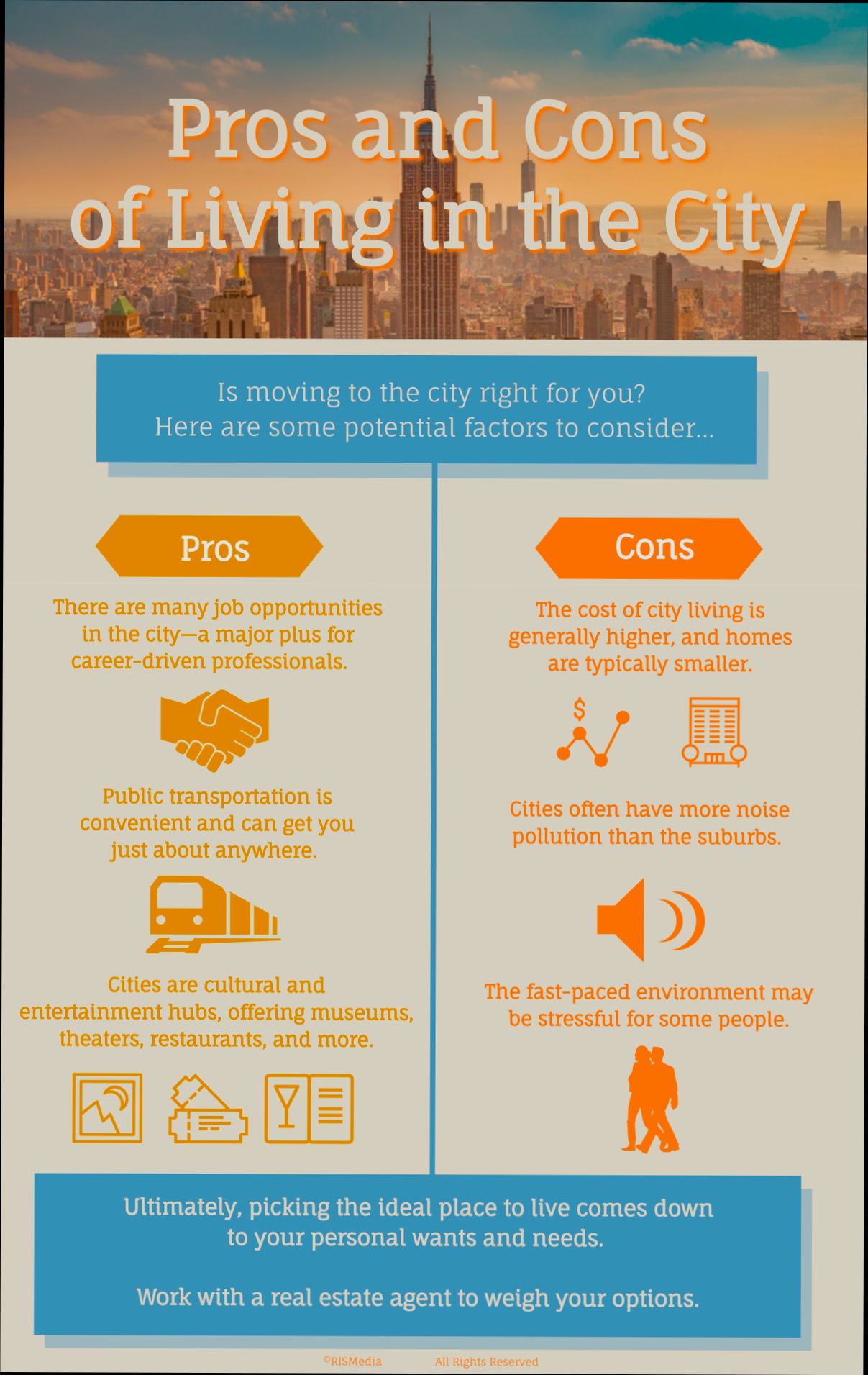
But let’s not gloss over the challenges. The cost of living has been on the rise; you’ll find that housing prices have surged, with the median home price hovering around $550,000. This can make it tough for newcomers, especially those trying to break into the housing market. Additionally, the city has experienced rapid growth, leading to traffic congestion that can turn your commute into a slog, especially during rush hour. These factors definitely play a role in your overall experience living here, creating a balancing act of pros and cons that can make life in Salt Lake both exciting and frustrating.
Cost of Living Analysis in Salt Lake City
Understanding the cost of living in Salt Lake City is crucial for anyone considering making this beautiful city their home. From housing to groceries, various factors affect your budget. Let’s dive into some specific data and insights to help you navigate your financial planning in Salt Lake City.
Housing Costs
When it comes to housing, Salt Lake City’s median home price has seen notable trends. As of the latest data, the median home price is around $550,000, which has increased by approximately 10% over the past year. Renting, on the other hand, can cost you about $1,700 for a one-bedroom apartment within the city center. Here’s a quick breakdown of average rents across different neighborhoods:
| Neighborhood | Average Rent (1-BR) |
|---|---|
| Downtown | $1,800 |
| Sugar House | $1,650 |
| West Valley City | $1,500 |
| Millcreek | $1,600 |
Utility Costs
Utilities can add a significant amount to your monthly expenses. In Salt Lake City, the average monthly utility cost, including electricity, heating, water, and garbage, is approximately $150 for a small apartment. If you’re planning to move here, consider these estimates:
- Electricity: $90/month
- Heating: $50/month (varies seasonally)
- Water and Garbage: $10/month
Grocery Prices
Grocery prices are another important aspect of your budget. You can expect to spend about 10% more than the national average for groceries in Salt Lake City. Here’s a quick look at some typical grocery prices:
- Milk (1 gallon): $3.50
- Bread (loaf): $2.50
- Eggs (dozen): $3.00
- Chicken (1 lb): $4.00
- Apples (1 lb): $1.50
Transportation Expenses
While owning a car has its own costs, Salt Lake City has a decent public transportation system that can save you money. A monthly pass for public transport is around $80. If you choose to drive, the average price of gas is approximately $4.00 per gallon.
Impact on Budget
Given that housing typically takes up about 30% of one’s income, let’s consider how these costs stack up. If you are earning a median income of around $70,000 annually, your post-tax monthly income would be approximately $4,200. Based on that, here’s how your budget might look:
- Housing: $1,700 (40% of income)
- Utilities: $150 (3.5% of income)
- Groceries: $350 (8.5% of income)
- Transportation: $250 (6% of income)
This breakdown shows that living comfortably in Salt Lake City might require adjustments if you prefer a more affordable lifestyle.
Real-World Insights
I spoke with a local family of four who recently relocated to Salt Lake City. They emphasized that while the housing costs were higher than their previous city, they managed to save on transportation because of their proximity to public transit. They highlighted the benefits of living in a walkable neighborhood, reducing their overall vehicle expenses.
Actionable Advice
When planning your move, take a close look at your potential income versus the costs outlined above. Consider:
- Searching for housing outside the city center to reduce rent.
- Utilizing public transport to save on gas and car maintenance.
- Budgeting for grocery expenses, keeping in mind the higher-than-average prices.
Incorporating these elements into your financial planning will help you get a clearer picture of what living in Salt Lake City entails.
Exploring Outdoor Recreation Opportunities
If you love the great outdoors, living in Salt Lake City opens up a world of adventure practically at your doorstep. With numerous parks, mountains, and recreational areas, the city caters to both the adventurous spirit and those who simply want to enjoy nature.
Abundance of Recreational Areas
Salt Lake City is surrounded by stunning natural landscapes that provide an array of outdoor activities. Did you know that the Wasatch Mountains, just minutes from downtown, offer over 1,000 miles of hiking trails? Whether you’re a beginner hiker or an experienced mountaineer, there’s something for everyone.
- Popular Activities:
- Hiking and backpacking
- Mountain biking
- Rock climbing
- Snow sports during winter months
Easy Access to National and State Parks
Salt Lake City’s proximity to several national and state parks makes it an incredible location for nature enthusiasts. Here are just a few parks within a few hours’ drive:
| Park | Distance from Salt Lake City | Notable Features |
|---|---|---|
| Zion National Park | 4 hours | Iconic red cliffs |
| Arches National Park | 4.5 hours | Stunning natural arches |
| Antelope Island State Park | 1 hour | Unique wildlife viewing |
Each park offers diverse ecosystems and opportunities for exploration, ensuring that weekend getaways are both exciting and rejuvenating.
Local Outdoor Events and Activities
Salt Lake City hosts various outdoor events throughout the year that promote community engagement and a love for nature. Activities range from organized hikes, mountain biking races, and winter sports festivals, encouraging residents to connect with each other and the great outdoors.
- Notable Events Include:
- The Tour of Utah (cycling event)
- Salt Lake City Marathon
- Various outdoor gear expos and workshops
Year-round Activities
The recreational opportunities in Salt Lake City aren’t limited by seasons. In winter, you can hit the slopes at world-renowned ski resorts like Snowbird and Alta, which attract skiers and snowboarders alike. With an average of 500 inches of snow annually, these resorts cater to various skill levels and preferences.
Community Resources
Many local organizations and community groups offer classes, meetups, and guided tours, making it easier for newcomers to participate in outdoor activities. Staying connected with these groups can help you maximize your outdoor experiences while meeting like-minded individuals.
- Local Organizations to Follow:
- The Salt Lake Climbers Alliance
- Explore Utah’s Outdoors
- The Utah Mountain Biking Association
Actionable Insights
- If you’re new to hiking or biking, consider joining a local club for guided experiences tailored to different skill levels.
- Always check the snow or trail reports for the latest conditions before heading out to ensure a safe adventure.
- Invest in a good pair of hiking boots and gear for year-round comfort as you explore various area trails and slopes.
Salt Lake City’s location and commitment to outdoor recreation afford you incredible opportunities to immerse yourself in nature, no matter the time of year. Don’t miss out on the chance to experience the beauty and adventure that surrounds you!

Cultural Diversity and Community Life
Cultural diversity in Salt Lake City adds an enriching layer to community life, making it a vibrant place to live. Its mix of ethnicities, languages, and traditions creates a unique tapestry that fosters creativity and connections among residents. In this section, we’ll explore how this diversity enhances community life and share practical insights for engaging with various cultures.
The Diversity Landscape
Salt Lake City has been steadily embracing cultural diversity, which enhances the richness of community interactions. Let’s look at some key data points illustrating this diversity:
- Approximately 25% of Salt Lake City’s population identifies as minorities, contributing to a wide variety of cultural expressions.
- The city celebrates numerous cultural events throughout the year reflecting its diverse community, including the Utah Arts Festival, showcasing talents from various ethnic backgrounds.
- Languages spoken include not only English, but also Spanish, Somali, and Mandarin, among others, emphasizing the city’s multilingual makeup.
Cultural Expressions Table
| Aspect | Details |
|---|---|
| Languages Spoken | English, Spanish, Somali, Mandarin, etc. |
| Major Religions | Christianity, Islam, Buddhism, Hinduism |
| Cultural Festivals | Utah Arts Festival, Diwali celebrations, and Cinco de Mayo events |
| Cuisines Available | A range from local fare to Ethiopian, Thai, and Mediterranean dishes |
Real-World Examples
One notable example of cultural diversity in action is the Salt Lake City International Festival. This annual event features music, dance, and culinary experiences from around the globe, allowing residents to connect and appreciate different cultures. It creates a space for individuals to share their heritage and learn from one another, strengthening community ties.
Another fantastic example is the growing number of ethnic restaurants. Areas like Sugar House and Downtown now boast eateries serving authentic dishes from various corners of the world, from traditional Mexican tacos to delectable Vietnamese pho. This culinary showdown enriches the local food scene and fosters social interactions among diverse groups.
Practical Implications for Residents
Engaging with cultural diversity can enhance your social life and broaden your perspective. Here are a few actionable tips:
- Attend local cultural events to experience and celebrate communities other than your own.
- Explore diverse neighborhoods to enjoy different cuisines and meet people from varied backgrounds.
- Learn a new language or participate in cultural workshops, such as cooking classes or dance lessons, to deepen your understanding of different customs.
Actionable Insights
- Connect on Social Media: Join local Facebook groups or community forums that focus on multicultural activities and events.
- Volunteer: Get involved with organizations that serve various communities, which can provide valuable opportunities to learn about others’ experiences.
- Participate in Local Government: Attend city council meetings or community boards where diverse voices are discussed, crafting policies that benefit all groups.
Embracing cultural diversity in Salt Lake City not only enriches individual lives but also strengthens the overall community fabric. Whether by sharing a meal, attending a festival, or learning from your neighbors, you can contribute to this vibrant and evolving cultural landscape.
Climate Considerations for Residents
Living in Salt Lake City brings unique climate considerations that can significantly impact your daily life. With its distinctive four seasons, being aware of the local weather patterns is essential for your comfort and activities throughout the year.
Seasonal Variations
Salt Lake City’s climate features distinct seasonal variations. Here’s a brief overview:
- Winter: Cold and snowy, with average temperatures hovering around 30°F. Snow cover can last from late November to early March, providing opportunities for winter sports.
- Spring: Mild temperatures range from 40°F to 70°F, making it a popular time for outdoor activities as nature comes back to life.
- Summer: Hot and dry, with temperatures often soaring above 90°F. The low humidity helps to make this heat more bearable, although you’ll want to stay hydrated.
- Fall: Cooler temperatures around 60°F to 70°F, with stunning foliage as trees change colors, perfect for outdoor exploration.
Precipitation Patterns
Salt Lake City has an average annual precipitation of about 14 inches, primarily falling during the spring and early summer months. Understanding these patterns can help you plan activities and maintain your home.
| Season | Average Temperature | Average Precipitation | Snowfall |
|---|---|---|---|
| Winter | 30°F | 2-3 inches/month | 60 inches |
| Spring | 50°F | 2-4 inches/month | Minimal |
| Summer | 85°F | 1-2 inches/month | None |
| Fall | 55°F | 1-2 inches/month | Minimal |
Air Quality Considerations
Air quality is also a significant factor to consider in Salt Lake City. Due to its valley geography, the city experiences inversion weather patterns, especially in winter, which can trap air pollutants and lead to decreased air quality for days at a time. This is particularly important for individuals with respiratory conditions or those who engage in outdoor activities. Keep an eye on daily air quality reports, especially from November to February, when inversions are more common.
Real-World Examples
Residents often adapt their lives based on these climate realities. For instance, local community groups frequently organize events during the spring and fall to take advantage of the favorable weather, while the winter seems to invigorate the ski and snowboarding cultures in the area. Many people invest in air purifiers for their homes in winter to combat the poorer air quality during inversions.
Practical Implications
Being mindful of Salt Lake City’s climate allows you to better prepare for living here. For summer heat, consider:
- Hydration: Always carry water during outdoor activities.
- Sunscreen and Protective Clothing: Protect your skin during prolonged exposure.
In winter, investing in a good-quality snow shovel and winter tires for your vehicle will make a world of difference.
Furthermore, staying informed about local weather forecasts can help you avoid surprises, especially during seasonal transitions when conditions can change rapidly.

Public Transportation Accessibility and Efficiency
Public transportation in Salt Lake City is not only accessible but also provides an efficient means of commuting for residents. Understanding how this system works can significantly enhance your daily life if you choose to live here.
Accessing the System
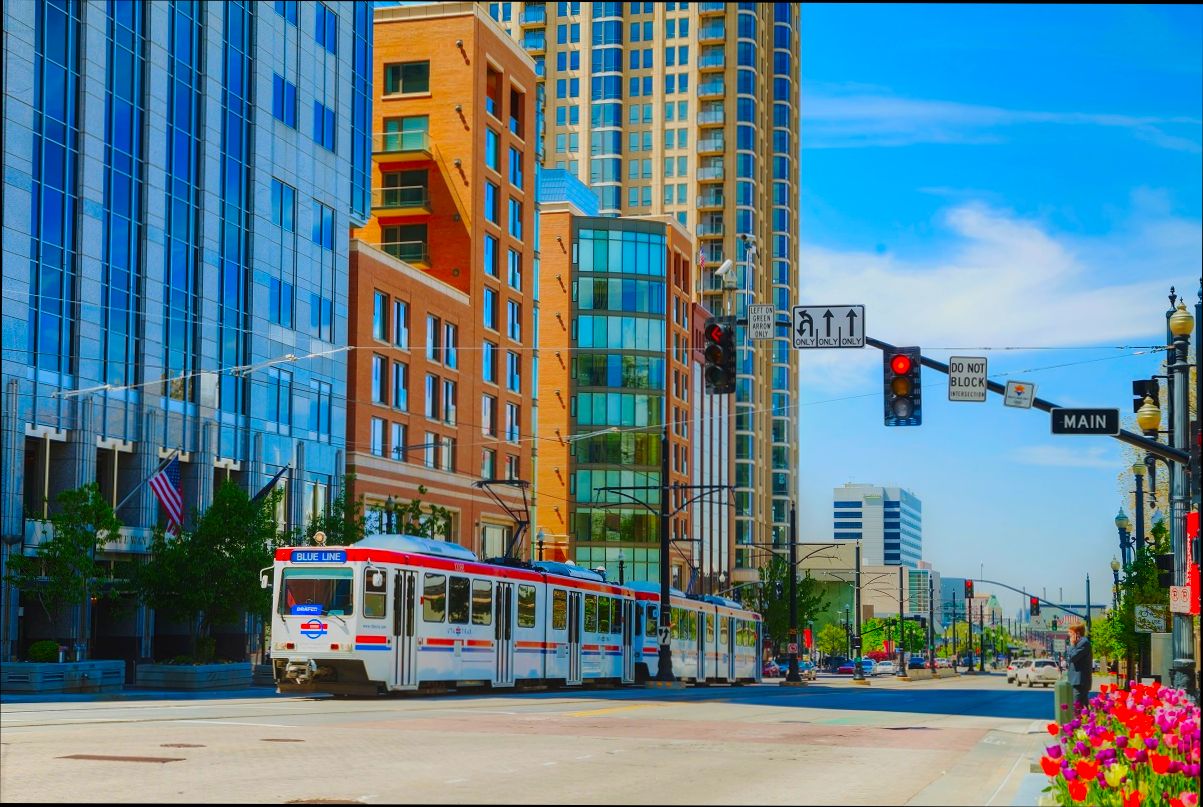
Salt Lake City’s public transportation is largely managed by the Utah Transit Authority (UTA), which operates a comprehensive network of buses and light rail lines. Here are some key points regarding accessibility and efficiency:
- The TRAX light rail system has three main lines that connect downtown to several suburbs, making it easy for residents to navigate without a car.
- Approximately 70% of the city is within a 10-minute walk of a UTA bus or TRAX stop, providing substantial coverage across urban and suburban areas.
- Buses operate on a frequency of every 15 to 30 minutes on main routes during peak hours, ensuring that you won’t have to wait long for your ride.
Public Transportation Efficiency Metrics
Salt Lake City’s public transit efficiency is evident through various metrics. Here is a comparative table that illustrates key elements:
| Metric | Value |
|---|---|
| Average Daily Ridership | 57,000 passengers |
| On-Time Performance | 90% of buses and trains arrive on schedule |
| Fleet Age | 5 years (average for buses) |
Real-World Usage
When you look at real-world examples, it becomes clear how effective public transportation is in Salt Lake City.
- Case Study: Commuting – Many residents working in downtown use TRAX to avoid traffic congestion. A survey indicated that those using light rail save an average of 30% in travel time compared to driving during rush hours.
- Community Events – During events like the Sundance Film Festival, UTA increases service frequency, which allows thousands of attendees to travel efficiently without the hassles of parking at crowded venues.
Practical Implications for Residents
For anyone considering living here, taking advantage of public transportation can lead to significant savings:
- By relying on UTA buses and TRAX, you can potentially save over $10,000 per year compared to owning a car, factoring in insurance, maintenance, and gas expenses.
- Utilize the UTA app to track real-time bus and train schedules, helping you plan your day around public transit seamlessly.
Actionable Tips for Using Public Transport Effectively
- Get a monthly pass: If you plan on using public transport frequently, buying a monthly pass can save you money and give you unlimited trips.
- Explore park-and-ride facilities: These locations allow you to drive to a UTA stop and take public transit into the city, which is particularly useful during peak traffic times.
With public transportation being well-integrated into Salt Lake City’s urban framework, residents can enjoy a cost-effective, efficient alternative to driving. The transit system not only supports daily commutes but also increases accessibility to various areas and events throughout the city.
Employment Landscape and Economic Growth
The employment landscape in Salt Lake City is marked by a growing economy that reflects broader national trends and local characteristics. As we explore this growth, you’ll see how job availability and industry demands shape the city’s economic environment, impacting your potential career path.
Current Employment Dynamics
Salt Lake City’s labor market shines particularly in industries like technology, healthcare, and manufacturing. While many sectors thrive, challenges persist, with close to 55% of unfilled roles occurring in manufacturing and 45% in leisure sectors. This disparity highlights a robust demand for workers, but it also indicates skill mismatches in the labor market.
Economic Growth Projections
With an anticipated growth of 6.7 million jobs nationwide from 2023 to 2033, Salt Lake City aligns with this trend. The city’s unique position is bolstered by the rapid expansion of the healthcare and social assistance sectors, which are expected to drive significant new employment opportunities. As businesses adapt to technological advancements, Salt Lake City’s economy benefits from the Fourth Industrial Revolution, increasing the need for skilled workers in various fields.
Job Availability Table
| Industry Sector | Projected Job Growth (2023-2033) | Current Unfilled Roles (%) |
|---|---|---|
| Healthcare and Social Assistance | High | 20% |
| Technology | Moderate | 30% |
| Manufacturing | Low | 55% |
| Leisure and Hospitality | Moderate | 45% |
Real-World Applications
Let’s look at a few local examples demonstrating Salt Lake City’s employment landscape:
- Healthcare Sector: The demand for healthcare professionals continues to soar. With mental health needs on the rise, local hospitals and clinics are actively recruiting, leading to job stability and growth potential.
- Technology Boom: Salt Lake City’s tech industry, sometimes referred to as “Silicon Slopes,” has seen an influx of startups and established companies alike. Many local tech firms report difficulties in filling positions because of a lack of qualified candidates, emphasizing the necessity for targeted skill development.
Practical Implications
For residents and newcomers, understanding the employment landscape can significantly influence job-seeking strategies. Engaging in local workforce development programs or pursuing certifications in high-demand areas like technology and healthcare can enhance your employability. Networking within these thriving sectors can also open doors to opportunities that might not be publicly advertised.
Actionable Insights
To navigate Salt Lake City’s evolving job market:
- Research Local Industries: Focus on high-growth sectors to tailor your job search and skills training.
- Upskill: Consider online courses or community college programs to meet the needs of industries with labor shortages.
- Connect with Local Employers: Attend job fairs and networking events to build relationships with companies looking for talent.
By being proactive in these areas, you position yourself for success within Salt Lake City’s vibrant economy.
Quality of Education and Schooling Options
When considering a move to Salt Lake City, the quality of education and available schooling options are often at the forefront of decision-making. Whether you have school-age children or are planning for the future, understanding the educational landscape can guide your choices about where to live and work in the area.
Public and Private School Options
In Salt Lake City, you’ll find a diverse mix of public and private schools that cater to a variety of educational needs. The Salt Lake City School District serves over 24,000 students and includes schools that boast high ratings. For instance, some schools have achieved a 90% proficiency rate on standardized tests, making them competitive with national averages.
Here’s a quick look at some notable school options in the city:
| School Type | Name | Rating |
|---|---|---|
| Public School | East High School | 8/10 |
| Private School | Rowland Hall | 9/10 |
| Charter School | Hoffman’s Academy | 7/10 |
| Public Magnet School | Salt Lake Arts Academy | 10/10 |
District Performance
The performance of different school districts can vary significantly. For example, the Canyons School District, which serves areas south of Salt Lake City, ranks higher than the state average in several academic performance metrics—over 85% of students in this district graduate on time. This statistic reflects a strong commitment to student achievement and effective teaching methodologies.
Higher Education Institutions
Beyond K-12 education, Salt Lake City is home to several universities and colleges that enhance the educational environment. The University of Utah is a major research university recognized for its contributions in fields such as healthcare, engineering, and business. It attracts over 30,000 students, providing a vibrant college town atmosphere in the heart of the city.
Case Studies: Real School Performance
To illustrate the commitment to quality education, consider the example of Granger High School, which has successfully implemented programs that decreased dropout rates by 20% in just three years. Their focus on individualized support for struggling students directly impacts retention and success rates, making it a model for other schools in the area.
Practical Insights for Families
If you’re moving to Salt Lake City with children or planning for future education needs, it’s essential to:
- Research the school district ratings in your prospective neighborhood.
- Visit schools to get a feel for the environment and teaching styles.
- Consider transportation options for commuting to school, especially in terms of accessibility to public transportation for high schoolers.
Understanding the local educational landscape will empower you to make informed decisions for you and your family. The commitment to quality education in Salt Lake City provides ample options that meet various academic needs and preferences.