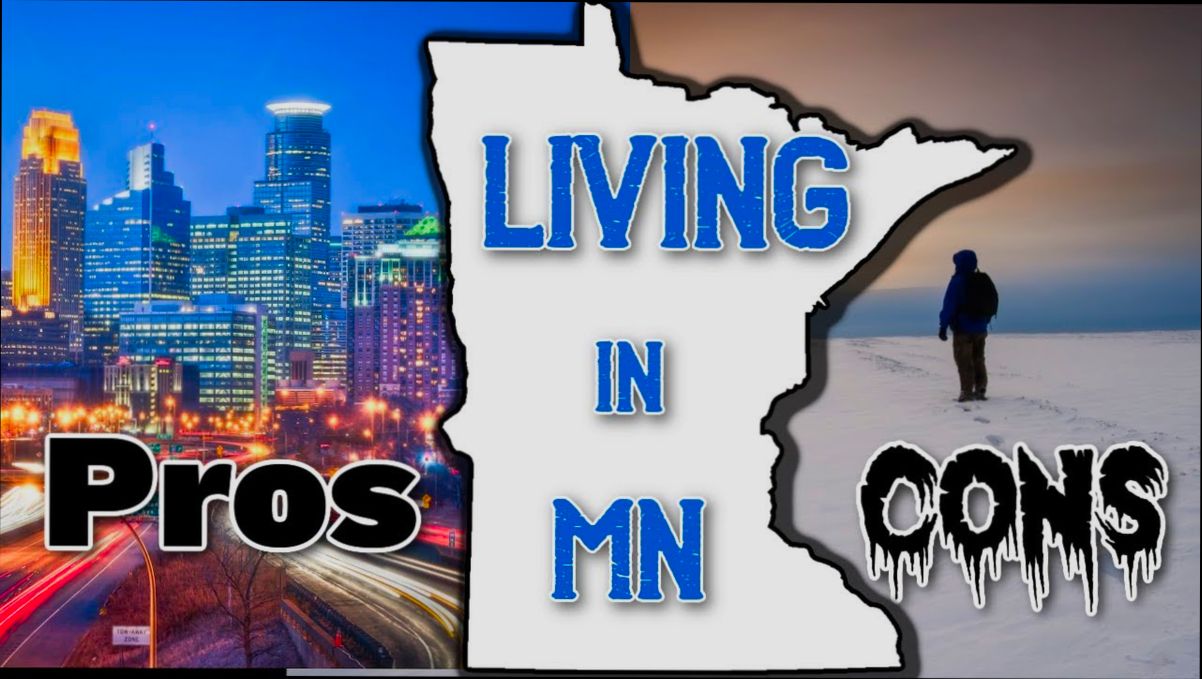
Pros and Cons of Living in Saint Paul MN really come down to what you’re looking for in a hometown. On the plus side, this city boasts a thriving cultural scene, with events like the annual Minnesota State Fair drawing over 2 million visitors. You can stroll through the beautiful Summit Avenue and check out the largest collection of Victorian-era homes in the U.S., or chill at one of the city’s many parks, like the stunning Como Park Zoo and Conservatory, which is actually free! Plus, with a median home price hovering around $300,000, it’s a bit easier on the wallet compared to neighboring cities like Minneapolis, making homeownership more accessible.
On the flip side, winters here can feel downright brutal, with temperatures often plunging below zero and snow accumulation that can really test your patience. You’re also looking at a city with a moderate job market; while opportunities exist, especially in healthcare and education, unemployment rates can spike, depending on the economic climate. And let’s not ignore the notorious traffic congestion during rush hours—it can take a good chunk of your day if you’re commuting! So, while Saint Paul has plenty to offer, it’s not all sunshine and roses.
Cost of Living and Housing Analysis
When considering a move to Saint Paul, MN, understanding the cost of living and housing market is crucial. It will help you assess whether this vibrant city fits within your budget and lifestyle. Let’s dive deeper into the specifics of living expenses and where you might land in the housing market.
Cost of Living Overview
The overall cost of living in Saint Paul sits approximately 4% below the national average. This figure can vary widely based on specific lifestyle choices, including shopping, transportation, and housing.
- Grocery prices are about 2% below the national average, making it easier for residents to manage their food budgets.
- Transportation may cost you around 11% less compared to other urban areas, providing savings for those who commute.
Housing Costs
Housing represents a major part of your monthly expenses. The median home price in Saint Paul is roughly $274,000, significantly lower than the average home price in nearby Minneapolis, which is about $330,000. Renters also enjoy relatively affordable options, with average monthly rents for a one-bedroom apartment around $1,200.
| Housing Type | Median Price | Average Rent (per Month) |
|---|---|---|
| Single-family home | $274,000 | N/A |
| Two-bedroom apartment | N/A | $1,500 |
| One-bedroom apartment | N/A | $1,200 |
Real-world Examples
A couple named Emily and Josh recently moved to Saint Paul from a larger metropolitan area. They found that they could afford a spacious two-bedroom apartment in the heart of the city for $1,500 monthly, while similar spaces in their former town would have cost them around $2,200. This switch allowed them to allocate more towards savings and leisure activities.
Another example is Laura, a first-time home buyer. She purchased a charming home in a family-friendly neighborhood for around $265,000. With a fixed mortgage rate, her monthly payments were lower than her rent in her previous city, translating to significant long-term savings.
Practical Implications for You
When evaluating your expenses, don’t overlook how housing choices can heavily influence your financial situation. Consider these actionable insights:
- Budget Wisely: Account for housing, utilities, groceries, and transportation in your budget. Everything from a well-located apartment to a further-out home can shift your monthly costs dramatically.
- Explore Neighborhoods: Some Saint Paul neighborhoods offer more affordable housing without sacrificing quality of life. Research areas like Highland Park or Summit Hill, where you might find pockets of reasonable prices.
- Utilize Local Resources: Websites like Zillow or Trulia can help you comparative shop for housing. Check for market fluctuations as areas develop and become more desirable.
Whether you’re eyeing rentals or contemplating a purchase, think about how each option aligns with your financial goals. There are vibrant communities and opportunities in Saint Paul that could suit your lifestyle while being budget-friendly.

Cultural Attractions and Community Events
Living in Saint Paul, MN, will immerse you in a vibrant community enriched by diverse cultural attractions and lively community events. Whether you’re an arts enthusiast or just enjoy local festivities, there’s always something happening around the city that speaks to your interests.
Rich Cultural Offerings
Saint Paul showcases a rich array of cultural attractions, featuring numerous museums, theaters, and art galleries. Here are some key highlights:
- Science Museum of Minnesota: This museum attracts over 800,000 visitors annually and is known for its interactive exhibits and engaging IMAX theater, making it a great stop for families.
- Ordway Center for the Performing Arts: This premier venue hosts about 800 performances each year, including concerts, theater productions, and dance shows, bringing world-class performances right to your doorstep.
- Minnesota History Center: With over 30,000 artifacts, it serves as a hub for local history, engaging visitors in the unique stories of Minnesota’s past while hosting exhibitions and events through the year.
| Cultural Attraction | Annual Attendance | Key Features |
|---|---|---|
| Science Museum of Minnesota | 800,000 | Interactive exhibits, IMAX theater |
| Ordway Center for the Performing Arts | 800 | Concerts, theater, and dance performances |
| Minnesota History Center | 200,000 | 30,000 artifacts, educational programs |
Community Events Galore
Saint Paul’s calendar is filled with community events that foster connections among residents. Some notable events include:
1. Taste of Minnesota: This food festival celebrates local cuisine and attracts thousands of visitors every summer, making it a perfect outing for food lovers.
2. Saint Paul Winter Carnival: As one of the oldest winter festivals in the U.S., it features ice sculptures, parades, and live music, drawing more than 300,000 attendees each year.
3. Open Streets: With several events throughout the summer, these takeovers of local streets allow pedestrians and cyclists to enjoy the urban environment while engaging in fun activities, drawing a diverse crowd from across the city.
Real-World Examples
One particularly memorable event is the Saint Paul Art Crawl, which occurs twice a year and showcases local artists and their work across hundreds of venues. This event highlights the city’s commitment to the arts and attracts a wide audience eager to support community creativity.
Additionally, the Great Minnesota Get-Together, the state fair held in nearby locations, spills over into Saint Paul’s community through pop-up events, making it a year-round celebration of local culture and heritage.
Take Action
If you’re considering becoming part of Saint Paul’s vibrant community, look into engaging with local arts and cultural organizations. Follow local event calendars to stay informed about upcoming festivals, exhibitions, and shows. Engaging in these activities not only enriches your living experience but also helps build connections within the community.
Remember, attending community events not only supports local businesses and artists but also strengthens your ties to the city. Don’t miss the opportunity to explore what this delightful city has to offer!
Public Transportation: Accessibility and Challenges
When it comes to navigating Saint Paul, MN, public transportation offers both opportunities and pitfalls. Understanding the accessibility of the transportation options available can significantly influence your experience living in this city.
Accessibility Overview
Saint Paul boasts a public transit system primarily managed by Metro Transit, which operates light rail, bus services, and connectors. Here are some key points about accessibility:
- Coverage: Approximately 85% of residents live within half a mile of a bus stop, providing robust access for the majority of the population.
- Affordability: The average fare for a standard bus ride is around $2.00, making it an economical choice for daily commuting.
- Specialized Services: The city offers Metro Mobility, a service designed for individuals with disabilities. This program has seen a consistent increase in usage, serving about 1,200 riders daily.
Comparative Accessibility Data
| Feature | Saint Paul | National Average |
|---|---|---|
| Residents near bus stops | 85% | 65% |
| Average fare (standard ride) | $2.00 | $2.25 |
| Riders using specialized services | 1,200 daily | Varies, often lower |
Real-World Examples
For instance, the launch of the Green Line light rail in 2014 was a pivotal moment for Saint Paul’s transport system, linking the city with Minneapolis. This connection has made it easier for residents to access a broader range of employment, entertainment, and services, demonstrating how public transportation can enhance mobility.
Another example includes the city’s efforts to expand bus rapid transit (BRT), which provides faster and more reliable service, particularly along high-demand corridors. The A Line, which runs from the suburb of Roseville to the University of Minnesota, has drastically reduced commute times and increased ridership.
Practical Implications
If you rely on public transit, here are some actionable insights:
- Plan Ahead: Check bus and light rail schedules using the Metro Transit app for real-time updates on arrival and departures.
- Accessibility Features: Familiarize yourself with the accessibility features available on buses and trains, including ramps and priority seating.
- Community Engagement: Attend local transit meetings or forums to voice your concerns or suggestions regarding accessibility improvements in your area.
Key Facts and Advice
- Consider Transit Passes: If you plan to use public transportation frequently, consider monthly or annual transit passes, which offer savings over single rides.
- Utilize Apps: Leverage mobile apps that offer trip planning, tracking, and alerts to stay informed about the status of your routes.
- Stay Informed on Developments: Keep an eye on city planning announcements regarding expansion and improvement of transportation services, as these directly affect availability and accessibility.

Climate Considerations for Residents
When considering a move to Saint Paul, MN, it’s essential to evaluate the local climate and its implications for daily living. This city experiences a distinct four-season climate, which offers unique benefits and challenges that can significantly impact your lifestyle.
Seasonal Variations
Saint Paul faces a wide temperature range throughout the year. Here’s what you can expect:
- Winter: Average temperatures can drop to around 15°F (-9°C) in January, with snowfall reaching up to 50 inches annually. Be prepared for shoveling snow and dealing with winter road conditions.
- Summer: The warmest month is typically July, where temperatures can soar to an average of 83°F (28°C). It’s perfect for outdoor activities, but high humidity levels can make it feel even hotter.
- Spring and Fall: Both seasons offer milder temperatures, ranging from 40°F (4°C) to 70°F (21°C). These transitional periods are ideal for enjoying outdoor festivals and community events.
| Season | Average Temperature (°F) | Average Snowfall (inches) |
|---|---|---|
| Winter | 15 | 50 |
| Spring | 50 | 5 |
| Summer | 83 | 0 |
| Fall | 60 | 2 |
Rainfall and Humidity
- Rainfall: Saint Paul receives approximately 32 inches of rain per year. This means you’ll need to invest in quality rain gear for those wetter months.
- Humidity: The city experiences high humidity in summer months, often exceeding 70%. This could warrant considerations for air conditioning during peak summer.
Real-World Impact on Daily Life
Living in Saint Paul requires adjustments based on climate. For example, residents need to:
- Winterize Homes: Many homeowners invest in insulation and energy-efficient windows to combat heating costs during the long winters.
- Snow Management: Regular plowing services are common, with many homeowners opting to hire contractors or invest in snow removal equipment.
- Seasonal Activities: Embrace the winter by participating in local activities like ice skating, or take advantage of summer festivals and farmer’s markets during the warmer months.
Practical Implications for Residents
Being aware of climate considerations can enhance your living experience in Saint Paul:
- Invest in Seasonal Gear: Ensure you have appropriate clothing for all seasons, from thermal wear for winter to breathable fabrics for summer.
- Adapt Home Routine: Consider implementing seasonal maintenance for your home to address heating and cooling needs effectively.
- Participate in Seasonal Events: Engage with community activities that highlight the changing seasons, making the most of the local culture.
Specific climate facts to keep in mind include:
- Winters can be harsh—with average temperatures often falling below freezing, making preparedness crucial.
- Summers can be humid, not just hot, which could affect your comfort levels and energy costs.

Economic Opportunities in Saint Paul
Saint Paul presents a vibrant economic landscape filled with diverse opportunities for entrepreneurs, small business owners, and job seekers. Its proactive approach to economic development is designed to stimulate growth and inclusivity across various sectors. Let’s delve into some key programs and resources that make Saint Paul an attractive place for business and employment.
Why Do Business in Saint Paul?
Saint Paul stands out for several reasons that make it a prime location for business operations:
- Supportive Infrastructure: The city boasts a robust infrastructure that facilitates business logistics and operations.
- Growing Tax Base: Expanding business opportunities contribute to a growing tax base, which translates to enhanced city services and infrastructure.
- Community Focus: Initiatives aimed at lowering unemployment among diverse populations reflect the city’s commitment to inclusivity in economic growth.
Key Economic Programs and Services
Saint Paul has implemented various programs to boost economic development:
| Program Name | Focus Area | Description |
|---|---|---|
| Sales Tax Revitalization (STAR) | Neighborhood Development | Helps fund projects that improve property values and attract businesses to specific areas. |
| Commercial Vitality Zone Program | Business Hubs | Targets established zones to enhance commercial activity and support local businesses. |
| Emerging and BIPOC Developer Training | Inclusivity in Development | Provides specialized training for developers to foster diverse business representation. |
| Tourism Recovery Support Program | Economic Recovery | Supports local businesses affected by downturns in tourism, promoting resilience through grants and resources. |
Job and Workforce Resources
Saint Paul prioritizes job creation and workforce development through several initiatives:
- Job Training Programs: City-sponsored training initiatives aim to lower unemployment rates among residents, especially in communities of color. The city actively promotes access to job opportunities through skilled training.
- Business Resource Center: This center offers general consultation, connects businesses to necessary city agencies, and assists in locating funding opportunities. For example, the Business Resource Line at 651-266-6600 is a direct line to supportive resources.
Real-World Examples
1. Saint Paul Area Chamber of Commerce: This organization helps foster connections among local business owners, advocating for policies conducive to economic growth. Their initiatives have positively impacted small businesses, allowing them to thrive through community engagement and collaboration.
2. Midway Chamber of Commerce: Focused on the Midway neighborhood, this chamber supports local entrepreneurs with resources such as workshops, networking events, and business grants aimed at stimulating economic activity in the area.
Practical Implications for Entrepreneurs
If you’re considering launching a business or building a career in Saint Paul, here are some actionable tips:
- Engage with Local Networks: Connect with organizations like the Downtown Alliance and Greater MSP to gain insights and resources tailored to your industry.
- Take Advantage of Training Programs: Utilize programs aimed at BIPOC and emerging developers to enhance your skills and marketability in a competitive job landscape.
- Explore Funding Options: Seek out grants and financial assistance available through programs like STAR to support your business endeavors.
Specific Facts for Economic Success
Engaging with Saint Paul’s economic programs can yield substantial benefits. For example, businesses participating in the Commercial Vitality Zone Program have reported increased foot traffic and customer engagement, a direct result of the city’s investment in community revitalization. By aligning with these initiatives, you position yourself to tap into a supportive ecosystem designed to foster economic success.

Statistical Overview of Saint Paul Living
Living in Saint Paul, MN, presents a unique landscape shaped by various statistical indicators that define the daily experience of its residents. From demographics to educational attainment, these statistics paint a vivid picture of life in this vibrant city.
Demographics and Population Size
Saint Paul has a population of approximately 311,527 residents, making it the second-largest city in Minnesota. The demographic makeup features a rich tapestry of ethnicities, with around 15% of the population identifying as Hispanic or Latino. African American residents constitute about 18% of the city’s population, highlighting the city’s cultural diversity.
Education Levels
When it comes to education, residents of Saint Paul score significantly higher than national averages. Approximately 90% of the population over 25 years old has graduated high school, while around 39% hold a bachelor’s degree or higher. This emphasis on education contributes to a knowledgeable workforce, which is a boon for both local businesses and new residents.
Employment and Income Statistics
The job market in Saint Paul is robust, with an unemployment rate of roughly 3.2%, which is lower than the national average. The median household income in the city stands at about $66,000, offering a decent wage that allows for a comfortable standard of living. The top industries in the city include healthcare, education, and technology, reflecting significant employment opportunities for skilled individuals.
Crime and Safety Metrics
Living in a city involves understanding its safety statistics as well. Saint Paul reported a crime rate of 3,150 incidents per 100,000 residents, which is somewhat lower than the national average, contributing to its reputation as a relatively safe urban environment. This statistic can be reassuring for families considering a move to the area.
Comparative Table: Key Statistical Indicators in Saint Paul
| Statistic | Value |
|---|---|
| Population | 311,527 |
| High School Graduation Rate | 90% |
| Bachelor’s Degree or Higher | 39% |
| Unemployment Rate | 3.2% |
| Median Household Income | $66,000 |
| Crime Rate (per 100,000) | 3,150 |
Real-World Examples
- Employment Opportunities: In the healthcare sector, local establishments like HealthPartners employ thousands, indicating a strong job hub for professionals in this field. This strengthens the local economy and improves access to healthcare services in the community.
- Education Initiatives: Saint Paul Public Schools has developed numerous programs aimed at elevating student performance, thereby enhancing the overall education levels in the community. These programs have led to improved graduation rates and equitable access to education for all children in the district.
Practical Implications
For anyone considering a move to Saint Paul, the statistics provided showcase a well-rounded picture of life in the city. The strong educational background in the community may benefit families looking for stability in their children’s education. The lower crime rate coupled with a steady job market reflects important factors for individuals or families seeking a safe and economically viable place to reside.
- Emphasizing education in your home search might lead you to neighborhoods with great schools, which can open a multitude of opportunities for your children.
- With employment figures in mind, exploring job opportunities in thriving sectors can lead to a more fulfilling career path.
With such statistical insights, you can make informed decisions and maximize your living experience in Saint Paul.
Educational Institutions and Local Schools
The educational landscape in Saint Paul, MN, is rich and diverse, providing families with a variety of options to choose from. With an emphasis on quality education, the city boasts traditional public schools, innovative charter schools, and various private educational institutions, catering to students of all backgrounds and learning styles.
Types of Schools Available in Saint Paul
Saint Paul offers an impressive array of educational institutions, each serving unique purposes and methodologies. Here’s a look at some key categories you can find:
| Traditional Public School | Charter School |
|---|---|
| Magnet School | Virtual or Online School |
| Traditional Private School | Boarding School |
| Language Immersion School | Montessori School |
| Private Special Education School | Parochial School |
| Religious School | Reggio Emilia School |
| Waldorf School |
Educational Outcomes
One of the standout features of education in Saint Paul is the effectiveness of its schools:
- Approximately 94% of Waldorf graduates transition to college, a significant statistic compared to the 66% college enrollment rate for high school graduates outside the Waldorf system. This indicates a remarkable level of preparedness attributed to the curriculum and teaching methods used in Waldorf schools.
- In terms of alternative education, partial immersion programs in foreign languages teach up to 50% of subjects in a second language, enhancing bilingualism and cultural awareness among students.
Case Studies and Real-World Examples
- Forest Elementary School is a well-regarded traditional public magnet school in the district known for its focus on STEM (Science, Technology, Engineering, and Mathematics). This school has produced high levels of student achievement, leading to increased enrollment and community engagement.
- A parent’s perspective on Saint Paul Academy, a private institution, noted that the tailored attention and smaller class sizes contribute to a more personalized learning experience, fostering academic growth.
Practical Implications for Families
For families considering a move to Saint Paul, here’s what you can keep in mind regarding educational institutions:
- Factor in the type of learning environment that best suits your child. Whether it’s the structured curriculum of a traditional public school or the innovative approach of a charter or Waldorf school, there is something for everyone.
- Investigate specific programs available, such as language immersion or Montessori methods. Research suggests that such specialized programs can significantly enhance educational outcomes.
- Consider applying for financial aid if you are looking into private schooling options. Many institutions offer support to eligible families, making quality education accessible.
Additional Insights
If you’re deciding where to settle in Saint Paul, remember to explore school ratings and performance data available online. Engaging with local parent groups on social media can provide firsthand insights into the experiences of other families in the community. The educational institutions in Saint Paul are equipped with diverse offerings and strong support systems to prepare students for a successful future.