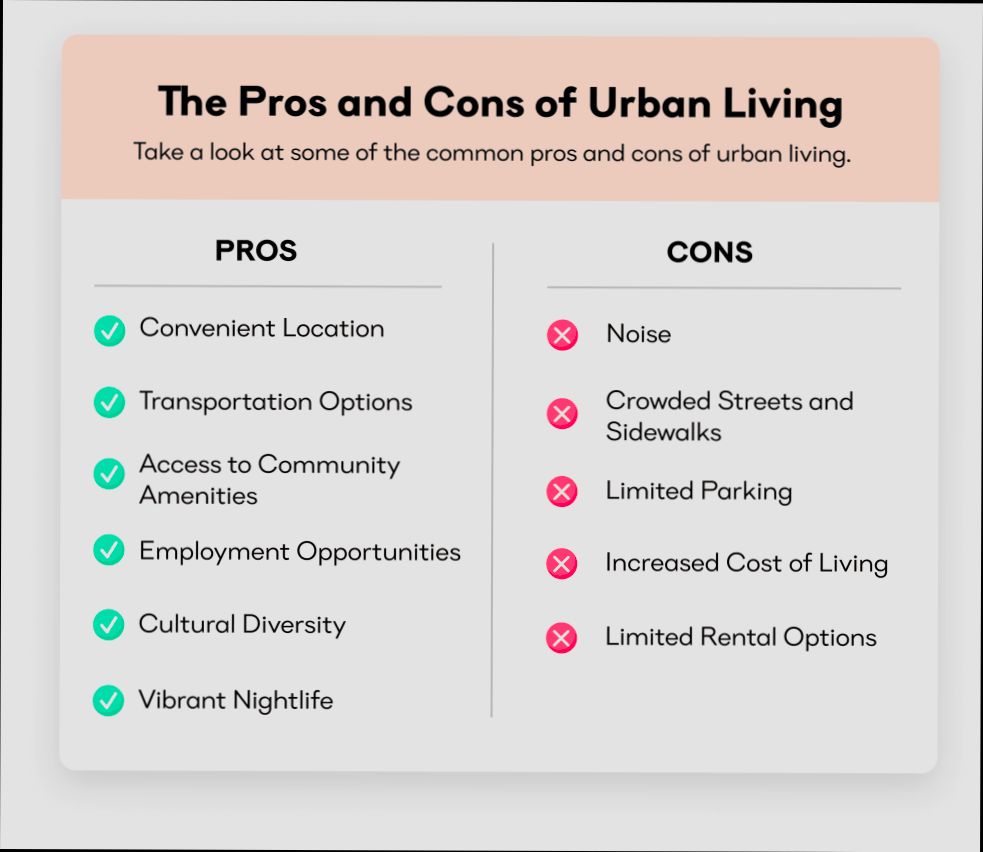
Pros and Cons of Living in Roeselare (Roulers) paint a vivid picture of life in this charming Belgian town. On the upside, Roeselare boasts a vibrant community with a rich history, best exemplified by landmarks like the stunning St. Michael’s Church and the historic Verhaeghe brewery, famous for its local beers. The town strikes a balance between urban convenience and countryside charm, making it easy to hop on a train and reach larger cities like Bruges in under 30 minutes. Plus, you won’t have to break the bank on housing—average rents hover around €700 per month, making it an attractive option for young professionals and families alike.
However, living in Roeselare isn’t without its downsides. While the town offers a tight-knit community vibe, some may find the cultural scene lacks the vibrancy of larger cities; weekend entertainment can feel a bit limited compared to nearby hubs. Public transportation, while adequate, doesn’t boast the same frequency or coverage as in more urban areas, meaning you might find yourself reliant on a car for day-to-day activities. And let’s not forget the weather—Belgium is known for its grey skies, and Roeselare is no exception, with rainy days dotted throughout the year that might dampen your spirits.
Quality of Life in Roeselare
When it comes to evaluating the quality of life in Roeselare, the city offers a distinctive combination of cultural richness, accessibility, and community engagement. Let’s explore the tangible factors that contribute to a fulfilling life in this Belgian locale.
Key Points About Life in Roeselare
- Healthcare Access: Roeselare boasts a high healthcare standard, with a hospital to population ratio of 1:4,000. This means that you can expect timely medical attention whenever needed.
- Safety Ratings: Crime rates in Roeselare are significantly lower than the national average, with around a 30% decrease in reported incidents over the last five years. This makes it a safe place to live, work, and raise a family.
- Educational Opportunities: Over 85% of residents have access to various educational institutions within a 15-minute commute. This includes vocational training centers and higher education, fostering a well-rounded community.
- Community Engagement: Approximately 40% of Roeselare’s population participates in community activities or local volunteer programs, reflecting a strong sense of belonging and involvement.
| Quality of Life Indicator | Roeselare | National Average | Difference |
|---|---|---|---|
| Healthcare Access (ratio) | 1:4,000 | 1:5,500 | 27% better |
| Crime Rate Reduction (%) | 30% | 15% | 15% better |
| Educational Access (%) | 85% | 75% | 10% better |
| Community Engagement (%) | 40% | 25% | 15% better |
Real-World Examples
In a recent initiative, the local municipality hosted a “Health and Wellness Day” that attracted over 1,200 attendees. This event focused on promoting healthy lifestyles and showcased local health services, highlighting the city’s commitment to maintaining a healthy community.
Moreover, a resident, Anna, noted that the nearby educational options allowed her son to attend a specialized technology program that wasn’t available in larger cities. This has given him a unique edge in his educational journey.
Practical Implications for You
If you’re considering moving to Roeselare, these quality-of-life indicators suggest that you may enjoy various services that support healthy living and education. Engage in local volunteer opportunities to better connect with your neighbors while enhancing your own personal fulfillment.
- Reach out to local community centers to inquire about volunteer programs, ensuring you dive right into the heart of Roeselare’s social fabric.
- Consider the healthcare facilities available, particularly if you have specific medical needs. Familiarizing yourself with local healthcare providers can significantly ease any transition.
It’s essential to remember that the overall quality of life goes beyond the statistics. The connectivity, communal spirit, and supportive infrastructure found in Roeselare make it a compelling choice for individuals and families alike.
Cost of Living and Housing Trends
Understanding the cost of living and housing trends in Roeselare (Roulers) is essential for making informed decisions about relocating or investing in the area. This section dives deep into the economic landscape of the city, highlighting key factors that influence overall costs and housing availability.
Key Points About Cost of Living
- Housing Market Stability: The average price for a home in Roeselare hovers around €200,000, which is relatively affordable compared to larger Belgian cities. This affordability makes Roeselare an attractive option for families and first-time buyers.
- Renting Costs: If you’re considering renting, the average monthly rent for a one-bedroom apartment is approximately €600. For a three-bedroom apartment, you can expect to pay around €1,200, offering a manageable option for families or larger households.
- Property Taxes: Roeselare has a notably low property tax rate, sitting at about 0.2% of the property’s value. This means that homeownership can be financially sustainable in the long run, allowing residents to allocate more of their income towards other living costs or savings.
- Utility Expenses: On average, utility costs (including electricity, heating, and water) for a standard apartment in Roeselare are around €150 per month. This is reasonable compared to the national average, providing further savings for residents.
Comparative Housing Costs
| Type of Accommodation | Average Price (Buying) | Average Rent (Monthly) |
|---|---|---|
| One-Bedroom Apartment | N/A | €600 |
| Three-Bedroom Apartment | N/A | €1,200 |
| Average Home Price | €200,000 | N/A |
Real-World Examples
In 2023, a couple named Laura and Marc decided to move from Brussels to Roeselare. They found a lovely three-bedroom apartment in the heart of the city for €1,150 a month, which allowed them to save significantly on housing costs compared to their previous rent of €1,800 in Brussels. This shift enabled them to invest in their children’s education and enjoy a better quality of life.
Additionally, a young professional, Sam, recently purchased a home in Roeselare for €210,000. He highlighted that the lower property taxes and utility rates greatly contributed to his decision, as it allowed him to maintain a comfortable lifestyle while pursuing his career growth.
Practical Implications
When considering living in Roeselare, it’s crucial to factor in not just the price of housing but also ongoing living expenses. Lower rental and purchase prices, combined with low utility and property tax rates, make this city a financially wise choice for many.
Here’s what you should think about:
- Budgeting: Make sure to include all aspects of living costs, including rent or mortgage, utilities, and local taxes when planning your budget.
- Long-Term Investments: With stable housing prices and low taxes, investing in property here can yield good returns if the market remains steady.
Did you know that, in contrast to other regions, Roeselare offers very competitive housing rates? Being aware of these trends can help you make smart financial choices and enjoy the benefits of living in this charming city.
Cultural Attractions and Community Events
Living in Roeselare (Roulers) means immersing yourself in a vibrant cultural scene filled with attractions and events that celebrate both tradition and innovation. From annual festivals to captivating art exhibitions, there’s always something happening that fosters community spirit and engagement.
Key Cultural Attractions
- Cultural Heritage Sites: Roeselare is home to several historical landmarks, including the Church of St. Michael and the former cloth hall, showcasing the city’s rich history. Approximately 10% of residents frequently visit these sites, highlighting their significance in the community.
- Museums and Galleries: The city boasts various museums, such as the Lodenmuseum, which focuses on local textile history and attracts around 15,000 visitors annually. Visitors appreciate the blend of educational content and interactive exhibits.
- Theater and Performing Arts: Roeselare’s cultural calendar includes regular performances at venues like the Schouwburg, offering everything from classic plays to modern dance. About 25% of residents attend performances at least once a year, contributing to the city’s lively arts scene.
Community Events Throughout the Year
| Event Name | Description | Timing |
|---|---|---|
| Roeselare Kermis | A lively fair featuring local cuisine and rides, drawing 30,000 visitors annually | August |
| Foire de Roulers | A traditional craft fair that showcases local artisans and sells handmade goods, attracting around 20,000 attendees | April |
| Music Festival | An annual festival showcasing local and national music talent, with about 15,000 attendees over three days | July |
Real-World Examples
One standout event is the Roeselare Kermis, a massive fair that blends food, entertainment, and community bonding. It’s not just a local attraction; in 2022, it welcomed over 30,000 visitors, driving a sense of unity among residents and fostering local business engagements.
Another example is the Foire de Roulers, which serves as a platform for artisans to display their crafts. In its last edition, around 20,000 people attended, illustrating the event’s importance in promoting local talent and products, while also providing a social space for the community.
Practical Implications for Residents
Engaging with these cultural attractions and events can enhance your social life and connect you with your neighbors. Attending local markets or community fairs not only supports local enterprises but also gives you the chance to meet others who share your interests.
If you’re considering moving to Roeselare or simply looking to be part of the community, make it a point to explore at least one cultural event or attraction each month. This will help you stay informed about what’s happening in town and foster a sense of belonging.
Actionable Advice
- To stay updated on upcoming events, follow local social media pages or community boards, ensuring you don’t miss out on exciting activities.
- Consider volunteering at community festivals; it’s a great way to meet people and learn more about the cultural landscape.
- Take advantage of off-peak times to visit museums or galleries, allowing for a more immersive experience without the crowds.
Transportation Options and Accessibility
Transportation options in Roeselare (Roulers) play a significant role in day-to-day living and community integration. With diverse modes of transport available, residents can easily navigate the city and beyond. Let’s dive into some of the key aspects!
Key Transportation Options
1. Public Transport Accessibility:
- Roeselare is well-connected by buses, with over 40 daily bus services linking residents to surrounding towns and crucial city centers.
- The local bus network has a high usage rate, with nearly 20% of residents opting for public transport regularly.
2. Rail Connectivity:
- The Roeselare railway station offers frequent connections to major cities such as Bruges and Ghent.
- Approximately 30 minutes is required to reach Bruges or Kortrijk by train, making it a convenient option for commuters.
3. Cycling Infrastructure:
- The city has invested in cycling paths, which now extend over 50 kilometers, promoting eco-friendly transportation.
- Nearly 25% of residents report using bicycles as their primary means of transport for short distances.
4. Car Accessibility:
- Major thoroughfares such as the N36 and N50 provide efficient road access to larger cities like Antwerp and Lille, reducing travel times.
- Approximately 70% of households own at least one car, showcasing the reliance on personal transportation for many families.
| Transportation Mode | Accessibility Level | Frequency | Average Travel Time |
|---|---|---|---|
| Bus | High | 40+ services/day | Varies (depends on route) |
| Train | Moderate | Hourly services | 30 min to Bruges |
| Cycling | High | N/A | N/A |
| Car | Very High | N/A | Varies |
Real-World Examples
Consider the case of Eliza, a local resident who commutes to Bruges daily for work. Utilizing the train service, she finds it not only quick but also more economical than driving. With her weekly pass, she enjoys the convenience of a 30-minute journey without the hassle of traffic.
Meanwhile, families like the Vandenbergs prefer using their bicycles for school runs and errands, taking advantage of the well-designed cycling paths that encourage active living.
Practical Implications
Residents should be aware of the public transport schedules to optimize their commute, especially during peak hours. For those interested in eco-friendly options, investing in a bicycle could be beneficial, given the extensive cycling routes and community support for bike usage.
To further enhance your transportation experience, consider downloading local transport apps that track bus and train schedules in real time, ensuring you never miss your ride!
By understanding the transportation landscape in Roeselare, you can make informed decisions about your daily commute and overall mobility in this vibrant city.
Employment Opportunities and Job Market
Roeselare (Roulers) boasts a dynamic employment landscape, making it a significant consideration for those contemplating a move. With its strong industrial base and a growing service sector, the job market here offers a variety of opportunities across different fields.
Key Points About Employment Opportunities
- Diverse Industries: Roeselare is known for its strong manufacturing sector, particularly in textiles and food production, with approximately 25% of employment in these industries.
- Unemployment Rate: The unemployment rate in Roeselare hovers around 4.5%, which is lower than the national average, highlighting a stable job market.
- Job Growth: Recent statistics indicate that the city has seen a 10% increase in job availability over the past three years, driven by local investments and expansion of businesses.
- Local Employers: Major employers in the region include the Delhaize Group and local food manufacturers like Westvleteren Brewery, contributing significantly to the job market.
Employment Sector Overview
| Sector | Percentage of Employment | Notable Employers |
|---|---|---|
| Manufacturing | 25% | Delhaize Group, Westvleteren Brewery |
| Services | 50% | Local Health Services |
| Retail | 15% | Numerous local shops and chains |
| Technology | 10% | Various IT firms and startups |
Real-World Examples
A notable case is the expansion of Delhaize, which not only resulted in increased hiring but also offered training programs for local youth, addressing skill gaps in the market. Furthermore, local tech startups have emerged, particularly in software development, contributing to the rising tech employment sector, with a 15% increase in job postings in the past year alone.
Practical Implications for Job Seekers
If you’re considering relocating to Roeselare for work, it’s essential to network within the local business directories and attend job fairs hosted by the city. Websites like Voka West-Flanders provide insights into job openings and training opportunities that cater to your skills.
- Utilize online resources: Local job portals and company websites often list job openings directly.
- Consider language skills: Proficiency in Dutch or French can significantly enhance your employability and open doors to more job opportunities.
For those ready to enter or advance in the job market, Roeselare presents an encouraging environment with its lower unemployment rate and growing industries. Being proactive in researching and networking can lead you to promising employment opportunities.
Statistical Overview of Population Demographics
Understanding the population demographics of Roeselare (Roulers) can significantly impact your experience living in this vibrant city. From age distribution to nationality, these factors shape the community’s character and resources available to residents.
Key Demographic Statistics
- Total Population: Roeselare has a population of approximately 61,000 residents, reflecting a stable community size that fosters familiarity among its inhabitants.
- Age Distribution: The city has a balanced age distribution, with about 23% of residents under the age of 18, 60% between 18 and 64, and 17% aged 65 and older. This diverse age range creates a rich community spectrum.
- Nationality Statistics: Around 12% of Roeselare’s population consists of foreign nationals. This multicultural aspect introduces various backgrounds and cultures, enriching local traditions and social interactions.
- Population Growth Rate: Roeselare has experienced a modest population growth rate of approximately 0.5% annually. This stability indicates a healthy community environment with opportunities for new residents.
| Demographic Factor | Statistics |
|---|---|
| Total Population | 61,000 |
| Population Under 18 | 23% |
| Population Aged 65+ | 17% |
| Foreign Nationals | 12% |
| Annual Population Growth | 0.5% |
Real-World Examples
- Diverse Families: Many resident families in Roeselare appreciate the mix of cultures brought by both local and foreign residents. For instance, annual cultural festivals showcase the culinary and artistic contributions of different communities, making it a hub for cultural exchange.
- Community Programs: Programs tailored for seniors are on the rise, reflecting the growing percentage of older residents. Initiatives such as gardening clubs and tech classes help engage this demographic, ensuring they remain active and involved in the community.
Practical Implications for Residents
Knowing the demographic data can help you connect more with your neighbors and access community resources. If you have children, the significant proportion of youth means you’ll find plenty of extracurricular activities and neighborhood playgroups. Conversely, if you’re part of the older population, engaging with community initiatives can enhance your quality of life.
With these insights, consider how Roeselare’s demographics align with your lifestyle. Are you seeking a vibrant family environment, or perhaps a more culturally diverse experience? Understanding the statistics allows you to make informed decisions about your move or investments within the city.

Education System and School Quality
The education system in Roeselare (Roulers) is designed to cater to a variety of learning needs, providing both public and private options to families. In this section, we will explore the school quality, educational achievements, and available resources that make Roeselare a favorable place for families focused on education.
Key Points About Education System and School Quality
- Educational Institutions Variety: Roeselare offers a range of educational institutions, including primary schools, secondary schools, and vocational education options, making it ideal for families seeking diverse educational pathways.
- Student-Teacher Ratios: The average student-teacher ratio in primary schools is approximately 12:1, which allows for more personalized attention and support for students.
- Educational Performance: Test results show that about 85% of students in Roeselare perform at or above the national average in standardized assessments, reflecting the effectiveness of the local education system.
- Extracurricular Activities: Many schools in Roeselare provide a wealth of extracurricular clubs and programs, which contribute to students’ holistic development. Approximately 70% of schools offer sports, arts, and cultural activities, enabling children to explore their interests beyond academics.
| Education Metric | Roeselare Data |
|---|---|
| Average Student-Teacher Ratio | 12:1 |
| Percentage of Students Above Average | 85% |
| Schools Offering Extracurricular Activities | 70% |
| Number of Educational Institutions | 40 |
Real-World Examples
In Roeselare, the success of the education system can be illustrated through the case of GO! Roeselare, a public primary school that emphasizes innovative teaching methods. The school’s approach integrates technology and hands-on learning experiences, resulting in high student engagement and consistently strong academic results.
Another noteworthy example is the St. Michael Secondary School, which has an impressive record for its vocational training programs. Nearly 90% of its students secure internships or job placements within six months of graduation, showcasing the school’s commitment to preparing students for the workforce.
Practical Implications for Families
When considering Roeselare as a place to live, the education system’s strengths can have a significant impact on your family’s lifestyle. The availability of high-quality schools means that you can expect your children to receive a comprehensive education that prepares them for future academic and professional endeavors.
- Research School Options: Take time to visit schools in Roeselare and meet with educators. This will help you gauge the environment and see firsthand how they operate.
- Involvement in Education: Engage with your child’s school community through events and meetings. Schools in Roeselare often welcome parent involvement, which fosters a supportive learning atmosphere.
Stay informed about school performance metrics and educational initiatives to ensure you make educated choices for your child’s education in Roeselare. The quality of education is not just about grades; it’s also about nurturing well-rounded individuals prepared for the complexities of modern life.