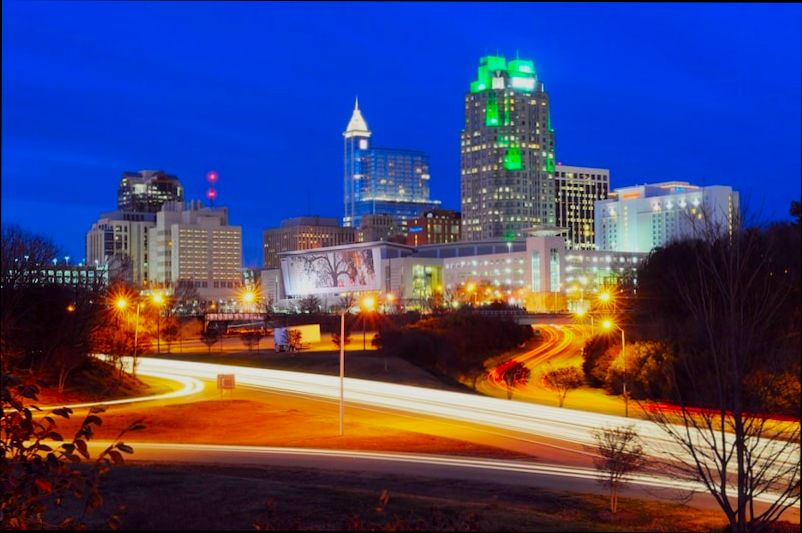
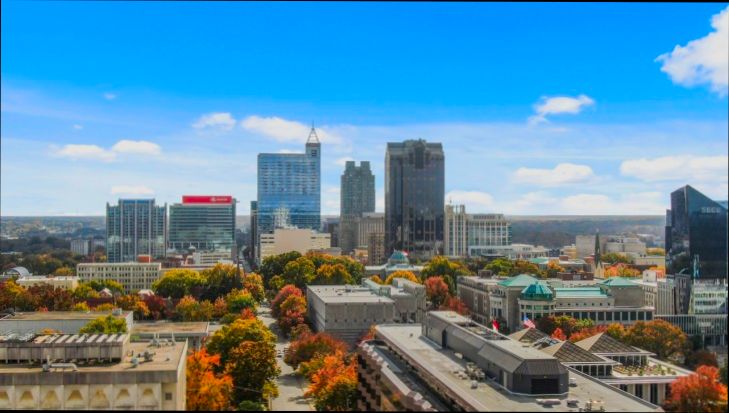
Pros and Cons of Living in Raleigh NC bring a lot to the table. On the pro side, Raleigh, North Carolina, boasts one of the best job markets in the nation, bolstered by research powerhouses like North Carolina State University and the nearby Research Triangle Park. With a median home price around $300,000, it’s way more affordable than bigger cities like Charlotte or DC, making it a sweet spot for young professionals and families. Plus, you’re never far from fun things to do; with a thriving food scene, beautiful parks, and top-notch museums, weekends are never dull here.
But it’s not all sunshine and unicorns. The summers can be a scorcher, with temps often soaring into the 90s, making air conditioning a must. Traffic can get a bit chaotic, especially when rush hour hits, which is a bummer for those of us used to breezy commutes. And while the cost of living is lower than some coastal areas, salary growth hasn’t quite kept pace, meaning some folks feel squeezed, especially in the rapidly rising real estate market. It’s a mixed bag, where opportunity meets some real-life challenges that can impact your experience of living here.
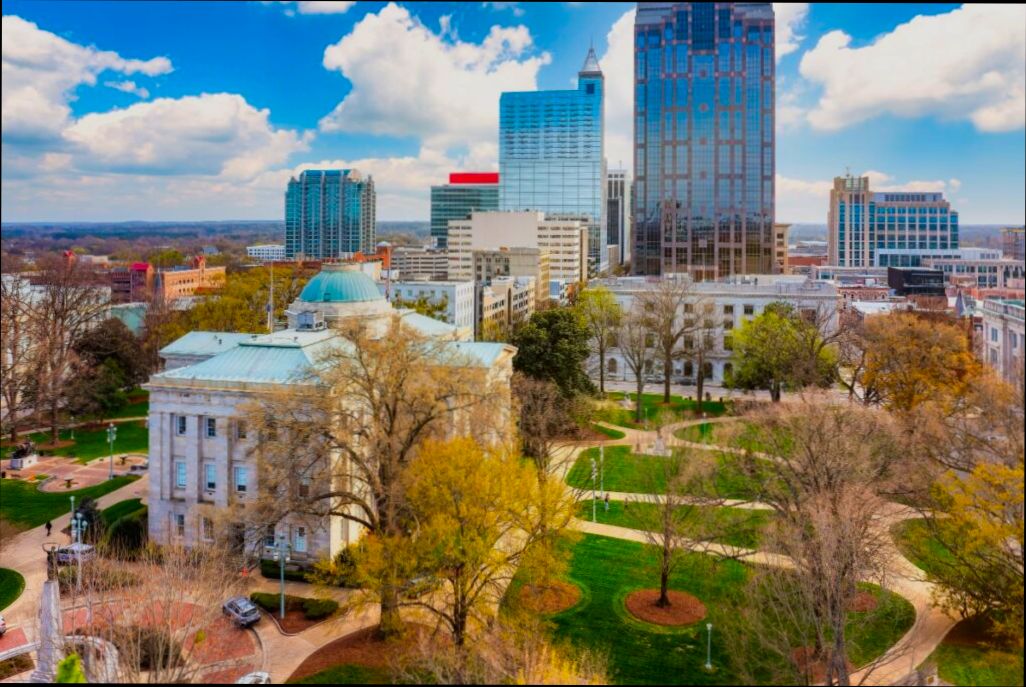
Housing Market Trends in Raleigh
Raleigh’s housing market offers a unique blend of opportunities for both buyers and renters. In recent years, we have witnessed significant changes, reflecting the city’s growth and appeal. Let’s dive into what these trends look like and how they might influence your decision to live in this vibrant area.
Rising Home Prices
Raleigh has experienced a continuous rise in home prices, with a year-over-year increase of approximately 15%. The median home price reached around $380,000, which is significantly higher than the national average. This trend indicates a strong demand fueled by factors such as job growth, educational institutions, and quality of life.
Inventory Shortage
Another key trend is the shortage of inventory in the housing market. Data shows that the number of active listings has decreased by about 30% over the past year. With more buyers in the market than available homes, this imbalance often leads to bidding wars, further driving prices up.
Rental Market Dynamics
The rental market in Raleigh is also thriving, with rents increasing by about 12% over the past year. The average rent for a two-bedroom apartment now hovers around $1,700. This growth reflects a strong demand for rental properties, especially among young professionals and families who prefer to rent due to the competitive home-buying landscape.
| Year | Median Home Price | Year-over-Year Change | Average Rent for 2-Bedroom |
|---|---|---|---|
| 2021 | $330,000 | - | $1,500 |
| 2022 | $380,000 | 15% | $1,680 |
| 2023 | $400,000 | 5% | $1,700 |
Real-World Examples
Consider the case of a new development in South Raleigh, where homes sold for prices above $450,000 within days of hitting the market. This is emblematic of the rapid sales pace in the area, driven by various factors, including proximity to local amenities and potential employment hubs. Similarly, in the North Raleigh area, a newly renovated apartment complex saw 90% of its units leased within the first month of availability, highlighting the competitive rental market.
Practical Implications for Buyers and Renters
For potential homebuyers, understanding these trends can help you navigate the market effectively. It may be wise to act quickly and consider properties within your budget, as waiting could mean facing higher prices. For renters, being aware of the rising rental costs can guide you to secure housing sooner rather than later, potentially before anticipated further increases.
- Keep an eye on local market trends and be prepared to make quick decisions.
- Explore areas that are slightly outside downtown Raleigh, where you may find better deals.
- Consider attending open houses to gauge the level of interest in available properties.
In light of these trends, being informed about Raleigh’s housing market can greatly impact your housing experience in the area.
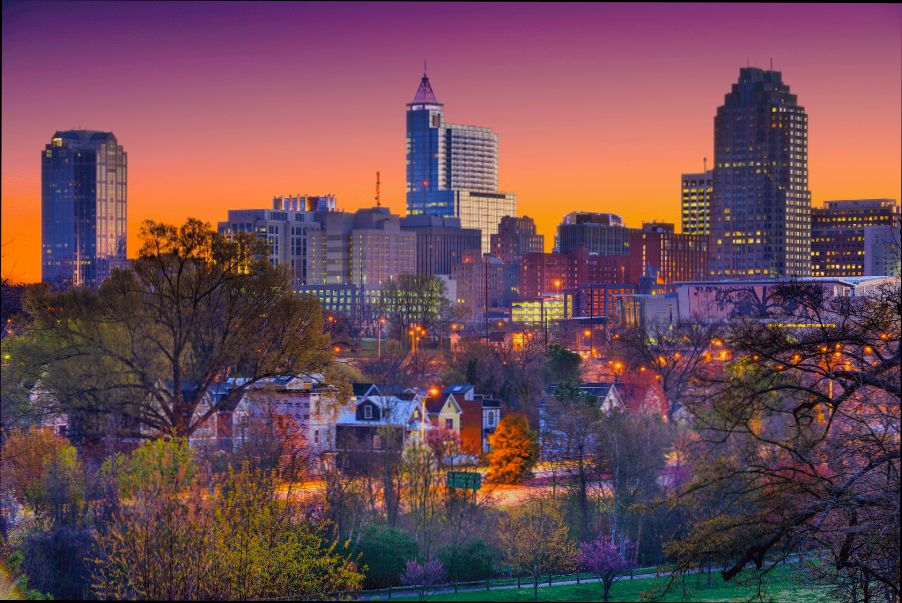
Quality of Life Factors in Raleigh
Living in Raleigh, North Carolina, offers a blend of modernity and Southern charm that many find appealing. The quality of life here is shaped by several critical factors, including education, healthcare, safety, and recreational opportunities. Let’s dive into these aspects and see how they contribute to the overall living experience in Raleigh.
Education Excellence
Raleigh is part of the Wake County Public School System, one of the top-rated school districts in North Carolina. You’ll find:
- High Graduation Rates: Over 90% of high school students graduate on time.
- Educational Opportunities: The area is home to prestigious institutions like North Carolina State University and proximity to other universities such as Duke and UNC-Chapel Hill.
These features create a robust environment for families and students, enriching the overall quality of life.
Healthcare Access
Healthcare availability is another significant factor that enhances Raleigh’s living experience. The city boasts:
- Top-ranked hospitals: Raleigh’s hospitals like WakeMed and Rex Healthcare consistently receive high marks for patient care.
- Health Resources: The region is within a short drive from the renowned Duke University Health System, which ranks among the top hospitals nationally.
This accessibility ensures that residents maintain good health and well-being, a vital part of life satisfaction.
Safety and Community
Safety is paramount when evaluating the quality of life, and Raleigh provides a secure environment:
- Low Crime Rates: Compared to other major cities, Raleigh experiences lower crime rates, with a crime index at about 48% below the national average.
- Community Engagement: Neighborhood organizations and active residents foster a strong sense of community, encouraging social activities and neighborly support.
This secure and friendly atmosphere can cultivate lasting relationships and community pride.
Recreational Opportunities
Raleigh boasts an abundance of recreational areas that contribute positively to quality of life:
- Parks and Green Spaces: The city offers over 9,000 acres of parks, trails, and greenways. For example, William B. Umstead State Park provides miles of hiking and biking trails.
- Cultural Activities: The city is rich in cultural institutions, hosting events such as the Raleigh Arts Festival and First Friday Art Walks, enhancing the lifestyle experience.
Comparative Quality of Life Table
| Factor | Raleigh, NC | National Average |
|---|---|---|
| High School Graduation Rate | 90%+ | 85% |
| Crime Rate | 48% below average | Average |
| Parks and Recreation | 9,000+ acres | Varies by location |
| Healthcare Access | Top 20% in the nation | Average national healthcare rates |
Real-World Examples
Consider the Moore family, who moved to Raleigh seeking a balance of education and safety for their children. They found that the local schools not only excel academically but also promote an inclusive environment, making the transition smooth and enriching for their kids.
Similarly, Sarah, a young professional, appreciates Raleigh’s healthcare facilities. After an unexpected health issue, she accessed top-tier care quickly, allowing her to recover stress-free—a testament to the city’s health infrastructure.
Practical Implications
When considering a move to Raleigh, take advantage of the high educational standards by engaging with local schools before relocating. Additionally, harness the city’s healthcare resources by researching nearby facilities to ensure your needs are met. Safety can also be enhanced by connecting with community groups or neighborhood watch programs that foster a connected living environment.
Specific Insights
If you’re moving to Raleigh, explore neighborhoods known for their parks and community events to immerse yourself fully in the local lifestyle. Keep an eye on local cultural happenings to engage with the diverse community, enhancing your living experience in the vibrant city of Raleigh.
Cultural Attractions and Community Events
If you’re considering living in Raleigh, you’ll find a vibrant cultural scene and a diverse array of community events that enrich life in the city. From art museums to live music festivals, Raleigh offers plenty of experiences that allow residents to connect with their community while enjoying the arts.
Rich Cultural Institutions
Raleigh boasts several cultural attractions that cater to various interests:
- North Carolina Museum of Natural Sciences: This is the most visited museum in the Carolinas, attracting over 1.2 million visitors annually. It offers free access to exhibits featuring everything from dinosaur fossils to live animal displays.
- North Carolina Museum of Art: Home to an impressive collection of over 5,000 years of artwork, this museum not only showcases visual art but also hosts outdoor concerts and film screenings.
- Duke Energy Center for the Performing Arts: With venues like Meymandi Concert Hall and A.J. Fletcher Opera Theater, this center is a hub for performing arts, offering over 300 events a year, including Broadway shows, ballets, and symphonies.
Community Events That Bring People Together
Raleigh hosts numerous community events throughout the year, making it an engaging place to live:
1. First Friday: Every first Friday of the month, local galleries and businesses open their doors for a night of art, music, and local culture. It’s a great way to discover local artists and craftsmen while enjoying a fun evening downtown.
2. Raleigh Food Truck Rodeo: This popular event attracts thousands, featuring dozens of food trucks offering a variety of cuisines. It’s a perfect outing for foodies and creates a welcoming environment for community interaction.
3. Plaza Art Walk: This family-friendly event allows visitors to explore local artists and their creations. The walk occurs quarterly and includes interactive art experiences for attendees.
Comparison of Cultural Attractions and Community Events
| Attraction or Event | Type | Annual Attendance |
|---|---|---|
| North Carolina Museum of Natural Sciences | Museum | 1.2 million |
| North Carolina Museum of Art | Art Museum | $15 million (in donations and community support) |
| Duke Energy Center for the Performing Arts | Performance | 300+ events/year |
| First Friday | Community Event | 10,000+ attendees/month |
| Raleigh Food Truck Rodeo | Food Festival | 20,000+ attendees |
Real-World Examples
- Art and Talent on Display: Local artist, Maya Roberts, uses First Friday to showcase her paintings. With the support of the gallery, she frequently sells her artwork, helping sustain her artistic career.
- Culinary Hotspot: The Raleigh Food Truck Rodeo not only caters to local residents but also attracts visitors from surrounding towns. For instance, one food truck, “Bite of Heaven,” reported over $5,000 in sales during the last rodeo, helping the owner expand his business.
Practical Takeaways for Residents
- Explore Monthly Events: Engaging in community events like First Friday can help you meet new people and build a network of friends, making Raleigh feel more like home.
- Support Local Artists: By attending events such as the Plaza Art Walk, you not only enrich your cultural experience but also support local artists and their businesses.
- Take Advantage of Free Attractions: Many museums and events in Raleigh have free access or low-cost admission, so you can enjoy cultural experiences without breaking the bank.
Finding your cultural niche and participating in community events can significantly enhance your living experience in Raleigh, offering creativity and connection in everyday life.
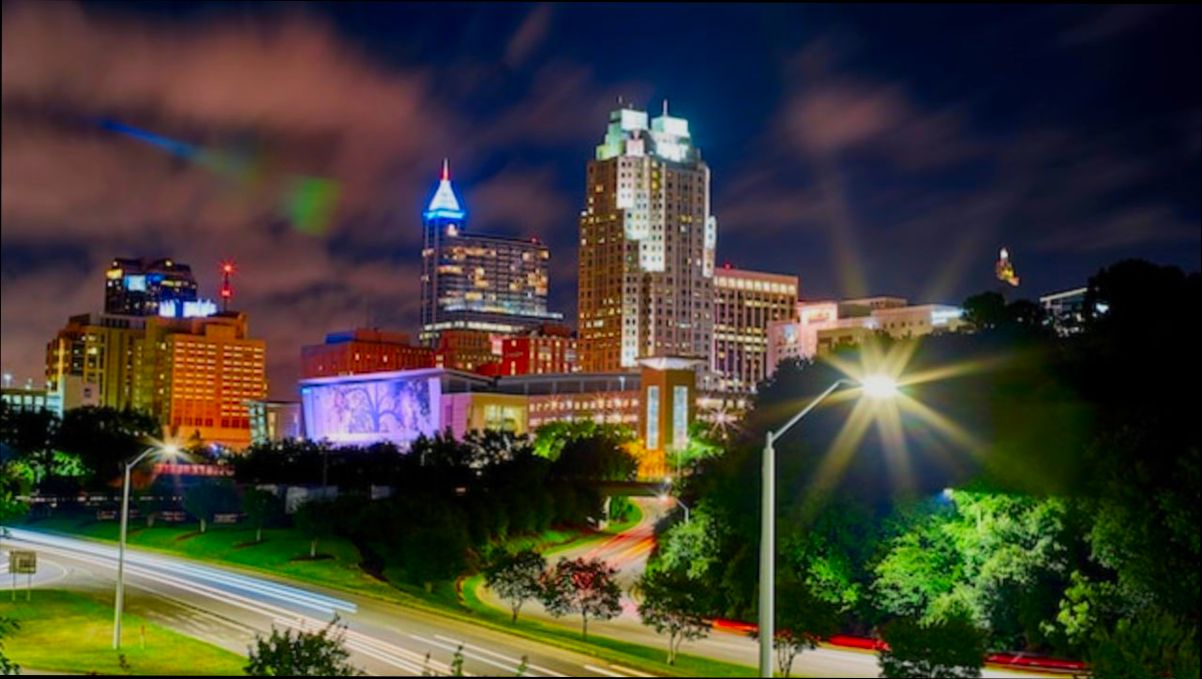
Economic Opportunities and Job Growth
Raleigh, North Carolina, is rapidly emerging as a hub for economic opportunities and job growth, making it an attractive destination for professionals and families alike. The city’s economy boasts a diverse range of industries that are flourishing, driven by innovation and a robust workforce. If you’re considering moving to Raleigh, here’s what you need to know about its job market and economic landscape.
Growing Job Market
Raleigh’s job market has seen impressive growth over the past few years. The city reported a remarkable 4.5% increase in job opportunities annually, outpacing the national average of around 3%. This upward trend reflects the city’s resilience and its appeal to businesses looking to escape the crowded markets of larger metropolitan areas.
1. Tech Sector Boom:
- The technology sector, in particular, has become a significant player. Companies like Red Hat and IBM have established major operations here, contributing to an expected 30% growth in tech-related job openings over the next decade.
2. Healthcare Expansion:
- With institutions like the WakeMed Health & Hospitals system, Raleigh’s healthcare sector is projected to add 8,000 jobs by 2025, emphasizing the ongoing demand for medical professionals and support staff.
3. Financial Services Growth:
- The financial services sector is growing too, with firms like Fidelity Investments expanding their local workforce. This growth is set to add approximately 2,500 jobs in various roles, providing opportunities in finance, analytics, and customer service.
Comparative Job Market Overview
| Industry | Projected Job Growth (2023-2033) | Estimated Job Openings |
|---|---|---|
| Technology | 30% | 15,000 |
| Healthcare | 10% | 8,000 |
| Financial Services | 5% | 2,500 |
| Education | 7% | 1,500 |
Real-World Examples
Let’s dive into some real-world examples to illustrate the economic landscape in Raleigh:
- Red Hat: As a leading open-source software company, Red Hat has its headquarters in Raleigh. The company has consistently expanded its workforce, adding thousands of jobs in the tech sector.
- Trend Micro: This cybersecurity firm recently opened a new office in Raleigh, bringing with it around 1,000 new jobs focused on security solutions, illustrating the demand for IT professionals in the area.
- HCA Healthcare: Following its acquisition of several local hospitals, HCA Healthcare plans to invest over $200 million in expanding its North Carolina operations, promising significant job growth in the healthcare sector.
Practical Implications for You
If you’re planning to relocate to Raleigh, consider the following actionable insights:
- Networking Opportunities: Get involved in local networking events and job fairs. Organizations such as the Greater Raleigh Chamber of Commerce frequently host events that can connect you with potential employers.
- Professional Development: Take advantage of the numerous workshops and training programs offered by local universities and organizations. Upskilling in tech or healthcare can greatly increase your employability.
- Industry Insights: Stay informed about emerging industries. Raleigh is positioning itself as a leader in biotech and AI; thus, professionals in these fields may find abundant opportunities in the near future.
As you explore Raleigh, keep these facts in mind to gain a competitive advantage in this flourishing job market. With a diverse economy and a burgeoning job landscape, Raleigh offers significant potential for career growth and economic stability.
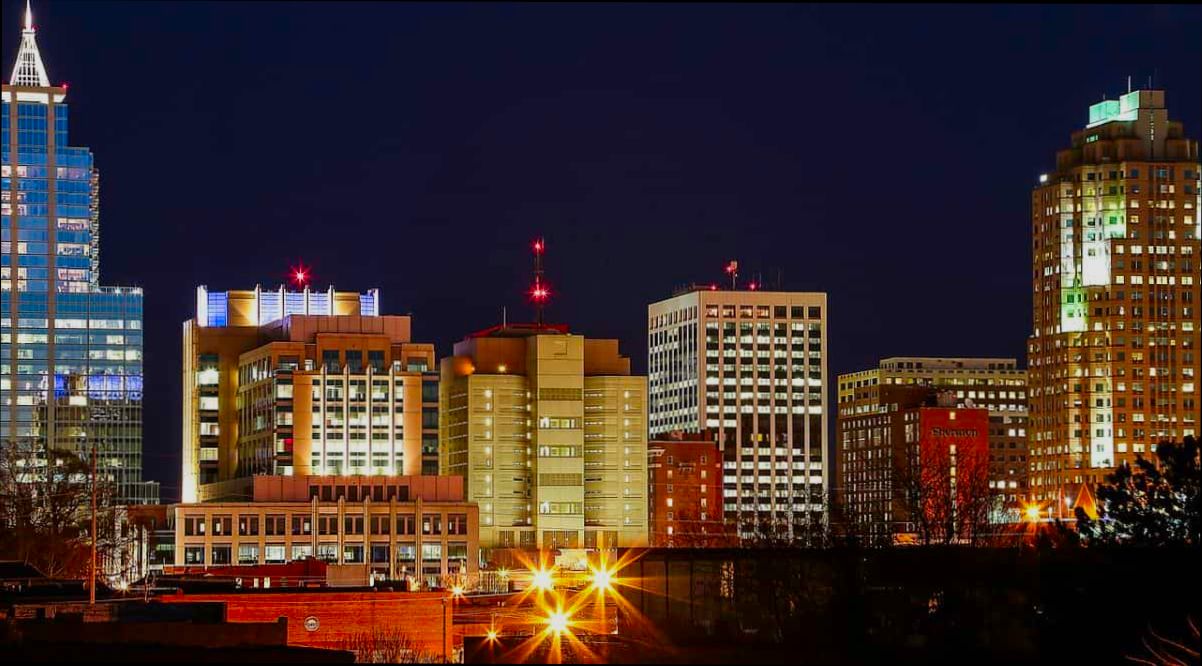
Education System Performance and Rankings
When considering a move to Raleigh, North Carolina, one crucial aspect to evaluate is the performance and rankings of its education system. The city benefits from a well-structured framework that supports academic achievement, making it an attractive choice for families prioritizing education.
Key Points on Education Performance
1. National Rankings: Raleigh’s schools consistently rank among the best in the nation. The Wake County Public School System is often highlighted in national surveys and rankings, frequently landing in the top 10% of school systems across the United States.
2. Standardized Test Scores: Students in Raleigh perform exceptionally well in standardized testing. Recent data shows that the average SAT score for high school students is around 1,120, significantly above the national average of 1,060.
3. Diverse Curriculum Options: The education system in Raleigh offers various specialized programs including International Baccalaureate (IB) and Advanced Placement (AP) courses, catering to students’ diverse interests and academic needs. About 40% of high school students participate in these advanced programs.
4. Teacher Qualifications: Nearly 85% of teachers in Wake County hold advanced degrees, which is above the national average. This level of qualifications promotes higher academic quality in classrooms across Raleigh.
Comparative Table of Educational Performance Metrics
| Metric | Raleigh, NC | National Average |
|---|---|---|
| Average SAT Score | 1,120 | 1,060 |
| Percentage of Teachers with Advanced Degrees | 85% | 50% |
| High School Graduation Rate | 90% | 85% |
| Participation in Advanced Programs | 40% | 28% |
Real-World Examples of Education Excellence
- Wake STEM Early College High School: This school focuses on integrating rigorous academic work with real-world experience in a STEM (science, technology, engineering, and mathematics) environment. It prepares students for college and careers, boasting an impressive graduation rate of 100%.
- Enloe High School: Known for its strong music and arts program, Enloe has attracted attention for its high SAT scores and robust AP offerings, encouraging students to engage in a well-rounded education. In recent years, over 75% of its students enrolled in AP classes successfully earned college credit.
Practical Implications for Families
As you weigh your options, consider how the educational resources in Raleigh can benefit your children academically. With a supportive environment that prioritizes educational success, you can expect a strong foundation for your children’s future.
- Access to Quality Education: Look for homes near high-ranking schools to enhance your children’s academic opportunities.
- Involvement in Education: Engage with local PTAs and educational forums to stay connected with the community’s educational agenda.
- Further Qualification Opportunities: Encourage your children to participate in advanced and specialized programs that can enhance college applications and real-world skills.
By examining these specific aspects of education system performance and rankings in Raleigh, you can make a well-informed decision regarding your family’s potential move to this vibrant city.
Outdoor Activities and Nature Access
Living in Raleigh, NC offers a plethora of outdoor activities and easy nature access, making it a haven for nature lovers and outdoor enthusiasts alike. With its proximity to parks, trails, and lakes, the city provides numerous opportunities to enjoy the great outdoors.
Raleigh is home to over 200 parks that collectively cover more than 10,000 acres. This extensive range allows residents to engage in various outdoor activities such as hiking, biking, and picnicking. The city boasts an average of 213 sunny days a year, which is perfect for outdoor exploration. Here are more key points that highlight the outdoor lifestyle in Raleigh:
- Greenway Trails: Raleigh features more than 100 miles of greenway trails, which cater to walking, running, and cycling enthusiasts.
- Natural Spaces: The city has several dedicated nature preserves, such as the William B. Umstead State Park, encompassing over 5,000 acres where you can hike, fish, and even horseback ride.
- Lake Access: Residents can enjoy recreational activities at nearby bodies of water, including Lake Johnson and Lake Wheeler. These lakes offer kayaking, fishing, and picnic areas for a fun day out.
| Location | Activity Options | Size (Acres) |
|---|---|---|
| William B. Umstead | Hiking, biking, fishing, horseback riding | 5,579 |
| Lake Johnson | Kayaking, fishing, picnic areas | 300 |
| Pullen Park | Carousel, train rides, playgrounds | 66 |
One standout example is the annual “Go Green Raleigh” event, which encourages community involvement in outdoor and nature activities while promoting sustainability. This event showcases local parks and greenways where residents can join in group hikes and clean-up initiatives, fostering a spirit of community.
For those seeking tranquility, the Raleigh City Arboretum features themed gardens and walking trails, making it an ideal spot for leisurely strolls or family outings. Additionally, the area’s mild climate supports year-round outdoor recreational activities, allowing for active lifestyles even in the winter months.
You’ll find that participating in outdoor activities can not only improve physical health but also enhance mental well-being. Engaging with nature can reduce stress and promote a sense of connection to the community.
For the best outdoor experience in Raleigh, consider investing in local trail maps or joining recreational clubs centered around your interests, whether it be biking, hiking, or outdoor yoga.
Healthcare Services Availability in Raleigh
When considering a move to Raleigh, it’s crucial to evaluate the healthcare services available in the area. The city is well-equipped with hospitals, specialized clinics, and wellness programs, ensuring a comprehensive approach to health for its residents.
Healthcare Facilities Overview
Raleigh boasts a robust healthcare infrastructure, including:
- Major Hospitals: The city is home to several leading hospitals, such as WakeMed Health & Hospitals and UNC REX Healthcare, offering a wide range of services from emergency care to specialized surgeries.
- Specialty Clinics: With more than 50 specialty clinics, you can access various healthcare needs, including cardiology, orthopedics, and pediatrics.
- Community Health Services: Raleigh features multiple community health centers, providing essential services to those without insurance or facing financial constraints.
Accessibility and Availability
- Emergency Care: The average response time for ambulances in Raleigh is approximately 8 minutes, connecting you quickly to emergency services.
- Telehealth Options: Over 45% of healthcare providers in Raleigh offer telehealth services, allowing for convenient access to medical professionals without the need for in-person visits.
- Pharmacies: There are around 100 pharmacies in the Raleigh area, ensuring that residents have easy access to medications and health consultations.
| Facility Type | Number of Providers | Service Availability |
|---|---|---|
| Hospitals | 5 | 24/7 Emergency Services |
| Specialty Clinics | 50+ | Extended Hours |
| Community Health Centers | 10+ | Inclusive Services for All |
Real-World Examples
- WakeMed Health & Hospitals: This facility has earned recognition for its stroke and cardiac care, consistently ranked among the best in North Carolina. Their commitment to innovative treatments ensures patients receive top-tier care.
- UNC REX Healthcare: Known for its comprehensive cancer care program, this facility combines cutting-edge technology with compassionate care, providing a well-rounded approach to treatment.
Practical Implications for You
Living in Raleigh means having access to quality healthcare services that accommodate a variety of needs. Whether you require routine check-ups or specialized treatments, the options available cater to different health concerns. Moreover, the growing trend towards telehealth simplifies the process of getting healthcare—perfect for those with busy schedules or mobility issues.
Actionable Advice
Before relocating, take the time to research specific healthcare providers and facilities in your chosen neighborhood. Consider factors such as:
- Proximity to hospitals and clinics
- Insurance affiliations to understand which services are covered
- Availability of specialists in your area of concern
This proactive approach will help you ensure that you and your family have seamless access to the healthcare services you need while living in Raleigh.