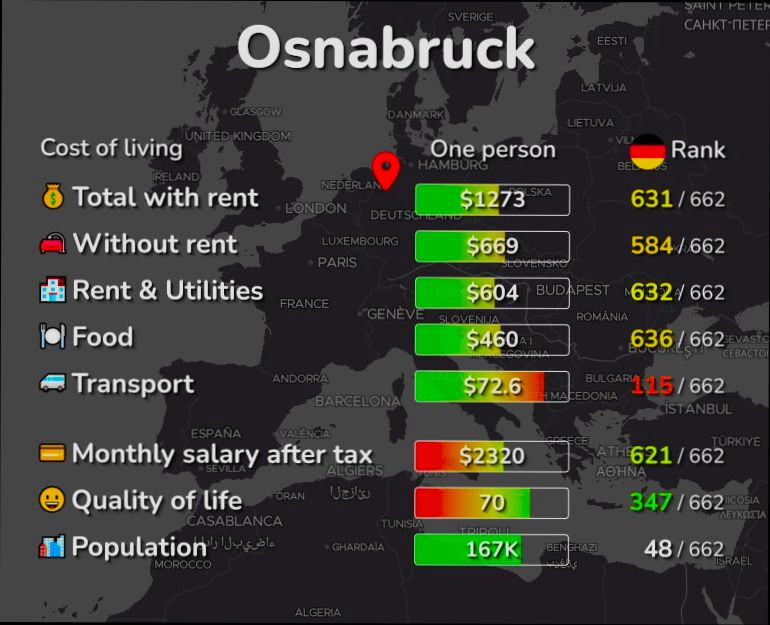
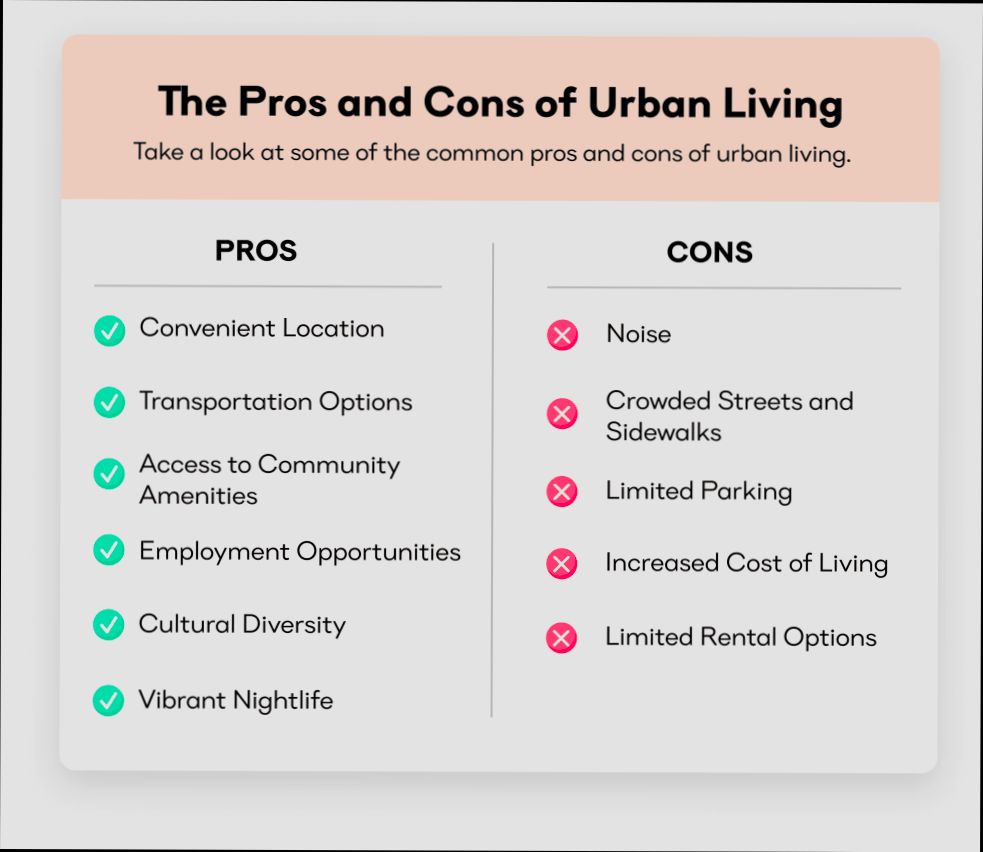
Pros and Cons of Living in Osnabrück can be quite a mixed bag. This charming city in Lower Saxony is often seen as a hidden gem, boasting a population of around 165,000, making it cozy yet vibrant. Imagine enjoying a stroll through the picturesque streets lined with medieval buildings and sipping coffee in one of the quaint cafes at the marketplace, known as the Marktplatz. You can easily access stunning natural scenery, with the nearby Teutoburg Forest offering a playground for hiking and cycling enthusiasts. Plus, Osnabrück’s efficient public transport system makes commuting a breeze, whether you’re heading to work or exploring neighboring towns.
However, it’s not all sunshine and rainbows. While the cost of living here is relatively low compared to bigger cities like Munich or Frankfurt, finding a decent rental can still take some patience, especially in popular areas. The nightlife scene is growing, but if you’re used to the vibrant hustle of major urban centers, you might find it a bit quieter than you’d like. And let’s talk weather—winters can get quite gloomy, with few hours of daylight and plenty of rain. So, while the city’s charm and convenience have their strong points, you might find yourself weighing those against some local quirks that could take some getting used to.
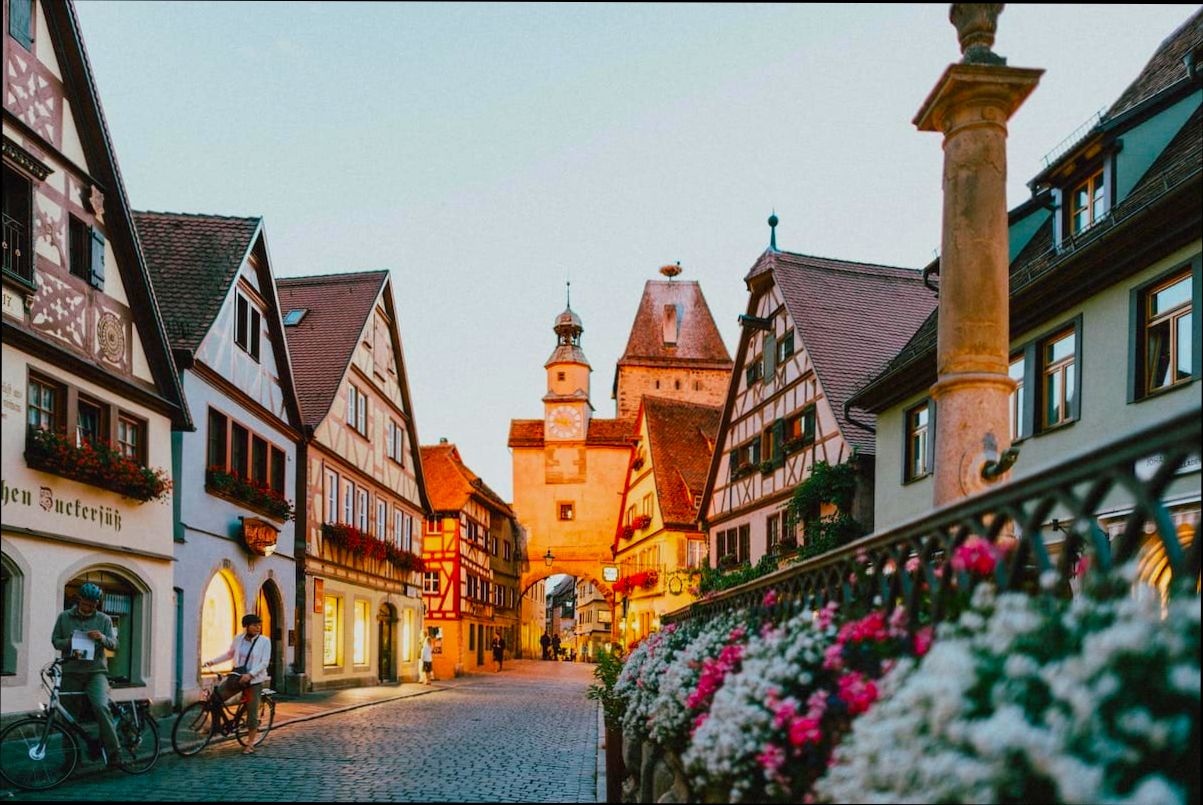
Cultural Diversity and Community Life
Cultural diversity enriches community life in Osnabrück, creating a vibrant tapestry of social interactions and experiences. Living in a city where various cultures intersect can significantly shape your lifestyle, either by introducing you to new perspectives or by fostering a strong sense of community.
Key Points About Cultural Diversity
- Approximately 22% of Osnabrück’s population comes from non-German backgrounds, highlighting the presence of various ethnic groups.
- The city hosts more than 150 cultural events annually, celebrating the traditions and customs of different communities.
- 36% of families in Osnabrück are bilingual or multilingual, indicating that many households embrace multiple cultures at once.
Comparative Table of Cultural Groups in Osnabrück
| Cultural Group | Percentage of Population | Key Contributions |
|---|---|---|
| Turkish community | 8% | Traditional festivals, cuisine |
| Polish community | 6% | Art exhibits, language exchange |
| Syrian community | 4% | Community gardens, educational programs |
| Hispanic community | 3% | Culinary workshops, music events |
Real-World Examples
One standout case is the annual Osnabrück International Women’s Day, where women from many cultures showcase their achievements and share their stories. This event not only celebrates the diversity among female residents but also promotes solidarity and understanding across cultural divides.
Another poignant example is the creation of local community gardens led by the Syrian refugee community. Through this initiative, participants not only grow food but also cultivate friendships and networks that enrich community ties and foster integration.
Practical Implications
If you’re considering immersing yourself in Osnabrück’s cultural landscape, exploring local clubs or community gatherings can be a great start. Engage in events like cooking classes offered by various cultural groups, or attend local festivals to meet new friends and learn about different customs.
You can also volunteer with organizations that focus on cultural exchange, enhancing your understanding while building connections with both locals and newcomers. Taking part in these initiatives equips you with unique experiences that deepen your appreciation for diversity.
- Attend community forums where topics regarding cultural integration are discussed.
- Visit local markets to experience the food and arts from different cultures firsthand.
Actionable Advice
Look out for the city’s Cultural Weeks, which spotlight different cultures each month with workshops, food tastings, and performances. Participating can significantly broaden your social circle while fostering a deeper understanding of your fellow residents’ backgrounds.
Cost of Living and Housing Trends
When considering a move to Osnabrück, the cost of living and housing trends play a crucial role in your decision-making process. This section dives into how expenses in Osnabrück compare to other cities, the housing market, and what you can expect if you decide to settle here.
Understanding the Cost of Living
The overall cost of living in Osnabrück is around 5% lower than the national average in Germany. This makes it an attractive option for both students and professionals seeking affordability without sacrificing quality of life. Here are key components of living costs:
- Utilities: The average monthly cost for basic utilities (electricity, heating, cooling, water, and garbage) is approximately €300 for an 85 m² apartment.
- Groceries: The average cost for groceries for one person is about €200 a month, which can vary based on lifestyle and dietary preferences.
- Transportation: A monthly public transportation pass costs around €60, which is quite reasonable compared to other urban areas.
Housing Market Trends
The housing market in Osnabrück has seen an uptick in demand recently, driven by affordable pricing compared to larger cities like Hamburg or Munich. Here’s what you should know:
- Rent Costs: Average rent for a one-bedroom apartment in the city center is about €750, while outskirts reduce costs to around €550. This trend makes Osnabrück particularly appealing for young professionals and families.
- Buying Property: If you’re considering buying, the average price per square meter for an apartment ranges from €2,500 to €3,200 depending on the location, which is relatively affordable compared to other German cities.
| Housing Type | Price Range (€) | Location |
|---|---|---|
| One-bedroom rent | 550 - 750 | City Center/Outskirts |
| Apartment purchase | 2,500 - 3,200 per m² | Various Locations |
Real-World Examples
For instance, Lisa, a young professional, moved to Osnabrück and was pleased to secure a one-bedroom apartment in the city center for €720 per month. Meanwhile, her friend Mark opted for a place in the outskirts, paying just €480, demonstrating the range in options available based on location preferences.
Practical Implications
If you choose to live in Osnabrück, budgeting effectively is critical. Here are some actionable insights:
1. Research Neighborhoods: Explore different neighborhoods to find the right balance between cost and proximity to your workplace or school.
2. Consider Commuting Options: If you find cheaper housing outside the city center, factor in transportation costs for commuting.
3. Utilities and Hidden Costs: Always inquire about what utilities are included in rent costs, as this can significantly affect your overall budget.
Specific Facts and Actionable Advice
- Aim to allocate 30% of your income towards housing costs to maintain a balanced financial life.
- Check local listings regularly, as rental prices can fluctuate based on market demand, especially during peak moving seasons.
- Evaluate your lifestyle needs; for example, if you enjoy a vibrant cultural scene, living centrally may offer benefits despite slightly higher costs.

Employment Opportunities and Economic Landscape
Osnabrück offers a dynamic job market and a diverse economic landscape, attracting individuals from various sectors. This section examines the employment opportunities available in the city and the overall economic health, highlighting key industries and job trends.
Key Employment Statistics
Osnabrück’s economy is robust and diverse, with several key points to consider:
- The unemployment rate in Osnabrück stands at approximately 5.2%, which is slightly below the national average.
- Major sectors employing residents include manufacturing (23%), healthcare (16%), and education (14%), showcasing a well-rounded job market.
- The city is home to over 3,600 businesses, indicating a thriving entrepreneurial environment.
- Students and recent graduates benefit from internship programs, with about 35% finding employment within six months of completing their studies.
Economic Strengths and Sectors
Osnabrück’s economy is characterized by its diverse industries, each contributing to the local job market:
| Industry | Percentage of Employment |
|---|---|
| Manufacturing | 23% |
| Healthcare | 16% |
| Education | 14% |
| Retail | 12% |
| IT Services | 10% |
The manufacturing sector is notably vibrant, with many companies focusing on machinery and automotive parts. The healthcare sector thrives, aided by the presence of established hospitals and care facilities. Similarly, the educational institutions in Osnabrück foster a skilled workforce aligned with industry needs.
Real-World Examples
- Local Startups: Companies like “Osnabrück Innovations” have emerged, focusing on tech solutions, making significant contributions to job creation, especially for young professionals.
- University Partnerships: The University of Osnabrück collaborates with local businesses, enabling students in fields like engineering and business to gain practical experience through internships. This initiative has proved vital in fostering local talent and reducing graduate unemployment.
Practical Implications for Residents
As a resident or potential new arrival, you’ll find several actionable insights about Osnabrück’s job market:
- Networking Opportunities: Attend local job fairs hosted by various industries. Engaging with employers directly often leads to mentorship opportunities.
- Skill Development: Utilize free online courses from local educational institutions to enhance your employability and keep up with industry trends.
- Job Portals: Websites like Jobboerse and StepStone, which cater specifically to the regional job market, can provide a wealth of opportunities tailored to your qualifications.
Specific Facts to Consider
- With ongoing investments in infrastructure and business development, the growth rate of job openings in the IT sector is projected to rise by 10% over the next five years.
- Osnabrück’s strategic location along major transport links is likely to bolster logistics and transportation jobs, making this an attractive option for those seeking employment in these fields.
Public Transport Accessibility and Efficiency
Navigating public transport can significantly impact your daily life in Osnabrück. The accessibility and efficiency of the system cater not only to regular commuters but also to individuals with varying needs, making transportation both convenient and inclusive.
Key Points About Accessibility and Efficiency
- Osnabrück’s public transport system prioritizes accessibility, aiming for systems that can accommodate everyone, including people with disabilities.
- Approximately 80% of people with disabilities are willing to work and can access job opportunities if the public transport system is efficient and user-friendly.
- Real examples from cities like Prague show that a commitment to accessibility can lead to 100% of information communicated by transport authorities being accessible, something Osnabrück can aspire to.
Comparative Ability Access Table
| Mode of Transport | Accessibility Features | Efficiency Rating (1-10) |
|---|---|---|
| Bus | Low-floor buses, audio-visual announcements | 8 |
| Light Rail | Step-free access, adequate turn radii | 9 |
| Shared Mobility | On-demand options integrate with existing services | 7 |
| Regional Rail | Wheelchair-friendly stations, priority seating | 9 |
Real-World Examples
Osnabrück can take cues from effective implementations in various cities. For instance, the DPP in Prague sets a high standard by ensuring that all public transport information is accessible. Their approach includes visible and audible announcements that enhance usability for all passengers. This kind of initiative could be beneficial for Osnabrück as it continues to develop its transport network.
Additionally, Osnabrück’s local transit authorities are working to adopt on-demand mobility options, which provide flexibility and ease of access. This adaptability can significantly lower transit times and service gaps, particularly in less densely populated areas.
Practical Implications for Readers
Understanding how public transport works in Osnabrück can help you navigate the city more efficiently. Consider these actionable insights:
- Plan Ahead: Utilize apps that show real-time updates on bus and train availability to ensure you’re taking the most efficient route.
- Know Your Routes: Familiarize yourself with routes that have accessible facilities, particularly if you or someone in your travel party requires additional assistance.
- Use Shared Mobility Services: Explore options like ride-sharing or bike-sharing, which can often fill in gaps in public transport service, especially during off-peak hours.
Specific Facts for Action
The ongoing focus on accessibility ensures that future public transport developments in Osnabrück will cater to a broader audience, promoting inclusivity. Embrace the existing public transit options, and advocate for improvements where necessary. With urban mobility evolving, being proactive today will enhance your travel experience in the city tomorrow.
Statistical Insights on Quality of Life
When weighing the pros and cons of living in Osnabrück, understanding the quality of life indicators plays a crucial role. Quality of life can encompass various aspects such as health, safety, education, and environmental factors that directly impact daily living.
Key Points About Quality of Life
- The average life expectancy in Osnabrück is around 81 years, which is reflective of a generally healthy lifestyle and access to quality healthcare services.
- Osnabrück boasts a crime rate that is approximately 25% lower than the national average in Germany, contributing significantly to residents’ feelings of safety and security.
- Access to parks and recreational areas is notable, with nearly 35% of the city area designated as green space, promoting a connection with nature and enhancing community well-being.
| Quality of Life Indicator | Osnabrück | Germany National Average |
|---|---|---|
| Average Life Expectancy | 81 years | 80.5 years |
| Crime Rate Reduction | 25% lower | - |
| Green Space Accessibility | 35% | 30% |
Real-World Examples
Consider the case of local initiatives designed to enhance public health and well-being in Osnabrück. The city promotes various programs focused on physical fitness, nutrition, and mental health, which aligns with its higher life expectancy statistic. In addition, community safety programs help maintain lower crime rates, fostering a sense of trust among residents.
Another remarkable example is the Osnabrück 2025 project, which aims to improve urban development with sustainable practices. This initiative has increased green spaces and improved air quality, directly enhancing the quality of life for residents.
Practical Implications for Readers
Understanding these statistics is vital if you’re contemplating a move to Osnabrück. The combination of a higher life expectancy and lower crime rates suggests a secure environment conducive to family life, aging in place, or overall well-being. If you value green spaces, this city also provides ample opportunity for outdoor activities, which is essential for both mental and physical health.
- Take note of the community health programs, as participating in these can directly influence your quality of life.
- Engage with local groups to stay updated on initiatives aimed at improving safety and health, enhancing your involvement in the community.
With these insights, you can make a more informed decision about whether Osnabrück aligns with your quality of life expectations.

Local Cuisine and Gastronomic Experiences
Osnabrück is a delightful city where local cuisine truly reflects its rich history and community spirit. Its gastronomic scene is a blend of traditional German fare with innovative culinary twists, inviting you to explore a variety of tastes and experiences.
Unique Local Delicacies
One exciting aspect of Osnabrück’s cuisine is its local specialties, which highlight the region’s agricultural heritage. Here are some of the standout dishes you should try:
- Osnabrücker Spargel: Renowned for its white asparagus, this seasonal treat delights locals and visitors alike, usually served with hollandaise sauce.
- Pumpernickel: A dense, dark rye bread that is native to the region, often enjoyed with meats or cheese.
- Sauerbraten: A pot roast, marinated in vinegar and spices, embodying the comfort of traditional German cooking.
Data Points to Consider
When discussing local gastronomy, consider these interesting statistics that enrich your culinary journey in Osnabrück:
- Over 70% of restaurants in Osnabrück emphasize locally sourced ingredients, ensuring freshness and supporting local farmers.
- About 15% of the eateries offer vegetarian or vegan options, reflecting an adaptation to modern dietary preferences.
Gastronomic Experience Comparison
| Cuisine Type | Percentage of Establishments | Notable Features |
|---|---|---|
| Traditional German | 55% | Hearty meals, often featuring meat |
| International | 30% | Diverse flavors from around the globe |
| Vegetarian/Vegan | 15% | Fresh, innovative plant-based dishes |
Local Food Festivals and Markets
Osnabrück’s gastronomic scene comes alive at local events, such as:
- Osnabrücker Wochenmarkt: Held weekly, offering fresh produce, local meats, and baked goods. It’s a fantastic way to immerse yourself in the local lifestyle and sample regional treats.
- Spargelzeit Festival: Celebrating the asparagus season, this event features many food stalls dedicated to innovative asparagus dishes, creating a vibrant atmosphere you won’t want to miss.
Practical Implications for Food Lovers
Living in Osnabrück means you have access to an authentic culinary experience that emphasizes community. Frequently dining at local establishments not only supports small businesses but also introduces you to friends and neighbors through the shared love of food.
- Try visiting at least one local market each week to get a feel for seasonal offerings and to connect with farmers.
- Engage with chefs during events to learn about their sourcing practices and culinary techniques, deepening your appreciation for the local cuisine.
Final Facts and Advice
Enjoying Osnabrück’s gastronomy is not just about the food; it’s about the experience and connections you make. Make it a point to explore the city’s hidden gems, from cozy bistros to vibrant street food scenes. Dive into the local culture by cooking seasonal dishes at home with ingredients sourced from the weekly markets. By doing this, you’ll celebrate the city’s cuisine while creating lasting memories.

Educational Institutions and Academic Environment
Osnabrück boasts a rich educational landscape, providing ample opportunities for both students and lifelong learners. With diverse institutions ranging from universities to vocational schools, the academic environment fosters a culture of collaboration and innovation. Let’s dive into what makes the educational scene in Osnabrück unique.
Key Points About Educational Institutions
- Universities and Colleges: Osnabrück is home to the Osnabrück University, which offers a wide range of programs with over 14,000 students enrolled. This vibrant student body creates an engaging academic atmosphere and brings youthful energy to the city.
- Vocational Training: Approximately 45% of students in the region pursue vocational training programs, which greatly contribute to the skilled workforce while meeting local industry demands.
- Research Opportunities: The Osnabrück University of Applied Sciences emphasizes practical learning and research, boasting numerous partnerships with local businesses. This enhances employability and real-world experience for students.
- International Programs: You’ll find a commendable focus on international education, with about 25% of students participating in exchange programs, allowing for an enriching cultural and academic experience.
- Adult Education Centers: The city supports lifelong learning through adult education initiatives, providing tailored programs for various interests and age groups, thus promoting an inclusive learning environment.
Comparative Table of Educational Institutions in Osnabrück
| Institution Type | Number of Institutions | Student Enrollment | International Programs (%) |
|---|---|---|---|
| Universities | 2 | 14,000 | 25% |
| Vocational Schools | 20 | 6,500 | - |
| Adult Education Centers | 5 | 3,000 | - |
Real-World Examples
Osnabrück University stands out for its strong emphasis on interdisciplinary studies. Programs in environmental sciences attract students who are passionate about sustainability, aligning with global trends and local industry needs. Additionally, vocational initiatives, such as those at local training centers, have been recognized for providing direct pathways to employment in key sectors like engineering and healthcare.
Practical Implications for Readers
If you’re considering a move to Osnabrück for educational purposes, expect a community that values education highly. Whether you’re a prospective student or a professional looking to gain new skills, the institution variety caters to various needs. Additionally, local businesses often engage with academic institutions, presenting ample networking opportunities.
Actionable Advice
- Research specific programs that resonate with your career goals, especially at Osnabrück University and vocational schools.
- Take advantage of international exchange opportunities; they offer invaluable experiences that enhance personal and professional growth.
- Explore adult education offerings if you’re keen on lifelong learning; these can help you pivot your career or delve into new hobbies.