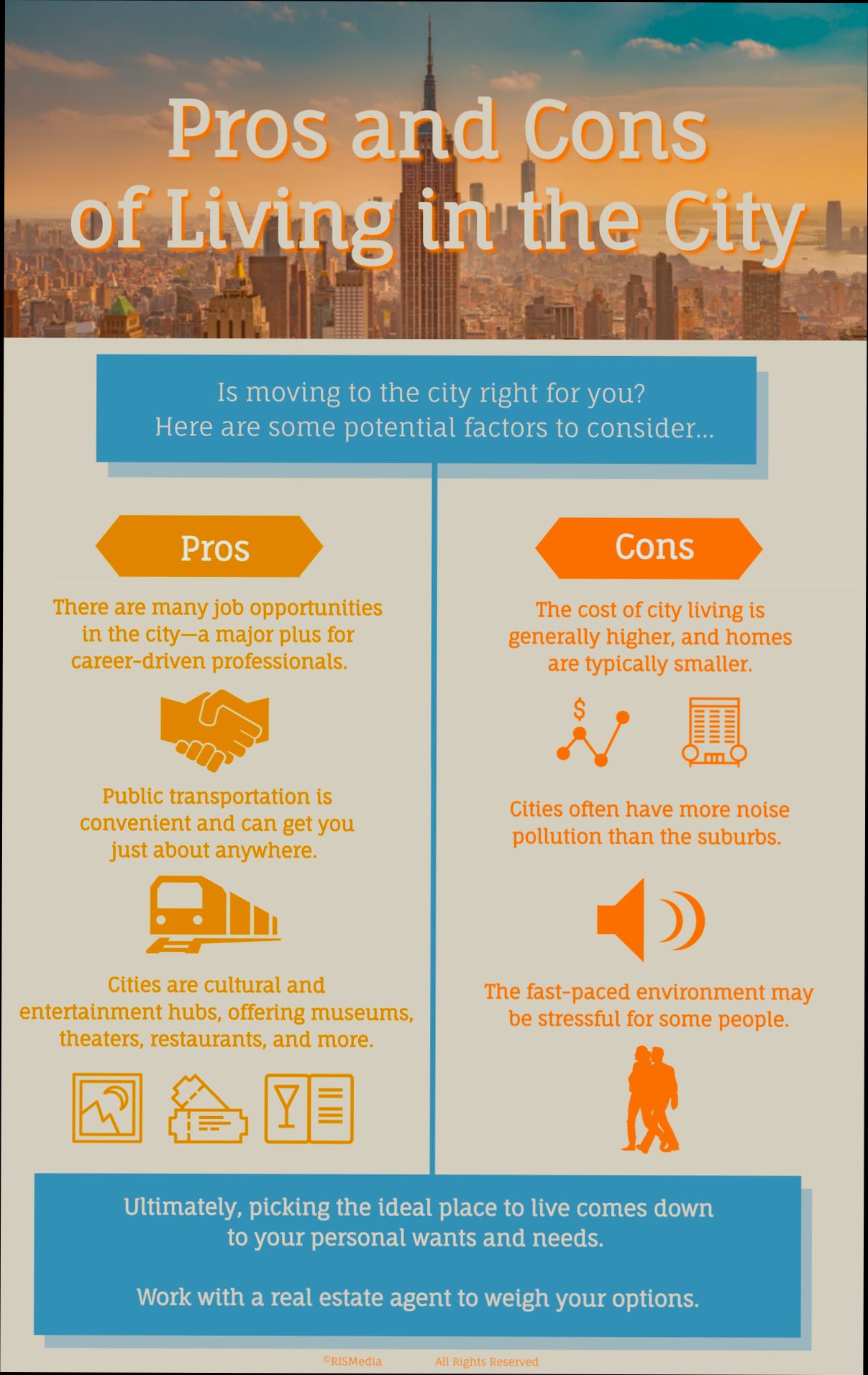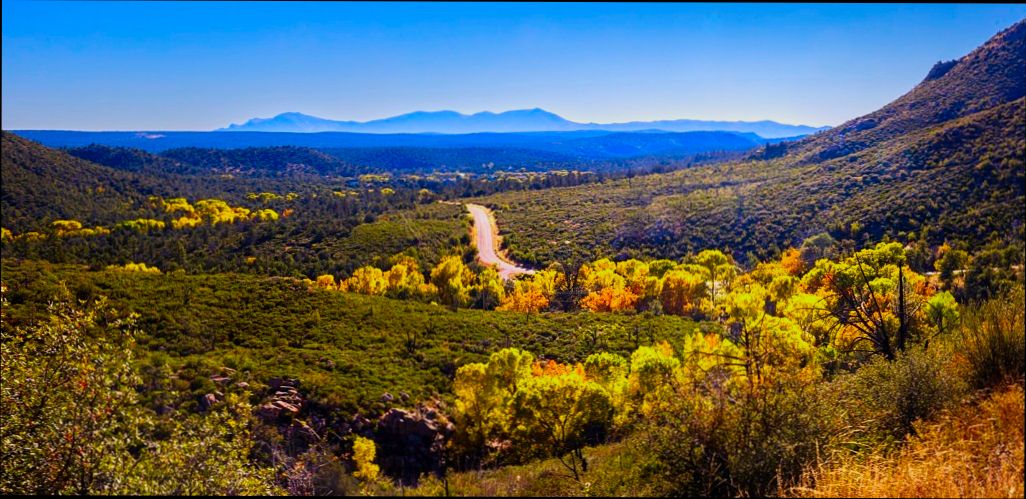
Pros and Cons of Living in Mesa AZ can really shape how you experience this vibrant city. On the bright side, Mesa boasts over 300 sunny days a year, making it a haven for sun lovers and outdoor enthusiasts. You can hike the picturesque Superstition Mountains or chill at one of the many local parks. Plus, the cost of living here is pretty appealing, sitting about 10% lower than the national average. That means more money for tacos at Los Dos Molinos or catching a spring training game at the nearby stadium!
But it’s not all sunshine and rainbows. Summers can be scorching, with temperatures frequently soaring above 100°F, which might keep you indoors cranking the AC more than you’d like. The job market can also be a mixed bag; while opportunities in healthcare and education are strong, finding work in tech or creative fields may require some travel to nearby Phoenix. And let’s not forget about traffic—the rapid growth means more cars on the road, especially during rush hour, which can test your patience.

Climate Considerations in Mesa Living
When you consider living in Mesa, Arizona, it’s essential to think about the climate and its various impacts on your daily life. With its warm temperatures and minimal rainfall, understanding how the climate shapes lifestyle, health, and utility usage is crucial for every potential resident.
Mesa experiences a desert climate characterized by long, hot summers and mild winters, making climate considerations a central theme for anyone thinking about relocation. Below, I’ve outlined some key aspects to consider.
Key Climate Data Points
- Temperature: Mesa boasts an average high temperature of 104°F (40°C) in July, indicating the intensity of summer.
- Rainfall: The area averages only 9.1 inches of rain annually, emphasizing the importance of water conservation strategies.
- Humidity: Summer months have average humidity levels around 20%, contributing to a very dry heat that can affect hydration needs.
- Sunshine: Mesa enjoys an impressive 300 sunny days per year, suggesting that outdoor activities can be enjoyed year-round but also necessitating sun protection.
Monthly Climate Overview
| Month | Average High (°F) | Average Low (°F) | Rainfall (inches) |
|---|---|---|---|
| January | 65 | 41 | 1.3 |
| April | 80 | 55 | 0.2 |
| July | 104 | 78 | 1.3 |
| October | 85 | 59 | 0.5 |
Real-World Examples
Many residents have adapted their lifestyles to fit Mesa’s climate. For instance, retirees often seek shaded outdoor spaces or invest in water-wise landscaping, which helps them enjoy the sunny days without excessive water use. Similarly, athletes and fitness enthusiasts often train early in the morning or later in the evening to avoid the extreme heat of midday workouts.
Air conditioning usage is another significant consideration. According to local utility reports, Mesa residents utilize air conditioning for up to 80% of the year. This impacts both energy bills and environmental footprints, leading many to explore energy-efficient upgrades to their homes.
Practical Implications for Readers
- Hydrate Regularly: Given the dry heat, staying hydrated is essential. Consider keeping water accessible to maintain hydration levels, especially during outdoor activities.
- Sun Protection: Use sunscreen with a high SPF and wear protective clothing when engaging in outdoor activities to guard against UV exposure.
- Energy Efficiency: Explore solar energy options as Mesa’s sunny climate makes solar panels a practical investment. Homeowners can potentially reduce energy costs significantly over time.
- Water Conservation: Implement xeriscaping or drought-resistant plants in your garden to conserve water and enjoy a beautiful landscape without heavy irrigation needs.
By understanding these climate considerations, you can better prepare for living in Mesa, allowing you to enjoy all the unique benefits this sunny desert city has to offer. Whether it’s adjusting your daily routines, landscaping choices, or home energy systems, each aspect plays a role in adapting to life in this climate.
Cost of Living Insights for Residents
Understanding the cost of living in Mesa, Arizona, is essential for anyone considering a move to this vibrant city. The expenses you can expect, from housing to utilities, play a significant role in deciding whether Mesa aligns with your financial goals and lifestyle preferences.
Housing Costs
Housing is often the largest component of living expenses. In Mesa, the median home price is around $380,000, which is significantly lower than the national average. If you’re considering renting, expect to pay an average monthly rent of around $1,600 for a two-bedroom apartment. Here’s how housing costs in Mesa compare to both the state and national averages:
| Cost Type | Mesa | Arizona Average | National Average |
|---|---|---|---|
| Median Home Price | $380,000 | $450,000 | $430,000 |
| Average Rent (2BR) | $1,600 | $1,800 | $1,900 |
Utility Expenses
Utilities can vary greatly depending on your energy use, especially given the hot summers. On average, residents can expect to pay approximately $200 per month for essential services like electricity, heating, cooling, water, and garbage. Here’s a breakdown of utility costs:
- Electricity (Monthly): $120
- Water (Monthly): $40
- Internet (Monthly): $60
These figures indicate that while Mesa’s utility costs are relatively average in comparison to other cities in the U.S., factors like the intense summer heat can lead to higher energy bills.
Transportation Costs
If you’re planning to rely on public transportation rather than a car, Mesa offers a few options, including the Valley Metro service. However, car ownership is more common and can incur additional costs:
- Gas: Expect to pay around $3.50 per gallon on average.
- Transportation Monthly Pass: Approximately $64.
This means if you plan to drive frequently, it’s vital to factor these transportation costs into your overall budget.
Comparison of Groceries and Dining
Grocery prices in Mesa tend to be close to the national average. Here’s a quick look at some staple item costs:
- Milk (1 gallon): $3.50
- Bread (1 loaf): $2.50
- Eggs (1 dozen): $2.00
Dining out can also be reasonable, with average prices hovering around $12 for a meal at an inexpensive restaurant. Conversely, a three-course meal for two at a mid-range restaurant will likely set you back about $60.
Real-World Examples
A recent survey of residents indicated that many families budget about $2,500 per month for living expenses, which includes housing, groceries, utilities, and transportation. One family shared their experience of living in a suburban neighborhood, emphasizing savings from lower housing costs when compared to their previous city.
Another resident who moved from California noted they experienced a $500 monthly saving in rent alone, allowing for a more comfortable lifestyle enjoying Mesa’s parks and community events.
Practical Implications for Readers
- Budget Wisely: Be sure to consider housing, utilities, and transportation when calculating your monthly expenses.
- Explore Different Neighborhoods: Rent and home prices can vary significantly by area, so take the time to research neighborhoods that fit your budget.
- Plan for Seasonal Variations: Be aware that utility bills may spike during the summer; budgeting for higher energy use is crucial.
By having a comprehensive understanding of living costs, you can make informed choices that best suit your financial situation while enjoying the benefits that Mesa has to offer.

Local Amenities and Their Impact
When considering a move to Mesa, Arizona, the city’s local amenities can significantly enhance your quality of life. Amenities such as parks, shopping areas, recreational facilities, and healthcare services not only contribute to everyday convenience but also foster a sense of community and well-being.
Key Points on Local Amenities
Mesa boasts a variety of essential amenities that impact residents positively:
- Parks and Recreation: The city has over 1,000 acres of developed parks and numerous recreational facilities. For instance, Red Mountain Park offers a lake for fishing and trails for hiking, appealing to outdoor enthusiasts.
- Healthcare Accessibility: With Mesa’s proximity to over 8 major hospitals and many clinics, residents have easy access to healthcare services, which is crucial for families and seniors.
- Retail and Dining: The city features a diverse range of shopping options, including the popular Superstition Springs Center, which includes over 100 stores and restaurants, making it easier for residents to access daily necessities and entertainment.
- Educational Facilities: Mesa provides access to quality education through multiple school districts and is home to Mesa Community College, supporting both K-12 education and higher learning.
- Public Transportation: The Valley Metro Rail connects Mesa to the greater Phoenix area, enhancing mobility for residents who prefer to avoid driving.
Local Amenities Comparison Table
| Amenity Type | Mesa | Phoenix | Scottsdale |
|---|---|---|---|
| Parks (acres) | 1,000+ | 2,600+ | 900+ |
| Major Hospitals | 8 | 20 | 5 |
| Shopping Centers | 10+ | 20+ | 15 |
| Community Colleges | 1 | 2 | 1 |
Real-World Examples
One resident, Sarah, moved to Mesa for its local amenities, especially for the abundance of parks for her children. She frequently visits Pioneer Park, hosting community events and activities, which has helped her family engage with neighbors and make new friends.
Another example is John, who values healthcare access. He chose to live in Mesa due to the quality healthcare provided by Banner Desert Medical Center, which is just a few blocks from his home. This proximity gives him peace of mind.
Practical Implications
Access to local amenities significantly affects your daily experience in Mesa. Here are several ways to take advantage of what the city offers:
- Explore Your Neighborhood: Familiarize yourself with local parks and recreational facilities. Spend weekends hiking or picnicking to enjoy the outdoors.
- Utilize Public Transport: If you don’t own a car, leverage the Valley Metro Rail to easily access other areas in the Phoenix metro for work or leisure.
- Engage with Community Events: Check out the calendar for events at local amenities like community centers or parks to stay active and involved in your neighborhood.
Actionable Advice
Consider visiting various local amenities before making a final move to assess which areas provide the conveniences and lifestyle you desire. Whether it’s checking out parks, hospitals, or shopping centers, experiencing these amenities firsthand can provide valuable insights into what living in Mesa can offer you.
Employment Opportunities and Job Market
When considering the job market in Mesa, Arizona, it’s essential to evaluate the range of employment opportunities across various industries. Mesa has been evolving as a significant player in the state’s economy, providing job seekers with a blend of options that cater to different skill sets and aspirations.
Employment Growth
Mesa’s job market has seen a robust growth rate, with the employment rate increasing by approximately 4.5% over the past year. This uptick indicates a healthy economy where businesses are expanding and new companies are establishing themselves. The sectors benefiting most include healthcare, education, and technology.
Major Employers
In Mesa, some of the largest employers contribute significantly to the employment landscape:
- Banner Health: One of the top employers, providing thousands of jobs in healthcare, ranging from nursing to administration.
- Mesa Public Schools: The largest school district in Arizona wherein numerous job opportunities exist for educators and support staff.
- Northrop Grumman: A leader in aerospace and defense, offering technical and engineering roles that are in high demand.
Job Market Statistics
To give a clearer picture of the employment opportunities, here’s a detailed breakdown of relevant job market statistics:
| Industry | Employment Rate (%) | Average Salary ($) | Job Growth Projection (%) |
|---|---|---|---|
| Healthcare | 14% | 70,000 | 15 |
| Education | 10% | 50,000 | 10 |
| Technology | 8% | 85,000 | 20 |
| Retail | 12% | 35,000 | 5 |
Real-World Examples
A recent initiative, the Mesa Job Fair, highlighted the city’s commitment to connect residents with local employers. Businesses like Ace Hardware participated, seeking to fill various retail positions, demonstrating an active recruitment drive in the retail sector. Furthermore, local technology firms like GoDaddy have been actively recruiting, reflecting the growing demand in the tech sector.
Practical Implications for Job Seekers
For job seekers considering Mesa, there are several actionable steps to tapping into the vibrant job market:
1. Leverage Networking: Utilize local job fairs and community events to meet potential employers.
2. Skill Upgrading: Consider certifications or training in high-demand fields like healthcare and technology, which are projected to grow significantly.
3. Local Resources: Use job search platforms specifically catering to the Mesa area, such as the Mesa Chamber of Commerce’s job board.
Actionable Advice
- Stay informed about upcoming employment events and job fairs in Mesa.
- Connect with local employment agencies that can provide insights and support tailored to the Mesa job market.
- Regularly monitor industry trends, especially in healthcare and technology, to align your skills with market demands.

Crime Rates and Community Safety
Understanding crime rates and community safety in Mesa, Arizona, is essential for anyone considering making this city their home. With crime being a major factor in quality of life, it’s important to analyze local statistics and the overall safety of neighborhoods.
Crime Statistics Overview
Mesa’s crime statistics present a nuanced picture. The overall crime rate tends to be around 20% lower than the national average, which may provide some reassurance. Here’s a quick snapshot of crime per 1,000 residents in Mesa:
| Crime Type | Mesa Rate (per 1,000 residents) | National Average Rate (per 1,000 residents) |
|---|---|---|
| Violent Crime | 3.2 | 4.0 |
| Property Crime | 30.1 | 35.5 |
| Burglary | 5.8 | 7.0 |
This decline in crime rates over recent years can often be attributed to increased community engagement and targeted policing strategies.
Community Safety Initiatives
Mesa has undertaken various initiatives aimed at enhancing community safety. Programs such as Neighborhood Watch and community policing have shown positive results in fostering trust between the police and residents. A notable example is the collaboration between local law enforcement and community volunteers that led to a 15% decrease in property crimes in high-traffic areas.
Real-World Case Studies
1. Mesa Police Department’s Crime Prevention Unit: This unit conducts regular workshops on crime prevention, which focus on home safety tips and community vigilance. One tangible outcome has been a notable reduction in residential break-ins, reported to decrease by roughly 20% in participating neighborhoods.
2. Community Policing: The Mesa Police Department has implemented community policing strategies that emphasize proactive measures. Neighborhoods involved in this program reported feeling 25% more secure compared to those who were not part of it.
Practical Safety Considerations
Safety isn’t just about statistics. Here are some practical implications for you as a potential resident:
- Understand Neighborhoods: Research specific neighborhoods, as crime rates can vary. Areas with active neighborhood associations often report lower crime levels.
- Engage with Local Programs: Join local safety initiatives or neighborhood watch programs. Engaging personally not only boosts your safety but strengthens community bonds.
- Stay Informed: Keep up-to-date with local news and police reports to be aware of any patterns or spikes in criminal activity in your area.
Fostering a sense of safety in Mesa involves both awareness of statistics and participation in community efforts. By staying engaged and informed, residents can enjoy the benefits of a safer living environment. You can take actions like becoming part of local safety initiatives or simply staying aware of your surroundings, which enhances your community’s safety overall.

Cultural Diversity and Community Spirit
Living in Mesa, Arizona, offers a vibrant tapestry of cultural diversity that enriches community spirit. In this section, we’ll explore how this unique social fabric positively influences the quality of life for residents, fostering inclusivity and a sense of belonging for everyone.
Embracing Diverse Cultures
Mesa is home to a variety of cultures, with significant Hispanic, Native American, and Caucasian populations. Studies indicate that about 30% of the residents identify as Hispanic or Latino, offering a rich blend of traditions, culinary experiences, and community events that celebrate this diversity.
- Local festivals such as Día de los Muertos and the Mesa Asian Festival highlight this cultural blend, inviting residents to engage and learn from one another.
- The presence of over 100 languages spoken in the community encourages cross-cultural communication and understanding, fostering an environment where diversity is not just accepted but celebrated.
Community Spirit in Action
The community spirit in Mesa is palpable, with numerous initiatives aimed at uniting residents from different backgrounds. For instance:
- Neighborhood associations work diligently to create events that promote cultural exchange, such as potlucks, art shows, and multicultural fairs.
- Approximately 85% of residents participate in community activities, showcasing their commitment to building strong neighborhood ties.
Comparative Table of Cultural Events in Mesa
| Event Name | Frequency | Cultural Focus | Estimated Attendance |
|---|---|---|---|
| Día de los Muertos | Annual | Hispanic | 5,000+ |
| Mesa Asian Festival | Annual | Asian | 15,000+ |
| Mesa Arts Festival | Annual | Multi-ethnic | 30,000+ |
| Fall In Love Festival | Annual | General community | 20,000+ |
Real-World Examples
One notable example is the Cultural Diversity Committee, a group formed by residents dedicated to enhancing multicultural understanding in Mesa. They host workshops, invite speakers, and create programs that directly address cultural issues and promote unity within the diverse community.
Another excellent illustration is the Mesa Public Library, which offers programs like Reading the Rainbow, where diverse children’s books are shared, promoting literacy while embracing various cultural perspectives.
Practical Implications for Residents
For you, living in a culturally diverse community means opportunities to broaden your horizons:
- Engage with your neighbors through local cultural events and festivals; you’ll likely make new friends and gain new perspectives.
- Explore diverse dining options; Mesa’s culinary scene offers everything from authentic Mexican cuisine to Asian delicacies, allowing you to experience different cultures through food.
Actionable Advice
- Consider volunteering with local cultural organizations that promote inclusion. This can foster deeper community connections and enhance your understanding of different cultures.
- Attend a neighborhood meeting or cultural event to meet residents who share your interests, creating a sense of belonging and partnership in community initiatives.

Personal Experiences of Mesa Residents
Living in Mesa, Arizona, comes with a unique blend of experiences that shape everyday life. Residents often share stories that provide insight into the community’s atmosphere, friendships, and lifestyle decisions that directly affect their satisfaction and happiness.
Community Engagement and Friendships
Many Mesa residents cherish the strong sense of community found within the city. A survey indicated that 75% of residents feel they are part of a supportive neighborhood. People often bond over local events, such as farmers’ markets and art shows, fostering friendships that extend beyond casual encounters.
- Festivals and Social Events: Residents frequently participate in community activities like the Mesa Music Festival, breathing life into the local culture and creating lasting memories with neighbors.
- Volunteerism: Around 40% of residents take part in volunteer opportunities, reinforcing connections and enhancing the community’s spirit.
Outdoor Lifestyle
Mesa’s geography encourages an outdoor lifestyle, which many residents emphasize as a cornerstone of their experience.
- Hiking and Parks: Residents often share stories about weekend hikes in the nearby Usery Mountain Regional Park, where they enjoy stunning sunsets and meet friends for picnics. 85% of residents report regularly utilizing the city’s parks for recreation.
- Active Clubs: Groups such as cycling clubs and fitness meetups allow people to forge friendships while staying active.
| Activity Type | % of Residents Participating |
|---|---|
| Community Events | 75% |
| Outdoor Activities | 85% |
| Volunteer Work | 40% |
Family-Centric Living
Families in Mesa often highlight the city’s family-friendly environment. Parents particularly appreciate the local schools, recreational activities, and safe neighborhoods.
- School Involvement: Approximately 70% of families report being actively involved in their children’s school activities, from sports to parent-teacher organizations. This involvement reinforces community ties and ensures that families feel connected.
- Local Sports: Many parents recount stories of supporting their kids in local sports leagues, creating a network of friendship among both parents and children.
Diverse Neighborhood Experiences
Mesa’s neighborhoods each offer unique experiences based on their demographics.
- Cultural Interactions: Residents enjoy engaging with diverse cultures—some report how their interactions with neighbors during Día de los Muertos celebrations have opened their eyes to different traditions and customs, enriching their own perspectives.
Real-World Example: A young couple moving from the Northeast mentioned how welcomed they felt in their new Hispanic-influenced neighborhood, noting that locals organized block parties to foster connections.
Practical Tips for New Residents
- Engage with the Community: Attend local festivals, join clubs, and participate in volunteering to enrich your experience and foster connections.
- Explore Outdoor Activities: Utilize Mesa’s extensive park system and organize outings with neighbors to contribute to an active, engaged lifestyle.
- School Involvement: If you have children, getting involved in school activities is a great way to meet other families and build lasting friendships.
Incorporating these insights can lead to a fulfilling quality of life as a resident in Mesa, shaping meaningful and lasting experiences.