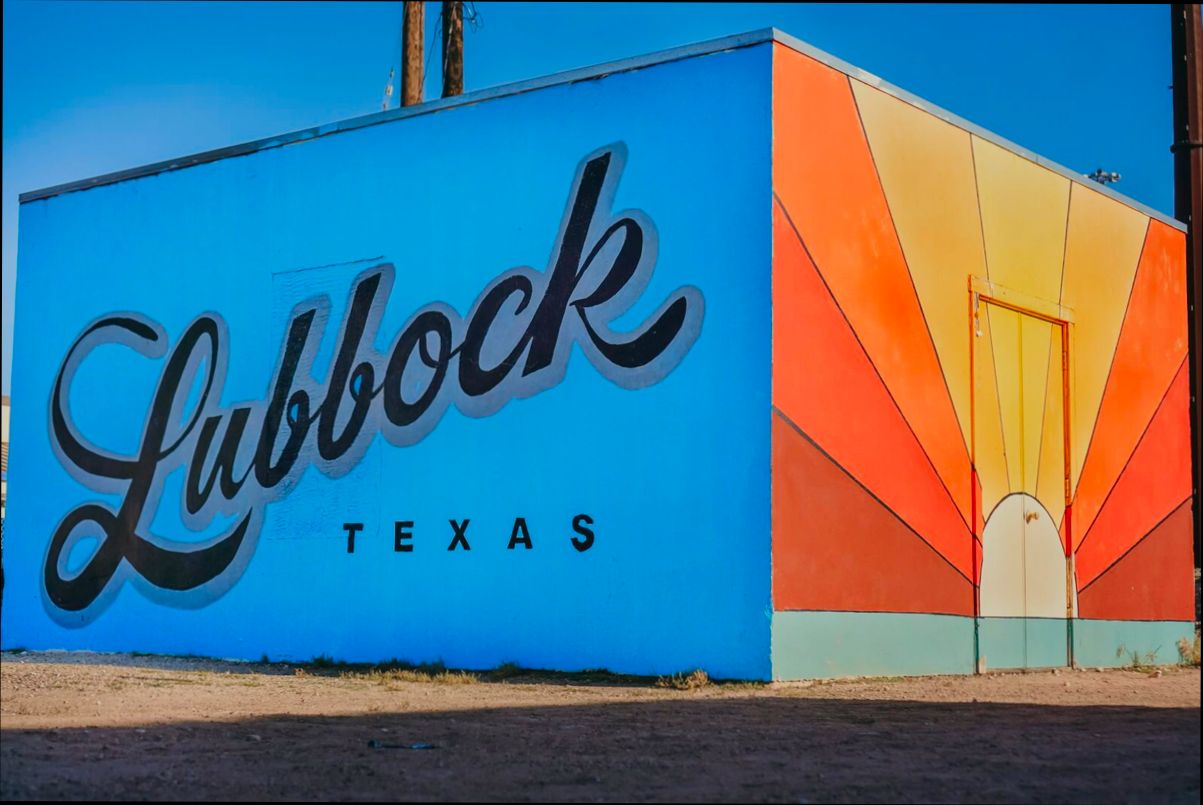
Pros and Cons of Living in Lubbock TX paint a picture that’s as vibrant as the West Texas sunset. On the plus side, the cost of living here is hard to beat. For instance, the median home price hovers around $250,000, making it a great spot for first-time homebuyers or anyone looking to stretch their dollar. Plus, you can enjoy that spacious Texas lifestyle without breaking the bank. Then there’s Texas Tech University, which brings a youthful vibe to the city. You can hit up sports events or tap into the buzzing cultural scene with art galleries and live music that showcase local talent.
But it’s not all sunshine and roses. Those blazing summer days can reach well over 100°F, and trust me, that heat isn’t for the faint of heart! You might find yourself dealing with some serious dust storms as well; they can roll in unexpectedly and cover everything in grit. And while the friendly small-town atmosphere has its charm, some folks feel that the entertainment options can be limited. If you’re craving the hustle and bustle of city life, you might find Lubbock a bit too laid-back for your taste. Overall, living here comes with its own set of trade-offs that are definitely worth considering.

Cost of Living in Lubbock
When considering a move to Lubbock, it’s essential to understand the cost of living. Lubbock offers a unique balance of affordability and quality, making it a viable option for many families and individuals. Let’s dive into the specifics of what you can expect.
Housing Costs
Housing is typically one of the most significant factors in the cost of living. In Lubbock, the median home price is approximately $250,000, which is notably lower than the national average of around $400,000. If you prefer renting, the average rent for a two-bedroom apartment hovers around $1,200, well below many major cities.
Utilities and Groceries
Utilities in Lubbock average around $160 per month, which covers essentials like electricity, heating, water, and garbage. For groceries, the cost aligns favorably with national averages—expect to spend about 12% less on groceries compared to other U.S. areas. For instance, a gallon of milk typically costs about $2.50 here, while the national average sits around $3.00.
Transportation Costs
Lubbock’s transportation expenses also play a vital role. The average gas price in Lubbock is about $3.00 per gallon, which can be lower than the national average depending on market fluctuations. Public transportation options are available, but many residents rely on personal vehicles due to the city’s layout.
Comparative Cost of Living
| Category | Lubbock Average | National Average |
|---|---|---|
| Median Home Price | $250,000 | $400,000 |
| Average Rent (2BR) | $1,200 | $1,500 |
| Utilities | $160 | $180 |
| Groceries | 12% less | N/A |
| Gas Price | $3.00 | $3.20 |
Real-World Examples
Imagine moving to Lubbock from a city like San Francisco, where housing costs can reach upwards of $1.5 million for a similar property. A family relocating from such a high-cost area could save thousands on housing alone. One family that made the switch shared that they now enjoy a four-bedroom home with a backyard for the same price they paid for a tiny apartment back west.
Practical Implications
As you plan your budget, consider the significant savings on housing, utilities, and groceries in Lubbock. You can allocate the funds you save towards other exciting experiences like local dining, entertainment, or education.
Actionable Advice
If you’re contemplating a move, start by evaluating your monthly expenses in your current city and compare them with Lubbock’s cost of living. It could be beneficial to look for housing options a bit outside the city center; you might find even lower rent. Understanding these figures can help you make a more informed decision that fits your lifestyle.

Employment Opportunities and Job Market
When it comes to job prospects, Lubbock, Texas, presents a dynamic landscape that can be both promising and challenging depending on your field. Understanding the specifics of the employment market can help you navigate opportunities more effectively.
Job Growth and Industries
Lubbock sports a steady job growth rate of about 2.5% annually, which indicates a strong, evolving job market. The primary industries contributing to this growth include:
- Education: With Texas Tech University being a significant employer, the education sector offers various positions, from teaching to administrative roles.
- Healthcare: The healthcare sector is booming, with Lubbock having a notable concentration of healthcare facilities, including University Medical Center and Covenant Health.
- Retail and Services: As the population grows, so do the opportunities in retail and service industries, which together account for roughly 20% of the city’s employment.
Data Overview
Here’s an overview of Lubbock’s job market:
| Industry | Percentage of Employment | Average Salary |
|---|---|---|
| Education | 28% | $48,000 |
| Healthcare | 25% | $60,000 |
| Retail Services | 20% | $30,000 |
| Manufacturing | 15% | $50,000 |
| Other | 12% | $40,000 |
Real-World Examples
You might find success in diverse fields in Lubbock. For instance:
- A recent report highlighted how local universities are expanding their research initiatives, which has led to a surge in job openings in research support and administrative roles.
- Local healthcare facilities have increased hiring due to an aging population, with many nurses and technicians seeing an increase in demand for their skills.
- On the retail front, popular chains are opening new locations, providing entry-level to management opportunities for locals.
Practical Implications
If you’re considering moving to Lubbock for employment, the following strategies can help you maximize your chances:
- Networking: Engage with local job fairs and industry meetups to connect with potential employers.
- Skill Development: Take advantage of online courses or local institutions that offer skill enhancement relevant to the growing sectors.
- Internships: Consider internships or part-time roles in sectors like education or healthcare to build your resume.
Actionable Insights
To increase your employability in Lubbock’s workforce, focus on the following:
- Research specific companies within your industry of interest to understand their hiring practices and culture.
- Tailor your resume to highlight skills that align with local job openings, especially those in education and healthcare.
- Stay updated on local economic trends to identify emerging roles and industries that may need your expertise.

Climate Patterns and Weather Considerations
When considering a move to Lubbock, Texas, it’s important to understand the climate patterns and weather conditions that characterize the region. These elements greatly influence lifestyle, outdoor activities, and even daily routines. In Lubbock, the climate is primarily categorized as arid, which means that we experience dry conditions with minimal rainfall throughout the year. However, the weather can be highly variable, offering unique challenges and advantages.
Key Climate Insights
- Average Rainfall: Lubbock receives an average of 18 inches of precipitation annually, which is relatively low and reflects its arid climate. This can impact water availability for gardening and agriculture.
- Temperature Extremes: The region sees temperature fluctuations, ranging from highs of 95°F in the summer to lows of 30°F in winter. This wide range provides distinct seasonal experiences.
- Wind Patterns: Lubbock is known for its often gusty winds, with average wind speeds around 10-15 mph. These can create sudden changes in weather, making it essential to be prepared for swift transitions.
Comparative Overview of Climate and Weather
| Aspect | Climate | Weather |
|---|---|---|
| Duration | Long-term (decades) | Short-term (hours/days) |
| Stability | Relatively stable | Highly variable |
| Focus | Average conditions over time | Specific conditions at a given moment |
Real-World Examples
For instance, a sunny morning in Lubbock might turn into a rainy afternoon due to abrupt atmospheric pressure shifts. This variability exemplifies how quickly we can go from pleasant outdoor conditions to needing an umbrella. Furthermore, during winter months, you might find that one neighborhood experiences light snowfall while another area sees nothing but dry and sunny skies, showcasing the localized nature of weather patterns.
Additionally, Lubbock’s higher altitude—approximately 3,600 feet—significantly contributes to its cooler temperatures, especially during the nights, where a drastic drop can occur. This altitude also affects the unpredictability of weather conditions, which can be a delight for some outdoor enthusiasts looking for cooler summer evenings.
Practical Considerations
Living in Lubbock means investing in versatile clothing to adapt to rapid weather changes. Layering can be essential, especially in transitional seasons. If you enjoy outdoor activities, it’s wise to stay informed on short-term weather forecasts to make the most of clear days.
- Plan Accordingly: Always have a backup plan for outdoor events, as weather conditions can change rapidly.
- Gardening Tips: If you’re interested in gardening, consider drought-resistant plants that thrive in arid climates to make the most of less frequent rainfall.
By understanding these climate patterns and weather considerations unique to Lubbock, you can better prepare for what life in this vibrant Texas city entails.
Cultural Attractions and Community Life
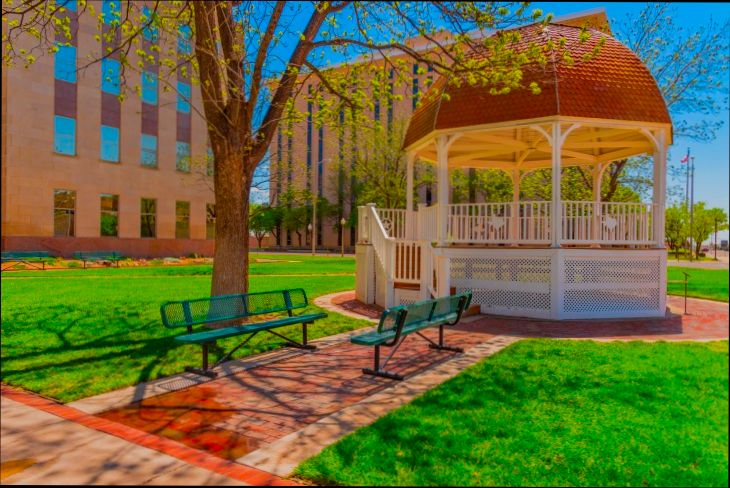
Living in Lubbock, Texas, offers an enriching tapestry of cultural attractions and vibrant community life. As the home of Texas Tech University, the city thrives with various cultural experiences that bring together residents and visitors alike. Let’s explore what makes Lubbock a unique place to immerse yourself in community and culture.
Diverse Cultural Offerings
Lubbock is known for its rich musical heritage, most notably as the birthplace of Buddy Holly. The city’s cultural offerings include:
- Buddy Holly Center: A hub for music lovers showcasing memorabilia, rotating exhibits, and live performances that celebrate the legacy of this rock and roll pioneer.
- Lubbock Cultural Arts District: This area boasts art galleries, theaters, and creative spaces that host festivals, art shows, and community activities. It’s an ever-evolving reflection of local talent.
Community Events and Celebrations
Lubbock’s calendar is punctuated with a variety of events that foster a strong sense of community:
- Lubbock Arts Festival: This annual event attracts more than 20,000 visitors, offering a platform for local and regional artists and performers. You can enjoy visual arts, live music, and creative workshops.
- First Friday Art Trail: Every month, galleries and businesses open their doors for a night of art, music, and culture, promoting community engagement and local creative expression.
Cultural Demographics
Understanding the demographics of Lubbock can enhance your appreciation of its cultural landscape:
| Ethnicity | Percentage |
|---|---|
| White | 60% |
| Hispanic | 30% |
| African American | 10% |
This diverse mix contributes to a variety of cultural festivities, cuisine, and community interactions that enrich everyday life for residents.
Sports and Local Pride
Lubbock has a strong sports culture, particularly surrounding Texas Tech University athletics. The university is known for its:
- Men’s and Women’s Basketball Teams: These events create a sense of unity among fans, where game days become social gatherings that promote community spirit.
- Tailgating and Game Day Traditions: College game days are filled with local food, music, and camaraderie, making it an integral part of the Lubbock experience.
Practical Implications
Engaging with Lubbock’s cultural attractions can enhance your quality of life in the city:
- Participating in community events offers networking opportunities and boosts local friendships.
- Exploring local art and music nurtures creativity and promotes mental well-being.
Specific Facts for Cultural Enthusiasts
- More than 300 days of sunshine per year makes Lubbock ideal for outdoor cultural festivals and events.
- Over 35 local parks provide venues for community gatherings, concerts, and other performances.
Embracing Lubbock’s cultural scene and lively community events can greatly enrich your experience, making it a fulfilling place to call home.

Education System and School Quality
When exploring the education system in Lubbock, Texas, you’ll notice a distinct blend of public, private, and higher education institutions. This section focuses on key aspects of school quality and the overall educational landscape that can affect your decision to live in this vibrant city.
K-12 Education Overview
The K-12 education system in Lubbock is served by several independent school districts, with Lubbock Independent School District (LISD) being the largest. A few key points to consider are:
- Student-Teacher Ratios: The average student-teacher ratio in LISD is around 15:1, providing a more personalized learning environment.
- Test Scores: Approximately 75% of students in Lubbock schools meet or exceed state standards on standardized tests, showcasing a solid educational foundation.
- Graduation Rates: Lubbock has a high school graduation rate of about 90%, indicating that most students are successfully completing their education.
Comparative School Quality Table
| Metric | Lubbock Independent School District | Texas State Average |
|---|---|---|
| Student-Teacher Ratio | 15:1 | 16:1 |
| Standardized Testing Success | 75% | 70% |
| High School Graduation Rate | 90% | 88% |
Higher Education Opportunities
Lubbock is home to Texas Tech University, one of the major public research universities in Texas. This not only enhances the city’s educational prestige but also enriches the options available for higher education, community engagement, and research initiatives.
- Diverse Programs: Texas Tech offers over 150 undergraduate programs, catering to an array of interests and career paths.
- Research Impact: The university contributes more than $1 billion annually to the local economy, illustrating its importance to the region’s educational framework.
Real-World Examples
- Praises from Parents: Many parents express satisfaction with the LISD’s focus on STEM (Science, Technology, Engineering, and Mathematics), which aligns with contemporary job market demands. Schools like Wilson Elementary have been recognized for innovative programs that encourage critical thinking and creativity.
- Community Involvement: Numerous high schools engage with local industries, paving pathways for students into internships and job placements that provide real-world experience while still in school.
Practical Implications for Families
If you’re a parent considering a move to Lubbock, pay attention to the following actionable insights:
- Research Schools: Take the time to explore school performance reports and visit campuses to understand the environment where your child may learn.
- Engage with the Community: Involvement in school activities can greatly enhance your child’s educational experience and connect you with other families.
- Support Programs: Look for after-school and extracurricular programs that align with your child’s interests, as these can supplement their educational journey.
Being informed about the education system and school quality in Lubbock will help you make the best choices for you and your family as you consider this vibrant city for your new home.
Health Care Facilities and Access
Living in Lubbock, Texas, comes with a range of health care options, making it crucial to understand what the city has to offer. Access to quality health care is a vital consideration for many individuals and families. In this section, we’ll dive into the health care facilities available in Lubbock and how they impact your quality of life.
Overview of Health Care Facilities
Lubbock is home to several medical facilities that provide comprehensive health care services:
- University Medical Center: This facility is a major regional medical center, providing specialized services such as trauma care, women’s health, and pediatric services.
- Lubbock Heart & Surgical Hospital: Focused on cardiac care, this hospital also performs a variety of surgical procedures.
- Covenant Health System: A network offering a range of services, including outpatient care, imaging, and rehabilitation therapy.
On average, Lubbock residents have access to around 10 hospitals within a 20-mile radius, enhancing overall accessibility for various medical needs.
Access and Quality of Care
Understanding health care access is essential for new residents:
- Health Profession Shortage Areas: Some areas within Lubbock are designated as Health Profession Shortage Areas (HPSAs), which may lead to longer wait times for specific specialties.
- Patient-Physician Ratio: The ratio of primary care physicians to the population in Lubbock is approximately 1:1,400, which is relatively favorable compared to the national average of about 1:1,200.
| Facility Name | Type | Services Offered |
|---|---|---|
| University Medical Center | General | Trauma, Women’s Health, Pediatrics |
| Covenant Health | Network | Outpatient, Imaging, Rehabilitation |
| Lubbock Heart & Surgical Hospital | Specialized | Cardiac Care, Surgical Procedures |
Real-World Examples
Lubbock’s health care facilities have been pivotal during emergencies like the recent pandemic, where local hospitals collaborated to set up drive-through testing sites, ensuring swift access for residents. Additionally, the community has witnessed improvements in telehealth options, which have become increasingly popular, especially for minor consultations and follow-ups.
Practical Implications
When relocating to Lubbock, keep the following actionable insights in mind regarding health care access:
- Insurance Network: Check if your healthcare insurance covers providers in Lubbock, particularly if you’re coming from a different state.
- Emergency Services: Familiarize yourself with the nearest emergency room and their wait times, especially if you have family members with chronic conditions.
- Telemedicine Options: Consider participating in telehealth services to reduce travel times and access care more conveniently.
Specific Facts to Consider
- About 80% of residents indicate satisfaction with the health care services available in Lubbock, reflecting a generally healthy community environment.
- Lubbock has seen a significant increase in mental health resources, with several clinics specifically focusing on counseling and psychiatry becoming more accessible over the past five years.
You can leverage these insights to better navigate your health care options if you decide to make Lubbock your home.

Population Trends and Demographic Insights
Understanding the population trends and demographic insights in Lubbock, Texas, is crucial for anyone considering a move to this vibrant city. As you delve into these trends, you’ll gain perspective on the city’s growth, age distribution, and diversity, which can influence lifestyle choices and community engagement.
Population Growth and Size
Lubbock has seen significant population growth over recent years. As of 2023, the population stands at approximately 260,000, reflecting a steady upward trend. This growth can be attributed to factors such as:
- The presence of Texas Tech University, which continues to attract students and professionals.
- Job opportunities in various sectors, including education, healthcare, and agriculture.
This steady growth fosters a sense of community, as more people contribute to the local economy and cultural scene.
Age Distribution
The age distribution in Lubbock provides valuable insights into the community’s composition and social fabric. Here’s a breakdown of the demographics:
- Under 18 years: 25%
- 18 to 24 years: 15%
- 25 to 44 years: 30%
- 45 to 64 years: 20%
- 65 years and older: 10%
This distribution indicates a relatively young population, with a substantial percentage in the working-age group, which can enhance local economic vitality.
Diversity and Ethnic Composition
Lubbock prides itself on its diverse population. The ethnic composition is as follows:
- White: 68%
- Hispanic or Latino: 26%
- Black or African American: 5%
- Asian: 2%
This diversity enriches the cultural landscape, offering varied experiences in cuisine, festivals, and community events. Engaging with this diversity can deepen your appreciation for the community as you explore different cultural backgrounds.
Comparative Overview of Population Characteristics
| Demographic Feature | Percentage in Lubbock | National Average |
|---|---|---|
| Population Growth Rate | 1.8% | 0.7% |
| Median Age | 31 years | 38 years |
| Percentage of College Grads | 28% | 32% |
| Diversity Index | 0.52 | 0.57 |
This table illustrates Lubbock’s unique demographic advantages, such as its youthful population and quicker growth rate compared to national averages, which can impact local policies and community initiatives.
Real-World Examples
To give you a clearer picture, consider the impact of local universities on the population. Texas Tech University not only plays a pivotal role in the educational landscape but also contributes to the demographic makeup by attracting a younger crowd. This influx creates a vibrant atmosphere filled with a variety of activities aimed at the student demographic, influencing everything from housing markets to nightlife options.
Additionally, community organizations have responded to these demographic changes by developing programs tailored for various age groups and cultural experiences. For instance, recent initiatives have focused on incorporating bilingual education and community events that celebrate the diverse heritage of Lubbock’s residents.
Practical Implications
For potential residents, these population trends mean a couple of things:
- Networking Opportunities: With a young, diverse population, you’ll find ample opportunities to network both socially and professionally.
- Community Engagement: Local organizations are likely to have initiatives that cater to different age groups and cultural backgrounds, allowing you to engage based on your interests.
Consider exploring local gatherings and events to better understand these dynamics, as they can enrich your experience in the city.
Specific Facts to Consider
- Lubbock’s population growth rate outpaces the national average, indicating a thriving environment for newcomers.
- The city’s median age of 31 suggests a dynamic community with many young families and professionals, which can positively impact local services and amenities.
- Engaging with the community through events and local organizations can foster connections and enhance your living experience in Lubbock.