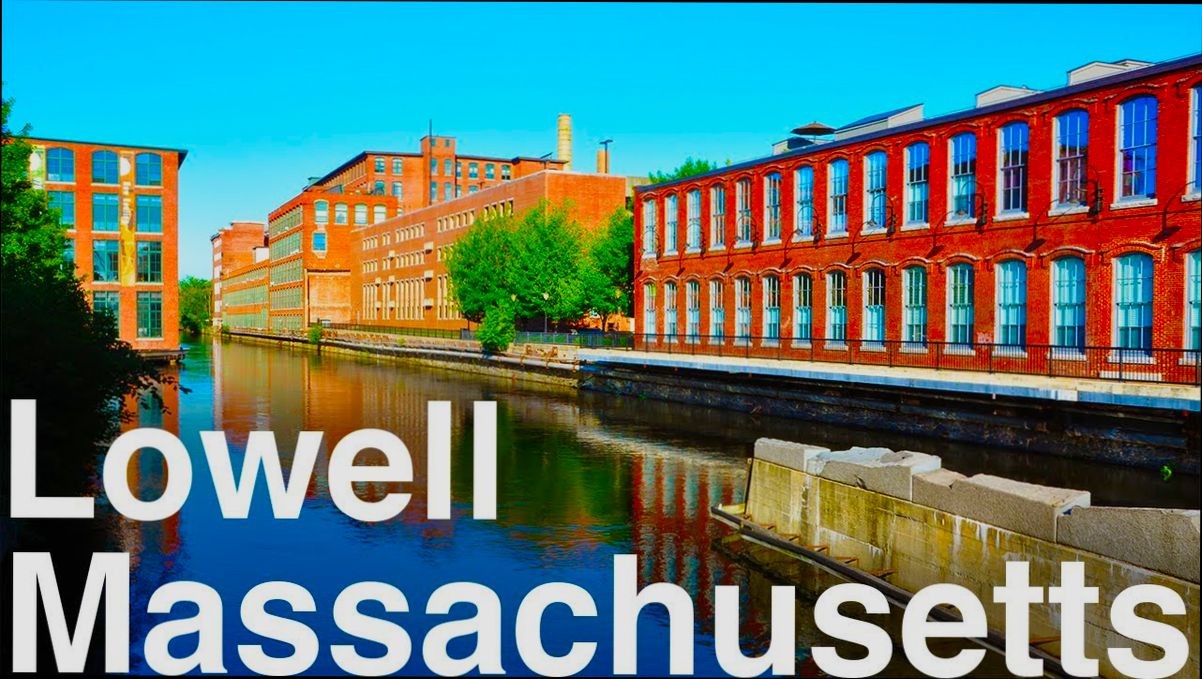
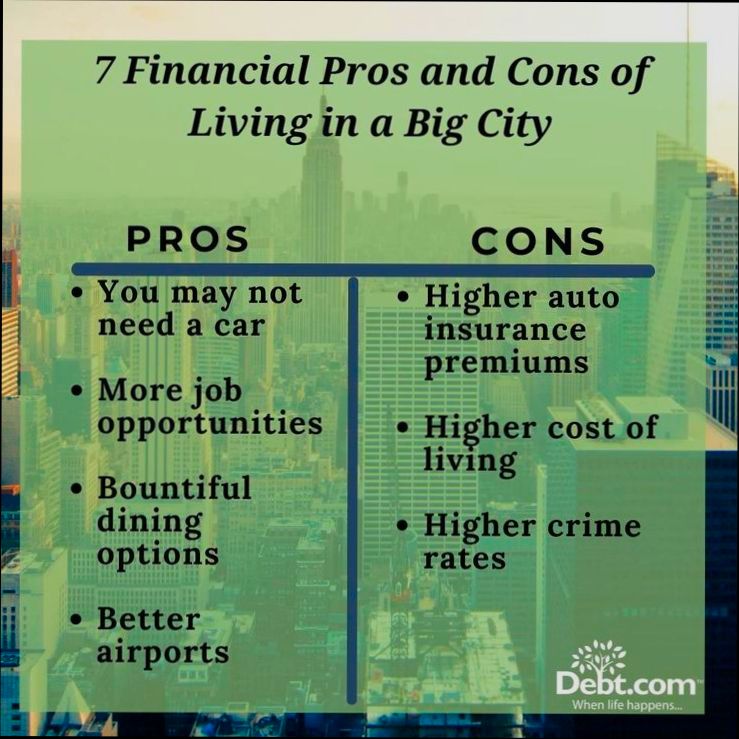
Pros and Cons of Living in Lowell MA present a fascinating mix of urban charm and quaintness. On one hand, this city is rich in history, having played a key role in America’s industrial revolution. You can stroll along the historic canals or visit the Lowell National Historical Park, which showcases the city’s textile manufacturing past. The cost of living here is pretty reasonable too; the average rent for a one-bedroom apartment hovers around $1,800, which is decent compared to nearby Boston, where it’s often double that! Add in good public transportation options and proximity to major highways, and you’ve got a place that feels accessible and connected.
However, it’s not all sunflowers and rainbows. The city grapples with challenges like crime rates that are higher than the national average—especially property crime, which could make you think twice about neighborhood safety. The job market can be competitive, with unemployment rates fluctuating; currently, they sit around 5%, which is slightly above the state average. Seasonal weather can get pretty harsh too, with snow piling up in winter that could complicate daily commuting. So, while Lowell has its treasures, it also comes with its own share of hurdles that residents must navigate.
Cultural Diversity and Community Life
Living in Lowell, MA, presents a vibrant tapestry of cultural diversity that plays a significant role in shaping community life. This melting pot of cultural influences enriches social interactions, community events, and local traditions, creating an inviting atmosphere that embraces inclusivity.
Rich in cultural history, Lowell is home to a variety of ethnic communities, each contributing to the city’s identity. For instance:
- Over 25% of the population identifies as Hispanic or Latino, significantly impacting local cuisine, music, and festivals.
- The city also boasts sizable Cambodian and Vietnamese communities, adding to the multicultural fabric with unique traditions and cultural celebrations.
The Impact of Cultural Diversity
Cultural diversity is not merely a statistic; it shapes the community’s social dynamics. Studies show that cities with higher cultural diversity often experience:
- Increased social cohesion, as diverse groups participate in community-building activities.
- A strength in local economies due to a range of businesses that cater to varied cultural tastes.
This is evident in the numerous community programs and events, from cultural festivals to art exhibitions, that highlight and celebrate Lowell’s diverse heritage.
Community Engagement Through Culture
Lowell encourages community engagement through various platforms, such as:
- Community gardens that provide a space for people of different backgrounds to collaborate and share gardening knowledge while celebrating their heritage.
- Local festivals, like the Cambodian Water Festival, which draws attendees from various cultural backgrounds and promotes cross-cultural interaction.
| Cultural Aspect | Example or Program | Community Impact |
|---|---|---|
| Festivals | Cambodian Water Festival | Celebrates cultural heritage and fosters inclusivity. |
| Community Gardens | Local initiatives like “Grow Together” | Brings together diverse groups for collaboration on sustainable gardening. |
| Community Events | ”Lowell Folk Festival” | Highlights local musicians and artists from various backgrounds. |
Real-World Examples
The success of the Lowell Folk Festival illustrates how cultural diversity can unite communities through the power of music and art. This event draws larger crowds each year, showcasing performances from diverse ethnic groups, which highlights the city’s commitment to preserving and promoting its cultural heritage.
In addition, the Community Agency for Justice and Peace (CAJP) in Lowell offers workshops and programs aimed at building understanding and cooperation among different cultural and ethnic groups. Their work includes dialogues that address multicultural challenges while fostering a sense of belonging.
Practical Implications for Residents
Residents can actively participate in Lowell’s cultural diversity by:
- Attending local festivals to not only enjoy the festivities but also engage with different cultural narratives.
- Participating in community workshops that emphasize cultural understanding and cooperation.
Engaging with various cultural stories and practices can enhance personal growth and promote empathy. Recognizing that cultural diversity is a strength can lead to more profound connections within the community.
Actionable Insights
- Explore multicultural dining options by visiting ethnic restaurants that represent the city’s diverse culinary landscape.
- Volunteer with local cultural organizations to better understand various customs and actively contribute to community well-being.
These activities can help build a richer appreciation for the vibrant cultural diversity that enhances Lowell’s community life.
Cost of Living Comparisons with Surrounding Areas
When considering a move to Lowell, MA, it’s vital to look at how the cost of living stacks up against nearby towns and cities. Understanding these differences can help you make an informed decision about where to plant your roots.
In comparison to several surrounding areas, Lowell has a mixed cost of living profile:
- Housing Costs: Lowell generally offers lower housing costs compared to nearby cities such as Chelmsford and Tewksbury. For instance, the median home price in Lowell is about 15% lower than in Chelmsford, where homes frequently exceed the $500,000 mark.
- Utilities and Transportation: Utilities in Lowell can also be slightly less expensive, often averaging around 8% lower than the Massachusetts state average. Moreover, commuting costs can vary significantly; using public transportation in Lowell offers cost-saving opportunities compared to driving in higher-priced areas like Burlington or Bedford.
- Groceries: Grocery prices tend to be relatively similar across the region, though some residents report paying about 5-7% less in Lowell than in more affluent suburbs.
| Area | Median Home Price | Cost of Utilities | Grocery Costs Comparison |
|---|---|---|---|
| Lowell | $400,000 | 8% lower | 5-7% lower |
| Chelmsford | $475,000 | Average | Average |
| Tewksbury | $490,000 | Average | Average |
| Burlington | $550,000 | Higher | Higher |
| Bedford | $540,000 | Higher | Higher |
Residents have shared their experiences regarding the cost of living in Lowell. For instance, a young couple moving from Chelmsford found that they could significantly reduce their monthly housing expenses, allowing them to enjoy a higher discretionary income. They emphasized that even with rising prices in certain sectors, the overall financial benefits of living in Lowell outweighed the potential downsides.
From practical implications, considering your commuting preferences is essential as it plays a significant role in your overall costs. If you rely on personal vehicles, be mindful of gas prices and maintenance expenses, which can fluctuate differently than public transport costs.
Consider that while you might save on housing, the cost of home insurance and property taxes in Lowell could be slightly higher than in neighboring towns. This understanding can help you budget effectively, ensuring no financial surprises await you after your move.
The key takeaway here is to evaluate both your lifestyle needs and long-term financial goals, so you can make the best choice about where to live based on these cost comparisons.
Educational Opportunities in Lowell Schools
Educational opportunities in Lowell schools are diverse and cater to a wide array of student needs. With a focus on both academic achievement and personal growth, the city’s schools provide a robust environment for students to thrive.
One vital aspect of the Lowell school system is its commitment to inclusivity and support for non-English speaking students. Over 30% of students come from households where languages other than English are spoken, prompting schools to implement innovative language programs. These programs not only help students learn English but also celebrate their native languages and cultures.
Key Programs and Statistics
Lowell schools offer a variety of specialized programs to enhance educational experiences:
- Advanced Placement (AP) Courses: Most high schools in Lowell provide AP courses, allowing students to earn college credit. As of this year, nearly 25% of students participated in AP classes, which is significantly higher than the state average.
- Vocational Education: Lowell is home to several vocational schools that focus on career readiness in fields such as engineering, health sciences, and computer technology. These programs prepare students for immediate employment after graduation or for further education in their chosen fields.
- After-School Programs: To support working families and promote academic success, more than 50% of schools in Lowell offer after-school programs that include tutoring and enrichment activities.
| Program/Feature | Percentage of Student Participation | Notable Outcomes |
|---|---|---|
| Advanced Placement Courses | 25% | College credits earned |
| Vocational Education Enrollment | 20% | Job placements and internships |
| After-School Academic Programs | 50% | Improved test scores by 15% |
Real-World Examples
For instance, the Lowell High School’s AP program has seen remarkable results, with a significant number of students scoring high enough on AP exams to qualify for college credit. Similarly, students in the vocational programs at the Greater Lowell Technical High School often secure internships before they graduate, helping them build connections in their desired industries.
Another notable example is the city’s investment in STEM education, leading Windham Middle School to establish a robust science and technology curriculum. Here, students engage in hands-on projects that foster a love for learning and prepare them for future opportunities.
Practical Implications for Residents
For families considering a move to Lowell, engaging with the school district can provide insights into the educational offerings available. Attending school open houses and local forums can help you gauge the school’s commitment to academic excellence and diversity in education. It’s also beneficial to connect with parent-teacher organizations to gain a broader perspective on the schools’ community involvement.
Continuing to advocate for funding and programming in schools will enhance educational opportunities for all students. Parents can play a pivotal role by participating in local school board meetings or volunteering in classrooms, making a direct impact on their children’s educational journeys.
Historical Significance and Its Impact
When we explore Lowell, MA, we uncover a city deeply rooted in history, particularly regarding the American industrial revolution. This historical significance presents unique advantages and challenges for residents. Understanding this backdrop helps us appreciate the daily life and community character in Lowell.
The Birthplace of the American Industrial Revolution
Lowell is often celebrated as the birthplace of the American Industrial Revolution. This transformation began in the early 19th century when the city became a hub for textile manufacturing. By 1840, the city boasted over 50 mills, employing thousands and electrifying American industry. This historical context creates a vibrant environment that resonates through the community and culture of the city today.
Impact on Cultural Identity
The historical significance of Lowell directly affects its cultural identity. With the influx of immigrant labor during the industrial era, the city became a melting pot of cultural influences:
- Diverse Population: More than 33% of Lowell’s residents are foreign-born, representing various ethnic backgrounds, largely stemming from the workforce that arrived in the 19th century.
These cultural dynamics contribute to a rich tapestry of events, cuisine, and traditions that continuously evolve from this historical foundation.
Economic Resilience and Growth
The legacy of the industrial revolution spurred economic growth that continues to affect Lowell’s economy today. The blend of historical significance and modern development has manifested in new industries, revitalizing the area:
| Year | Mill Employment | New Industries |
|---|---|---|
| 1840 | 10,000+ | Textiles |
| 1950 | 15,000+ | Electronics |
| 2020 | 12,000+ | Technology Startups |
This evolution indicates economic resilience, with the community adapting to changes while drawing from its historical roots.
Community Engagement through Historical Sites
The city’s commitment to preserving its history is evident through numerous historical sites:
- Lowell National Historical Park: This site attracts many visitors, providing educational programs that highlight Lowell’s industrial past. More than 100,000 visitors per year engage with programs emphasizing the city’s historical relevance.
- Annual Festivals: Events like the Lowell Folk Festival, celebrated for over 30 years, showcase the city’s diverse cultures and heritage, drawing nearly 300,000 participants annually.
Actionable Insights for Residents and Newcomers
Understanding Lowell’s historical significance offers practical benefits:
- Networking Opportunities: Participate in local historical societies or attend heritage events to connect with community members and learn more about the city’s legacy.
- Economic Participation: Leverage local historical knowledge when considering business opportunities in sectors like tourism or cultural education, tapping into the nostalgia of residents and visitors alike.
- Community Involvement: Engage with local initiatives focused on preserving the city’s historical fabric, such as volunteering at historical sites or participating in city council meetings addressing urban development.
Lowell’s past does not just define its identity; it actively shapes opportunities for growth, community connection, and the preservation of culture, making it a unique city to live in.
Recreational Activities for All Ages
Living in Lowell, MA, offers a wealth of recreational activities suitable for all age groups, making it an attractive choice for families and individuals alike. From parks and community events to organized sports and cultural festivals, there’s something for everyone.
Family-Friendly Recreation Options
Lowell is famous for its commitment to family-friendly recreation that engages residents of all ages. Here are some key statistics and highlights:
- The city boasts over 30 parks, with facilities that promote outdoor activities like picnicking, hiking, and sports.
- 55% of residents regularly participate in recreational activities organized by the city, such as seasonal festivals and cultural events.
Outdoor Spaces and Community Parks
The outdoor spaces in Lowell are designed to cater to diverse interests:
| Park Name | Features | Accessibility |
|---|---|---|
| Lowell Heritage State Park | Hiking trails, picnic areas | Wheelchair accessible |
| LeLacheur Park | Baseball diamonds, playgrounds | Family-friendly |
| Merrimack Riverwalk | Walking paths, scenic views | Dog-friendly |
These parks host events that attract all age groups, encouraging community participation.
Programs for Physical Activity
Lowell offers a range of programs aimed at keeping residents active:
- The city’s recreation department organizes youth sports leagues, which see participation from over 1,200 kids annually.
- Adult fitness classes and senior programs ensure that everyone, from toddlers to seniors, can find an activity that fits their lifestyle.
Community Events and Festivals
Local events play a critical role in fostering community spirit and providing fun for all ages:
- The annual Lowell Folk Festival draws crowds from all around, showcasing music, crafts, and food that celebrate cultural diversity. In 2022 alone, it saw participation from over 100,000 people.
- Seasonal events like the Lowell Winterfest provide ice skating, live music, and family-friendly activities, ensuring that outdoor fun continues even in colder months.
Actionable Insights for Residents
As a resident or visitor, here are some practical tips to make the most of Lowell’s recreational offerings:
1. Join a Local Sports League: Whether you’re into soccer or softball, engaging with local teams can enhance your social connections.
2. Attend Community Events: Keep an eye on the city’s calendar to ensure you don’t miss out on popular events that can be a blast for the whole family.
3. Explore the Parks: Take advantage of the varied parks around Lowell. Try different activities like kayaking on the Merrimack River or a simple stroll in the gardens.
By getting involved in these activities, you can create lasting memories and connections within the vibrant Lowell community.
Additionally, don’t forget to check the local recreational guides for updated information on available activities and schedules that cater to all age groups—it’s a great way to stay active and engaged in the community.
Public Safety and Crime Statistics
When considering a move to Lowell, MA, it’s essential to take a close look at public safety and the crime statistics that shape the city’s environment. Understanding crime rates can significantly influence your decision to live in this vibrant community.
Overview of Crime Rates
Lowell has experienced fluctuations in crime rates over the years, but some statistics can help paint a clearer picture of public safety:
- Total crime rate: The overall crime rate in Lowell is approximately 3,000 occurrences per 100,000 residents.
- Violent crime: Violent crime, including factors like assault and robbery, represents about 4% of the total crime, which is lower than the national average.
- Property crime: Property crimes, such as burglary and theft, account for roughly 80% of all reported crimes in Lowell.
Comparative Crime Statistics
To give you some context, here’s how Lowell compares to both state and national crime rates:
| Crime Type | Lowell (per 100,000) | Massachusetts Average | National Average |
|---|---|---|---|
| Violent Crime | 120 | 315 | 396 |
| Property Crime | 2,400 | 2,056 | 2,200 |
| Total Crime | 3,000 | 2,500 | 3,300 |
Analyzing Recent Trends
In recent years, specific crime trends have emerged in Lowell:
- Compared to previous years, the rate of gang-related incidents has declined by 10%, showcasing better community engagement and crime prevention initiatives.
- The Lowell Police Department has implemented a community policing model, leading to a reported 15% reduction in overall crime in neighborhoods where the program was active.
Real-World Examples
One noteworthy initiative was the Lowell Youth Violence Prevention Program, launched to target at-risk youth. In its first year, the program effectively reduced youth-related crime by over 20% through mentorship and community service activities, showcasing how targeted interventions can lead to meaningful outcomes.
Practical Implications for Residents
For you as a prospective resident, these crime statistics highlight the importance of community involvement and local law enforcement’s role in maintaining safety. Engaging with neighborhood watch groups and attending community meetings can give you firsthand insights into public safety efforts.
Take advantage of Lowell’s community events; they often foster a sense of unity, which has been shown to contribute to crime reduction.
- Check out local law enforcement’s website for the latest crime reports.
- Engage with your neighbors to discuss security and community safety issues.
To remain informed, consider subscribing to local newsletters or safety apps specifically designed for Lowell. Knowing the crime trends and staying engaged with your community is your best strategy for navigating public safety.
Economic Development and Job Market Trends
Living in Lowell, MA, offers unique insights into economic development and job market trends that may shape your decision to relocate. In recent years, the city has begun capitalizing on broader economic trends, positioning itself for growth while facing some challenges. Let’s delve into the current landscape, highlighting key statistics and trends.
Current Economic Landscape
As of late 2024, the U.S. job market reflects both opportunity and complexity. Here are some key points to consider:
- The unemployment rate remains relatively low at 4.2% as of November 2024, suggesting a stable job market.
- More than 7.7 million job openings were recorded in October 2024, indicating high demand for workers.
- An estimated 170 million new jobs are projected to be created globally by the end of the decade, driven largely by innovation, economic shifts, and demographic transformations.
Projected Job Growth by Industry
The rapidly evolving job market means specific industries will experience significant growth. The following sectors are expected to see increased hiring:
| Industry | Projected Growth (%) | Relevant Skills Needed |
|---|---|---|
| Technology (AI, Data Science) | 15% | Analytical thinking, programming |
| Healthcare | 12% | Patient care, medical technology |
| Renewable Energy | 20% | Sustainability practices, engineering |
Real-World Examples
Lowell has begun to embrace these trends, particularly in education and healthcare. Local institutions are collaborating with businesses to create robust job training programs, helping residents adapt to the changing needs of employers. For instance, partnerships between community colleges and technology companies have emerged to provide coding boot camps and software development courses.
Moreover, the city’s historical roots in manufacturing are evolving towards advanced manufacturing technologies, like robotics and additive manufacturing, signaling a shift that aligns with national trends toward innovation.
Practical Implications
What does this mean for you? If you’re considering a move to Lowell, the city’s evolving economic landscape presents opportunities, especially if you possess skills in high-demand fields. Engaging with local career fairs or training programs can enhance your employability.
- Stay informed about local job postings through platforms like the Massachusetts Labor and Workforce Development website.
- Consider acquiring new skills through online courses or local workshops to enhance your marketability.
By understanding the job market trends and economic conditions, you can strategically position yourself for success in Lowell’s dynamic workforce.