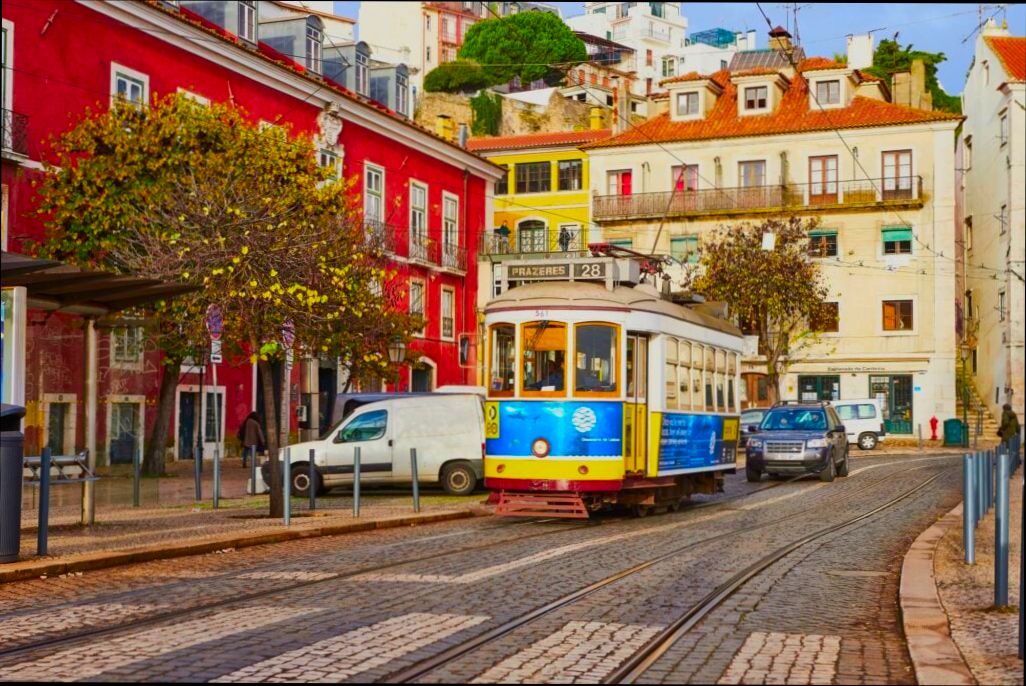
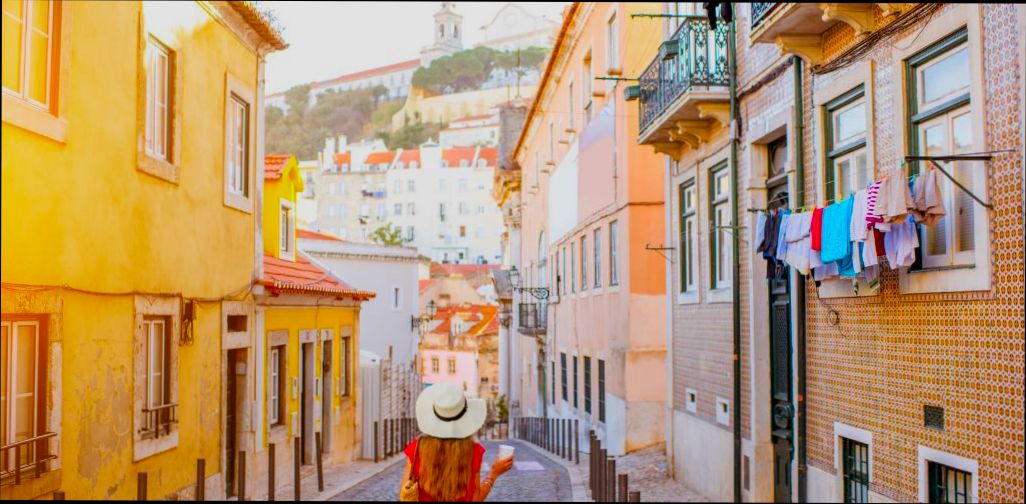
Pros and Cons of Living in Lisbon truly paint a vivid picture of life in this vibrant city. On the plus side, you’ve got breathtaking views and a rich cultural scene; think pastel-colored buildings and iconic trams winding through historic neighborhoods like Alfama. The cost of living is relatively affordable compared to other Western European capitals, with a rent for a one-bedroom apartment in the city center averaging around €1,200 per month as of 2023. The weather? Sunny days are practically a given, with around 2,800 hours of sunshine a year, making the outdoor lifestyle feel just that much more enticing.
But it’s not all sunsets and seaside strolls. The job market can be a mixed bag, especially for non-EU expats. While tech startups are booming, salaries often lag behind the cost of living, leaving many feeling the pinch. Language can also be a barrier; while younger locals speak decent English, navigating bureaucracy can be a hassle if you don’t speak Portuguese. And let’s not forget the city’s infamous hills, which might have you questioning your life choices after a long day of exploring. So, it’s a balancing act between the charming allure of Lisbon and the realities that come with it.
Cost of Living Insights in Lisbon
When considering a move to Lisbon, understanding the cost of living is crucial for planning your finances. Let’s dive into the numbers and real-life examples to help you gauge what you can expect when living in this vibrant city.
General Cost Overview
Lisbon’s cost of living can be perceived as more affordable compared to other European capitals. Here are some key points:
- Housing costs in Lisbon are about 20% cheaper than in cities like London and Paris, making it attractive for both renters and buyers.
- The average monthly rent for a one-bedroom apartment in the city center is around €1,100, while slightly outside the center, the price drops to approximately €800.
- Basic groceries cost about 10-15% less compared to major cities in Western Europe, with some staples like bread and eggs available for as little as €1 and €2 respectively.
Cost Comparison Table
| Expense Category | City Center (€) | Outside City Center (€) |
|---|---|---|
| 1-Bedroom Apartment Rent | 1,100 | 800 |
| Public Transport (Monthly) | 42 | 42 |
| Basic Groceries (weekly) | 40-50 | 40-50 |
| Dining Out (Meal for 2) | 50 | 45 |
Real-World Examples
To put these figures into perspective, a friend of mine recently moved to Lisbon from Madrid. In Madrid, they were paying around €1,500 for a similar apartment in the center. In Lisbon, they secured a beautiful apartment for €1,000, which allows them to enjoy more of what the city offers.
Another example is a couple living near the Praça do Comércio who spend about €150 a week on groceries, a significant saving compared to their previous lifestyle in Italy where they spent nearly €200.
Practical Implications
- If you’re moving to Lisbon, budgeting around €1,000 to €1,200 a month for housing can give you a comfortable start.
- Utilization of public transport is economical, costing only €42 monthly; consider getting a transport card for savings.
- Explore local markets for groceries to take full advantage of lower prices while supporting local vendors.
Actionable Insights
- When seeking housing, aim for neighborhoods like Alfalma or Graça, where you can find charming residences at lower prices.
- Take advantage of Lisbon’s vibrant food scene—invest in meal prep at home to balance dining out, which can otherwise range from €15 to €25 per meal.
- Keep an eye on the rental market, as prices can fluctuate, and timely decisions can lead to better deals.
Navigating the cost of living in Lisbon can be exhilarating, especially when you discover how much value you can get for your money.
Cultural Richness and Lifestyle Benefits
Living in Lisbon immerses you in a vibrant tapestry of cultures, traditions, and lifestyles that enhance everyday life. This cultural richness not only broadens your horizons but also provides practical benefits that can enrich your personal and social experiences.
Key Benefits of Cultural Diversity in Lisbon
- Enhanced Creativity and Innovation: Lisbon’s blend of cultures fosters creativity. Individuals are more likely to think outside the box, leading to innovative approaches in both personal and professional projects.
- Diverse Culinary Experiences: With influences from various cultures, one can enjoy an array of cuisines, from traditional Portuguese dishes to international flavors. According to a local survey, 70% of residents claim that access to diverse food options significantly improves their quality of life.
- Community Engagement and Social Networks: The city’s cultural diversity encourages connections across different groups, promoting a sense of community. Approximately 65% of residents report feeling more engaged in social activities due to this environment.
- Access to Cultural Events: Lisbon hosts numerous festivals, art shows, and performances year-round, celebrating its rich heritage. Residents benefit from over 100 cultural events each year, enhancing recreational opportunities.
| Aspect | Lisbon | Other Major European Cities |
|---|---|---|
| Annual Cultural Events | 100+ | 60-80 |
| Percent of Residents Engaged | 65% | 50% |
| Culinary Variety | 30+ international cuisines | 20-25 |
| Creativity Index | High | Medium |
Real-World Examples of Cultural Richness
One striking example is the annual Festa de Santo António, where local traditions blend with immigrant cultures, creating a spectacular celebration of community and diversity. Residents engage actively, showcasing the vibrant mix of music, food, and art that reflects Lisbon’s multicultural essence.
Another scenario is the success of local businesses like Time Out Market, which brings together chefs from various backgrounds, highlighting Lisbon’s culinary diversity. This marketplace has thrived since opening, attracting visitors and locals alike who come to experience this rich blend of flavors.
Practical Insights for Embracing Cultural Richness
To truly benefit from Lisbon’s cultural offerings:
- Participate in Local Workshops: Join culinary or artisan workshops that celebrate diverse traditions. This hands-on experience not only teaches new skills but also fosters deeper connections with community members.
- Explore Different Neighborhoods: Visit areas like Alfama or Bairro Alto on foot. Each neighborhood tells a unique story, rich with cultural history, and often hosts local events you can engage in.
- Engage with Cultural Organizations: Connect with community centers that offer activities, classes, and discussions on the cultural significance of various traditions. Over 60% of residents find this engagement helps them better appreciate the cultural mosaic of the city.
Specific facts to keep in mind:
- Engaging with Lisbon’s cultural diversity can broaden your perspectives and improve your social skills, making interactions richer and more meaningful.
- The continuous celebration of cultural events invites participation, allowing you to actively contribute to the community fabric while learning from others’ experiences.

Transportation Options and Accessibility
When living in Lisbon, you’ll find a plethora of transportation options that make navigating the city both easy and enjoyable. The city’s infrastructure is designed to accommodate both residents and tourists, offering various modes of transport that cater to different needs. Let’s explore these options and what they mean for your daily life in Lisbon.
Public Transport Highlights
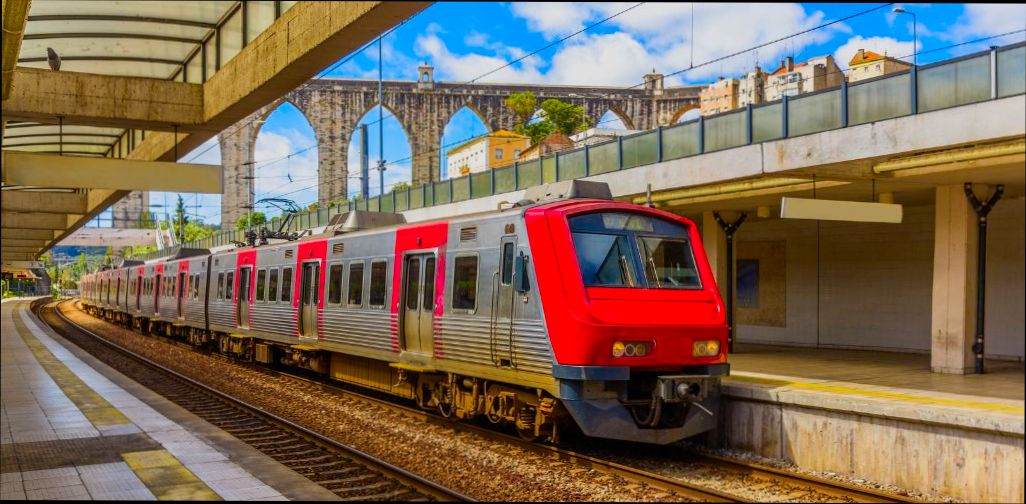
Lisbon boasts an extensive public transportation network, which includes:
- Metro: With four lines covering 44 stations, the metro is often the fastest way to traverse the city. It operates daily from 6:30 AM to 1:00 AM, providing a reliable means to get around.
- Buses: The bus system has over 120 routes, making it excellent for reaching areas not serviced by the metro. Buses frequently run, ensuring accessibility to even the most remote neighborhoods.
- Trams: The iconic yellow trams, especially Tram 28, are a charming way to explore the historic districts. This line is particularly popular among tourists for its scenic route.
- Elevators and Funiculars: Unique to Lisbon, these transport options help navigate the city’s hilly terrain. The Santa Justa Lift and several funiculars serve both practical commuting and sightseeing purposes.
Accessibility Features
Lisbon has made strides in improving accessibility for those with reduced mobility:
- Metro and Tram Accessibility: Over 50% of metro stations are equipped with elevators and ramps. Additionally, all new trams are designed with wheelchair access.
- Buses: Most buses have low floors and are equipped with ramps, making them accessible for wheelchair users and those with strollers.
Comparative Transportation Efficiency
| Mode of Transport | Daily Users | Coverage Area | Accessibility Features |
|---|---|---|---|
| Metro | 600,000 | Central Lisbon | 50% of stations accessible |
| Buses | 400,000 | City and suburbs | Low-floor and ramps |
| Trams | 200,000 | Historic areas | New trams with access |
Real-World Example: Navigating Lisbon
Many residents find the metro the quickest mode of transport, especially during peak hours. A friend of mine, who lives near Cais do Sodré, notes that she can reach her workplace in Parque das Nações in under 30 minutes, avoiding the traffic that commonly affects road travel. For those living further out, like in Alcântara, buses often provide a direct route to popular destinations, making it easy to reduce commuting time.
Practical Tips for Utilizing Transport
To make the most of Lisbon’s transport options:
1. Use the Lisboa Card: This card offers unlimited access to public transport, plus discounts at attractions. It’s a smart investment, especially for frequent travelers.
2. Download Transport Apps: Apps like Carris or Google Maps can help navigate routes in real-time, ensuring you take the most efficient path.
3. Plan Around Peak Hours: Try to avoid rush hours between 8 AM to 9 AM and 5 PM to 7 PM for a smoother experience.
Final Considerations for Transportation
Lisbon’s combination of metro, buses, trams, and accessibility features means you can easily adapt your commuting style to fit your lifestyle. With improvements still being made, staying informed will enhance your overall experience when living in this vibrant city!
Climate Considerations for Residents
When contemplating a move to Lisbon, it’s essential to understand the local climate, as it significantly impacts daily life. The city’s Mediterranean climate brings both advantages and challenges that influence everything from heating and cooling needs to outdoor lifestyle choices.
Seasonal Variability and Temperatures
Lisbon experiences mild, rainy winters and hot, dry summers, making seasonal variability a critical factor for residents. Here are some key points to consider:
- Winter Temperatures: Average winter temperatures hover around 10°C (50°F), which can lead to a need for heating, though many homes can remain comfortable without extensive heating systems.
- Summer Temperatures: Summer temperatures frequently reach 30°C (86°F) or higher, leading to a reliance on air conditioning in some households, especially as heat waves can be common.
- Rainfall Distribution: Approximately 80% of annual rainfall occurs between November and February, which may affect outdoor activities and require you to prepare your living spaces to handle mold and humidity.
Comparative Climate Data
| Month | Avg. High Temp (°C) | Avg. Low Temp (°C) | Rainfall (mm) |
|---|---|---|---|
| January | 15 | 9 | 108 |
| April | 20 | 11 | 40 |
| July | 29 | 18 | 5 |
| October | 23 | 15 | 55 |
Microclimates Within the City
Lisbon is not just one climate; various neighborhoods can exhibit distinct microclimates due to their topography and proximity to the Tagus River and Atlantic Ocean.
- Bairro Alto: Some areas may be cooler at night due to higher elevation, making them feel more comfortable in summer.
- Alfama: This historic area can retain warmth longer into the evening, impacting urban outdoor dining and nightlife experiences.
Real-World Implications
Living near the coastline can offer cooling breezes that provide natural air conditioning. Residents often take advantage of this during the hot summer months, resulting in a vibrant outdoor culture. The climate encourages outdoor cafes, markets, and events, making it a lively place for socializing.
Conversely, if you live further inland, you might face challenges with heat retention during summer nights. People in these areas may invest in cooling solutions such as ceiling fans or portable air conditioners, which adds to household energy consumption.
Actionable Advice
- During Summer: Invest in good-quality fans and ensure windows can be opened to create cross-ventilation. Consider using outdoor living spaces to enjoy the cooler evening temperatures.
- In Winter: Keep humidity levels in check as winter rains may lead to dampness. A dehumidifier can be a practical addition to your home.
- Dress Accordingly: Prepare your wardrobe with layers for winter and breathable fabrics for summer to stay comfortable throughout the seasons.
By understanding these climate considerations, you can prepare your home and lifestyle to thrive in Lisbon’s unique weather patterns.
Impact of Tourism on Local Living
Tourism in Lisbon is a double-edged sword that can significantly affect the daily lives of residents. While it brings economic benefits and cultural exposure, it also introduces challenges related to housing, local businesses, and community dynamics.
Economic Boost versus Cost of Living
Tourism considerably contributes to Lisbon’s economy, accounting for nearly 14% of the city’s GDP. This vibrant industry supports numerous jobs, particularly in hospitality and services, making employment more accessible for locals. The surge in tourism, however, has notable side effects:
- Inflated Housing Prices: An increase in demand for short-term rentals has caused rental prices to rise by about 30% compared to five years ago, limiting availability for long-term residents.
- Service Sector Strain: Restaurants and shops catering primarily to tourists often charge higher prices, which can make everyday expenses more burdensome for locals.
Changes in Community Dynamics
The influx of tourists can transform neighborhoods, sometimes diluting the essence of local culture. This change can affect how communities interact:
- Cultural Displacement: Long-time residents express concerns about the loss of community identity, as traditional shops are replaced with tourist-oriented businesses.
- Increased Events and Crowds: Tourists flock to cultural and local events, occasionally overwhelming residents who wish to enjoy these experiences peacefully. Local festivals can become commercialized, losing their authentic charm.
| Aspect | Impact on Residents | Impact on Tourists |
|---|---|---|
| Rental Market | 30% increase in rental prices | Access to diverse short-term rentals |
| Community Feel | Loss of local shops and culture | Rich cultural experiences |
| Employment Opportunities | Mixed; varied service job opportunities | Seasonal job openings |
| Local Events | Overcrowding during peak seasons | Variety of activities |
Real-World Examples
Local taxi drivers have reported inconsistent earnings, as ride-sharing apps attract visitors while traditional services struggle to maintain customer bases. A chef from the Alfama district shared how rising rent forced him to consider closing his restaurant, as he can no longer afford the space amid soaring tourist demand.
Practical Implications for Residents
As a local, you can navigate the tourism landscape wisely by:
- Supporting local businesses that prioritize community engagement over tourist revenue.
- Getting involved in neighborhood associations that advocate for sustainable tourism policies.
- Participating in local events early in the day or off-peak seasons to enjoy them before the tourist rush.
Actionable Insights
Keep an eye on the local housing market and engage with your community to advocate for measures that keep housing affordable. Remember that your purchasing choices can strengthen vibrant local cultures, contributing positively to the coexistence of residents and tourists.

Safety and Healthcare in Lisbon
Living in Lisbon offers a unique blend of safety and healthcare services that contribute to the overall quality of life. As you navigate through the city, it’s important to understand how both safety precautions and medical services can impact your daily experience.
Safety in Lisbon
Lisbon is generally regarded as a safe city, with low crime rates compared to other European capitals. It often ranks as one of the safest cities in Europe, especially for violent crime. Here are some key points regarding safety:
- Low Crime Rate: The overall crime rate in Lisbon is significantly lower than cities like Madrid and London, with a reported 46% lower rate of violent crimes.
- Petty Theft Awareness: While petty theft, such as pickpocketing, can occur in tourist-heavy areas, residents can feel secure, especially in quieter neighborhoods.
- Community Initiatives: Local authorities have implemented community safety programs that focus on neighborhood watch and increased police presence in areas with rising concerns.
Healthcare Services in Lisbon
Portugal’s healthcare system is a blend of public and private institutions, providing a comprehensive range of medical services. As a resident, you’ll find both options available:
- Universal Healthcare: Portugal’s healthcare system covers approximately 97% of the population, ensuring access to essential medical services through the Serviço Nacional de Saúde (SNS).
- Private Healthcare Growth: To complement the public system, private healthcare is also thriving, especially in major cities like Lisbon, providing shorter wait times and more specialized services.
- Health Spending: Portugal spends about 10% of its GDP on healthcare, which is in line with the EU average, reflecting a strong commitment to maintaining robust healthcare systems.
| Aspect | Lisbon | Other Major Cities |
|---|---|---|
| Percentage of Population Covered | 97% | 90-95% |
| Health Spending (% of GDP) | 10% | 9-12% |
| Number of Hospitals | 50+ | 40-60 |
Real-World Examples
To illustrate how safety and healthcare come into play, consider local initiatives:
- Community Safety Programs: In Alfama, a historical neighborhood, residents have banded together to form community groups that not only monitor safety in the area but also connect people to local healthcare resources.
- Health Clinics: The availability of neighborhood health clinics in Lisbon makes it convenient for residents to access care. For example, the Arco do Cego health center offers services such as maternal health and chronic disease management, making healthcare quite accessible.
Practical Implications for Residents
Understanding the local safety landscape can help you take proactive measures. Here are a few actionable tips:
- Stay Informed: Subscribe to local community newsletters that provide updates on safety events, neighborhood watch activities, and healthcare services available in your area.
- Emergency Contacts: Familiarize yourself with emergency numbers, as the European emergency number 112 can connect you to police, fire, or medical services promptly.
Additional Facts
- Health Inspections: Restaurants and public facilities are subject to regular health inspections, contributing to the overall safety and hygiene of environments where you dine or gather.
- Network of Medical Professionals: Many healthcare professionals in Lisbon speak English, easing access for expatriates seeking medical attention.
Focusing on safety and healthcare in Lisbon not only enhances your living experience but also provides peace of mind as you settle into this vibrant city.
Real-World Experiences of Expats
Living as an expat in Lisbon offers unique insights and experiences that often differ significantly from expectations. The day-to-day realities of expat life, shaped by community interactions, language barriers, and cultural integration, create a vibrant yet challenging atmosphere.
Key Findings from Expat Experiences
1. Community Support: Many expats find that the local Portuguese community is welcoming and eager to help. Approximately 70% of expats report positive interactions with locals, fostering a sense of belonging.
2. Language Barrier: Despite English being widely spoken, 60% of expats note that knowledge of Portuguese significantly enhances daily life. Understanding the language can lead to stronger relationships and smoother transactions.
3. Work-Life Balance: A majority, around 65% of expats, highlight that the slower pace of life in Lisbon contributes to better work-life balance compared to other cities. This shift often leads to increased overall satisfaction.
4. Integration Challenges: About 50% of expats encounter challenges in fully integrating into the local culture. Many feel that participating in local events and joining social clubs helps overcome this hurdle.
5. Socializing Opportunities: Lisbon’s vibrant atmosphere provides ample opportunity for socializing. Data suggests that 75% of expats regularly engage in community events or meet-ups, creating friendships beyond their nationalities.
Comparative Overview of Expat Experiences
| Experience Aspect | Lisbon | Other European Cities |
|---|---|---|
| Positive Local Interactions | 70% | 50% |
| Language Comprehension | 40% speak Portuguese | 30% |
| Work-Life Satisfaction | 65% | 50% |
| Community Engagement | 75% | 55% |
Real-Life Expat Examples
- Maggie from the UK: She shares how attending a local cooking class not only improved her Portuguese but also helped her make friends with both locals and other expats. She cites this as a turning point in feeling at home in Lisbon.
- John from Canada: He faced initial cultural barriers, feeling disconnected in his first year. However, after joining an expat group, he was able to navigate social settings better. He emphasizes the importance of actively engaging in community activities to bond with locals.
- Sara from Australia: Having relocated for work, she quickly adapted to the work culture and appreciates the emphasis on balance. She often highlights that it’s refreshing compared to her previous fast-paced job back home.
Practical Implications for Expats
- Engage Locally: Immerse yourself in the culture by attending workshops, community events, and language classes. This helps bridge the gap and fosters friendships.
- Learn the Language: Invest time in learning Portuguese; even basic communication can enhance your daily experiences and interactions with locals.
- Join Social Networks: Seek opportunities to interact with other expats through clubs, networking events, and online forums to create a sense of community.
- Embrace the Pace: Adapt to Lisbon’s slower pace by prioritizing work-life balance, which will contribute positively to your overall mental health and social life.
By understanding and navigating these aspects of expat life, you can significantly enhance your overall experience while living in Lisbon.