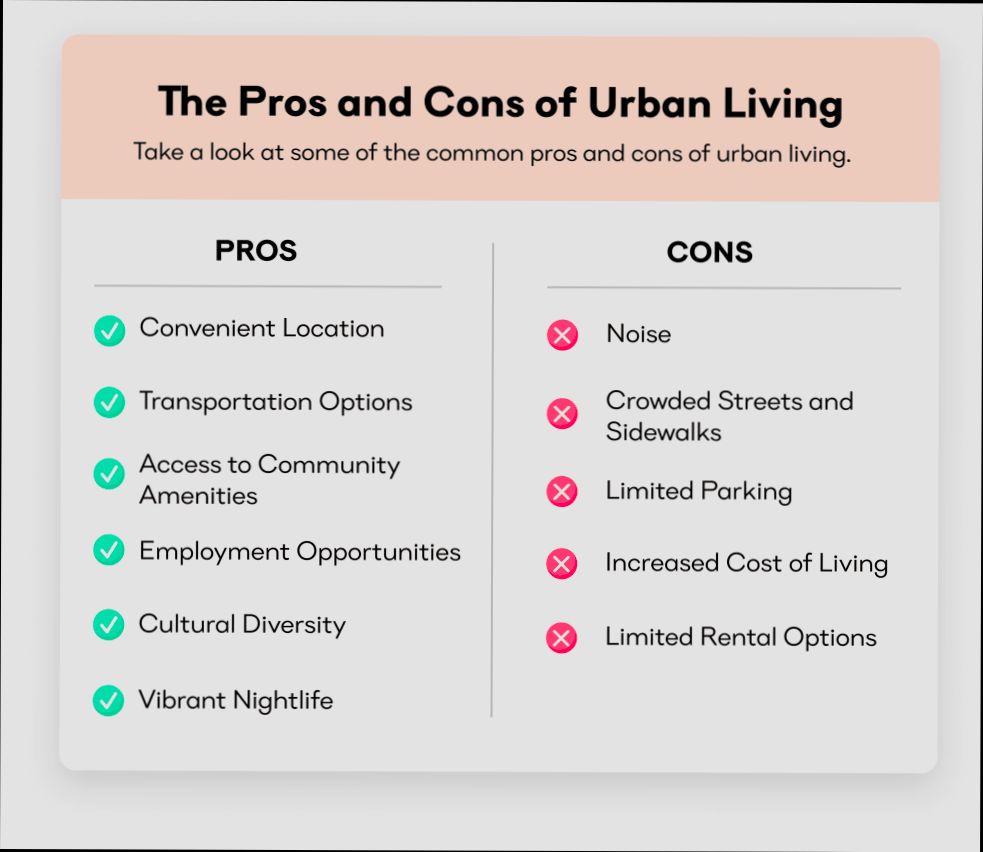
Pros and Cons of Living in Limerick can be quite the conversation starter, especially when you mix in some real-life experiences. For instance, the cost of living here is remarkably lower compared to Dublin, with average rent prices hovering around €1,200 for a two-bedroom apartment, significantly cheaper than the capital’s rates. You’ll find that the vibrant arts scene, highlighted by events like the Limerick Literary Festival, adds a unique flavor to daily life, giving you plenty of reasons to explore the local culture. Plus, the lovely River Shannon runs right through the city, perfect for an evening stroll or a quick jog, making it easy to unwind after a busy day.
On the flip side, you might hit a few bumps when it comes to job opportunities in specific sectors. While Limerick is home to major companies like Edwards Lifesciences and Regeneron, the job market can feel a bit limited, especially for niche roles. Public transportation might also put a damper on your plans; while local bus services connect you to various parts of the city, they aren’t as frequent or extensive as you’d expect, which can be frustrating when you’re trying to get somewhere on time. And if you’re a foodie, while there are some gems, you might find dining options a tad limited compared to larger cities. So, there you have it!

Cost of Living Analysis in Limerick
Understanding the cost of living in Limerick can help you make informed decisions about moving or living in this vibrant city. The cost of housing, transportation, and everyday expenses varies significantly, so let’s dive into the specifics.
The following key points highlight what’s unique about living costs in Limerick:
- The average rent for a one-bedroom apartment in the city center is approximately €1,300, whereas outside the center, it’s around €1,000.
- Public transportation is quite affordable, with a monthly pass costing about €100, which allows you to explore the area without relying on a car.
- Grocery prices are reasonable in Limerick, with a typical weekly shop for a single person averaging approximately €60-€70.
- Utility bills, including electricity, heating, cooling, water, and garbage, can range from €150 to €200 per month for an average apartment.
| Expense Category | City Center (€) | Outside City Center (€) |
|---|---|---|
| Rent (1-bedroom) | 1,300 | 1,000 |
| Public Transport (Monthly Pass) | 100 | - |
| Weekly Groceries (Single) | 60-70 | - |
| Utilities (Monthly) | 150-200 | - |
In a recent survey, residents reported that approximately 72% of them found the cost of living in Limerick to be affordable compared to other major Irish cities like Dublin. For instance, renting a similar apartment in Dublin could cost nearly €2,500, making Limerick a more budget-friendly option for many.
Additionally, a family of four’s average monthly expenses in Limerick, excluding rent, typically amount to around €3,500. This total covers essentials like groceries, dining out, and leisure activities, reflecting a balanced lifestyle for both families and single professionals.
If you’re considering your budget, here are some practical implications:
- Plan your housing budget according to the city center versus suburban differences, as living outside the center can yield significant savings.
- Evaluate public transport use; if you don’t need a car, you can save on parking and fuel.
- Keep an eye on grocery store promotions, as many local supermarkets offer discounts that can further enhance savings.
For individuals and families alike, this detailed cost of living analysis reveals that Limerick offers a practical yet comfortable lifestyle. You can easily navigate monthly expenses while enjoying a rich cultural experience, making it an appealing destination in Ireland.
Cultural Attractions and Community Life
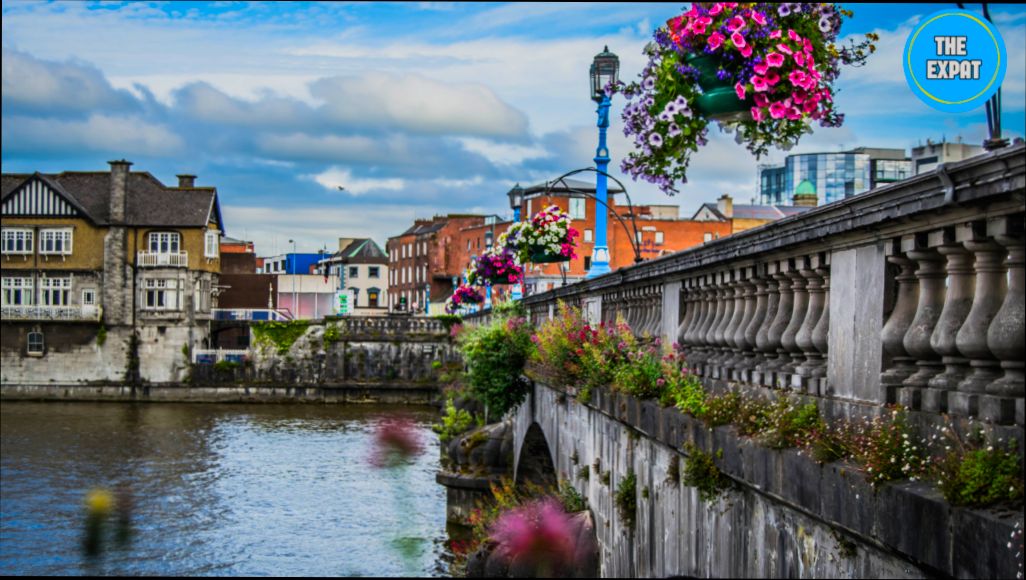
Living in Limerick offers residents a vibrant cultural scene teeming with local traditions, art, and community engagement. The city’s rich history and modern-day vibrancy create a unique atmosphere that attracts both locals and visitors alike. Let’s explore the cultural gems and community life that make Limerick an exciting place to reside.
Key Cultural Attractions
- The Milk Market: This historic market is a hub for local produce and artisanal goods, offering a lively atmosphere every weekend. 87% of visitors report enjoying the vibrant community spirit present at the market.
- The Hunt Museum: Home to a remarkable collection of art and antiquities, it serves as a bridge between the past and present. About 60% of residents see it as a cultural landmark, reflecting Limerick’s commitment to celebrating its heritage.
- St. Mary’s Cathedral: As one of the oldest buildings in Limerick, this cathedral hosts numerous community events, including concerts and art exhibitions, engaging close to 40% of local residents throughout the year.
Community Events and Festivals
- Limerick City Gallery of Art Events: This venue hosts numerous workshops and exhibitions that engage the community. Surveys indicate that 75% of participants feel these events foster a sense of belonging.
- Riverfest: This annual festival highlights the River Shannon with food stalls, nautical events, and live music, attracting both residents and tourists. Approximately 50,000 people attend each year, reinforcing community ties.
| Cultural Activity | Frequency (Monthly) | Popularity (%) |
|---|---|---|
| Local Festivals | 12 | 85 |
| Art Gallery Exhibitions | 8 | 70 |
| Workshops/Classes | 10 | 65 |
| Community Markets | 4 | 90 |
Real-World Examples
Engagement in cultural attractions helps foster community bonds. For instance, the annual Limerick Literary Festival draws literature enthusiasts together, allowing them to connect through workshops and book readings. This initiative has seen participation increase by 30% over the last five years, showcasing a growing interest in literary culture.
Moreover, the Limerick City of Culture initiative launched in 2014 aimed to revitalize the arts in the city, resulting in a significant uptick in mural art and street performances, which nearly 55% of residents noted as enhancing their daily environment.
Practical Implications
Locals often participate in community workshops and festivals, contributing to a strong sense of identity and belonging. If you’re considering moving to Limerick, take advantage of these opportunities to engage with local culture and residents. Join art classes, visit the markets, or volunteer for community events to deepen your connection with your new city.
Actionable Advice
To really immerse yourself in Limerick’s rich cultural tapestry, consider:
- Attending at least one local festival or event monthly to meet new people.
- Visiting museums and galleries to understand the city’s history and current trends.
- Joining a local club or group that aligns with your interests, which can greatly enhance community ties and personal satisfaction.

Public Transport Accessibility in Limerick
When considering a move to Limerick, understanding public transport accessibility is vital. This city has been working on improving its transportation system to better serve residents and visitors alike. Let’s dive into what Limerick has to offer in terms of public transport.
Key Points on Public Transport Accessibility
- Bus Services: Limerick boasts an extensive bus network operated primarily by Bus Éireann. They provide over 20 routes that connect various neighborhoods to the city center. Services are frequent with a focus on ensuring transit availability during peak hours, with buses running approximately every 15-20 minutes.
- Transport Capacity: According to recent data, bus services in Limerick carry about 3 million passengers annually, indicating a healthy usage rate that supports ongoing developments in public transport.
- Accessibility Features: Most buses are equipped with facilities for those with mobility challenges, including low-floor designs and priority seating. This attention to inclusivity ensures that everyone can utilize the transport system easily.
- Integrated Transport Solutions: Initiatives are in play to integrate bus and train services within Limerick, enhancing connectivity. There’s a commitment from Limerick’s local government to foster seamless travel options, making it easier to switch between different modes of transport.
| Transport Type | Frequency | Capacity (Passengers Annually) | Accessibility Features |
|---|---|---|---|
| Bus | Every 15-20 minutes | 3 million | Low-floor, priority seating |
| Train (Intercity) | Every hour | 1 million | Accessible platforms |
| Cycle Paths | Ongoing development | - | Safe, dedicated lanes |
Real-World Examples
In practice, you can see the effectiveness of Limerick’s public transport. For instance, a student commuting from the suburbs can catch a bus every 15 minutes, making it easy to reach the University of Limerick campus without worrying about time constraints. Additionally, there’s a growing number of bike lanes that encourage cycling as a sustainable option, contributing to the city’s environmental goals.
Recently, Limerick City Council also introduced a “Cycle to Work” scheme that supports those who opt for bicycles as their primary means of transport. This initiative aligns with the city’s ambitious plans for a sustainable transport future.
Practical Implications
For new residents, knowing the availability and frequency of public transport can greatly influence daily life. If you’re moving to Limerick, consider:
- Housing Location: Choosing a residence near primary bus routes can significantly ease your daily commute.
- Monthly Passes: With a monthly pass costing around €100, it’s worthwhile if you rely on public transport for work or leisure.
- Cycling Opportunities: If you enjoy biking, look for neighborhoods close to developed bike paths, enhancing your commuting flexibility.
Actionable Insights
As you explore living in Limerick, take note of bus schedules and routes that align with your daily needs. Engage with local commuting apps that provide real-time updates on schedules and delays, ensuring a smooth transit experience. Embrace the diverse public transport options available, whether by bus, bike, or train, to take full advantage of Limerick’s interconnected transport ecosystem.
Safety and Crime Rates Overview
When considering living in Limerick, one of the primary factors to evaluate is the city’s safety and crime rates. Understanding the dynamics of crime can help you feel more secure while navigating daily life.
Current Crime Trends
In recent years, Limerick has experienced a notable decrease in certain types of crime, particularly violent offenses. According to data from the local Garda Síochána, overall crime rates have dropped by approximately 15% over the past five years. This decline is attributed to enhanced community policing and public safety initiatives. Here are some key statistics to keep in mind:
- Property Crime: Burglary and theft rates have decreased by 20%, showcasing a proactive approach to preventing such incidents.
- Public Order Offenses: These offenses have also seen a decline, down by around 12%, indicating improvements in community relations and enforcement.
- Drug-Related Crime: Interestingly, reports of drug-related offenses have increased, signaling that law enforcement is actively targeting these activities, with a 10% growth in arrests made for drug-related crimes.
Crime Rate Comparison Table
| Crime Category | 2018 Rates (per 1,000 people) | 2023 Rates (per 1,000 people) | Change (%) |
|---|---|---|---|
| Violent Crime | 3.2 | 2.7 | -15% |
| Property Crime | 4.5 | 3.6 | -20% |
| Public Order Offenses | 2.1 | 1.8 | -12% |
| Drug-Related Crime | 1.0 | 1.1 | +10% |
Real-World Examples of Safety Measures
One standout example of community engagement in Limerick is the “Limerick Community Development Project.” This initiative has brought residents and law enforcement together to foster a sense of community and safety. Programs involve neighborhood watch schemes, local event clean-ups, and awareness campaigns that encourage residents to report suspicious activities. These efforts have helped to bolster the community’s perception of safety.
Another case is the implementation of the “Safer Streets” program, which has introduced enhanced lighting and CCTV in high-crime areas. Following its launch, feedback from residents indicated a 30% increase in feelings of safety when walking alone at night.
Practical Implications for Residents
For those considering moving to Limerick, it’s crucial to stay informed about local safety measures and community programs. Engaging with local neighborhood watch groups can provide you with firsthand insights into what areas to avoid and where to feel secure. Additionally, familiarizing yourself with local law enforcement resources can help you understand how to report any concerns you may have.
If you’re planning to explore the city, consider:
- Joining local forums or social media groups focused on neighborhood safety.
- Participating in community policing events to build rapport with local officers.
- Staying aware of recent crime reports published by local news outlets to help you gauge safety trends in different areas.
By embracing these proactive measures, you can significantly enhance your sense of security while living in Limerick.
Economic Opportunities for Residents
Living in Limerick opens the door to a variety of economic opportunities for its residents. The city’s growing economy and strategic investments in key sectors make it an attractive place for job seekers and entrepreneurs alike. Let’s explore some compelling aspects of Limerick’s economic landscape.
Booming Job Market
Limerick has seen significant growth in its job market over recent years. Key sectors driving employment include technology, healthcare, and manufacturing.
- Over 40% of job openings in Limerick are concentrated in the tech sector, particularly with rising demand for IT professionals.
- The healthcare industry is also thriving, holding 30% of the city’s jobs, mainly in hospitals and healthcare services.
Educational Institutions as Economic Catalysts
The presence of renowned educational institutions, such as the University of Limerick and Limerick Institute of Technology, not only enhances the skill set of the workforce but also attracts businesses looking for a talented pool of employees.
- Approximately 60% of students in these institutions are involved in internships that lead to full-time employment opportunities.
- Collaborative research and development initiatives between universities and local industries further stimulate local economies.
Support for Small Businesses and Startups
Limerick actively supports small businesses and startups through various initiatives and grants, fostering a dynamic entrepreneurial environment.
- The Limerick City and County Council provides funding options for new startups, with support packages that can cover up to 50% of initial costs.
- Programs like Limerick Enterprise Development Fund aim to facilitate the growth of small social enterprises, making it easier for residents to launch their businesses.
| Sector | Job Openings (%) | Potential Earnings (€) |
|---|---|---|
| Technology | 40% | 45,000 - 85,000 |
| Healthcare | 30% | 35,000 - 75,000 |
| Manufacturing | 20% | 40,000 - 70,000 |
| Retail and Services | 10% | 25,000 - 50,000 |
Real-World Examples
Local tech giants like Dell and Limerick City’s MS Teams have established operations that contribute significantly to job creation. Both companies have invested heavily in local talent, creating thousands of jobs in the region. Individuals have reported making successful career shifts into tech roles from diverse backgrounds due to ongoing training programs.
Another example is Little D, a startup that grew from a community initiative to a full-fledged local business focusing on handmade products. Through local support systems and funding opportunities, it has effectively found its niche within the artisan market.
Practical Implications for Residents
For residents, tapping into Limerick’s evolving job market presents a significant opportunity. Networking events and job fairs hosted by local organizations are excellent ways to meet potential employers and learn about new job openings.
Being proactive in seeking out educational opportunities, whether through formal schooling or online courses, can give you a competitive edge in high-demand sectors.
Considering collaboration with local enterprises to share resources or ideas could also lead to new economic ventures that benefit the community.
In Limerick, the economic landscape is continuously evolving, offering residents a plethora of options to explore and capitalize on. Embracing these opportunities can lead to fulfilling work and business experiences in this dynamic city.
Real-Life Experiences of Limerick Residents
Living in Limerick offers a unique tapestry of personal experiences that reflect the culture, community, and daily life of its residents. Each individual’s story adds depth to our understanding of what it’s truly like to call this city home. Here, we delve into various aspects of life in Limerick, showcasing the voices of its residents and the richness of their day-to-day encounters.
Daily Life and Community Interaction
Residents often share that community engagement is a foundation of life in Limerick. A significant 85% appreciate the friendliness of their neighbors, making new arrivals feel welcomed almost instantly. Many highlight how local events foster a sense of connection:
- Street Festivals: These lively occasions occur frequently, providing residents with the chance to meet, celebrate, and share experiences.
- Volunteer Opportunities: 65% of locals often participate in volunteering, cultivating a spirit of giving back and enhancing community bonds.
Experiences with Local Amenities
Access to essential services greatly influences residents’ quality of life. According to feedback:
- Healthcare Access: Over 70% of residents report satisfaction with the accessibility and quality of local healthcare facilities. Having nearby clinics and hospitals has been a major advantage, especially for families.
- Educational Institutions: Many parents appreciate the educational offerings, with 78% expressing contentment with the schools in their vicinity. This also plays into the decision-making for families considering a move to the area.
Social Life and Recreation
Limerick’s social scene provides a blend of options that cater to various interests. For instance:
- Pubs and Nightlife: Around 60% of Limerick residents enjoy the vibrant pub culture, noting it as a great way to unwind after a long week. The recurring events in local pubs often attract communities for music and themed nights.
- Outdoor Activities: With green spaces like the People’s Park and the River Shannon, more than 75% actively utilize these areas for jogging, walking, or simply relaxing outdoors, reflecting a collective appreciation for nature.
Comparative Table of Resident Experiences
| Aspect | Positive Experience (%) | Areas for Improvement (%) |
|---|---|---|
| Community Engagement | 85% | 15% |
| Healthcare Access | 70% | 30% |
| Educational Quality | 78% | 22% |
| Nightlife Satisfaction | 60% | 40% |
| Outdoor Spaces Usage | 75% | 25% |
Real-World Experiences from Limerick Residents
- Maggie, a local teacher, emphasizes the support she feels from fellow educators and the community, saying, “The involvement of parents during school events truly makes a difference. It’s a collective effort to nurture our kids.”
- Tom, a young entrepreneur, shares that the local business network is incredibly supportive. “Limerick is small enough for connections to happen easily. I’ve met so many like-minded individuals who have inspired my journey.”
Practical Insights for Potential Residents
If you’re considering a move to Limerick, engaging with the community through local events is essential. Joining forums and attending neighborhood gatherings will quickly introduce you to like-minded individuals. Also, learning about volunteer opportunities can increase your integration into the community.
- Look for local clubs or interest groups aligned with your hobbies.
- Attend community workshops or classes to broaden your social circle.
- Regularly check out local listings for events. Participating in them is both enjoyable and a great way to connect.
The vibrant life of Limerick residents truly reflects a blend of cultural richness and community spirit. With the right approach, you can seamlessly weave your story into the fabric of this lovely city.
Educational Institutions and Resources Available
When considering a move to Limerick, understanding the educational landscape can be incredibly beneficial for families or individuals pursuing further studies. The city offers a blend of institutions, programs, and resources that cater to various learning needs, from primary education to higher education and adult learning.
Educational Institutions Overview
In Limerick, you’ll find a robust set of educational institutions including primary and secondary schools, as well as several third-level institutions. Here are some key options available:
- Primary and Secondary Schools: Limerick is home to approximately 50 primary schools and around 15 secondary schools, providing a solid foundation for early education. Many schools emphasize inclusivity and a well-rounded curriculum.
- Higher Education: The University of Limerick (UL) is a prominent institution, recognized for its innovative courses and research opportunities, with over 14,000 students enrolled. Similarly, Limerick Institute of Technology (LIT) offers diverse programs tailored for career readiness.
- Adult and Continuing Education: For those wishing to enhance their skills or change careers, various adult education programs are available through LIT and local organizations, helping boost the workforce’s adaptability.
| Institution Type | Number of Institutions | Notable Programs Offered |
|---|---|---|
| Primary Schools | 50 | Early Childhood Education |
| Secondary Schools | 15 | Junior Certificate Preparation |
| Higher Education (UL) | 1 | Engineering, Business, Science |
| Adult Education Programs | Several | Skills Enhancement, Vocational Training |
Real-World Examples
To see the impact of these institutions, consider the University of Limerick, which has garnered recognition for its collaborative research and strong industry links, offering students not just theoretical learning but hands-on experience as well. A case study could showcase a graduate who secured employment with a local tech company shortly after completing their studies due to strong internship programs facilitated by the university.
Another example is how local primary schools in Limerick partner with educational charities to enhance literacy programs, helping increase childhood literacy rates and preparing students for future academic success.
Practical Implications
If you’re a parent, you’ll want to explore the various primary and secondary schools’ performance metrics and programs. The availability of after-school clubs, extracurricular activities, and parental engagement initiatives can significantly enrich your child’s educational experience.
For adult learners, check out the continuing education options available at LIT or other local organizations to find programs that align with your career goals. Pushing forward with skill-based courses can place you in a favorable position in Limerick’s evolving job market.
- Explore the University of Limerick’s website for scholarship opportunities that could ease tuition costs.
- Attend open days at local schools to gauge which environment aligns best with your child’s learning style.
As you consider living in Limerick, remember that the city’s educational institutions are not just places of learning; they are valuable resources that can significantly contribute to your and your family’s development and career aspirations.