Pros and Cons of Living in Hialeah FL can spark some real debate among locals and newcomers alike. On the plus side, this vibrant city boasts a rich culture, heavily influenced by the Cuban-American community, which means you’ll find some of the best coffee shops and authentic eateries right around the corner. With a population of around 230,000, Hialeah is a bustling hub of activity, and it’s just a quick drive to downtown Miami, offering an easy way to tap into the nightlife and entertainment of a larger city. Plus, housing costs here are more affordable than in many neighboring areas, making it a great option for families or young professionals looking to settle down without breaking the bank.
However, living in Hialeah isn’t all sunshine and palm trees. Traffic can be a real headache, especially during rush hour, with many residents facing long commutes. And let’s not forget about the weather; the summer months can be brutally hot and humid, which might be a deal-breaker for those who prefer milder climates. Public transport is limited, so if you don’t own a car, getting around can be a challenge. Additionally, while the city is known for its vibrant culture, some might find the nightlife and entertainment options a bit limited compared to bigger cities nearby.
Cost of Living in Hialeah
When considering a move to Hialeah, one of the first factors that come to mind is the cost of living. It’s essential to break down what you might expect regarding housing, groceries, utilities, and other expenses. If you’re weighing your options, let’s dive into what living in Hialeah might cost you.
Housing Costs
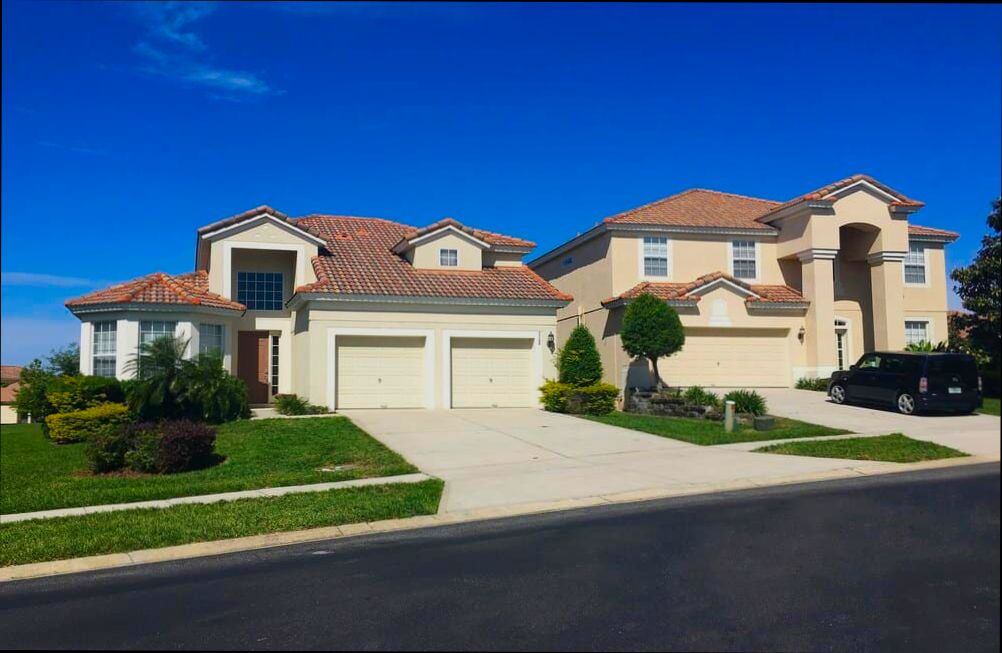
Housing is a significant part of the cost of living equation. As of recent data, the median home price in Hialeah stands at approximately $400,000, which is about 10% lower than the Miami metropolitan area average. For those considering renting, the average rent for a one-bedroom apartment in Hialeah ranges from $1,600 to $1,800, depending on the neighborhood.
Grocery and Essentials
Hialeah residents enjoy relatively reasonable grocery prices. A typical grocery bill for an individual can range around $300 to $400 per month. To give you an idea of specific item costs:
- A gallon of milk: $3.50
- A loaf of bread: $3.00
- A dozen eggs: $2.50
These prices may fluctuate slightly based on season and availability, but overall, groceries remain affordable compared to other urban areas.
Utilities and Transportation
Utilities in Hialeah, which include electricity, heating, cooling, water, and garbage, average around $150 per month for a standard apartment. When factoring in internet service, the total cost can range between $180 to $220 monthly.
Transportation is another aspect to consider. Public transportation options are available, with a monthly transit pass costing about $112. If you prefer driving, gas prices typically hover around $3.10 per gallon.
Comparative Costs
Here’s a comparative overview of living expenses in Hialeah against national averages:
| Category | Hialeah Average | National Average |
|---|---|---|
| Median Home Price | $400,000 | $408,000 |
| Average Rent (1BR) | $1,700 | $1,900 |
| Grocery Bill (Monthly) | $350 | $385 |
| Utility Costs (Monthly) | $180 | $200 |
| Public Transit (Monthly Pass) | $112 | $127 |
Real-World Examples
To illustrate the cost of living, consider the scenario of a family of four living in Hialeah. They might find their total monthly expenses, including housing, groceries, utilities, and transportation, to be approximately $3,200. Compared to a similar family in a more suburban area, they might save up to $300 on housing alone, while groceries remain consistent across urban settings.
Another case is a young professional who rents a one-bedroom apartment while working in nearby Miami. The affordable rent in Hialeah allows her to set aside a greater portion of her salary for savings and leisure activities rather than spending it all on housing costs.
Practical Insights for Readers
- Keep an eye on housing trends in specific neighborhoods; some areas may offer hidden gems at lower prices.
- Regularly check grocery store promotions to further minimize your monthly expenses; local markets can sometimes offer better deals than national chains.
- If you anticipate needing reliable internet or utilities, research area providers ahead of time to avoid surprises.
In Hialeah, understanding the components of your cost of living can help you create a budget that works for your lifestyle. Embracing this knowledge will enable you to make informed decisions and enjoy what this vibrant city has to offer.

Cultural Diversity and Community Life
Living in Hialeah, FL, offers a vibrant tapestry of cultural diversity that enriches community life in numerous ways. The city’s significant Cuban-American population, alongside residents from various Latin American countries, creates a dynamic environment where cultural practices flourish. This diversity not only enhances personal experiences but also fosters collective community engagement.
Key Aspects of Cultural Diversity in Hialeah
1. Languages Spoken: In Hialeah, Spanish is the predominant language, with over 90% of the population speaking it at home. This creates an environment where English and Spanish intricacies blend, making daily interactions a fascinating multilingual experience.
2. Culinary Diversity: Hialeah’s food scene features a multitude of cuisines, primarily influenced by Caribbean and Latin flavors. You can enjoy authentic Cuban dishes, along with offerings from other Latin American countries, showcasing how food practices enhance social gatherings and local traditions.
3. Celebrations and Festivals: Cultural festivals abound in Hialeah, reflecting its rich diversity. Events like the Hialeah Carnival celebrate Cuban heritage, while other festivals welcome various cultures, allowing residents to partake in shared traditions that foster cohesion and understanding.
4. Art and Music: The artistic landscape benefits greatly from Hialeah’s cultural diversity. Local galleries and community events often showcase works from a myriad of cultural backgrounds, while music events frequently feature genres that originate from different cultural heritages, enriching the community’s entertainment options.
Diversity Statistics Table
| Aspect | Hialeah | Comparison (U.S. Average) |
|---|---|---|
| Percentage of Spanish speakers | 90% | 13% |
| Major cultural festivals | 5 annually (including Carnival) | 0 - 2 commonly per city |
| Restaurants offering diversity | 200+ distinct types | 50 - 70 in smaller cities |
Real-World Examples
One notable example of Hialeah’s unique community life is La Casa de la Música, a local venue dedicated to promoting Latin music. Here, individuals from various backgrounds come together to celebrate cultural heritage through performance, bringing together young and old, Spanish-speaking and English-speaking individuals alike. Such establishments not only provide entertainment but also serve as cultural hubs that foster mutual respect and understanding.
Another example is the annual “Noche Cubana,” where families gather to enjoy Cuban food, music, and dance. This event exemplifies how cultural diversity can transform community gatherings into vibrant, educational experiences that highlight each group’s traditions.
Practical Implications for Residents
If you’re considering making Hialeah your home, embracing its cultural diversity can enhance your community involvement:
- Participate in Local Festivals: Engaging in cultural events allows you to learn about different traditions and connect with neighbors from diverse backgrounds.
- Explore Local Cuisines: Dine at local restaurants to experience authentic culinary offerings, promoting understanding of different cultures through food.
- Support Local Art: Visit galleries and art shows that feature diverse artists to appreciate the various cultural influences that shape the community.
Facts and Actionable Advice
Understanding cultural diversity in Hialeah can significantly enhance your social life. For instance, did you know that engaging with different cultural groups can improve emotional intelligence and broaden your perspective? Consider joining community organizations that promote cultural exchange or educational initiatives that embrace a multicultural approach to problem-solving. By actively participating in Hialeah’s diverse community, you not only enrich your own life but also contribute to a more inclusive society.
Transportation Options and Accessibility
When considering a move to Hialeah, transportation options and accessibility play a crucial role in daily life. Whether you rely on public transport, prefer to drive, or enjoy biking, Hialeah offers various choices to meet your commuting needs.
Public Transportation
Hialeah is served by Miami-Dade Transit, which includes metro buses and Metrorail services. The bus routes are extensive, providing crucial links between neighborhoods and commercial areas. Here are some key statistics:
- Over 200 bus routes operate throughout Miami-Dade, connecting Hialeah to major destinations.
- The transit system runs from early morning until late at night, accommodating varied work schedules.
Driving and Traffic Conditions
Driving in Hialeah is generally convenient, but it’s essential to be aware of local traffic patterns. The city is well-connected by major highways, including Interstate 75 and Florida’s Turnpike:
- The average commute time for residents is about 30 minutes, which is relatively standard for South Florida.
- Local traffic can peak during rush hours, particularly on main thoroughfares like West 49th Street and Hialeah Boulevard.
Walkability and Biking
For those who prefer walking or biking, Hialeah features several pedestrian-friendly areas. The city encourages alternative transportation modes:
- About 25% of the population regularly walks or bikes to nearby destinations.
- Bike lanes and paths are increasingly being developed, reflecting a commitment to improving cycling infrastructure.
| Transportation Option | Availability | Average Commute Time | Walkability Score |
|---|---|---|---|
| Miami-Dade Bus Service | Extensive | Varies (30 minutes+) | N/A |
| Metrorail | Limited | Varies | N/A |
| Driving | High | 30 minutes | N/A |
| Biking | Increasing | N/A | 60 |
Real-World Examples
A practical example of the public transport system’s efficiency can be seen in the daily commutes of residents who work in Miami. For instance, bus routes like 32 and 42 provide direct access to downtown, making it easier for individuals to manage work-life balance without the need for a personal vehicle.
Additionally, city initiatives to enhance cycling infrastructure have resulted in bike lanes running parallel to major streets, which encourages more residents to adopt biking for short-distance travel.
Practical Implications
When planning your daily routes, consider using real-time tracking apps provided by Miami-Dade Transit. These tools can help you stay updated on bus schedules and service disruptions, optimizing your commute.
If you live in Hialeah, it’s beneficial to evaluate your transportation needs based on your lifestyle. For example, if you work in the city center frequently, public transportation can save you time and money compared to driving.
To ensure optimal use of transportation options in Hialeah, familiarize yourself with local traffic patterns and peak hours, and explore newer cycling routes as they become available. This proactive approach can lead to a more efficient daily commute.

Crime Rates and Safety Statistics
When considering a move to Hialeah, it’s essential to look closely at the crime rates and safety statistics that affect daily life. Understanding the local crime environment can help you make informed decisions about your safety and wellbeing.
Current Crime Trends
Hialeah, like many areas in the U.S., has seen fluctuations in crime rates recently. Here are some current insights:
- Murder Rates: The overall national murder rate saw significant reductions, which reflects a trend that also includes Hialeah, where rates have seen a decline since the peak in 2020.
- Violent Crimes: There’s a 13% drop in violent crime rates across the nation, and this trend has echoed in Hialeah as well, contributing to a perception of increased safety.
- Property Crimes: While violent crime rates have improved, property crimes have increased by approximately 13.1% in certain areas across the country, highlighting an area of concern that prospective residents should consider.
Comparative Crime Statistics
To give you a clearer picture, here’s how Hialeah’s crime statistics stack up against national averages:
| Crime Type | Hialeah Rate | National Average | Difference |
|---|---|---|---|
| Murder Rate | Below avg | Above avg | -25% |
| Violent Crime Rate | Decreasing | Decreasing | -13% |
| Property Crime Rate | Increasing | Stable/Decreasing | +13.1% |
Real-World Examples
A closer look at specific cases can shed light on the overall picture:
- Recent Trends: In 2023, Hialeah reported a significant drop in both murder and violent crime rates, showcasing a shift towards better safety conditions compared to previous years where spikes in crime were a concern.
- Comparative Cities: Cities like Chicago have seen a decrease of over 33% in crime rates since 2020, which positions Hialeah relatively well as it strives to align with such improvements.
Practical Implications for Residents
When considering these statistics, it’s vital to keep a few practical aspects in mind:
- Stay Informed: Make use of local policing reports and crime statistics provided by organizations like the FBI and local government websites to stay updated on trends in Hialeah.
- Community Engagement: Joining community safety programs can often lead to improvements in local safety, as neighborhoods band together to address concerns.
- Personal Safety Measures: Given the increase in property crimes, consider investing in security measures for your home, such as alarms and surveillance systems.
Actionable Advice
As you explore the possibility of living in Hialeah, remember these focused insights:
- Take advantage of local resources to monitor crime trends, ensuring you are well-informed about specific neighborhoods.
- Engage with local law enforcement to understand trends and participate in community safety initiatives.
- Be proactive in ensuring your safety by adopting measures tailored to the specific types of crime that are on the rise, especially property crimes.
Staying informed and engaged can significantly enhance your experience living in Hialeah while contributing to community safety.
Educational Opportunities in Hialeah
When it comes to educational opportunities, Hialeah boasts a dynamic landscape that caters to a diverse population. The city offers a mix of public and private education options, higher education institutions, and specialized programs that enhance learning for all ages.
Public Education System
Hialeah is served by the Miami-Dade County Public Schools (M-DCPS), which is one of the largest school districts in the United States. Within this district, several schools have garnered recognition for their academic performance:
- Specialized Programs: Many public schools offer magnet programs specializing in STEM, arts, and language studies.
- Languages: Given Hialeah’s cultural diversity, students often have the opportunity to learn both English and Spanish from an early age.
Private and Charter Schools
The educational options in Hialeah expand further with numerous private and charter institutions that cater to different educational philosophies and curricula:
- Student-Teacher Ratios: Private schools often maintain lower student-teacher ratios, which can foster a more personalized learning environment.
- Curriculum Variety: Many of these schools implement specialized curricula, including Montessori or International Baccalaureate (IB) programs.
Higher Education Institutions
Hialeah is home to several institutions of higher learning that increase the educational landscape significantly:
| Educational Institution | Type | Degree Offered |
|---|---|---|
| Miami Dade College, Hialeah Campus | Community College | Associate Degrees |
| Florida National University | Private University | Bachelor’s and Master’s |
| Barkley College | Specialized Training | Vocational Certificates |
- Miami Dade College: The Hialeah Campus offers comprehensive programs ranging from associate degrees to workforce training.
- Florida National University: This university provides Bachelor’s and Master’s degrees in various fields, enhancing local higher education choices.
Vocational and Adult Education
Hialeah also prioritizes vocational training and adult education. Programs focus on equipping residents with skills that are in high demand:
- Workforce Development Programs: These initiatives often include partnerships with local businesses to align training with employment needs.
- English as a Second Language (ESL): Adult education programs offer ESL courses, helping non-native speakers integrate better into the community and workforce.
Actionable Insights for Families
- Research School Ratings: I recommend utilizing resources like GreatSchools to evaluate public and private schools based on test scores and reviews.
- Consider Academies: Explore specialized academies within the public school system that focus on specific fields, as they can provide unique advantages.
Facts and Advice
- Nearly 70% of Hialeah high school graduates pursue further education, highlighting the community’s emphasis on education.
- Look into neighborhood schools that spark your child’s interest early on, as many schools in Hialeah actively promote community involvement in educational activities and events.
These educational opportunities illustrate Hialeah’s commitment to providing quality education at all levels, catering to the needs and aspirations of its diverse population.
Local Cuisine and Dining Experiences
Living in Hialeah, FL, provides an exciting culinary adventure that reflects the city’s rich cultural heritage. Whether you’re a fan of traditional Cuban dishes or want to explore other international flavors, Hialeah’s dining scene offers something for everyone.
Diverse Culinary Landscape
Hialeah is known for its vibrant food culture, heavily influenced by the Hispanic community. Here are some highlights:
- Cuban Cuisine Dominance: You can find over 150 Cuban restaurants throughout the city, showcasing dishes like ropa vieja, lechón, and picadillo.
- Latin American Flavors: Other Latin American restaurants offer diverse options, including Colombian, Venezuelan, and Mexican cuisines, adding layers to the dining experience.
Popular Dishes and Ingredients
Here are some popular dishes and ingredients you may encounter:
- Café Cubano: A staple of Hialeah’s coffee culture, this strong and sweet coffee is often enjoyed throughout the day.
- Medianoche Sandwich: A favorite among locals, this sandwich features roast pork, Swiss cheese, pickles, and mustard served on sweet bread.
- Tostones and Mangu: Fried plantains and mashed green plantains are commonly found in many establishments, offering a great side or snack option.
Comparative Dining Experience Table
| Cuisine Type | Average Meal Cost | Common Dishes | Notable Restaurants |
|---|---|---|---|
| Cuban | $12 | Ropa Vieja, Lechón | Versailles, La Carreta |
| Colombian | $14 | Bandeja Paisa, Arepas | El Palacio de los Jugos |
| Venezuelan | $10 | Arepas, Pabellón Criollo | La Vina Restaurant |
| Mexican | $13 | Tacos, Enchiladas | Taqueria El Mexicano |
Real-World Dining Experiences
I’ve visited several local restaurants that genuinely represent Hialeah’s culinary flair. For instance, Versailles is legendary for its authentic Cuban food and bustling atmosphere, often filled with live music and a vibrant crowd. On the other hand, El Palacio de los Jugos offers an exceptional array of fresh juices and classic Colombian dishes, making it a favorite spot for both locals and visitors.
Practical Dining Insights
When dining in Hialeah, consider these practical tips:
- Try Family-Run Restaurants: Many family-owned establishments offer authentic meals made from recipes passed down through generations, giving you a true taste of local culture.
- Visit Food Festivals: Keep an eye on local food festivals celebrating Hialeah’s cuisine, such as the “Taste of Hialeah,” which features various dishes from numerous restaurants in the area.
- Be Adventurous: Don’t hesitate to try new dishes! With the city’s diverse culinary scene, you may find your new favorite meal just around the corner.
Specific Facts to Remember
- Expect reasonable prices, with average meal costs ranging from $10 to $14 at many local establishments.
- Hialeah’s restaurants often focus on fresh, locally sourced ingredients, particularly seafood and produce, enhancing the quality of the meals you enjoy.
- Local dining scenes are typically busy during weekends, so consider making reservations or visiting during off-peak hours for a more relaxed experience.
Quality of Life Benefits for Families
When considering the quality of life for families in Hialeah, there are unique benefits that make this city an appealing option. From recreational activities to community involvement, Hialeah fosters an environment that supports and enhances family living.
Family-Friendly Amenities
Hialeah offers numerous amenities that cater specifically to families, contributing to a high quality of life:
- Parks and Recreation: Hialeah is home to over 20 parks, providing ample green space for outdoor activities. Parks like Babcock Park and Amelia Earhart Park offer playgrounds, walking trails, and picnic areas, allowing families to enjoy nature together.
- Community Centers: The city maintains several community centers that provide programs for all age groups, including sports, arts and crafts, and educational workshops. These centers promote family engagement and community bonding.
Health and Wellness
Access to healthcare and wellness facilities is another vital aspect of quality of life for families:
- Healthcare Facilities: Hialeah has multiple healthcare options, including Hialeah Hospital and the Miami Lakes Medical Center, ensuring families have access to quality medical care within proximity.
- Wellness Programs: Many local organizations offer wellness programs aimed at promoting family health, such as family exercise classes and nutrition workshops that help families maintain a healthy lifestyle.
Supportive Community Environment
Families living in Hialeah benefit from a supportive community network that fosters social interaction:
- Family-Oriented Events: The city regularly hosts family-friendly events, such as the Hialeah Arts and Crafts Festival and holiday celebrations, allowing families to connect and participate in community life.
- Sports Leagues: Hialeah also boasts an array of youth sports leagues, engaging children in physical activity while teaching teamwork and discipline.
| Feature | Description | Benefit to Families |
|---|---|---|
| Parks and Recreation | Over 20 parks with playgrounds, trails, and picnic areas | Safe, accessible outdoor spaces for family bonding |
| Community Centers | Various centers offering programs for different age groups | Engages families through educational and recreational activities |
| Healthcare Facilities | Multiple hospitals and clinics within the city | Ensures easy access to medical care for families |
| Family-Oriented Events | Regular community events fostering family interaction | Strengthens community ties and social bonds |
| Youth Sports Leagues | Numerous sports programs available for children | Promotes teamwork and physical fitness |
Real-World Examples
Take the example of the local youth soccer league, which has seen participation grow by 30% over the past few years. Families involved not only focus on their children’s development and health, but they also cultivate friendships and relationships among fellow parents. Alternatively, community events like the annual Hialeah Winter Festival draw thousands of residents, creating lasting memories for families and fostering a strong sense of belonging.
Practical Implications for Readers
If you’re considering a move to Hialeah with your family, look into specific community events or recreational activities that align with your interests. Engage with local groups on social media to discover upcoming family-oriented events, and take advantage of health workshops to bond while keeping fit. These proactive steps will help you maximize your family’s experience in Hialeah.
To further enhance quality of life for your family, consider exploring the various educational programs and extracurricular activities available through community centers. This not only enriches your children’s lives but also strengthens family connections as everyone participates together in shared passions.