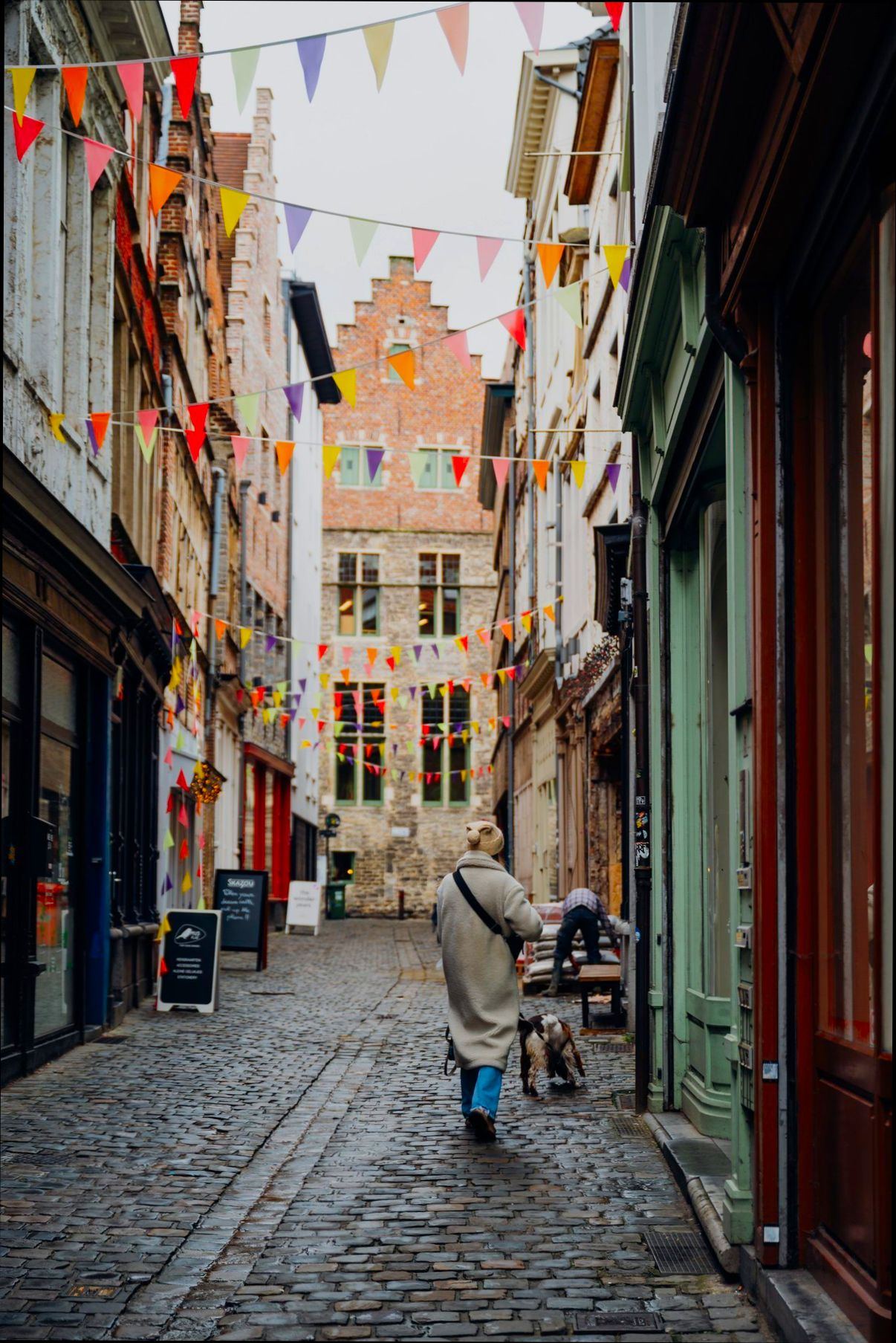
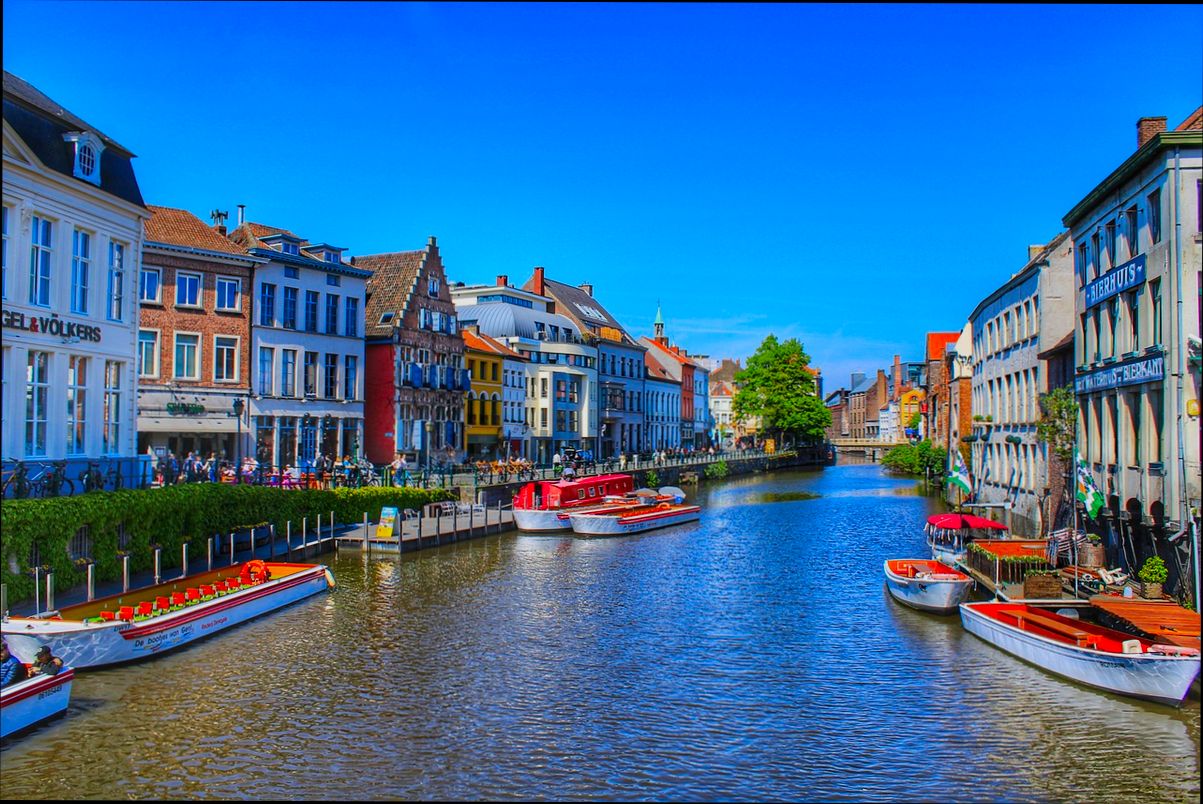
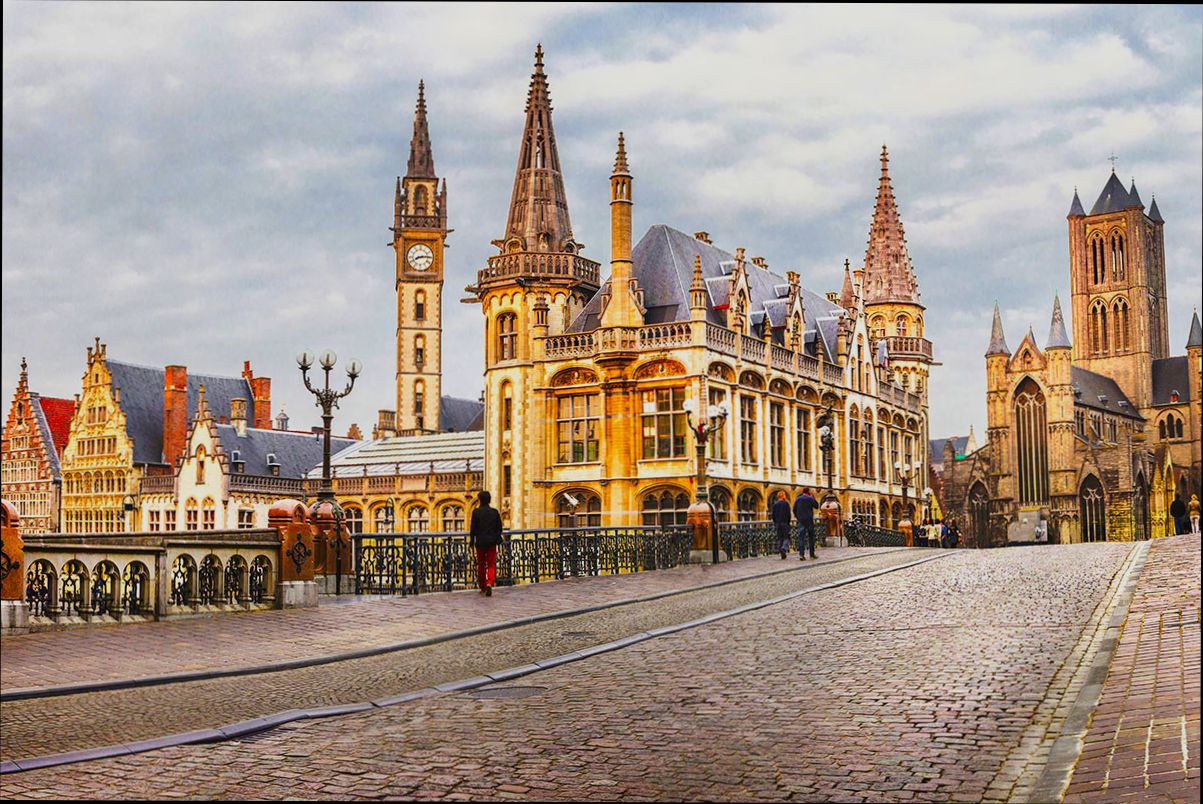
Pros and Cons of Living in Ghent (Gent) can really shape your day-to-day experience in this vibrant Belgian city. On the plus side, with a population of around 260,000, Ghent boasts a perfect blend of historic charm and modern amenities. Picture wandering through medieval streets, surrounded by stunning architecture like the Gravensteen Castle and St. Bavo’s Cathedral. Plus, the city is bike-friendly, making it easy to explore the canals and parks without breaking a sweat. You can grab a fresh, local meal for around €15, which is a steal in comparison to larger cities like Brussels or Antwerp.
On the downside, while Ghent is beautiful, it can feel a bit too quiet for some. If you’re a night owl, you might miss the bustling nightlife of bigger cities; many bars close by midnight, and finding late-night food options can be a challenge. The rental market also can be a bit tight, with prices averaging around €900 for a one-bedroom apartment in the city center—definitely not pocket change for a student or young professional. Weather-wise, brace yourself for chilly, damp winters; the gray skies can last for weeks, which might dampen your spirits if you’re used to sunnier locales.
Cultural Vibrancy and Historical Significance
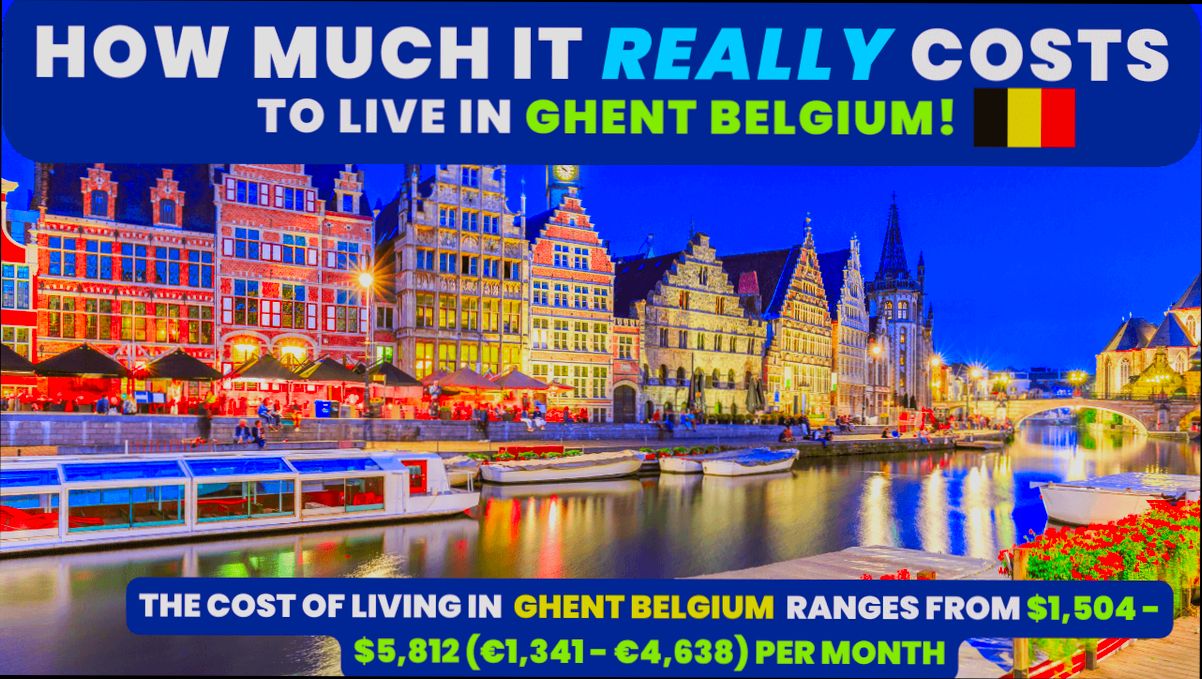
Living in Ghent offers a rich tapestry of cultural vibrancy and historical significance that draws residents and visitors alike into its storied past. The city is a blend of medieval charm, contemporary dynamism, and thriving artistic expression, making it an intriguing place to call home.
Cultural Offerings
Ghent is home to over 50 museums, including the renowned Museum of Fine Arts (MSK) and the STAM city museum, showcasing everything from medieval art to modern exhibits. Did you know that around 30% of Ghent’s inhabitants actively participate in cultural activities each year? This statistic reflects how deeply rooted the appreciation for the arts is within the community.
As you stroll through the streets, you’ll encounter a variety of performances and festivals throughout the year, such as the Gentse Feesten, which celebrate local talent and attract over 1 million visitors annually. This festival transforms the city into a bustling hub of music, dance, and theatrical performances, illustrating Ghent’s cultural heartbeat.
Historical Significance
Ghent boasts a rich history that dates back to the Roman times, offering residents a unique glimpse into the past. The city’s stunning medieval architecture, such as the Gravensteen Castle and St. Bavo’s Cathedral, captivates both history buffs and casual observers alike. In fact, more than 40% of the buildings in Ghent are classified as protected historical sites, enriching the urban landscape with their vintage allure.
| Aspect | Ghent | Other Cities in Belgium |
|---|---|---|
| Museums | 50+ | Average 30 |
| Protected Historical Sites | 40% | 25% (average) |
| Annual Festival Visitors | 1,000,000 | 600,000 (average city) |
Real-World Examples
Local initiatives like the ‘Ghent Design Museum’ focus on contemporary design while celebrating historical influences, embodying the city’s cultural blend. Meanwhile, street art has become a medium for political expression and social commentary, reflecting Ghent’s vibrant present and historical context. Examples of famous art pieces include murals that pay homage to the city’s past glories and traditional crafts that have been revived through modern techniques.
Additionally, the presence of several UNESCO World Heritage sites, such as the Belfry and the Saint Bavo Cathedral, serves as a reminder of Ghent’s historical importance in Europe. These sites not only draw tourists but also strengthen local identity, fostering a deep sense of pride among residents.
Practical Insights
If you plan to immerse yourself in Ghent’s cultural scene, consider joining local art clubs or participating in community events. Embracing local customs, such as the Feast of Saint Bavo, can also give you deeper insights into the history and cultural fabric of the area.
Take advantage of monthly art displays and neighborhood festivals to connect with other art enthusiasts and to learn more about the region’s artistic legacy. Exploring off-the-beaten-path galleries or attending talks at local cultural institutions can provide unique perspectives on both the historical and contemporary aspects of Ghent.
Specific Facts for Your Adventure
- Engage with local artists during open studio events to gain insight into modern interpretations of Ghent’s historical themes.
- Visit the ‘Blaarmeersen’, a nearby recreational area that hosts events blending culture and nature, enhancing your appreciation for the Ghent lifestyle.
- Attend guided historical tours that dive deeper into the narratives behind Ghent’s most famous landmarks, enriching your understanding of the city’s cultural significance.
These experiences will not only enhance your connection to Ghent but will enrich your living experience, allowing you to fully appreciate the cultural vibrancy and historical significance that define this enchanting city.
Housing Market Trends and Affordability
Understanding the housing market trends and affordability in Ghent is crucial especially if you’re considering making it your home. The dynamics of this market can greatly influence your living experience, from rental prices to housing availability.
Current Trends in the Housing Market
- Price Increases: In recent years, the average property prices in Ghent have surged, with a notable increase of approximately 9% from the previous year. This trend indicates a competitive market where demand may surpass supply.
- Rental Market Dynamics: The rental market also sees high demand, with average monthly rents for apartments in the city center now hovering around €1,200. This is a significant increase from €1,000 just two years ago, showing a 20% escalation.
- Market Activity: Properties in Ghent are selling faster than ever, with an average time on the market currently at just 45 days, down from 60 days just a year ago. This indicates a robust demand for housing.
Comparative Table: Housing Market Overview
| Aspect | Current Data | Previous Year Data |
|---|---|---|
| Average Property Price | €300,000 | €275,000 |
| Average Rent (City Center) | €1,200 | €1,000 |
| Average Days on Market | 45 days | 60 days |
Real-World Examples
In the Sint-Amandsberg neighborhood, a three-bedroom family home recently sold for €400,000, reflecting a booming buyer’s market. Meanwhile, in the popular Patershol area, a two-bedroom apartment rents quickly for over €1,600, showcasing the intense competition for desirable locations.
Practical Implications for Potential Residents
- Budgeting for Housing: With the increasing prices, you’ll want to budget more for housing than in previous years. Factor in utilities and typical maintenance costs which can add an additional 10-15% to your monthly budget.
- Exploring Different Neighborhoods: Each neighborhood presents a different cost structure. For example, areas outside the city center usually offer lower rent but may require longer commutes.
- Timing Your Move: Given the trends, if you’re considering investing in property, now may be a favorable time to lock in a purchase before prices escalate further.
Actionable Advice
- Investigate All Options: Consult with local real estate agents to find listings that may not be advertised widely.
- Consider Fixed-rate Mortgages: To hedge against potential future interest rate hikes, consider locking in a fixed-rate mortgage if you decide to purchase.
- Explore Subsidized Housing Programs: Look into local government programs that might help with housing costs or provide subsidies for families and first-time buyers.
Being informed about housing market trends and affordability will empower you as you navigate the challenges and opportunities of living in Ghent.
Transportation Options and Accessibility
Living in Ghent presents various transportation options that cater to the needs of residents and visitors, ensuring easy movement within the city and beyond. Whether you rely on public transport, prefer cycling, or opt for walking, you’ll find Ghent accommodating, and it’s essential to explore these options.
Public Transport
Ghent boasts a comprehensive public transport system that connects many parts of the city efficiently. Here are some key features:
- Trams and Buses: Operated by De Lijn, Ghent’s trams and buses cover over 300 km of routes. Around 45% of locals utilize public transport for their daily commutes, highlighting its importance as a reliable option.
- Train Connections: Ghent’s train station, Gent-Sint-Pieters, is a major hub in Belgium. It provides convenient access to cities like Brussels and Antwerp, with frequent trains operating every 20 minutes during peak hours.
Cycling Infrastructure
Cycling has become an increasingly popular way to navigate the city, and Ghent is well-prepared for cyclists:
- Dedicated Bike Lanes: The city features over 300 km of dedicated cycling lanes, making it safe and easy for cyclists to travel without interference from car traffic.
- Bike-Sharing Programs: Ghent also offers several bike-sharing initiatives, allowing residents and tourists to rent bikes easily. Reports indicate that bike-sharing has boosted the number of daily cyclists by nearly 25%, promoting a healthier lifestyle.
Accessibility
Accessibility is a vital aspect of transportation in Ghent, especially for those with mobility challenges:
- Public Transport Accessibility: Approximately 60% of tram and bus stops are equipped with facilities for the disabled, ensuring that everyone can access public transport comfortably.
- Pedestrian Zones: The city has strategically designated parts of its historical center as pedestrian-only zones. This initiative not only enhances safety but also encourages walking, contributing to Ghent’s overall accessibility.
Transportation Options Overview
| Transportation Option | Coverage/Features | Accessibility Level | User Percentage |
|---|---|---|---|
| Trams | Extensive network | High | 45% |
| Buses | 300 km routes | High | 45% |
| Train Connections | 20-min intervals | Moderate | 30% |
| Cycling | 300 km lanes | High | 25% |
| Accessibility | 60% of stops accessible | High | N/A |
Real-World Examples
Consider a resident commuting from the St. Peter’s Station to the city center. During peak times, they can catch a tram every 10 minutes, making their travel efficient. A tourist using the bike-sharing service can easily access various attractions, cycling through leafy parks and alongside historic architecture while enjoying the well-maintained bike routes.
Practical Implications
For newcomers and potential residents, understanding Ghent’s transportation options can significantly impact your lifestyle. If you’re planning to live here, consider the following actionable insights:
- Invest in a monthly public transport pass if you frequently travel within the city. It offers significant savings.
- If you prefer cycling, purchase a bike or utilize bike-sharing services to enjoy the scenic routes and avoid traffic.
- Take advantage of accessibility enhancements if you require assistance, utilizing the available facilities to ease your mobility.
By leveraging Ghent’s diverse transportation options and acknowledging their accessibility features, you can navigate the city easily and comfortably.
Quality of Education and Public Services
When considering a move to Ghent, understanding the quality of education and public services can heavily influence your decision. This city is not only rich in culture but offers robust educational institutions and public services that support residents’ everyday needs.
Quality of Education
Ghent boasts a well-rounded education system that includes a mix of public and private institutions recognized for their academic excellence. According to the National Center for Education Statistics, Belgium ranks consistently high in educational outcomes, with a literacy rate of approximately 99%. This is particularly noteworthy given the diversity of language and cultural backgrounds in Ghent, which enriches the learning environment.
- Higher Education Institutions: Ghent is home to Ghent University, one of the top universities globally, which is known for its research and innovation. Approximately 40,000 students attend this institution, allowing for a vibrant student community within the city.
- Early Education: For younger residents, the city operates an extensive network of quality primary and secondary schools, with a focus on multilingual education, preparing students for a globalized world. The percentage of students enrolled in quality early childhood education programs stands at 85%.
Public Services
Public services in Ghent are generally considered reliable and accessible, contributing significantly to the quality of life.
- Health Services: The city provides citizens with comprehensive healthcare facilities, including various hospitals and clinics. The overall satisfaction rate with public healthcare services is around 78%, which indicates a strong system that meets residents’ needs.
- Public Safety: Ghent’s commitment to public safety is reflected in its investment in local police and emergency services, which are highly rated by citizens. Roughly 82% of residents express confidence in the responsiveness of emergency services.
| Public Service Category | Satisfaction Rate (%) |
|---|---|
| Healthcare | 78 |
| Public Safety | 82 |
| Educational Institutions | 85 |
| Public Transportation | 80 |
Real-world Examples
Many international students and expats have chosen to live in Ghent due to the quality of education offered. For instance, the University of Ghent has programs in English that attract applicants from around the world, creating a rich multicultural academic environment.
In the realm of public services, the city’s sanitation and waste management system is frequently cited as exemplary. Residents have noted a visible commitment to sustainability, with 70% of waste being recycled, showcasing how Ghent invests in maintaining a clean living environment.
Practical Implications
If you’re looking to settle in Ghent, consider the level of access you will have to top-tier educational institutions and reliable public services.
- Evaluate the proximity of schools and universities to your potential home.
- Research healthcare facilities in your neighborhood to ensure that quality services are nearby.
- Take advantage of the city’s various programs focused on community well-being, which can further enhance your living experience.
For those interested in educational opportunities, Ghent’s continuous investment in schools and higher education ensures a fulfilling learning environment, paired with supportive public services designed to foster community and safety.
Cost of Living Considerations
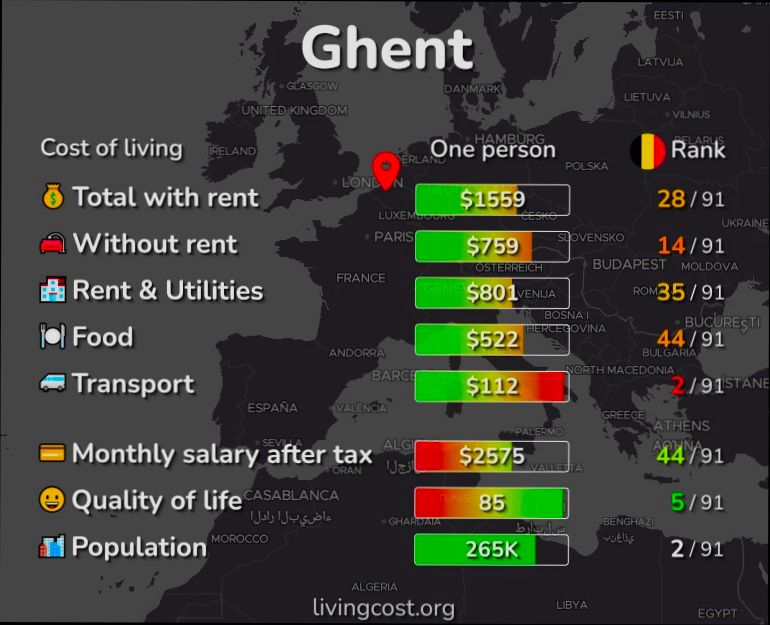
When evaluating the cost of living in Ghent, it’s essential to look beyond housing and delve into other expenses that affect your budget. From daily necessities to leisure activities, understanding the costs associated with living in this vibrant city can help you prepare better and make informed decisions.
Daily Living Expenses
In Ghent, daily living expenses vary, but here are some average costs to consider:
- Groceries: On average, a monthly grocery budget for one person is around €250–€350.
- Dining Out: Eating at a mid-range restaurant will set you back approximately €15–€25 per meal.
- Utilities: Monthly utility bills (electricity, heating, cooling, water, garbage) can range from €160 to €220 for a standard apartment.
Here’s a quick breakdown of some common expenses you may encounter:
| Expense Type | Cost Range |
|---|---|
| Groceries (monthly) | €250 – €350 |
| Dining Out (per meal) | €15 – €25 |
| Utilities (monthly) | €160 – €220 |
Transportation Costs
Though Ghent boasts an extensive public transport system, it’s important to budget accordingly:
- Public Transport Pass: A monthly pass for trams and buses costs around €49.
- Bicycles: If you choose to bike, purchasing a second-hand bicycle can range from €100 to €300, with maintenance costs adding about €10–€15 monthly.
Real-world Example
Consider the case of Sarah, a young professional who recently moved to Ghent. She budgets for her monthly living expenses as follows:
- Groceries: €300
- Dining Out: €100 (estimating 4 meals at €25 each)
- Utilities: €180
- Transport: €49
In total, her monthly expenses approximate €629, demonstrating a manageable cost for a comfortable lifestyle in Ghent.
Practical Implications for You
To effectively manage your finances in Ghent, keep these tips in mind:
1. Create a Budget: Track your expenses against your income to maintain financial stability.
2. Explore Local Markets: Shopping at local markets can help lower your grocery costs while supporting local farmers.
3. Utilize Public Transport: Embrace the public transport system to save money on commuting rather than relying on taxis or rideshares.
With these insights into the cost of living in Ghent, you can plan your move with confidence and ensure you’re well-prepared for your new life.

Community Engagement and Local Initiatives
Living in Ghent offers a vibrant sense of community engagement that enhances the overall quality of life in the city. Local initiatives, driven by residents and organizations, create opportunities for meaningful connections and foster a sense of belonging. Let’s explore the various aspects that make community engagement in Ghent unique and valuable.
Active Participation Opportunities
Residents can nurture their civic pride through numerous local initiatives. Here are some key points to consider:
- Volunteer Projects: Over 1,000 active volunteering opportunities exist within community organizations, allowing you to connect with like-minded individuals and support local causes.
- Neighborhood Associations: Approximately 80 neighborhood associations serve as community hubs, addressing local issues and organizing events to strengthen neighborhood ties.
- Cultural Programs: Local cultural initiatives, such as workshops and festivals, attract around 50,000 participants annually, showcasing Ghent’s local talent and traditions.
Comparative Table: Community Engagement Initiatives in Ghent
| Initiative Type | Number of Opportunities | Annual Participants | Community Impact |
|---|---|---|---|
| Volunteer Projects | 1,000+ | N/A | Enhances local support |
| Neighborhood Associations | 80 | N/A | Strengthens local bonds |
| Cultural Programs | N/A | 50,000+ | Celebrates local heritage |
Real-World Examples
One notable example of community engagement in Ghent is the Gentse Feesten, a city-wide cultural festival that celebrates local music, art, and community spirit. With over 1 million visitors during the event, it effectively brings together residents and tourists, fostering connections.
Another initiative is the Glocal project, which addresses local sustainability challenges through community-driven solutions. Residents collaborate with local government and businesses to promote sustainable practices, involving over 500 participants annually.
Practical Implications for Residents
As a resident, you can actively engage in these community initiatives to enrich your life in Ghent:
- Get Involved: Look for local volunteer opportunities through community centers or online platforms. Volunteering not only helps others but also allows you to build friendships and gain local insights.
- Join Neighborhood Associations: Becoming a member can provide a platform to voice concerns and participate in community decision-making. It’s an excellent way to stay informed about local issues and events.
- Participate in Cultural Events: Attend or volunteer at local festivals to familiarize yourself with Ghent’s culture and heritage, while meeting other residents who share your interests.
Actionable Advice
- Explore Expat Resources: Utilize the Expat Guide to Ghent for information on community groups and resources tailored for newcomers.
- Attend Local Meetings: Look into attending neighborhood meetings; this is a great way to learn about local initiatives and how you can contribute.
- Engage Online: Join social media groups dedicated to Ghent residents where local events and volunteer opportunities are discussed regularly.
By immersing yourself in Ghent’s community engagement and local initiatives, you’ll not only build connections but also actively contribute to the city’s thriving spirit.
Work-Life Balance and Employment Opportunities
Living in Ghent provides a unique blend of work-life balance and diverse employment opportunities that appeal to both locals and expats. The city’s dynamic job market, combined with its commitment to employee well-being, creates an enviable atmosphere for personal and professional growth.
Employment Landscape
Ghent’s job market is robust, with various sectors thriving, particularly technology, education, and healthcare. The unemployment rate in Ghent stands at around 5.5%, which is lower than the national average, indicating a healthy demand for skilled workers. Additionally, companies increasingly adopt flexible work arrangements, making it easier for employees to balance their professional and personal lives.
- Sectors with Growth Opportunities:
- IT and Digital Innovation: Creative agencies and tech startups are booming.
- Renewable Energy: Ghent’s commitment to sustainability is opening doors in this sector.
- Healthcare: With a large university hospital, job opportunities in nursing and research are abundant.
Work-Life Balance Initiatives
In Ghent, work-life balance is a priority for many employers. Companies are implementing practices that support their employees’ well-being, reflecting a growing trend towards healthier workplace cultures. Notably, 75% of companies in Ghent offer flexible working hours, which enables individuals to manage their time effectively.
- Popular initiatives include:
- Remote Work Programs
- Paid Time Off for Mental Health Days
- Employee Wellness Programs
Comparative Table of Work-Life Balance Features
| Feature | Ghent | National Average |
|---|---|---|
| Unemployment Rate | 5.5% | 6.2% |
| Companies Offering Flexibility | 75% | 60% |
| Average Work Hours | 36.5 hours/week | 38 hours/week |
| Paid Leave Days | 25 days/year | 20 days/year |
Real-World Examples
Several well-known companies in Ghent are leading the way in promoting work-life balance. For instance, a local tech startup, “Innovatech,” offers a 4-day work week without a reduction in pay, allowing employees to pursue passion projects or family time. Similarly, “Health Solutions” provides on-site childcare to support working parents, demonstrating a commitment to creating a family-friendly work environment.
Organizations like the City of Ghent are also proactive, offering workshops on stress management and work-life balance, showcasing how municipal jobs can prioritize employee well-being.
Practical Implications for Residents
As you explore job opportunities in Ghent, consider companies with a strong emphasis on work-life balance. Look for positions that offer:
- Flexible work hours
- Options for remote work
- Comprehensive health and wellness benefits
Network within local meetups or industry events to find companies or roles that align with your needs for a balanced lifestyle. The community-oriented nature of Ghent means that many companies are open to discussions around customization of work arrangements.
Finally, don’t hesitate to ask about work-life balance practices during job interviews; knowing how a potential employer prioritizes your well-being can significantly influence your job satisfaction.