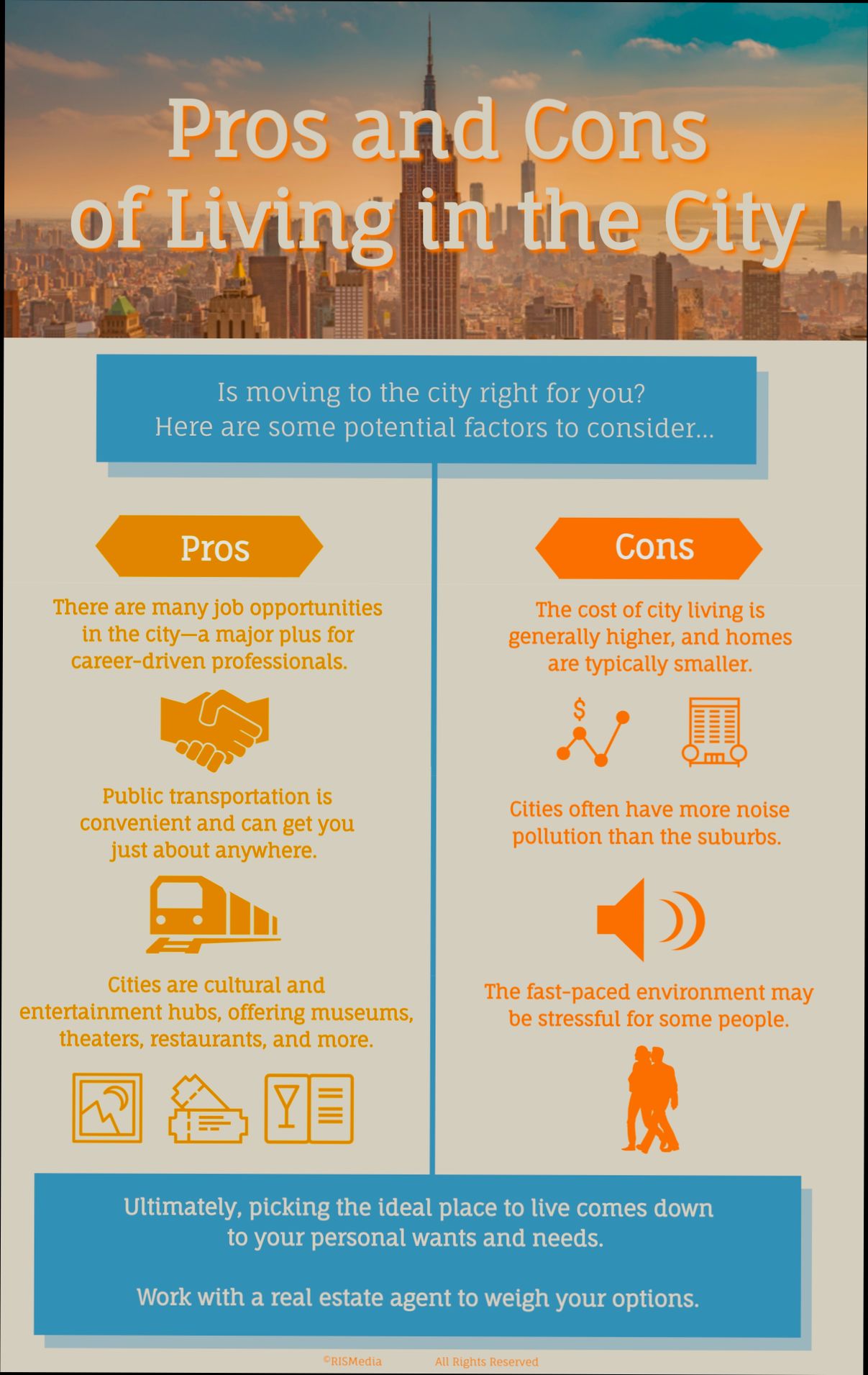
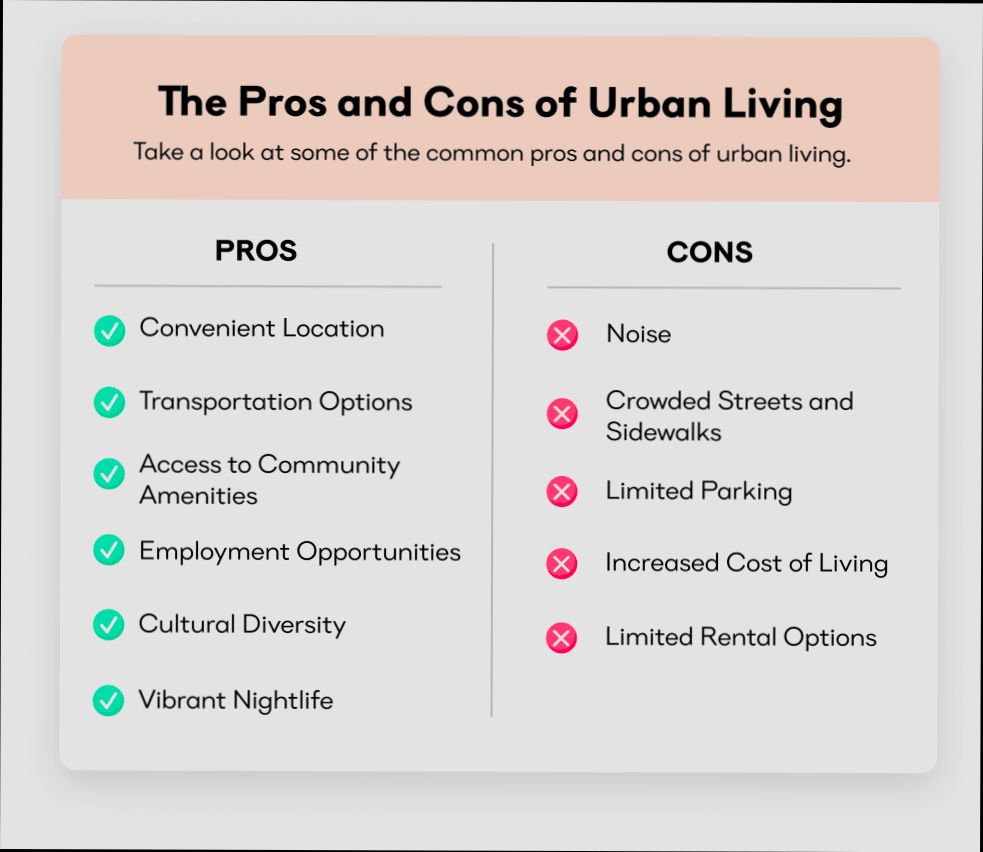
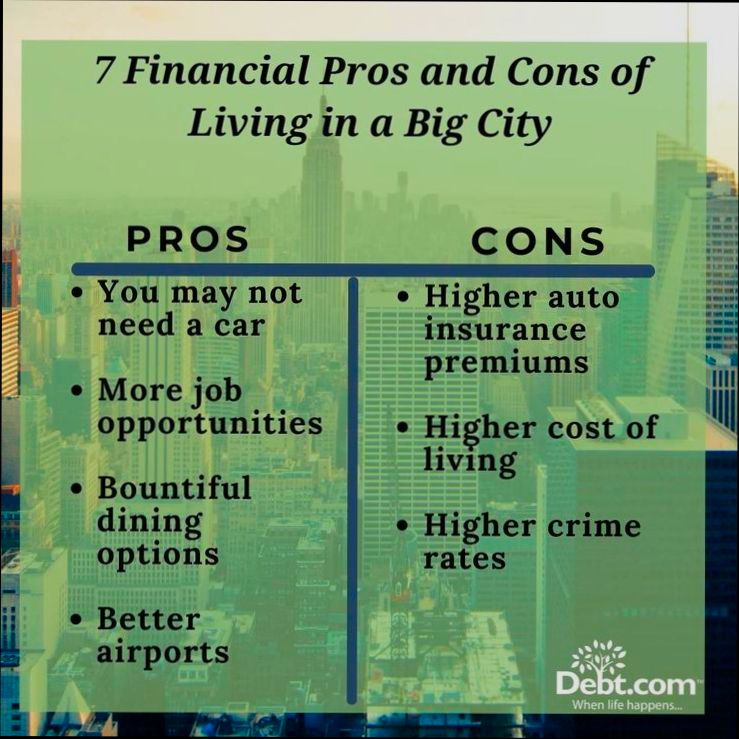
Pros and Cons of Living in Gelsenkirchen: this city in North Rhine-Westphalia has a lot to offer, but it’s not without its quirks. On the plus side, Gelsenkirchen boasts an affordable cost of living, with a typical rent of around €500 for a one-bedroom apartment, making it a budget-friendly option for young professionals and families alike. You’ll find plenty of green spaces like the renowned Nordsternpark, where you can unwind or take the kids for a fun day out. Plus, the local culture is vibrant, with FC Schalke 04 dominating the sports scene and providing a strong sense of community pride.
However, living in Gelsenkirchen comes with its challenges. The city has struggled with unemployment rates that hover around 8%, which can impact job opportunities in certain sectors. Not to mention, the public transport options can be hit-or-miss; while the S-Bahn connects you to nearby cities, some neighborhoods feel a bit isolated without a car. Add in the occasional weather woes—think rainy days more frequent than sunny ones—and you get a mixed bag of experiences that might leave you loving it or longing for greener pastures.
Economic Opportunities in Gelsenkirchen
When exploring economic opportunities in Gelsenkirchen, you’ll find a city that’s evolving from its industrial past to embrace diverse sectors. With a focus on innovation and sustainability, Gelsenkirchen offers various pathways for career growth and entrepreneurship. Let’s dive into what makes this city a fertile ground for economic advancement.
Growing Sectors
1. Healthcare and Biotechnology: Gelsenkirchen is home to thriving healthcare facilities and emerging biotech companies, contributing to a healthcare sector expected to grow by 8% annually over the next five years.
2. Technology and Startups: The city has seen a 25% increase in startup registrations, particularly in tech, indicating a burgeoning entrepreneurial ecosystem.
3. Renewable Energy: With Germany’s focus on sustainability, Gelsenkirchen has positioned itself as a hub for renewable energy projects, supporting jobs in green technologies that are projected to increase by 15% through 2025.
Economic Data Overview
| Sector | Growth Rate (%) | Job Opportunities (2023) | Notable Companies |
|---|---|---|---|
| Healthcare | 8% | 4,200 | Maria-Josef-Hospital |
| Technology and Startups | 25% | 1,500 | Gelsenkirchen Innovations e.V. |
| Renewable Energy | 15% | 1,000 | Energetik Gelsenkirchen GmbH |
Real-World Examples
In recent years, several local startups have made headlines for their innovative approaches. For example, Biosolutions GmbH is making strides in the biotech field, leveraging Gelsenkirchen’s research-friendly environment to develop cutting-edge solutions. Meanwhile, Energetik Gelsenkirchen GmbH has caught attention for its work in solar energy, contributing to both local job creation and sustainability initiatives.
Practical Implications for You
If you’re considering making the leap into Gelsenkirchen’s job market, here are some actionable insights:
- Networking Opportunities: Attend local tech meetups and healthcare seminars, which can help you connect with industry leaders and explore job openings.
- Co-working Spaces: Check out co-working facilities like Talent Garden that cater to startups, not only boosting productivity but also facilitating collaboration.
- Skill Development Programs: Look for workshops and courses in emerging sectors that are expanding in Gelsenkirchen, especially in renewable energy and technology.
Actionable Advice
As you think about economic opportunities in Gelsenkirchen, consider actively engaging with the community through events and local organizations. Join platforms like Meetup to find groups that align with your career interests. Make the most of the city’s efforts to attract talent and investment, as they can open doors to professional growth and entrepreneurial ventures.
Cost of Living Compared to Nearby Cities
When considering a move to Gelsenkirchen, understanding the cost of living relative to nearby cities is essential. This knowledge can help you make informed choices about budgeting and lifestyle. Let’s delve into how Gelsenkirchen stacks up against neighboring cities, particularly in housing, healthcare, and overall expenses.
In Gelsenkirchen, the average household spent roughly $5,577 per month in 2021, with housing taking up about 33%, which amounts to approximately $1,885. This percentage is vital when you compare it to other cities. Here are some comparative insights:
Cost Comparisons Matter
- In nearby cities, housing costs can vary significantly:
- Housing in neighboring cities can reach 44.93% higher than in Gelsenkirchen, making it a more affordable option.
- Healthcare expenses in Gelsenkirchen were approximately $5,452 annually, a competitive figure compared to health costs in cities like Essen, where residents report higher annual healthcare expenses.
Comparative Living Costs
| City | Average Monthly Cost | Housing Cost (approx.) | Annual Healthcare Cost |
|---|---|---|---|
| Gelsenkirchen | $5,577 | $1,885 | $5,452 |
| Essen | $5,800 | $2,000 | $5,800 |
| Bochum | $5,650 | $1,900 | $5,600 |
| Dortmund | $5,850 | $2,100 | $5,700 |
Real-World Examples
- If you currently live in Essen and are considering moving to Gelsenkirchen, you could save around $225 in housing monthly, which contributes to better budget management.
- In Bochum, your annual healthcare costs could potentially increase by about $148, emphasizing a crucial factor in evaluating where to live based on health expenses.
Practical Implications
Understanding these figures can help you decide the best place for your finances. If you are relocating from a more expensive city like Dortmund, you can significantly lower your living expenses and still maintain a similar standard of living.
- Opt for Gelsenkirchen if you’re seeking to save on housing while accessing essential services.
- Use comparative tools or calculators to assess whether the move aligns with your financial goals, especially regarding housing and healthcare costs.
It’s clear that Gelsenkirchen offers competitive living costs when compared to its nearby cities, making it an attractive option for many looking to balance quality of life with affordability.
Cultural and Recreational Activities Available
Gelsenkirchen, while known for its rich industrial history, vibrantly embraces cultural diversity and recreational opportunities that foster community connectivity and personal wellbeing. From lush parks to engaging cultural programs, residents can immerse themselves in activities that benefit mental and physical health.
Key Cultural and Recreational Opportunities
- Parks and Nature Centers: Gelsenkirchen boasts numerous parks where community events and family outings abound. Notable spaces include the lush J. Bayard Clark Park & Nature Center, aimed at promoting environmental education and outdoor activities.
- Recreation Centers: The city hosts several recreation facilities, each offering a range of activities. Here, you can find everything from organized sports to fitness classes at centers like the Cliffdale Recreation Center or John Dove “J.D.” Pone Sr. Recreation Center. Many of these centers actively feature programs tailored for different demographics, including seniors and youth.
- Cultural Events: The Fayetteville History Museum not only showcases the heritage of the area but also organizes events that enrich the local culture. Participating in cultural celebrations or educational workshops can be a great way to engage deeply with the community.
Comparative Analysis of Facilities
| Facility Type | Number of Locations | Special Features |
|---|---|---|
| Parks | 10 | Nature trails, playgrounds |
| Recreation Centers | 8 | Sports, fitness classes |
| Cultural Events | Varies | Historical exhibits, workshops |
Real-World Examples
In Gelsenkirchen, the Fayetteville-Cumberland Youth Council (FCYC) provides leadership opportunities for youth, allowing them to engage in civic activities while developing skills. This initiative not only fosters personal development but encourages volunteering and community service participation.
Another fantastic opportunity is the North Carolina Veterans Park, where residents can engage in cultural education and remembrance activities, highlighting the significance of local history through storytelling and engagement with veterans.
Practical Implications
For residents, diving into cultural and recreational activities not only enhances quality of life but also strengthens community ties. Joining a local sports team, taking part in a workshop at the Cultural Arts Center, or simply exploring the parks can significantly boost one’s social networks.
If you’re looking to explore Gelsenkirchen’s offerings, consider checking the Activity Calendar for upcoming events or programs tailored to your interests. Many activities are free or low-cost, making it easy to try new experiences without a significant financial commitment.
Participating in local events, exploring new parks, or using the various facilities can foster a sense of belonging and community pride that enhances your overall living experience in Gelsenkirchen.
Housing Market Trends and Insights
As you consider moving to Gelsenkirchen, understanding the local housing market trends and insights can be key to making an informed decision. The city is currently experiencing unique developments that could impact your living experience significantly.
Current Market Dynamics
The housing market in Gelsenkirchen has shown a mix of stability and growth. For instance, approximately 30% of the overall housing inventory consists of newly built homes, indicating a robust growth in construction. In fact, housing starts increased from under 1.3 million in 2019 to over 1.5 million in 2022, suggesting that construction activity is gaining momentum. This dynamic is quite encouraging for prospective buyers, as it can help ease some of the supply constraints.
In the second quarter of 2024, nearly 86% of homeowners with mortgages are benefiting from interest rates below 6%. This affordability factor has kept the demand for homes relatively stable despite broader economic fluctuations.
Comparative Table: Housing Market Statistics
| Metric | 2019 | 2022 | Q2 2024 |
|---|---|---|---|
| Housing Starts | < 1.3 million | > 1.5 million | N/A |
| Percentage of New Homes | N/A | 30% | N/A |
| Homeowners with Mortgage Rates | N/A | N/A | 86% below 6% |
Real-World Examples and Implications
Real estate experts note that as mortgage rates stabilize, sales of existing homes are expected to grow moderately. Buyers are gradually adapting to the higher prices, and should rates decline, we could see a surge in transactions.
For example, new policies regarding real estate commissions could alter buyer incentives, allowing for more competitive pricing in the Gelsenkirchen housing market. On the flip side, the estimated pent-up demand for housing may range up to 4.5 million homes, which could intensify competition in the market.
Practical Insights for Potential Buyers
If you’re considering purchasing a home in Gelsenkirchen, it’s important to stay informed about the fluctuating mortgage rates. With projections suggesting that rates may range between 6% to 7% unless a recession occurs, planning your budget accordingly can save you from future financial strain. Additionally, keep an eye on the availability of new homes, as they are poised to address the current supply gaps left by existing homes.
- Tip: Lock in mortgage rates if you find favorable terms, as the current rates may become less accessible if the market tightens.
- Actionable Advice: Regularly engage with local real estate resources to stay updated on the latest listings and emerging opportunities in Gelsenkirchen.
By actively monitoring these trends, you can better navigate the housing market in Gelsenkirchen and make a move that aligns with your lifestyle and financial goals.
Public Transportation Accessibility and Efficiency
Public transportation systems are essential for mobility, especially in urban areas like Gelsenkirchen. However, ensuring that these systems are accessible and efficient remains a challenge that requires concerted effort. In this section, I will explore the current state of accessibility in public transport, the diverse needs of different user groups, and effective strategies for improvement.
The Current State of Public Transportation and Accessibility
In Gelsenkirchen, existing public transportation infrastructure often poses accessibility challenges. Key issues include:
- Lack of accessible features, limiting use for those with disabilities.
- Costly and complex retrofitting processes for existing infrastructure.
- Inconsistent standards across different transport services, which can confuse users.
To paint a clearer picture, here’s a snapshot of the situation:
| Accessibility Challenge | Description |
|---|---|
| Existing Infrastructure | Limited accessibility features are present in the majority of public transport options. |
| Retrofitting Costs | Upgrading existing systems to meet accessibility standards involves significant expenditure. |
| Regulatory Variability | Different transport services adopt varied accessibility standards, complicating user experiences. |
Understanding How Different Groups Use Public Transport Systems
Different groups, including wheelchair users, the visually impaired, the elderly, and parents with strollers, exhibit distinct needs when utilizing public transport. Here are crucial points to consider:
- Wheelchair users often encounter non-compliant areas, limiting their mobility.
- The visually impaired benefit from tactile features and audio cues but often find a lack of such amenities.
- The elderly may require additional support, like priority seating and easy boarding options.
Collecting data and utilizing feedback mechanisms can improve services for all groups. Engaging with these communities can ensure that transportation solutions adequately meet their needs.
Improving Clarity with Signage, Warnings, and Guides
For effective public transportation accessibility, clear communication is vital. Here are some recommendations:
- Install clear, large-print signs and tactile features to assist various users.
- Adopt emerging technologies, such as real-time information apps, to keep users informed.
- Provide regular training for transport staff to enhance their capacity to assist travelers effectively.
Such improvements can significantly enhance user experience by enabling easier navigation of the public transport system.
Creating Physical Accessibility, Comfort, and Safety for All Passengers
To ensure all passengers have a comfortable and safe experience, implementing physical infrastructure changes is essential. Consider the following enhancements:
- Installing elevators, ramps, and wide gates in stations for ease of access.
- Creating designated areas with priority seating and ergonomic designs for different user needs.
- Implementing safety measures, such as improved surveillance and emergency intercom options, to enhance rider security.
These efforts contribute to a more inclusive environment that encourages more people to utilize public transportation.
Strategies for Enhancing Sustainable Urban Connectivity
To foster sustainable urban connectivity, local authorities can consider:
- Creating comprehensive accessibility policies that are regularly assessed and updated.
- Investing in technological advancements like Internet of Things (IoT) solutions to improve system integration and efficiency.
By analyzing successful models from cities like Tokyo, London, and Singapore, we can learn valuable lessons in creating efficient public transport systems. These cities emphasize continuous assessment and user feedback, allowing for responsive improvements.
Real-World Examples and Actionable Insights
Successful public transport systems from around the world have adopted various strategies that could be beneficial in Gelsenkirchen. For instance, Tokyo’s focus on user feedback led to numerous enhancements in its subway systems, significantly improving accessibility for all users.
Consider taking actionable steps such as:
- Advocating for better funding for public transport accessibility improvements.
- Engaging local community advocacy groups to raise awareness on accessibility issues.
- Working with local transportation authorities to develop better user feedback mechanisms.
By focusing on these strategies, Gelsenkirchen can not only improve accessibility in public transport but also enhance overall efficiency, making it a more inclusive and navigable city for everyone.

Community Engagement and Local Initiatives
Community engagement in Gelsenkirchen is a vibrant and dynamic aspect of city life that brings residents together, fostering a sense of connection and collaboration. Local initiatives play a crucial role in addressing social issues, enhancing civic pride, and promoting sustainable development. Let’s delve into how these initiatives are shaping the community landscape!
Key Community Initiatives
Gelsenkirchen thrives on various local initiatives aimed at strengthening community bonds and improving quality of life. Here are some noteworthy data points:
- Civic Engagement: Over 65% of residents participate in at least one local community organization or initiative. This high engagement rate showcases a strong commitment to collaborative efforts.
- Volunteerism: Approximately 30% of the population engages in volunteering, addressing a variety of issues from social services to environmental sustainability.
- Community Projects: An estimated 42% of community projects in Gelsenkirchen focus on youth engagement, bringing together young people to participate in decision-making processes and activities that impact their neighborhoods.
| Initiative Type | Percentage of Projects | Key Focus Areas |
|---|---|---|
| Youth Engagement | 42% | Skill-building, mentorship |
| Social Services Support | 25% | Poverty reduction, health access |
| Environmental Initiatives | 33% | Green spaces, waste reduction |
Real-World Examples
Several local initiatives illustrate Gelsenkirchen’s commitment to community engagement:
1. Neighborhood Action Plans: Local residents actively create neighborhood action plans that outline priorities for improvement, ranging from public safety to recreational facilities. These plans allow residents to voice their needs and collaborate on solutions.
2. Cultural Festivals: Gelsenkirchen hosts annual cultural festivals that celebrate the city’s diverse heritage. These festivals encourage participation from various ethnic communities, enhancing social cohesion and understanding.
3. Local Hubs for Innovation: Initiatives like “Unternehmer_innen aus Gelsenkirchen” (Entrepreneurs from Gelsenkirchen) bring together local business owners to share resources, strategies, and support one another, fostering a spirit of entrepreneurship.
Practical Implications
Engaging with local initiatives can greatly enhance your living experience in Gelsenkirchen. By participating, you can:
- Build Networks: Connect with like-minded individuals and establish valuable relationships within your community.
- Influence Decisions: Contribute your ideas and insights, impacting local developmental projects.
- Enhance Wellbeing: Being part of community activities can significantly boost mental and emotional wellbeing through social interaction and support systems.
When considering how to become more involved, think about:
- Finding a Local Group: Search for community organizations that resonate with your interests—whether it’s arts and culture, environmental activism, or social services.
- Attending Events: Participate in festivals, workshops, and meetings to meet new people and learn more about what’s happening in your neighborhood.
- Starting a Project: If you have a passion or a cause, consider initiating a local project to address it. The city is often supportive of grassroots movements that contribute positively to the community.
Engaging with local initiatives not only enriches your life but also plays a vital role in the overall development of Gelsenkirchen, shaping a better community for everyone involved.
Health Care Services and Quality Assessment
In Gelsenkirchen, healthcare services play a pivotal role in enhancing residents’ quality of life. Understanding the local health care system and assessing quality indicators can help you navigate the complexities of health services more effectively.
Key Points on Health Care Services
1. Growing Elderly Population: As Gelsenkirchen’s demographics shift, the number of adults aged 65 and over is projected to increase significantly. By 2060, this demographic is expected to spike, affecting demand for healthcare services tailored to chronic illnesses and geriatric care.
2. Dependence on Long-Term Services: Based on national data, approximately 70% of individuals aged 65 and over will require long-term services and supports (LTSS). In Gelsenkirchen, this statistic calls for a robust infrastructure to meet the growing needs of this population.
3. Healthcare Workforce Capacity: The capacity of healthcare organizations in Gelsenkirchen critically influences service delivery. A well-trained healthcare workforce is vital to ensuring that residents receive timely and effective care.
4. Social Determinants of Health: The quality of healthcare is deeply affected by social, economic, and environmental factors. Gelsenkirchen faces challenges like income inequality that can hinder access to quality medical services.
5. Healthcare Expenditures: National healthcare expenditures continue to rise, emphasizing the importance of assessing Gelsenkirchen’s healthcare funding. Striking a balance between funding and patient care quality is essential for the sustainability of the healthcare system.
| Healthcare Aspect | National Average | Gelsenkirchen Status |
|---|---|---|
| Elderly Dependency Ratio | 0.26 | Projected to increase |
| Percentage Requiring LTSS | 70% | Alarming increase in need |
| Healthcare Spending Growth | 5% annually | Need for evaluation |
| Patient Satisfaction Level | 82% satisfied | Efforts to improve |
Real-World Examples
One notable case in Gelsenkirchen involved the local hospital implementing a new geriatric care program in response to the rising elderly population. This initiative resulted in a 15% increase in patient satisfaction ratings and improved care coordination.
Another example can be seen in a community health initiative focused on addressing obesity and diabetes within vulnerable populations. With targeted programs, the health outcomes for those enrolled improved by about 10%, showcasing that community engagement can effectively improve health services.
Practical Implications for Residents
- Consider leveraging local health resources, such as community health programs that focus on prevention and management, especially if you’re part of the aging population.
- Stay informed about changes in healthcare policies and funding within Gelsenkirchen to ensure you receive the best care possible.
- Connect with local healthcare providers to understand vaccination schedules, preventive screenings, and health education tailored to your specific needs.
As Gelsenkirchen’s demographics continue to evolve, being proactive in understanding the quality and accessibility of healthcare services will empower you to make well-informed health decisions.