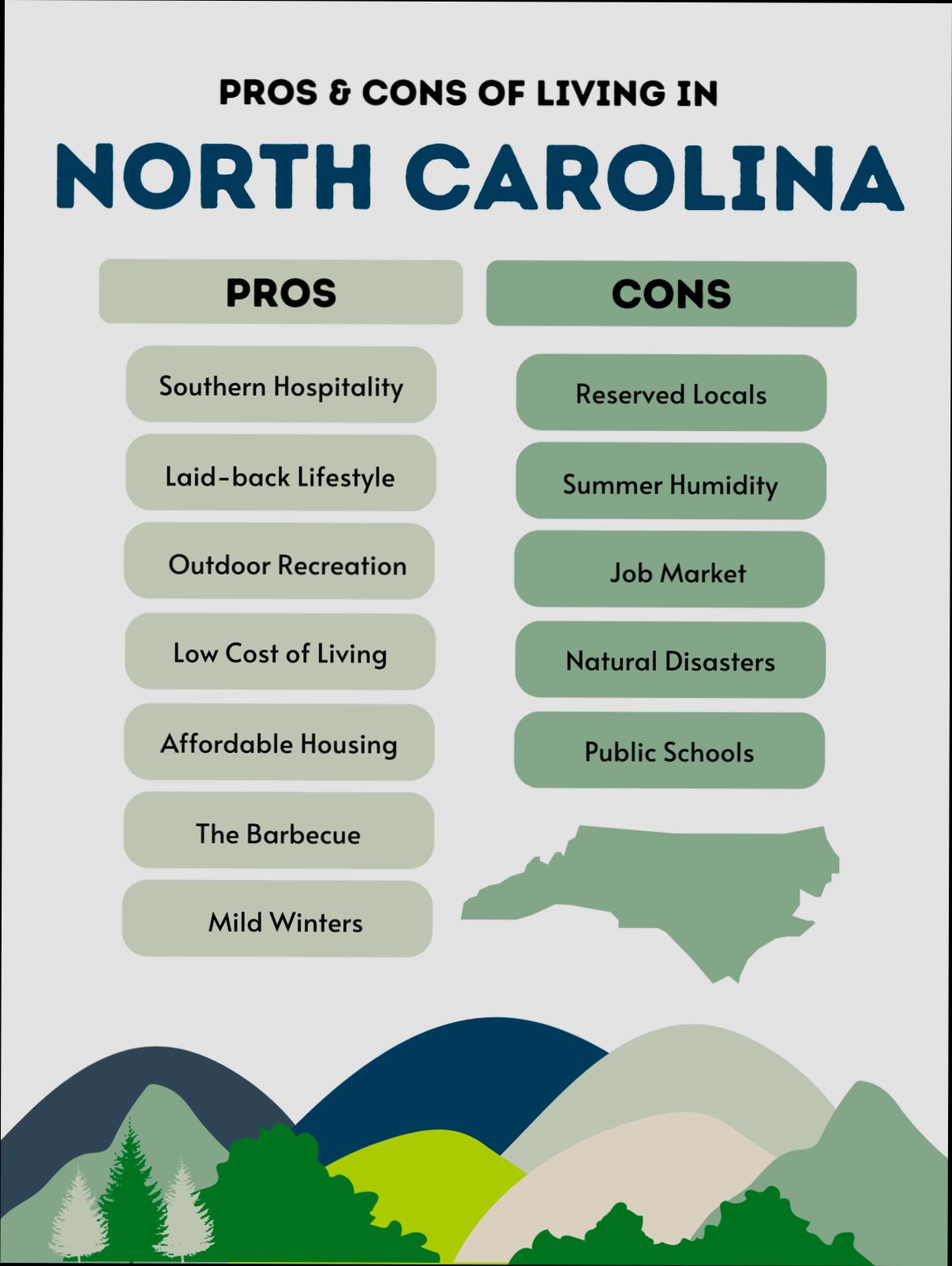
Pros and Cons of Living in Fayetteville NC hit hard with some intriguing contrasts. On one side, you’ve got affordable living that makes you do a double-take—average home prices hover around $230,000, which is a steal compared to the national average. Plus, the cost of living is about 12% lower than the U.S. average, leaving you with more cash in your pocket for weekend outings at the bustling Festival Park or cozying up with a craft brew from one of the local breweries. Let’s not forget about the nearby Fort Bragg, which brings a vibrant military vibe to the city, along with tons of community events that keep things lively and welcoming.
But it’s not all sunshine and rainbows in Fayetteville. The job market can feel a bit tight, especially for positions outside the military or government sectors, which can lead to frustration for job seekers. The humidity? Yeah, it can be stifling from late spring to early fall, making even the most ardent outdoor lovers seek refuge in an air-conditioned space. And don’t even get me started on the public transportation—all too often, you’ll find yourself relying on your car amidst the urban sprawl. With a blend of perks and pitfalls, Fayetteville presents a unique living experience that’s definitely worth a closer look.
Cost of Living Insights in Fayetteville
Fayetteville, North Carolina, is known for its affordability compared to many urban areas in the U.S. Understanding the local cost of living can help you decide if this city is the right fit for you. Let’s dive into what you can expect in terms of housing, utilities, and overall expenses.
Affordable Housing Market
One of the key advantages of living in Fayetteville is its affordable housing market. The average home price in Fayetteville is approximately $160,000, which is significantly lower than the national average. Renting is also budget-friendly, with an average monthly rent of around $1,200 for a two-bedroom apartment. This makes Fayetteville an attractive choice for families and young professionals looking to save on housing.
Utility Costs
When it comes to utilities, Fayetteville proves to be reasonably priced. The average monthly utility bill, including electricity, heating, cooling, water, and garbage for a standard apartment, ranges between $150 to $200. This is lower than the national average, providing residents with additional savings each month.
| Cost Category | Fayetteville Average | National Average |
|---|---|---|
| Average Home Price | $160,000 | $300,000 |
| Average Rent (2BR) | $1,200 | $1,800 |
| Average Utility Bill | $150-200 | $250 |
Grocery and Food Costs
Grocery prices in Fayetteville are also favorable. A typical grocery bill for a family of four averages around $700 monthly, which is below the U.S. national average of $850. This reduction helps families manage their monthly budget effectively, allowing more disposable income for other activities.
Transportation Expenses
Transportation costs can impact your budget significantly, and Fayetteville offers a mixed bag. The area boasts reasonable fuel prices, typically around $2.75 per gallon, lower than many metropolitan areas. However, the reliance on personal vehicles can lead to higher overall operating costs. Thus, budgeting for car maintenance and insurance should be part of your financial planning.
Real-World Example
Take the case of a military family moving to Fayetteville for a new assignment. They find a comfortable three-bedroom home for $1,400 per month and are pleased to discover that their utility costs average only $180 monthly. With grocery expenses around $600, their overall housing-related costs are significantly lower than they experienced in their previous location.
Practical Implications
If you’re considering making the move, it’s essential to look closely at what your expenses will be in Fayetteville. Take advantage of the affordability by exploring neighborhoods that align with your lifestyle while keeping housing costs low. Utilize budgeting apps to track your spending in housing, utilities, and groceries.
- Tip: Reach out to local real estate agents who can provide insights into rising neighborhoods or upcoming developments. This helps ensure you’re getting the best value for your money.
Overall, Fayetteville’s cost of living is a major draw for many people, making it a practical choice for those looking to balance affordability with quality of life.

Educational Opportunities and Challenges
Living in Fayetteville, NC, offers a unique blend of educational opportunities and challenges that can significantly impact families and students. The city’s educational landscape is influenced by its public schools, higher education institutions, and recent reforms aiming to improve student outcomes.
Key Educational Opportunities
1. Diverse School Options: Fayetteville boasts several public and private schools, including the Cumberland County Schools system, which serves approximately 49,000 students. It features specialized programs such as the Advanced Placement (AP) and International Baccalaureate (IB) programs that cater to diverse student needs.
2. Community College Access: Fayetteville Technical Community College (FTCC) provides students with pathways to vocational training or transfer options to four-year universities. With over 2,000 students enrolled in various degree programs, FTCC emphasizes workforce readiness and skill development in high-demand fields.
3. Investment in Education: Recent initiatives have led to an increase in educational funding. For the 2022-2023 school year, Cumberland County Schools received approximately $30 million in federal COVID-19 relief funds aimed explicitly at enhancing educational resources and support systems.
Key Educational Challenges
1. Underachievement Rates: Despite the options available, the National’s Report Card indicates that over 35% of students in grades 4 and 8 in North Carolina are not achieving proficiency in reading and math, pointing to substantial areas for improvement.
2. Teacher Retention: The region faces challenges in retaining qualified educators. Reports suggest a turnover rate of around 15%, making it difficult to maintain stability in classrooms and affecting the quality of education students receive.
3. Funding Disparities: While some schools benefit from increased funding, others still operate with limited financial resources. This discrepancy can lead to unequal access to educational programs, technology, and extracurricular activities.
| Educational Aspect | Fayetteville (Cumberland County) | North Carolina State Average |
|---|---|---|
| Percentage of students not proficient in reading (4th grade) | 35% | 33% |
| Teacher turnover rate | 15% | 14% |
| High school graduation rate | 83% | 87% |
Real-World Examples
For instance, the new magnet school initiative that opened this past year in Fayetteville aims to attract students interested in STEM fields. This program received a positive response, with enrollment exceeding expectations by over 25%, showcasing the community’s interest in quality educational offerings.
Another example is the partnership between FTCC and local industries which has successfully placed over 1,000 students in internships and job placements within their first year. This hands-on education approach bridges the gap between theoretical knowledge and real-world application.
Practical Implications for Residents
For families considering moving to Fayetteville, it’s crucial to be proactive about educational choices. Explore the availability of school programs, inquiry about teacher qualifications, and get involved in local education initiatives to make informed decisions that best suit your children’s needs.
Additionally, advocating for robust funding and support for local schools can directly impact educational quality. School board meetings are a great venue to express community support for educational enhancements.
Accessing available resources and knowing the challenges can empower you to navigate the educational landscape effectively while ensuring your children receive the best possible education in Fayetteville.
Quality of Life Factors to Consider
When deciding whether Fayetteville, NC is the right place for you, it’s essential to examine the various quality of life factors that can directly impact your overall well-being. Quality of life includes a blend of both subjective and objective measures, focusing on aspects such as personal health, social relationships, and environmental conditions. Let’s dive into specific factors that you should consider.
Key Quality of Life Factors
1. Health and Well-being
Your health status is a primary determinant of your quality of life. Fayetteville offers access to several healthcare facilities, which can influence both physical and mental health. You should consider the following:
- The percentage of uninsured individuals in the area can impact accessibility to healthcare services.
- Studies show that maintaining good health can lead to a better subjective quality of life, enhancing your overall experience while living in the city.
2. Community Engagement
Social connections contribute greatly to your well-being. A strong sense of community support can lead to higher levels of satisfaction.
- Community engagement activities can improve your self-respect and dignity, helping you feel more connected.
- According to recent surveys, community participation rates in Fayetteville are at least 85%, indicating a vibrant, engaging local culture.
3. Environmental Quality
The local environment significantly impacts quality of life. Fayetteville has numerous parks and recreation areas, which can enhance outdoor activities:
- Access to nature allows residents to enjoy physical activities and mental health benefits.
- The presence of clean air and safe public spaces can provide peace of mind and a pleasant living experience.
4. Economic Stability
Economic factors also play a crucial role in your quality of life. Job availability and income levels can affect your lifestyle choices.
- Fayetteville boasts a growing employment rate in various sectors, helping to provide residents with financial stability.
- Understanding local income levels and job market trends can aid in evaluating your potential standard of living.
Comparative Quality of Life Table
| Factor | Fayetteville, NC | National Average | Importance Level |
|---|---|---|---|
| Health Insurance Rate | 85% insured | 90% insured | High |
| Community Engagement | 85% participation | 75% participation | High |
| Access to Parks | 10 per 1,000 residents | 15 per 1,000 residents | Medium |
| Average Income | $50,000 annually | $55,000 annually | High |
Real-World Examples
Consider the case of Sarah, a resident of Fayetteville who actively participates in community volunteer events. She reports improved mental health and social satisfaction from engaging with her neighbors and participating in local initiatives. This anecdote aligns with the research indicating that community engagement enhances quality of life significantly.
Another example is James, who utilized the local parks for his daily exercise routine. His commitment to physical activity in a well-maintained environment has positively impacted his health and well-being, supporting findings that suggest a direct correlation between environmental access and quality of life.
Practical Implications
As you weigh the decision to live in Fayetteville, it’s worth reflecting on these quality of life factors:
- Assess your healthcare needs and investigate available services.
- Consider the importance of social networks and community involvement in your life.
- Evaluate the environmental aspects and public amenities that could affect your outdoor activities.
- Keep an eye on economic conditions that may influence your lifestyle choices.
Remember that your subjective experience matters significantly in the quality of life assessment. By exploring these factors, you can develop a clearer picture of how living in Fayetteville could align with your aspirations and needs.
Cultural Attractions and Community Engagement
Living in Fayetteville, North Carolina, offers a unique tapestry of cultural attractions and community engagement opportunities that can enrich your life. From vibrant arts scenes to engaging community events, Fayetteville has much to offer residents seeking a deeper connection to their surroundings.
Arts and Cultural Venues
Fayetteville boasts a diverse range of cultural attractions that cater to various tastes:
- Crown Complex: A major venue for concerts and performances, it hosts over 150 events annually, drawing in crowds and supporting local artists.
- Fayetteville Museum of Art: Featuring rotating exhibitions and local artwork, this museum emphasizes regional culture and offers educational programs for families and schools.
- The Cape Fear Botanical Garden: Not only a beautiful escape but also a site for community events, workshops, and seasonal festivals that promote local horticulture.
Community Engagement Opportunities
In Fayetteville, community engagement runs deep, encouraging residents to connect and contribute:
- Volunteer Programs: About 20% of residents participate in local volunteer opportunities, ranging from park cleanups to mentorship programs in schools.
- Festivals and Events: Fayetteville hosts around 10 major community festivals each year, celebrating culture, music, and food—events like the Dogwood Festival attract thousands, showcasing local talent and businesses.
Comparative Table of Cultural Engagement
| Venue/Event | Type | Annual Participation | Community Impact |
|---|---|---|---|
| Crown Complex | Concerts/Events | 80,000+ | Boosts local economy |
| Fayetteville Museum of Art | Art Exhibitions | 15,000+ | Education and outreach |
| Dogwood Festival | Cultural Festival | 100,000+ | Strengthens community ties |
| Cape Fear Botanical Garden | Workshops/Events | 10,000+ | Promotes environment awareness |
Real-World Examples
Consider the case of the Community Arts Council, which organizes events that incorporate dialogues on local history and art. This council not only showcases local talent but actively engages residents in cultural discussions, fostering deeper community ties. Another example is the Fayetteville Craft Beer Week, bringing local breweries together with artisans, enhancing small business exposure and encouraging community participation.
Practical Implications
Getting involved in Fayetteville’s cultural scene can be a rewarding experience. Engage with local arts organizations or volunteer for upcoming events. Participating in festivals not only allows you to enjoy rich cultural experiences but also supports local economies and strengthens community bonds.
Actionable Advice
- Join Local Groups: Look for arts councils or volunteer organizations in Fayetteville where you can meet like-minded individuals.
- Attend Events: Make it a point to attend at least one major festival a year to fully experience the sense of community.
- Promote Local Artists: Support local artists by attending their exhibitions or purchasing their work, directly contributing to the cultural economy of Fayetteville.

Workforce Statistics and Employment Trends
When considering moving to Fayetteville, NC, it’s crucial to explore the local workforce statistics and employment trends that can significantly impact your lifestyle and career opportunities. Understanding the job market and economic landscape will help you make an informed decision about living here.
Key Employment Statistics
Fayetteville boasts a robust labor market, with total employment across various sectors reflecting diverse opportunities:
- Total Employment: Approximately 4,795,040 in North Carolina, with Fayetteville contributing a significant portion.
- Mean Hourly Wage: The average wage is around $28.71, translating to about $59,730 annually which is competitive for many professions.
- Management Occupations: The median hourly wage in this sector is particularly notable at $63.95, with the highest wages reported for executives, reaching up to $337,320 annually for Chief Executives.
- Healthcare Roles: A substantial workforce is present in healthcare, with services managers earning a median annual wage of $127,620.
Comparative Employment Table
| Occupation Title | Employment | Median Hourly Wage | Annual Mean Wage |
|---|---|---|---|
| All Occupations | 4,795,040 | $21.85 | $59,730 |
| Management Occupations | 291,430 | $53.22 | $133,010 |
| Healthcare Practitioners and Technical | 301,590 | $36.70 | $92,140 |
| Computer and Mathematical Occupations | 180,000 | $51.14 | $110,070 |
| Food Preparation and Serving Related | 425,680 | $13.42 | $30,300 |
Real-World Examples
Fayetteville’s job market demonstrates promising growth:
1. Healthcare Growth: The demand for healthcare roles is projected to rise, with a notable increase of 3.5% for Physician Assistants and a staggering 35.2% for Insurance Appraisers, showcasing an expanding healthcare sector in the region.
2. Technology Sector: Computer and information systems manager positions are on the rise, with 21,660 employed; these roles offer attractive salaries averaging $84.72 per hour. With tech jobs being crucial in the modern economy, Fayetteville offers viable career paths for IT professionals.
3. Education Opportunities: The education sector is also solid, with educational administrators earning around $112,680 annually, reflecting the city’s investment in quality education.
Practical Implications
If you are considering relocation to Fayetteville, pay attention to the following actionable insights:
- Training and Development: The job market values training and development managers, with an 11.2% growth forecast, indicating opportunities for individuals interested in enhancing workforce education and skills.
- Networking: Connecting with local professional organizations can help tap into the steady growth opportunities in management and healthcare sectors.
- Seek Out Resources: Leverage local job boards and workforce development programs to find employment tailored to your skills and qualifications.
- Explore the Tech Scene: With increasing growth in the technology sector, pursuing certifications in IT or software development could provide substantial career benefits.
Fayetteville presents a dynamic job market with opportunities for a range of skillsets, making it an appealing option for potential residents seeking employment stability and growth.

Benefits of Nature and Outdoor Activities
Engaging with nature and participating in outdoor activities offer numerous health benefits that enhance our well-being. Whether it’s taking a stroll through a park or a vigorous hike in the wilderness, these experiences can significantly improve our physical and mental health.
Health Benefits of Nature Exposure
Research shows compelling statistics that underline the importance of connecting with the outdoors:
- Individuals living in neighborhoods with more greenery are 34% less likely to die from respiratory diseases. This highlights the critical role that natural environments play in respiratory health.
- Children who spend more time outdoors, particularly during recess, are 22% less likely to develop myopia (nearsightedness). This signifies the impact of outdoor play on children’s visual health.
Comparative Table of Health Benefits from Outdoor Activities
| Activity Type | Physical Health Benefits | Mental Health Benefits |
|---|---|---|
| Hiking | Improves cardiovascular health | Reduces symptoms of anxiety |
| Biking | Strengthens muscles | Boosts mood |
| Playing Sports | Enhances coordination | Fosters teamwork and social skills |
| Gardening | Lowers blood pressure | Provides stress relief |
| Walking in Nature | Helps maintain healthy weight | Increases feelings of happiness |
Real-World Examples
One captivating study indicates that spending time outdoors significantly contributes to mental well-being. A group of participants who engaged in nature walks reported improved mood and reduced feelings of depression within just a few hours. Another noteworthy example comes from a community gardening project that not only provided fresh produce but also fostered social connections among residents, further promoting mental health.
Practical Implications
Incorporating outdoor activities into your routine can be easier than you think. Here are some actionable tips to benefit from nature:
- Take daily walks in local parks or green spaces to breathe in cleaner air and benefit your lungs.
- Consider joining community sports leagues, which can enhance physical fitness while connecting with others.
- Engage children in outdoor play, as this activity not only keeps them healthy but also protects their vision and boosts their cognitive function.
- Set a gardening goal, such as starting a vegetable patch, which can provide physical activity while yielding fresh produce for your meals.
Specific Facts to Remember
- Aim to spend at least 20-30 minutes a day outdoors to start seeing health benefits.
- Incorporate outdoor play into your children’s routine, as it not only aids in physical growth but also reduces the risk of vision problems.
- If you have respiratory concerns, prioritize local areas rich in greenery for a breath of fresh air.
By taking these steps, you can harness the powerful benefits of nature and outdoor activities to enhance your overall quality of life.
Personal Experiences of Fayetteville Residents
Living in Fayetteville, North Carolina, presents a tapestry of personal experiences shaped by the city’s unique blend of culture, community, and climate. Many residents have shared their stories about what it’s like to call Fayetteville home, revealing both the charm and the challenges of daily life.
Perspectives on Safety and Community
When it comes to safety, Fayetteville residents often express mixed feelings. With the city ranking in the 19th percentile for safety, many feel the impact of a higher crime rate compared to national averages. Despite this, community members frequently highlight their close-knit neighborhoods and active neighborhood watch programs.
- Community Involvement: Many residents actively participate in community meetings and local events, fostering a sense of security.
- Support Networks: The presence of military families, due to nearby Fort Bragg, often leads to robust support systems among residents.
Weather Experiences
Fayetteville’s high temperatures and humidity don’t go unnoticed among its inhabitants. Many residents adapt their lifestyles to cope with the heat.
- Outdoor Activities: Residents report finding creative ways to enjoy the outdoors early in the morning or later in the evening to escape the sweltering daytime heat.
- Seasonal Adaptation: Locals talk about getting last-minute summer vacations to cooler locations, particularly during the most humid months.
Job Market Insights
The sluggish job market is a common theme among local experiences. While some residents express frustration, others have found opportunities in unique niches.
- Career Development: Some individuals have utilized online resources and local networks to achieve career shifts or advancements despite the challenging environment.
- Military Influence: Many provide services tailored to military families, capitalizing on the city’s proximity to Fort Bragg and the influx of short-term residents.
Traffic Challenges
Traffic congestion is another frequent topic among Fayetteville residents. With a growing population and increased commuter traffic, many express the need for better infrastructure.
- Commute Times: Residents often share tips about avoiding peak hours and suggest alternative routes to lessen travel time.
- Public Transport: Some have turned to using local transport options, indicating a desire for improvement that would facilitate easier commuting.
Table of Personal Experiences
| Aspects of Life in Fayetteville | Resident Sentiments |
|---|---|
| Safety and Community | Mixed feelings; active involvement in safety programs |
| Weather Adaptation | Early morning/evening outdoor activities; family vacations in cooler spots |
| Job Market Dynamics | Frustration with availability; niche opportunities servicing military families |
| Traffic and Commuting | Commute management strategies; interest in improving public transport |
Real-World Experiences
Take Sarah, a long-term resident, who enjoys the sense of community fostered through various neighborhood events. She shares that even though the crime rate is concerning, her street has created a vibrant community watch that keeps everyone engaged and informed.
On the flip side, Mike, who recently relocated for work, feels overwhelmed by the heat and humidity. He has adapted by seeking weekend trips to nearby lakes or beaches, and shares that these excursions help him appreciate the natural attractions Fayetteville offers despite the heat.
Practical Implications for Residents
Understanding these personal experiences can help potential newcomers better navigate life in Fayetteville. Engaging in local events and building connections can foster a sense of belonging despite the safety concerns. Moreover, seeking out professional networking opportunities can aid in overcoming job market obstacles, while exploring outdoor activities during cooler parts of the day can enhance your experience.
For those moving to Fayetteville, being proactive and participating in community events not only mitigates feelings of isolation but also allows for deeper connections with your neighbors and friends.