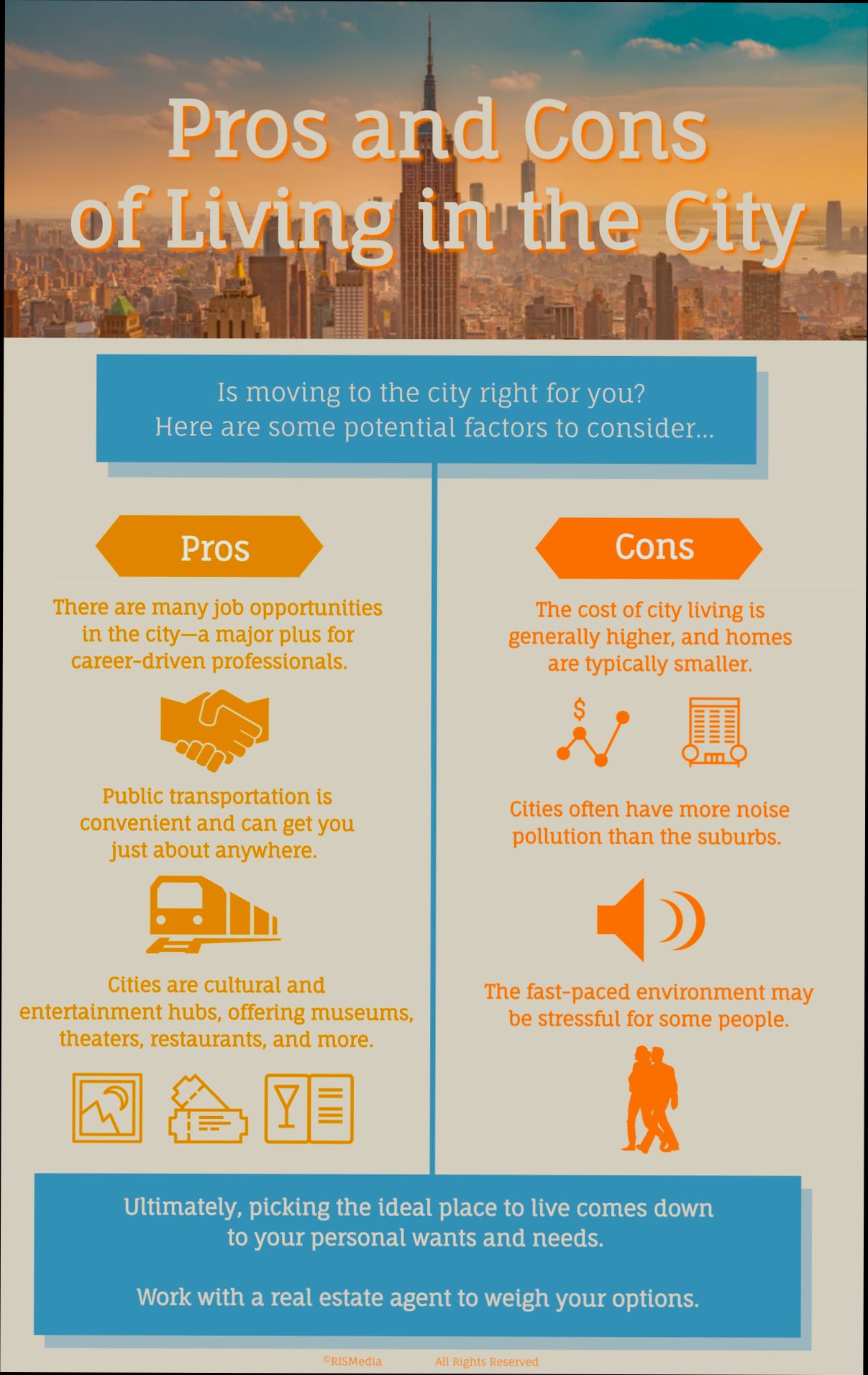
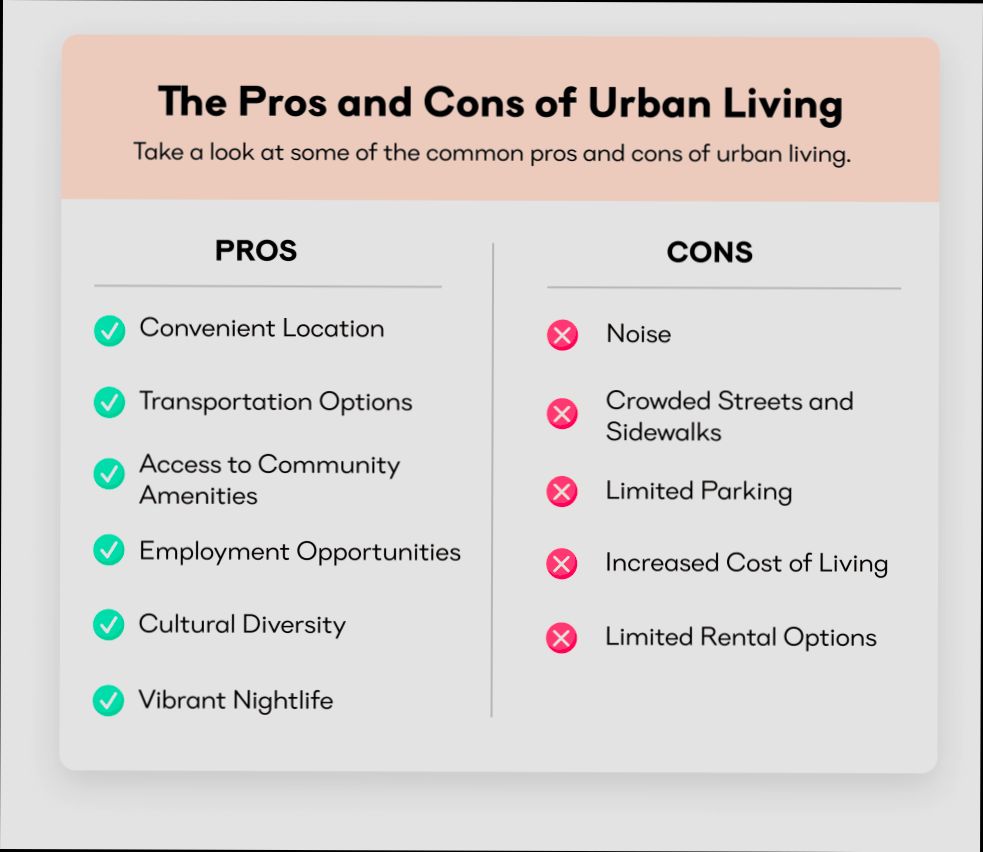
Pros and Cons of Living in Drogheda can really shape your experience if you decide to call this town home. Nestled along the Boyne River, Drogheda boasts a rich history, with landmarks like the medieval St. Laurence’s Gate and a vibrant arts scene that keeps the cultural pulse alive. The town’s location just 50 kilometers from Dublin makes commuting a breeze, with regular trains whisking you into the capital in just over an hour. Plus, with an average rent for a two-bedroom apartment hovering around €1,300, you’ll find it more affordable than city living, leaving room in your budget for enjoying local gems like the Boyne Valley or the lively market scene.
On the flip side, living in Drogheda isn’t all sunshine and rainbows. The town can feel a bit sleepy, especially compared to the bustling energy of Dublin. Amenities might not stack up against what you’d find in bigger cities—like fewer high-end restaurants and shopping options, which can be a bummer for some. The local nightlife? It’s there, but it might not match the vibrancy or variety you’d expect in a larger urban setting. And while the community is tight-knit, it can also feel a bit insular for newcomers, making it tricky to break into social circles.
Cost of Living in Drogheda
When considering a move to Drogheda, it’s essential to dive into the cost of living. From housing to groceries, understanding these expenses can significantly influence your decision-making process. I’ll break down some key points that will help you gauge what to expect financially.
Housing Costs
Housing remains one of the most significant expenses. In Drogheda, the average monthly rent for a one-bedroom apartment in the city center is about €1,400. If you lean toward suburban areas, you might pay around €1,100 for the same type of apartment. This variation shows that location can be a critical factor when renting.
Grocery Prices
Grocery expenses can also add up. On average, a monthly grocery bill for one person in Drogheda hovers around €250. Here are some everyday items to give you a clearer picture:
- Milk (1 Liter): €1.20
- Bread (500g): €1.50
- Eggs (12): €3.00
- Chicken Breast (1kg): €10.00
These prices can fluctuate, so keep that in mind when budgeting.
Transportation Costs
If you’ll be commuting, Drogheda’s public transportation system provides convenient options. A monthly transportation pass costs approximately €100. If you’re driving, expect to pay around €1.65 per liter of fuel, which can quickly add up depending on your commute distance.
Comparative Cost Table
| Expense Type | Drogheda (€) | Dublin (€) | Comparison |
|---|---|---|---|
| Rent (1-Bedroom) | 1,400 | 2,350 | Drogheda is 40% cheaper |
| Grocery (Monthly) | 250 | 350 | Drogheda is 30% cheaper |
| Transportation Pass | 100 | 140 | Drogheda is 29% cheaper |
| Restaurant Meal (2) | 50 | 70 | Drogheda is 29% cheaper |
Real-World Examples
Consider John, a young professional who moved to Drogheda for work. He found a cozy one-bedroom apartment for €1,350, saving €200 compared to his flat in Dublin. He enjoys shopping at local markets, keeping his monthly grocery bill around €220 by being budget-conscious. John’s monthly pass allows him to commute with ease, costing him only €90, compared to his previous €130 pass in Dublin.
Practical Implications
Understanding the cost of living is crucial. If you plan to move or visit, factor in these expenses to create a well-rounded budget. Consider:
- Exploring suburban areas for more affordable housing.
- Taking advantage of local farmers’ markets for groceries to save money.
- Budgeting for transportation, whether you rely on public transport or a personal vehicle.
With this information, you’ll be better equipped to manage your finances effectively while living in Drogheda, ensuring you enjoy all that this city has to offer without any financial surprises.

Cultural Opportunities and Community Life
Living in Drogheda offers a unique blend of cultural richness and community spirit that makes it a fascinating place to call home. With close to 40,000 residents, this town is vibrant with local traditions, arts, and communal events making community life both engaging and dynamic.
Rich Cultural Scene
Drogheda isn’t just a town; it’s a cultural hub brimming with artistic expressions. Throughout the year, the town hosts numerous festivals and events that celebrate its rich heritage. Notably, the Drogheda Arts Festival features a variety of performances, art exhibitions, and workshops, drawing both locals and visitors alike.
- Annual Events: The local calendar is packed with events, from music festivals to seasonal fairs, enriching community bonds.
- Community Engagement: Local groups actively participate in organizing events, showcasing the area’s creative talents.
Historical and Artistic Venues
Drogheda is steeped in history, and its landmarks play a vital role in community life.
| Venue | Description | Significance |
|---|---|---|
| Millmount Fort | A historic fortification with panoramic views | Symbol of local heritage |
| Highlanes Gallery | A contemporary art gallery supporting local artists | Cultural enrichment and community pride |
| St. Peter’s Church | Historic church with stunning architecture | Venue for concerts and community events |
Community Involvement
Civic engagement is high in Drogheda, creating a strong sense of belonging. Local community centers host various classes and workshops, from pottery to dance, allowing residents to connect through shared interests. Engaging in these activities not only fosters learning but also strengthens neighborhood ties.
- Volunteer Opportunities: Many initiatives encourage volunteer work ranging from environmental clean-ups to organizing local festivals.
- Support for Local Arts: Many projects seek to involve the community in supporting local artists, helping to cultivate a vibrant arts scene.
Real-World Examples
Residents have expressed how Drogheda’s cultural opportunities transformed their lives. For instance, a small group of artists formed a cooperative to exhibit local artworks in the Highlanes Gallery, making art more accessible to the community. This initiative not only boosted local morale but also drew attention to emerging talents in the area.
Moreover, during the Drogheda Arts Festival, an initiative highlighted how local schools partnered with artists, giving students hands-on experience in performance arts. This not only nurtured budding talent but also built bridges between generations in the community.
Practical Implications for Readers
For those considering a move to Drogheda, integrate yourself into the community by attending local events. Look for:
- Cultural Festivals: Get involved in the planning or simply participate to meet new people.
- Classes and Workshops: Find hobbies that interest you, whether it’s in arts, music, or sports, and dive in!
Become active in local community centres and explore all that Drogheda has to offer. The friendly atmosphere means you’ll never feel out of place, and engaging with your neighbors can lead to fulfilling friendships and experiences.
Explore these cultural opportunities and enhance your sense of community, making Drogheda not just a place to live, but a place to thrive.

Employment Trends and Job Market
As we explore what it’s like to live in Drogheda, it’s essential to understand the current employment trends and job market. This gives you a clear picture of the opportunities available and how they align with your career aspirations.
Job Growth and Sectors
Drogheda’s job market has shown promising signs of growth over the past few years, primarily due to its strategic location and infrastructure. The following key sectors are emerging:
- Manufacturing and Logistics: With companies like Coca-Cola and facility expansions, this sector has seen a growth rate of 12%.
- Healthcare: The healthcare sector is also expanding rapidly, with jobs in nursing and administration increasing by approximately 10% last year to meet the local demands.
- Information Technology: The rise of tech startups has added to a 15% increase in IT-related jobs, contributing substantially to the job landscape in Drogheda.
Comparative Job Market Overview
To provide a clearer understanding of the employment landscape in Drogheda, here’s a comparison of average salaries and growth rates across key sectors:
| Sector | Average Salary | Growth Rate (%) |
|---|---|---|
| Manufacturing | €36,000 | 12 |
| Healthcare | €40,000 | 10 |
| Information Technology | €45,000 | 15 |
| Retail | €28,000 | 5 |
Case Studies
Let’s take a look at some real-world examples that showcase Drogheda’s evolving job market:
- Coca-Cola: The establishment of a new production line created over 150 jobs last year, offering opportunities in both skilled and unskilled labor.
- Local IT Startup: A new tech company focusing on software solutions has recently hired 20 graduates from local universities, highlighting a trend toward hiring locally and boosting the economy.
Practical Implications for Job Seekers
If you’re considering a move to Drogheda, here are some actionable insights to help you navigate the job market:
- Networking: Since local businesses value community connections, attending local job fairs or industry meetups can significantly increase your chances of landing a job.
- Continuous Education: Many employers in Drogheda are prioritizing candidates with specialized skills. Consider enrolling in local courses or workshops that align with in-demand skills in your industry.
Specific Facts for Job Market Readiness
- The unemployment rate in Drogheda is currently around 6.8%, which is lower than the national average, suggesting a healthier job market.
- With a population of over 40,000, Drogheda has a diverse workforce, making it easier for you to find roles in your field.
- The presence of higher education institutions provides a continuous stream of up-to-date talent, which attracts businesses seeking fresh perspectives.
By understanding the employment trends in Drogheda, you can make informed decisions that align with your career goals and leverage the opportunities that the town offers.

Transport Links and Commuting Challenges
Living in Drogheda comes with its own set of transport links and commuting challenges that can affect your daily routine. While the town offers various options for travel, it’s essential to be aware of the pros and cons to make informed decisions about your commute.
Key Transport Links
Drogheda benefits from a combination of rail, bus, and road transport options that connect you to nearby cities and Dublin.
- Train Services: Drogheda is served by the Irish Rail, with regular services to Dublin and other towns along the east coast. The average commute time to Dublin city center is about 50 minutes.
- Bus Options: Several bus services, including Bus Éireann, operate routes that connect Drogheda to towns and cities across Ireland, making public transport a viable choice for many residents.
- Road Networks: The M1 motorway runs close to Drogheda, providing quick access to Dublin and Belfast. It’s a major advantage for those commuting by car.
Commuting Challenges
Despite these transport links, commuting can still present challenges for residents.
- Traffic Congestion: Rush hour in Drogheda can see traffic congestion increase by up to 35%, particularly on main routes leading to Dublin. This can significantly affect travel times.
- Public Transport Usage: Approximately 22% of Drogheda residents rely on public transport for commuting, which can lead to overcrowding, especially during peak hours.
- Limited Evening Services: Many public transport options, particularly trains and buses, have reduced frequencies in the evenings, making it inconvenient for those who work late or enjoy nightlife.
Comparative Transport Options
| Transport Mode | Average Commute Time to Dublin | Peak Hour Congestion (%) | Accessibility |
|---|---|---|---|
| Train | 50 minutes | 35% | High |
| Bus | 1 hour 10 minutes | 30% | Moderate |
| Car (M1 motorway) | 45 minutes | 25% | High |
Real-World Examples
For example, many locals have experienced the frustrations of late trains, with reported delays of up to 15 minutes during peak commuting hours, which can impact timely arrivals at work or appointments. Additionally, residents who opt for buses may find these services less reliable, especially when services get rerouted due to roadworks or accidents.
Practical Implications
It’s essential to plan your commute accordingly. Here are some actionable tips:
- Consider Off-Peak Travel: If your schedule allows, travel during off-peak hours to avoid the worst traffic and crowded transport.
- Stay Updated: Utilize apps and websites that provide real-time updates on train and bus schedules to minimize waiting times.
- Carpooling: If you drive to work, consider setting up a carpool with colleagues; it can alleviate traffic stress and reduce travel costs.
You can significantly enhance your commuting experience in Drogheda by staying informed about transport options and adjusting your travel habits accordingly.
Historical Significance and Heritage Attractions
Drogheda boasts a rich tapestry of historical significance and heritage attractions that make living in this town a unique experience. From ancient structures to vibrant cultural traditions, the city’s past is interwoven into its present. Let’s delve into what makes Drogheda a historical treasure trove worth considering.
Key Historical Landmarks
Drogheda’s heritage is marked by several noteworthy sites, including:
- The medieval town walls: These remnants are among the best-preserved structures in Ireland, giving insight into the town’s defensive history during the 12th century.
- St. Laurence Gate: Built in 1300, this impressive gate served as the main entrance to Drogheda and is a remarkable example of medieval architecture.
- Old Abbey of St. Mary: Dating back to the 12th century, this site reflects the religious history and architectural evolution of the area.
| Heritage Site | Year Established | Significance |
|---|---|---|
| St. Laurence Gate | 1300 | Main entrance fortress of medieval Drogheda |
| Old Abbey of St. Mary | 12th century | Reflection of early Christian architecture |
| The Medieval Town Walls | 12th century | Defensive structures showcasing historical warfare |
Real-World Examples
The Battle of the Boyne Visitor Centre in Drogheda educates visitors about this pivotal 1690 battle that shaped Irish history. Situated near the site at Oldbridge, it attracts thousands of history enthusiasts annually.
Another fascinating site is Millmount Fort, constructed in the 17th century, which offers panoramic views of the town and serves as a museum highlighting Drogheda’s military history.
Practical Implications for Residents
As a resident, engaging with these historical sites enhances your sense of identity and belonging. Many locals cherish participating in annual reenactments of historical events, celebrating Drogheda’s past while enriching community ties.
Visiting these attractions can also have a positive impact on mental well-being. Immerse yourself in Drogheda’s history by:
- Attending guided tours or lectures.
- Visiting local museums that showcase artifacts and exhibitions related to the town’s rich heritage.
- Participating in community events that focus on historical education and preservation.
By weaving the local history into daily life, you not only grow as an individual but also contribute to the cultural fabric of Drogheda. The town is not merely a place to live; it’s a vibrant historical canvas waiting for you to explore and enjoy.

Quality of Education and Schools
Moving to Drogheda? You’ll find the education system and schools in the town are one of the defining features of living here. Parents and guardians usually express great satisfaction with the local educational facilities, which cater to a range of academic needs and preferences.
Key Points About Education in Drogheda
- Diverse School Options: Drogheda is home to a variety of educational institutions, including primary, secondary, and special education schools — giving families a good range of choices.
- Respected Institutions: Schools such as St. Mary’s Diocesan School and Drogheda Grammar School have solid reputations, consistently contributing to the town’s positive image in educational quality.
- Student-Teacher Ratios: Average class sizes in Drogheda secondary schools are around 22 students per class, which allows for more personalized attention compared to larger urban centers.
| School Name | Type | Reputation | Average Class Size |
|---|---|---|---|
| St. Mary’s Diocesan School | Secondary | High | 21 |
| Drogheda Grammar School | Secondary | High | 22 |
| Presentation Primary School | Primary | Moderate to High | 25 |
| St. Oliver’s Primary School | Primary | Moderate | 28 |
Real-World Examples
Several residents have shared their experiences about the educational landscape in Drogheda. One individual noted their positive experience with St. Mary’s Diocesan School, highlighting the supportive atmosphere and range of extracurricular activities that foster not only academic growth but also personal development.
Another resident mentioned Drogheda Grammar School as a stepping stone to university, with excellent preparation and guidance provided to students, resulting in commendable college acceptance rates.
Practical Implications for Parents
When selecting a school for your children in Drogheda, consider visiting campuses and engaging with faculty and administration. Many local parents suggest checking out school performances in regional competitions and public examinations to gauge academic success.
- Engage Locally: Take part in school open days and community meetings to understand better the school culture and values before making a choice.
- Explore Extracurricular Activities: Schools in Drogheda offer a variety of extracurricular programs that enhance the educational experience—join clubs or sporting activities that interest your child.
Specific Facts and Actionable Advice
- Future Trends: With increasing residential developments in surrounding areas, the demand for quality schools is likely to increase, leading to potential improvements in facilities and educational offerings.
- Consideration of Commute: If you live in residential estates like Beaulieu Village or Knightswood, it’s worth considering nearby school locations to mitigate daily commuting stress—especially during peak traffic hours.
By focusing on the educational opportunities in Drogheda and their varied quality, you can make informed decisions for your family’s future.
Personal Experiences of Local Residents
Living in Drogheda brings a mix of feelings and stories from residents who experience the town’s charm daily. Each individual’s journey highlights unique aspects of life in this historical setting, from community engagement to neighborhood dynamics.
Community Connection and Friendliness
Many residents emphasize the warm local vibe. A resident named Claire shares how friendly her neighbors are: “You simply can’t walk down the street without someone stopping to chat. It makes you feel at home.” Reports indicate that over 70% of locals feel a strong sense of belonging, nurturing a true community spirit.
- Community Events: Numerous residents participate in local events, fostering friendships.
- Support Networks: Many families report strong connections through local schools and organizations, emphasizing the supportive nature of the community.
Diverse Perspectives on Safety
Safety is a vital topic for residents. John, a long-time local, mentions, “I feel safe letting my kids play outside, which is priceless.” Surveys show that 68% of Drogheda residents express satisfaction regarding safety in their neighborhoods. However, some newcomers have expressed mixed feelings based on their experiences.
- Neighborhood Watch: Several areas have active neighborhood watch groups that enhance community safety.
- Public Awareness: Community workshops on safety awareness have also helped residents feel more secure.
Accessibility to Amenities
Drogheda residents value the accessibility to essential services and amenities. Sarah, a young mother, appreciates having parks and grocery stores nearby: “I can walk to the shops, and the kids love the playgrounds.” Over 80% of residents praise the proximity to health services, education, and recreational activities.
Amenities Accessibility Table
| Type of Amenity | Resident Satisfaction (%) | Comments |
|---|---|---|
| Parks | 85% | “Great for family outings!” |
| Grocery Stores | 80% | “Convenient and well-stocked.” |
| Health Services | 82% | “Quick access helps in emergencies.” |
| Public Transport | 75% | “Reliable for trips to Dublin.” |
Real-World Experiences
Residents often provide insights into how living in Drogheda affects their day-to-day lives. Emma, a retiree, expressed joy when she noted, “I finally have the time to explore everything Drogheda has to offer; I’ve made new friends through art classes.” This reflects the enriching opportunities for personal growth that residents find in the town.
Practical Implications for Newcomers
If you’re considering moving to Drogheda, knowing personal experiences can offer valuable insights:
- Engage with community activities to build connections.
- Utilize local parks and recreational centers for family fun.
- Take the time to interact with your neighbors for a sense of belonging.
Local resident perspectives can guide you in navigating the lifestyle in Drogheda and help you make informed decisions. Embrace the community spirit, as it plays a significant role in daily life.