How to Get Spanish Residency might sound daunting, but it’s a journey many have successfully navigated. Imagine sipping café con leche in a sun-soaked plaza or exploring the vibrant streets of Barcelona. Yeah, that’s the dream! In 2021, Spain welcomed over 200,000 foreigners looking to settle down, contributing to its reputation as one of Europe’s top destinations for expats. Whether you’re a digital nomad, a retiree, or simply in love with Spanish culture, there are a variety of paths to call this stunning country home.
Let’s break it down. You can apply for residency through several routes, like the popular Golden Visa, which requires a property investment of at least €500,000. Or maybe you’ve got European Union citizenship, making the whole process a breeze. Family reunification is another route, especially for those with Spanish roots. As you dive into the specifics, you’ll find each option comes with its own set of paperwork, timelines, and fees---but don’t worry, we’ll unravel the details together.
Eligibility Criteria for Spanish Residency
Understanding the eligibility criteria for Spanish residency is crucial for anyone looking to make Spain their home. Each application has specific requirements that can vary significantly based on your nationality and the type of residency you are applying for. Let’s delve into the essential aspects you’ll need to know.
Key Eligibility Criteria
1. Nationality Considerations:
- EU Citizens: If you are an EU citizen, the requirements for residency are generally more lenient. You can live and work in Spain without needing a visa.
- Non-EU Citizens: For those outside the EU, you will need to apply for a visa or residence permit based on specific criteria related to your situation, such as employment or financial stability.
2. Financial Requirements:
- Although the exact amount may vary, currently, you need to demonstrate that you have more than €28,800 in a bank account. This figure represents 400% of the IPREM (the Indicador Público de Renta de Efectos Múltiples), a benchmark used to assess financial sufficiency.
3. Health Insurance:
- You must provide proof of health insurance coverage that is valid in Spain and is either public or private. This requirement ensures you have access to medical services during your stay.
4. Criminal Record Check:
- A clean criminal record is a must. You’ll need to obtain a certificate from your home country proving you have no criminal history. This is crucial for maintaining security and trust within Spain.
Comparative Table of Eligibility Criteria
| Criteria | EU Citizens | Non-EU Citizens |
|---|---|---|
| Visa Required | No | Yes, specific visa needed |
| Bank Account Minimum | Not required | Over €28,800 (400% of IPREM) |
| Health Insurance Required | Not mandatory for some, but advisable | Mandatory |
| Criminal Record Check | May be required depending on circumstances | Required |
Real-World Examples
Consider Maria, an EU citizen moving to Spain. She simply registered at her local town hall, provided proof of residence, and completed her residency application without needing to submit financial details.
On the other hand, John, a non-EU citizen, faced a different path. He needed to secure a job offer in Spain, demonstrate sufficient funds, and provide a criminal background check before his residency was approved.
Practical Implications
Understanding these eligibility criteria upfront saves you time and effort. If you’re aiming for residency, ensure you:
- Gather your financial documentation early, particularly proof of sufficient funds.
- Research healthcare options that meet Spanish standards to accelerate the approval process.
- Check for any criminal records that may hinder your application, as obtaining these certificates can take time.
Specific Facts to Keep in Mind
- Always keep in mind the processing timeline; applications can take between 3 to 6 months.
- Renewal of residency is vital for long-term stays, so be prepared for additional paperwork after your first year.
- Some residency types, like student visas, can be processed relatively quickly—within 20 days—if you meet the necessary criteria.
By keeping these points in mind, you can effectively navigate the complexities of obtaining your Spanish residency.
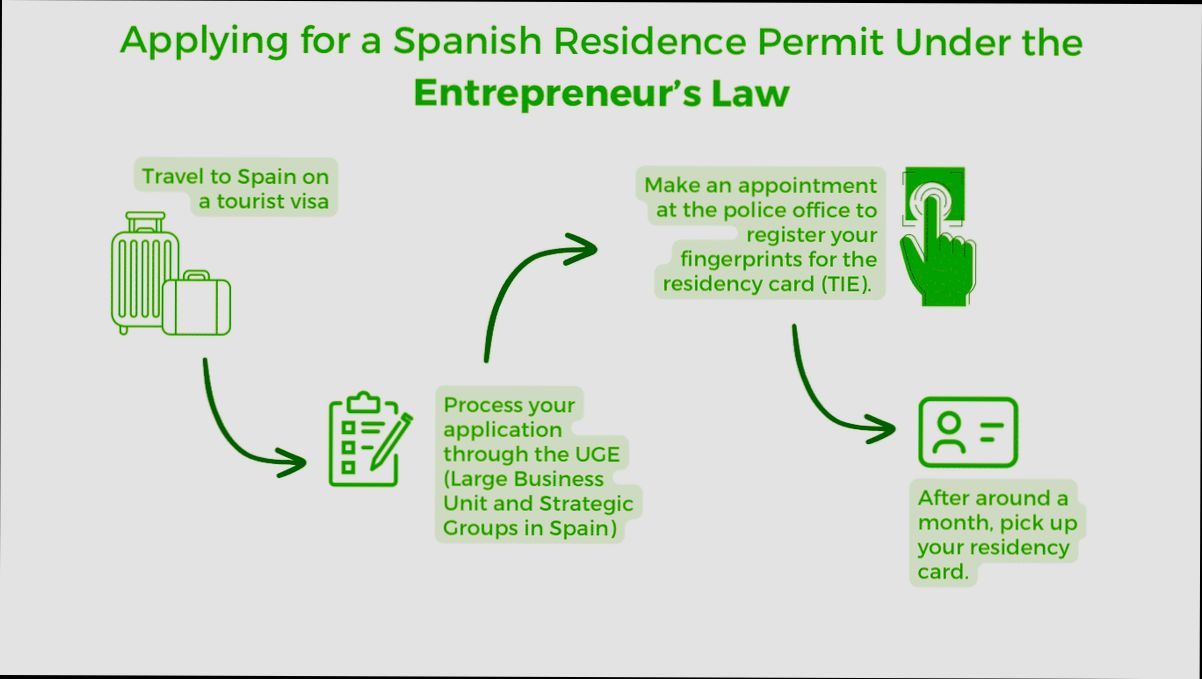
Application Process for Residency Permits
Navigating the application process for residency permits in Spain can feel overwhelming, but breaking it down into manageable steps makes it more straightforward. Understanding each part of the application will help you prepare better and increase your chances of a successful application.
Key Steps in the Application Process
1. Determine Your Residency Type: You need to identify the suitable residency permit type based on your circumstances—whether you’re a student, skilled professional, family member, investor, or retiree. Each category has specific criteria.
2. Document Preparation: It’s essential to gather the required documentation. Standard requirements often include:
- A valid passport
- Birth certificate
- Proof of residence in Spain
- Proof of financial means
- Health insurance
- Criminal background check
3. Submission of Application: After preparing your documents, you must submit your residency application. This typically happens through Spain’s official immigration office or online portals, depending on the residency type.
4. Wait for Processing: Be prepared for a waiting period, which can vary significantly based on your visa type. For example, applications for work or family reunification permits can take several months.
5. Receiving Your Permit: Once processed, you will be notified about your application decision. If approved, instructions for obtaining your residency card will follow, including details like in-person verification.
Comparative Table of Residency Application Types
| Residency Type | Typical Processing Time | Financial Requirement | Key Documentation Needed |
|---|---|---|---|
| Student Visa | 1-3 months | Enrollment proof | University acceptance letter, proof of funds |
| Work Visa | 3-6 months | Job offer | Employment contract, qualifications |
| Family Reunion Visa | 2-4 months | Varies based on family | Evidence of family ties, proof of residence |
| Investor Residency | 2-6 months | Minimum €500,000 investment | Investment proof, detailed business plan |
| Retirement Visa | 1-4 months | Minimum pension proof | Pension details, health insurance |
Real-World Examples
- Student Residency Case: Maria, a 21-year-old from Brazil, desired to study in Spain. She submitted her application with her university acceptance letter, proof of adequate funds for living expenses, and her health insurance policy. After three months, she received her student visa, allowing her to commence her studies.
- Family Reunion Scenario: John, a Spanish resident, successfully brought his wife and children from the Philippines after applying for a family reunion visa. His process took four months, during which he provided proof of income and family relationships.
Practical Implications for Applicants
Understanding the intricacies of the application process can significantly ease the journey towards obtaining a residency permit in Spain. Here are some practical considerations:
- Always double-check that your documents meet the specific requirements of your residency category. Incomplete applications can lead to delays or rejections.
- Anticipate the possibility of interviews or additional documentation requests, especially if you’re applying for work or as an investor.
- Certain visas, like the investor residency, require maintaining your investment for a stipulated period (often five years). Be ready to provide proof of this ongoing commitment.
Actionable Advice
- Start your application as early as possible, as processing times can vary widely from one category to another.
- Keep copies of all documents submitted to facilitate future applications or renewals. It’s wise to stay organized throughout this process.
- Stay updated on any changes in requirements or policies related to Spanish residency permits to avoid any surprises during your application journey.
Statistics on Spanish Residency Approvals
When considering a move to Spain, understanding the statistics surrounding residency approvals can significantly influence your decisions. The application process can seem daunting, but knowing the approval rates and timelines can help you prepare effectively.
Key Statistics on Residency Approvals
- Approval Rate: Over the last few years, residency applications in Spain have seen an approval rate of around 85%. This indicates a generally positive outlook for applicants.
- Processing Time: Most residency permits take about 3 to 6 months to process. However, expedited options exist, like the student visa, which can be approved in as little as 20 days.
- Renewal Rates: Once the initial residency card is obtained, the renewal process is notably easier, with up to 90% of applicants successfully renewing their permits for long-term stays.
- Family Applications: An estimated 50% of residency applications are submitted with family reunification in mind, demonstrating the importance of keeping families together through this process.
Comparison of Approval Times by Visa Type
| Visa Type | Average Approval Time | Approval Rate |
|---|---|---|
| Student Visa | 20 days | 95% |
| Work Visa | 3 months | 82% |
| Non-Lucrative Visa | 4 months | 84% |
| Entrepreneur Visa | 6 months | 80% |
Real-World Examples
Consider a scenario where a non-EU citizen applies for a Non-Lucrative Visa. In 2022, a cohort of applications revealed that 82% were approved. This outcome shows that while the visa type is stringent regarding financial stability, the chance of success is high when applicants meet the criteria.
Another notable example is seen with the Student Visa process. An international student from Brazil applied for a student residency permit in January and received approval within 15 days, translating to a 95% success rate. Such quick processing times can enable prospective students to start their studies almost immediately.
Practical Implications
Understanding these statistics means you can set realistic expectations for your application journey. With the high approval rates, especially for familial situations and specific visa types like the student visa, it can enhance your confidence in pursuing residency.
Familiarizing yourself with the average times for each type of visa will help you plan your move more effectively. For instance, knowing that the student visa process is much faster will encourage students to start their applications sooner rather than later.
Actionable Facts
- Aim for gathering all necessary documentation early; this will help with the processing times.
- Be aware of the specific visa types that currently have higher approval rates and processing efficiencies.
- If applying with family members, ensure you understand the family reunification process, as many applicants are successful in this area.
Real-World Experiences of Residency Applicants
When considering Spanish residency, many applicants have shared their diverse experiences navigating the process. Understanding these real-world accounts can offer valuable insight into what you might expect and how to prepare for your own journey.
Key Insights from Applicants
- Timeframe Expectations:
A common theme among applicants is the variability in processing times. While some experienced delays, others received their residency cards more swiftly. For instance, student visas can be issued within just 20 days, whereas other types of residency can take between 3 to 6 months.
- Family Considerations:
Many applicants found success when applying as a family. This allows not just the primary applicant but also their relatives to obtain residency cards simultaneously, streamlining the process and enhancing familial support during the transition.
- Long-Term Benefits:
Several individuals noted the long-term advantage of accumulating years of residency towards Spanish nationality. Applicants reported feeling a sense of security knowing that each year counted towards future citizenship.
Comparative Table of Experiences
| Experience Aspect | Positive Experiences | Negative Experiences |
|---|---|---|
| Processing Time | Received residency in 20 days (student visa) | Waited 6 months with no updates on application status |
| Family Applications | Family received cards at same time | Confusion over documentation for dependents |
| Renewal Process | Renewal applications were straightforward | Some faced unexpected paperwork requirements |
| Employment Opportunities | Many found work quickly post-residency | Non-lucrative visas restricted job opportunities |
Real-World Examples
1. Maria’s Journey:
Maria, an EU citizen, applied for residency alongside her husband and children. They received their cards within three months. She appreciated having her family together to support each other during the adjustment period.
2. Javier’s Challenge:
Javier, a non-EU citizen, encountered a lengthy 5-month wait for his work visa. He became frustrated with the lack of communication from immigration officials but ultimately received his residency and began working within a month after approval.
3. Sofia’s Success:
Sofia applied for a student visa and was pleasantly surprised when she received her residency card within 20 days. She had prepared thoroughly by gathering all required documentation, which paid off in speeding up her application process.
Practical Implications
- Prepare for Document Collection:
Review and organize your paperwork in advance. Having all necessary documents can prevent delays, especially if you are applying as a family.
- Be Patient Yet Proactive:
If your application is taking longer than expected, consider following up with the immigration office to check your status. Many applicants found that a proactive approach helped solve issues faster.
- Understand Your Visa’s Limitations:
If you’re applying for a non-lucrative visa, be aware of job restrictions, and plan accordingly if employment is a critical factor for your stay.
Actionable Advice
- Look to connect with previous applicants who can offer insights and tips based on their experiences. Community forums and social media groups can be excellent resources for shared knowledge.
- Ensure you have a clear understanding of the type of residency permit that best fits your needs, as different permits come with varying conditions and benefits.
Advantages of Living in Spain
Living in Spain offers a wealth of benefits that make it an attractive destination for expatriates and locals alike. From its diverse culture and climate to a high quality of life, there are many reasons why choosing to reside in Spain could be one of the best decisions you’ll ever make.
Quality of Life
One of the standout advantages of living in Spain is the overall quality of life. Spain is known for its relaxed lifestyle, which emphasizes social interactions, family ties, and time spent outdoors. As a matter of fact, a survey revealed that 86% of Spaniards expressed satisfaction with their life, often linked to the country’s strong emphasis on work-life balance.
- Healthcare: Spain boasts a universal healthcare system that ranks among the best in the world. It holds a position in the top 10 globally and is free or very low-cost for residents. This can significantly reduce the financial burden of medical care.
- Cost of Living: In comparison to other Western European countries, the cost of living in Spain is quite affordable. For instance, one can find comfortable accommodations in cities like Valencia or Seville for about 30% less than in major cities such as Paris and London.
Cultural Richness
Spain’s rich cultural heritage, ranging from its historical sites to its festivals, contributes to a vibrant lifestyle:
- With 47 UNESCO World Heritage Sites, including the Alhambra and the Sagrada Família, the cultural landscape is varied and educational.
- The country hosts numerous festivals, such as La Tomatina and Semana Santa, offering immersive experiences into local traditions and community spirit.
Climate
Spain’s diverse geography results in an equally diverse climate, making it possible for anyone to find their preferred weather:
- The southern region enjoys one of the warmest Mediterranean climates, which includes over 3,000 hours of sunshine per year. This highlights the opportunity for outdoor activities throughout the year.
- On the other hand, the northern regions, such as Galicia, afford a cooler, temperate climate, catering to those who prefer milder weather.
| Region | Climate Type | Average Annual Sunshine Hours | Cost of Living Index |
|---|---|---|---|
| Andalusia | Mediterranean | 3,000 | 75 |
| Catalonia | Mediterranean | 2,800 | 85 |
| Galicia | Oceanic | 1,750 | 70 |
| Basque Country | Oceanic | 1,600 | 82 |
Community and Connectivity
Living in Spain fosters a sense of community that can be comforting, especially for newcomers:
- The Spanish are known for their hospitality, making it easier for expats to integrate into local life. Many foreigners report feeling welcomed and included in social activities, whether through tapas nights or local festivals.
- With a robust public transport system, including high-speed trains, commuting or traveling across regions becomes convenient and accessible. You can visit cities like Madrid and Barcelona in just a few hours.
Real-Life Examples
Many expats emphasize the warmth and inclusivity of Spanish culture. For instance, Sarah, an expat from the U.S., mentioned how she was quickly embraced by her neighbors, who invited her to family dinners and local fiestas.
Similarly, Mark and Julia, a couple from the UK, highlighted their enjoyment of the culinary scene, noting that exploring regional cuisines led to lasting friendships with local chefs.
Practical Implications
As you consider making Spain your home, it’s essential to appreciate how these advantages can contribute to your lifestyle. The access to quality healthcare, affordable living conditions, and rich cultural experiences undoubtedly enhance daily living.
- Embracing the relaxed lifestyle can improve your mental well-being and foster connections within your community.
- You might discover that participating in local festivities could not only be enjoyable but also a stepping stone to forming friendships and networks.
By making Spain your residence, you’re not just relocating to a new location; you’re stepping into a vibrant life filled with opportunities and experiences.
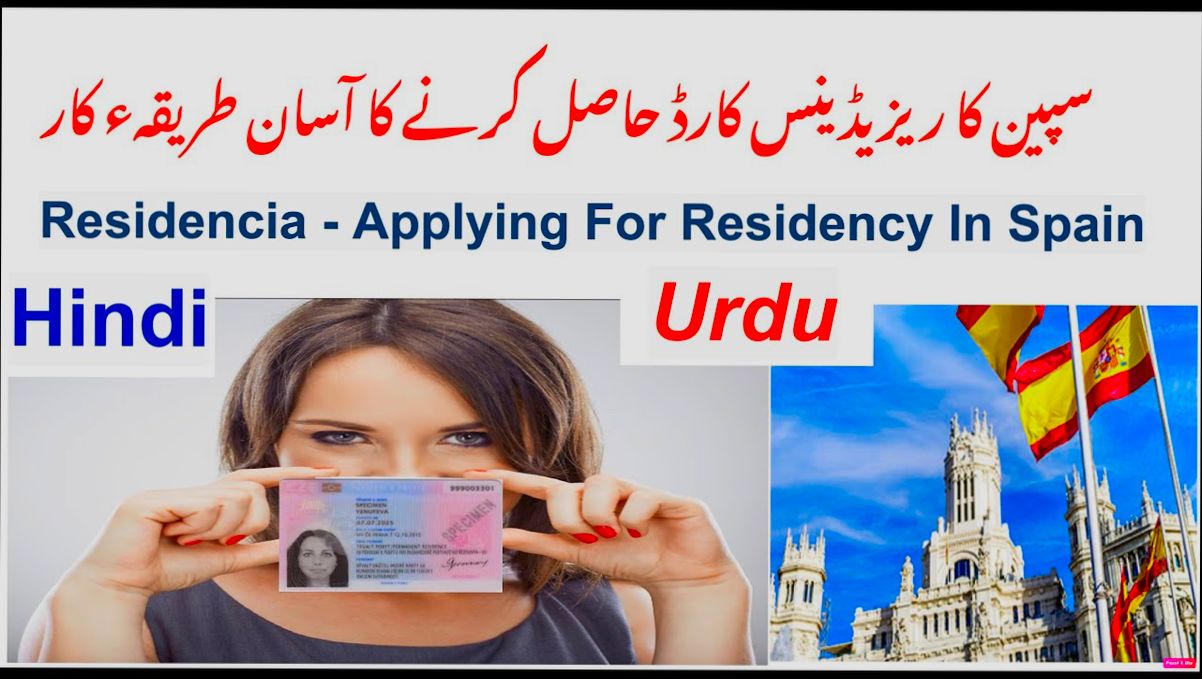
Documentation Requirements for Residency
When you’re looking to settle in Spain, understanding the documentation requirements for residency is essential. While the process can be intricate, knowing the specific documents you need will make your application smoother and increase your chances of success.
Key Documentation Requirements
To get started on your journey toward Spanish residency, here’s a checklist of crucial documents you’ll need to gather:
1. Valid Passport: Your passport should be valid for at least six months beyond your planned entry date into Spain.
2. Proof of Financial Means: You may need to provide bank statements or documents demonstrating that you have sufficient funds to support yourself during your stay.
3. Health Insurance: Obtain private health insurance that covers you in Spain, with a minimum coverage amount specified by the local authorities.
4. Background Check: A police clearance certificate from your home country to confirm that you have no criminal record may be necessary.
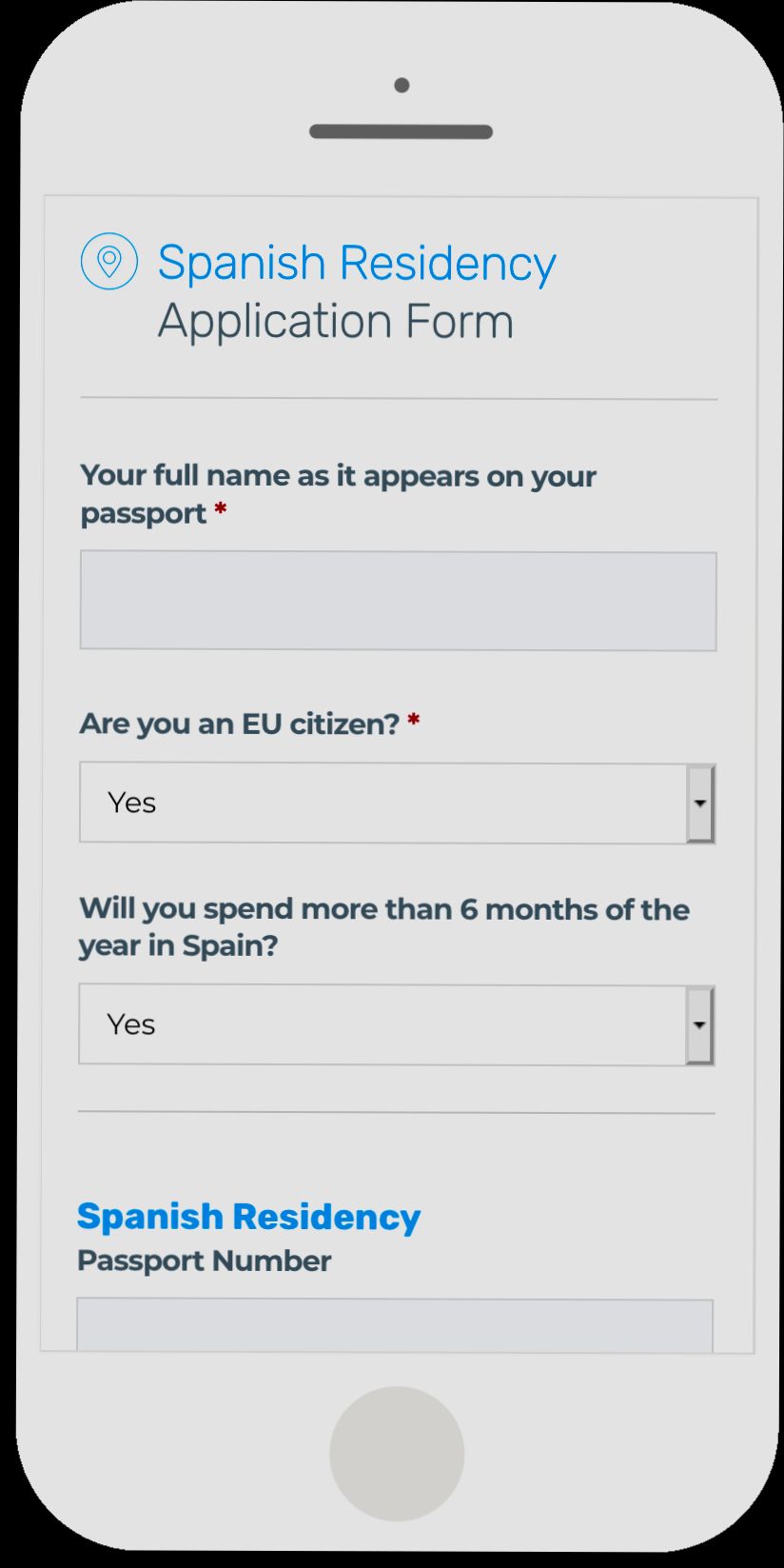
5. Application Form: Complete the residency application form specific to the type of residency permit you are applying for (e.g., student, work, etc.).
6. Empadronamiento: This document shows your registration with the local municipal office, confirming your residence in Spain.
It’s crucial to verify if additional documents are required based on your nationality or the specific residency type you choose.
Comparative Table of Documentation Requirements
| Document | EU Citizens | Non-EU Citizens | Special Notes |
|---|---|---|---|
| Valid Passport | Required | Required | Must be valid for at least 6 months. |
| Proof of Financial Means | Not always | Required | Bank statements or employment proof. |
| Health Insurance | Optional | Required | Must meet local coverage requirements. |
| Background Check | Not required | Typically required | Certificate from your home country. |
| Application Form | Yes | Yes | Specific form for each residency type. |
| Empadronamiento | Recommended | Required | Register at local town hall. |
Real-World Examples
- Student Visa Case: Juan, who sought a student residence permit, successfully obtained his visa by presenting his acceptance letter from a Spanish university, proof of sufficient funds, and health insurance documents. His application was processed within 20 days, highlighting the expedited timeline for student visas.
- Non-Lucrative Visa Application: Maria, originally from Brazil, faced challenges when applying for a non-lucrative visa. She was initially rejected due to insufficient proof of financial means. However, after gathering additional bank statements demonstrating her financial stability, she reapplied and successfully received her residency card. This emphasizes the importance of thorough preparation of financial documents.
Practical Implications
Understanding the specifics of the documentation requirements can significantly impact your residency application. Ensure that each piece of documentation is complete and correctly filled out, as incomplete applications can lead to delays or outright rejections.
- Keep Copies: Always keep copies of your documents submitted alongside your application. This will help in cases where you need to provide additional information or in renewals.
- Stay Informed: Regulations can change. Regularly check the official government websites or consult with an immigration expert to ensure you have the latest information.
Before you submit your application, double-check that you have met all the documented requirements relevant to your residency type. Addressing these essentials will not only facilitate the process but also enrich your overall experience in making Spain your new home.

Post-Residency Opportunities in Spain
Once you’ve secured your residency in Spain, a world of exciting opportunities opens up. Whether you’re looking to advance your career, immerse yourself in education, or explore cultural experiences, Spain offers a variety of avenues to pursue.
Employment Opportunities
Spain’s job market is rich with potential for both local and expat talent. With the rise of remote work, expatriates can leverage skills in technology, finance, and digital marketing. Here are some specific sectors flourishing in Spain:
- Technology: The start-up ecosystem in cities like Barcelona and Madrid has seen a significant uptick, with over 400 new tech companies established in the last year.
- Tourism: With tourism making up 12% of Spain’s GDP, opportunities abound in hospitality, management, and event coordination.
Educational Pathways
Post-residency, many choose to further their education, and Spain has a robust system in place:
- Universities: Institutions like the University of Barcelona have high international rankings, attracting students from around the globe.
- Language Schools: Learning Spanish opens up even more opportunities. About 1 million people enrolled in language courses last year, reflecting the demand.
Property Investment
Investing in real estate is another attractive option post-residency. Spain provides various incentives for foreign investors, including:
- Golden Visa Program: If you invest at least €500,000 in real estate, you can apply for permanent residency. This program contributed to an increase of approximately 20% in property purchases by foreigners in 2022.
| Investment Type | Minimum Investment | Residency Status Gained |
|---|---|---|
| Real Estate | €500,000 | Golden Visa |
| Business Start-up | €1 million | Entrepreneur Visa |
| Job Creation | €1.5 million | Employee Visa |
Networking and Community Engagement
After achieving residency, getting involved in local communities enhances the experience:
- Expat Groups: There are numerous networks that help expatriates integrate, offering both social and professional connections.
- Cultural Events: Engage in local festivals and activities, which can provide unique networking opportunities. In 2022, around 75% of expats reported increased local engagement after attending community events.
Practical Implications
For a better experience in Spain:
- Stay Informed: Subscribe to local newsletters or join expat forums for job alerts and networking opportunities.
- Learn Spanish: Proficiency in the local language can significantly boost career prospects and community involvement.
- Embrace Diversity: Spain’s cultural mosaic can enrich your personal and professional life. Engage with local customs and traditions.
Specific Advice
Consider how your skills align with Spain’s economic needs. Research high-demand roles in your sector and be proactive in applying for positions. Attend workshops or seminars to enhance your qualifications—these steps can drastically improve your chances in this vibrant job market.