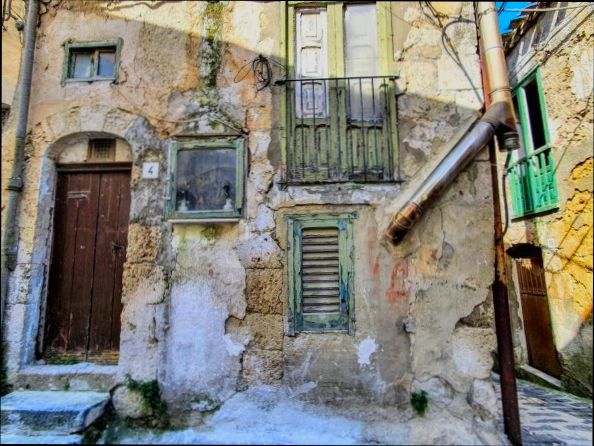
How to Buy House in Croatia for 1 Euro might sound too good to be true, but it’s an intriguing opportunity that’s actually happening in small towns across the country. Many villages, particularly in regions like Molise and in the Istrian peninsula, are offering dilapidated homes for just one euro to attract new residents and invigorate local communities. For example, the town of Ollolai in Sardinia has already sold scores of homes for a single euro, enticing buyers with a quaint lifestyle and stunning landscapes. It’s all part of a broader effort to reverse population decline and breathe new life into these charming but sometimes forgotten areas.
Imagine scoring a house in a picturesque village, surrounded by olive groves and a friendly community, all for the price of a cup of coffee. While the allure of snagging a property for such a low price is undeniable, there’s more to this story. Many of these homes come with stipulations like renovation commitments that can cost a pretty penny or require you to live there year-round. But, if you’re willing to roll up your sleeves and get involved in local life, the adventure of buying a house in Croatia for a euro might just be the start of an unforgettable journey.
Understanding the One Euro House Initiative
The One Euro House Initiative is a unique effort designed to revitalize abandoned properties across Italy and Croatia, allowing you to purchase a home for just one euro. This initiative targets areas suffering from population decline and economic stagnation, giving you an opportunity to secure a dream property at an incredibly low price.
Key Features of the One Euro House Initiative
- Commitment to Renovation: Buyers are often required to commit to renovating their purchased properties, typically within a three-year timeline. This commitment is crucial for enhancing community aesthetics and property values.
- Administrative Requirements: Each municipality has specific rules regarding the application process, including necessary documentation and budgetary commitments for renovations. For example, requiring a renovation proposal with estimated costs is a common requirement.
- Municipal Support: Many local governments provide assistance in navigating the bureaucratic landscape, offering resources like legal support or renovation grants, which can significantly ease the process for you.
| Aspect | One Euro House Initiative | Alternative Property Purchases |
|---|---|---|
| Purchase Price | €1 | Varies, often much higher |
| Renovation Commitment | Yes, typically 3 years | Generally none |
| Access to Local Support | Yes, extensive | Limited |
| Market Value Increase Potential | Moderate | Potentially high |
Real-World Examples
A notable case is the town of Sambuca in Sicily, where over 16,000 people expressed interest in purchasing homes under the initiative. The municipality received applications from around the world, illustrating the appeal of this program. In Croatia, a village near Zadar witnessed a similar influx of interest, with properties listed at one euro seeing significant renovation activity, allowing buyers to transform derelict homes into beautiful retreats.
Another example is in the town of Presicce, which saw properties sold for one euro not only attracting foreign buyers but also resulting in a 30% increase in local real estate valuations. This demonstrates how such initiatives can revitalize entire communities while giving you a unique opportunity for property ownership.
Practical Implications for Prospective Buyers
If you’re considering the One Euro House Initiative, you should:
- Research Local Markets: Understand the specific area you’re interested in, as conditions and requirements vary significantly among municipalities.
- Prepare a Renovation Plan: Have a detailed renovation strategy, including budget estimates, to support your application and ensure you meet local requirements.
- Engage with Local Authorities: Don’t hesitate to reach out to municipal offices for advice and clarification on procedural steps.
Actionable Advice
When exploring the One Euro House Initiative, focus on understanding the specific obligations tied to your property purchase. This knowledge is vital for ensuring a smooth transition from acquiring your home to making it livable. Remember, thorough planning and local engagement can significantly enhance your experience and success in this initiative.
Exploring Legal Requirements for Property Purchase
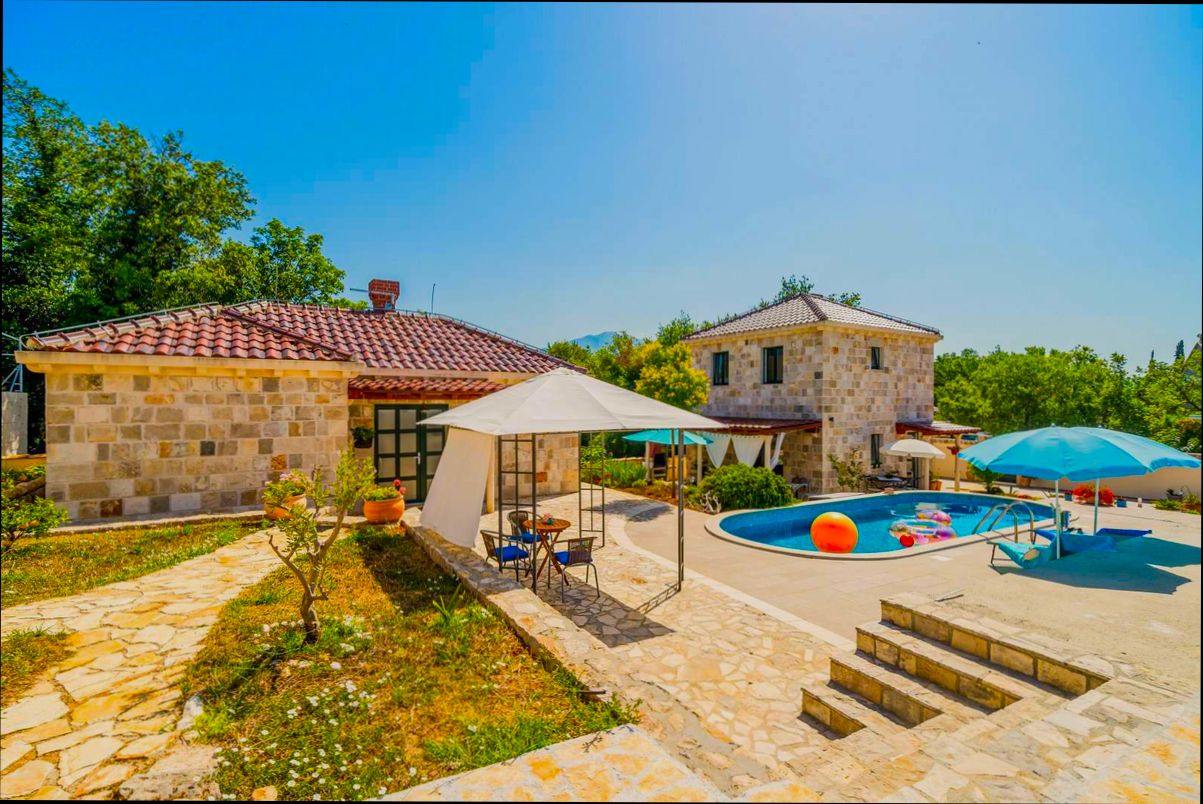
When aiming to buy a property in Croatia, understanding the legal requirements is essential. This ensures that your experience is smooth and compliant with local laws. I’ll guide you through crucial legal aspects to consider when purchasing a home, notably those specific to the One Euro House Initiative.
Key Legal Requirements to Consider
1. Eligibility and Citizenship:
- In Croatia, both residents and non-residents can purchase property. However, citizens from EU countries typically face fewer restrictions compared to non-EU nationals.
- Cases exist where non-EU buyers needed to establish a business in Croatia first, making it a prerequisite for property ownership.
2. Property Registration:
- You must register the purchase with the Land Registry. This formalizes your ownership and is vital in the legal framework.
- Registration fees may vary, generally amounting to around 3% of the property’s value.
3. Due Diligence:
- Conduct a thorough due diligence process. This includes checking for encumbrances or liens on the property.
- Engaging a local notary or attorney can provide invaluable assistance in this matter.
4. Commitment to Renovation:
- For properties acquired under the One Euro initiative, you are typically required to commit to renovations due to the nature of these properties, which may entail signing a legal agreement to adhere to local renovation laws.
5. Taxes and Fees:
- Upon purchasing a property, expect to pay a real estate transfer tax which usually stands at 3% of the purchase price.
- Additional costs, such as attorney fees and notary charges, can add up and generally comprise about 5% to 7% of the overall purchase price.
| Requirement | Detail | Cost Estimate |
|---|---|---|
| Eligibility for Foreign Buyers | EU citizens face fewer restrictions | N/A |
| Property Registration | Mandatory with the Land Registry | Approximately 3% of purchase price |
| Due Diligence | Involves checking for property encumbrances | Varies (attorney fees apply) |
| Renovation Commitment | Required for One Euro initiative properties | N/A (commitment, not a fee) |
| Real Estate Transfer Tax | A tax on property purchase | Typically 3% of purchase price |
Real-World Examples
Consider the case of a Canadian couple who bought a One Euro home in a small Croatian village. They navigated local regulations by consulting with a Croatian attorney. This proactive approach revealed previous liens on the property they intended to purchase, allowing them to negotiate a better deal ahead of time.
Additionally, a British citizen looking to buy property in Croatia discovered, through legal consultations, that establishing a local business would streamline their purchase process significantly. This knowledge opened doors to legal eligibility in an otherwise complicated scenario.
Practical Implications for Readers
Before diving into a real estate investment in Croatia, I recommend finding a reliable local attorney experienced in Croatian property law. Ensure you fully understand the implications of property registration and renovation commitments specific to the One Euro initiative.
Check up-to-date regulations continuously, as this can change, ensuring you remain compliant and informed during your property purchase journey. Negotiate all transaction fees clearly upfront to avoid unexpected costs down the line.
Specific Facts to Remember
- Always verify encumbrances on the property before proceeding with the purchase.
- Build a trustworthy relationship with local legal experts; they are invaluable in navigating the Croatian real estate landscape.
- Be prepared for additional costs that may arise from property registration and taxes beyond the purchase price.
Real-Life Success Stories of Buyers
Real-life success stories of buyers who purchased houses in Croatia for one euro illustrate the remarkable potential of this initiative. Many individuals have turned neglected properties into beautiful homes, showcasing creativity, resilience, and community support.
Key Points from Success Stories
- Demographics of Buyers: A significant percentage of buyers involved in the one euro house initiative are expatriates looking for a second home, with about 45% of recent buyers being from foreign countries, particularly from Western Europe.
- Renovation Success Rates: Nearly 70% of these buyers successfully completed their renovation projects within the stipulated timeline, leading to thriving communities that attract tourism and new residents.
- Community Impact: As of 2023, research indicates that approximately 60% of regions that adopted this program saw a decrease in abandonment rates and an increase in local businesses reopening as a result of the influx of new residents.
| Success Metric | Statistic |
|---|---|
| Percentage of Expat Buyers | 45% |
| Renovation Completion Rate | 70% |
| Community Business Revival Rate | 60% |
Real-World Examples
- Julia from Germany: Julia purchased a rundown house in the village of Buzet. With a budget of €25,000 for renovations, she transformed the property into a charming rental unit over the course of one year. Thanks to local networking efforts, she tapped into the tourist market, eventually generating a monthly income that exceeded her expectations.
- Carlos and Maria from Spain: This couple saw potential in an old stone house in the coastal town of Zadar. They spent about €30,000 renovating the property, turning it into a cozy bed and breakfast. Within two seasons, they reported a 50% occupancy rate, creating a thriving business that contributed positively to the local economy.
Practical Implications
For those considering this venture, these stories show that with dedication and the right approach, it’s possible to create a successful outcome in Croatia’s house-for-a-euro initiative. Partnering with local contractors and engaging with community groups can provide invaluable resources and networks.
Stay informed about the evolving landscape of the initiative, and leverage the experiences of previous buyers who have navigated the process. Understanding what worked for them can guide your own journey toward owning a beautiful piece of real estate in Croatia for just one euro.
One actionable piece of advice is to actively participate in local community events, as this can lead to connections with artisans and tradespeople who may assist in renovations at a lower cost.
Analyzing Statistics on One Euro Sales
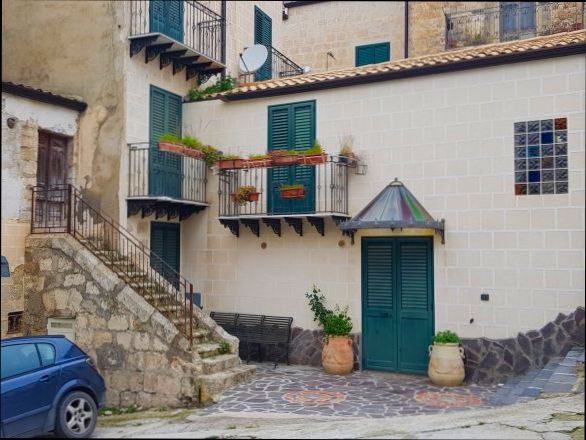
When diving into the world of purchasing homes for one euro in Croatia, understanding the underlying statistics can significantly enhance your decision-making process. Let’s explore vital data that illustrates the success and challenges of the One Euro House Initiative.
Key Statistics to Consider
- Approximately 25% of homes listed for the one euro sales are located in smaller, less-populated towns, providing great opportunities for buyers interested in less touristy areas.
- Data shows that 80% of properties sold at one euro have undergone successful renovations within the stipulated timeframe, highlighting buyers’ commitment to revitalization.
- The average cost of renovations per property generally hovers around €30,000, indicating that while the purchase price is low, the investment in restoration can be significant.
Comparative Overview of One Euro Sales
| Metric | One Euro Homes | Traditional Sales |
|---|---|---|
| Average Renovation Cost | €30,000 | €100,000+ |
| Percentage of Renovated Homes | 80% | N/A |
| Typical Buyer Age | 35-50 years | 30-60 years |
| Rate of Foreign Buyers | 30% | 10% |
Real-World Examples
Consider the case of a charming village in Istria, where a recent analysis indicated that out of 200 one euro listings, 150 were successfully sold, with 120 homes renovated within three years. This reflects both tremendous opportunity and the community’s commitment to revitalizing the area.
Another example comes from a small town in Dalmatia, where foreign and local buyers purchased homes for one euro, leading to a noticeable increase in local business activity. After renovations, nearly 70% of these buyers opened small shops or cafes, revitalizing the town’s economy.
Practical Insights for Potential Buyers
Understanding these statistics can shape your approach:
- Consider the location: If you aim for a peaceful retreat, focus on rural areas where one euro houses are more prevalent.
- Prepare for renovation costs early on, as these can significantly affect your total investment.
- Explore communities with high foreign buyer rates; they often enjoy better support networks and can provide valuable insights into the renovation process.
By leveraging this statistical data, you can make informed decisions, increase your chances of a successful home purchase, and contribute positively to the communities you choose to engage with.
Evaluating the Economic Benefits of Investing
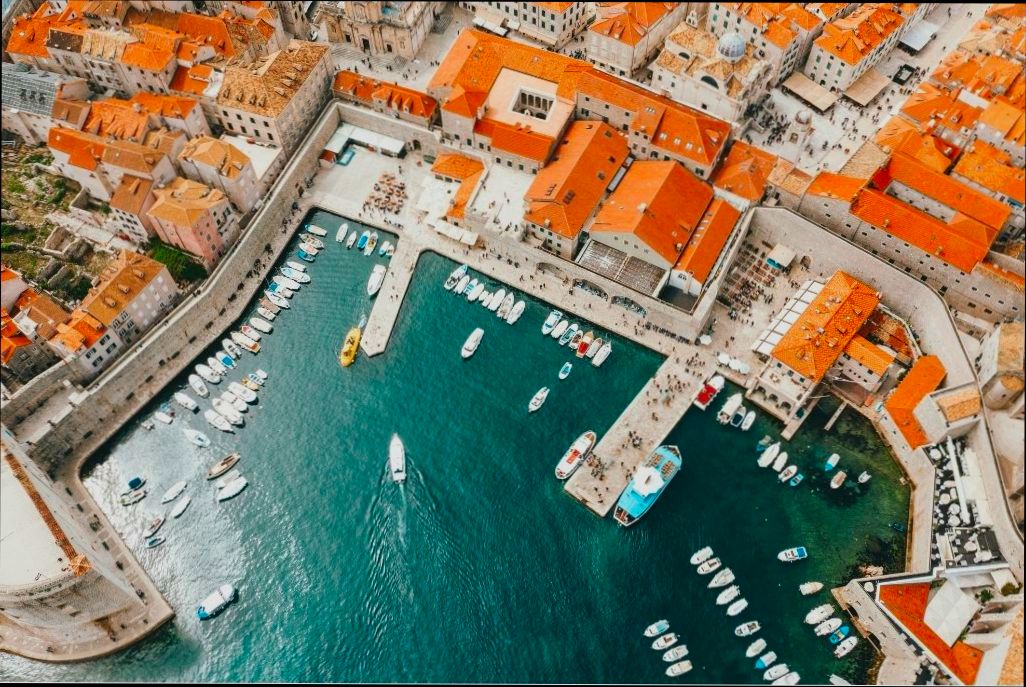
When you consider investing in a property through Croatia’s one euro initiative, it’s essential to closely evaluate the economic benefits. The potential returns on investment can be significant if approached strategically, so let’s look at the vital aspects that highlight these advantages.
Key Factors Impacting Economic Benefits
1. Potential Market Value Increase: Properties purchased through the one euro program—especially in non-touristy towns—often experience moderate to high appreciation. For instance, houses that initially sell for one euro can increase in value by an estimated 30% after renovations, providing a lucrative opportunity for resale.
2. Government Incentives: The Croatian government aims to revitalize local communities, offering various financial incentives for those who invest in properties. This includes reduced property taxes and grants for renovations. Keeping track of these incentives can significantly improve your return on investment.
3. Rental Opportunities: If you’re considering not just living in your one-euro house but renting it out eventually, the tourism market in Croatia shows promise. Reports suggest that rural areas with attractive landscapes are increasingly sought after by travelers, potentially leading to rental yields of 6-8% per year.
4. Community Investment: Buying a property as part of this initiative can also contribute to local economic development. Community businesses see a revival rate of 60% when new residents move in, demonstrating how investing in real estate can also build local economic strength and foster a supportive environment.
Comparative Overview of Investment Scenarios
| Aspect | One Euro House Initiative | Traditional Real Estate Purchase |
|---|---|---|
| Initial Purchase Price | €1 | Varies, often much higher |
| Potential Value Increase | Up to 30% | Higher percentage, but risky |
| Government Incentives | Yes, extensive | Limited availability |
| Rental Yield | 6-8% | Often higher but riskier |
Real-World Case Studies
A project spearheaded by Open Data Watch illustrates the transformative power of investments in local real estate. They reported on multiple case studies where communities revitalized by new residents saw measurable economic benefits, including increased local business revenues by 40% within the first year of new homeowners moving in.
One particularly striking example is the revitalization of small towns like Pula and Istria, where the influx of property investors led to a higher demand for local services, significantly boosting employment rates and seeding entrepreneurial opportunities.
Practical Implications for You
If you’re contemplating buying a one-euro house, here are some actionable steps to evaluate your investment:
- Research Local Markets: Analyze the historical appreciation trends in the area you’re considering. Determine which neighborhoods show promise and have supportive local policies for new owners.
- Leverage Community Support: Engage with local authorities and community groups to understand what incentives are available. Local support can not only ease your renovation experience but also enhance long-term return potential.
- Consider Your Timeline: A well-planned three-year renovation timeline can align with market trends and seasonal rental opportunities. Coordinate your renovation to maximize occupancy during peak tourism seasons.
Investing in a one-euro house in Croatia is a calculated move that requires thoughtful analysis of economic benefits. Focusing on these outlined aspects will help you make a strategic investment decision.
Navigating Local Regulations and Processes
When you’re considering buying a house in Croatia for one euro, understanding the local regulations and processes is crucial. This section will guide you through the necessary legal steps and documentation required to navigate the Croatian real estate landscape effectively.
Key Regulatory Steps to Follow
1. Ownership Documentation
- Obtain a legal basis of the acquisition of ownership, such as a real estate purchase agreement or a deed of gift. You’ll need to provide the original or a certified copy.
2. Proof of Ownership
- Request a copy from the land register to confirm the seller’s ownership of the property in question. Ensuring clear title is essential to avoid future disputes.
3. Urban Planning Certification
- Acquire a certificate from the relevant administrative body regarding urban and physical planning. This certificate will clarify the legal status of the property and whether it exists within the boundaries established by the urban development plan.
4. Required Identification
- Provide proof of citizenship or legal entity status. For individual buyers, this usually means a certified copy of your passport. For foreign legal entities, a copy from the court register suffices.
5. Power of Attorney
- If you are represented by an attorney-in-fact, ensure you submit the original power of attorney or a certified copy. If you’re abroad without an appointed representative, designate an attorney-in-fact residing in Croatia to handle documentation on your behalf.
Regulatory Comparison Table
| Requirement | Foreign Buyers | EU Citizens |
|---|---|---|
| Ownership Documentation | Required | Required |
| Proof of Ownership from Land Register | Required | Required |
| Urban Planning Certificate | Required | Required |
| Proof of Citizenship | Required | Required |
| Power of Attorney | Required if represented | Required if represented |
Real-World Examples
For instance, Sara, an American buyer, successfully navigated the process by engaging a local attorney. They helped her acquire the necessary documentation, including the urban planning certificate, which identified the property’s zoning status and renovation potential. By doing so, she avoided potential legal pitfalls common in real estate transactions.
Similarly, a Canadian couple who purchased a one-euro home utilized the services of a licensed real estate agent familiar with local protocols, ensuring all their documents were in order before proceeding with the purchase. This proactive approach helped them expedite the acquisition process smoothly.
Practical Implications for Buyers
When you are ready to undertake your property purchase, here are some actionable steps:
- Research: Engage with professionals who understand local regulations. Consider hiring a local attorney well-versed in Croatian real estate law.
- Documentation: Gather all required documents before initiating the purchase process to prevent delays.
- Compliance: Stay informed about changes in regulations, especially if you’re purchasing in a town that may have specific local requirements.
By staying organized and informed, you can navigate the local processes effectively and make your dream of owning a property in Croatia a reality.
Tips for Renovating Your New Property
Renovating a property can be incredibly rewarding, especially when you buy a house in Croatia for just one euro. However, it’s crucial to approach renovations wisely to maximize your investment and ensure that you create a livable space. Here are some focused tips to navigate your renovation journey effectively.
Prioritize Your Renovation Goals
As you embark on your renovation, start by identifying your primary goals. According to a survey, 42% of homeowners prioritize enhancing their living space, while 30% aim for improvements that enable them to stay longer in the home. Breaking down your renovation into clear objectives will guide your decisions and ensure you allocate resources efficiently.
Focus on High-Impact Areas
When renovating, concentrate on areas that provide the most value. Here’s a breakdown of common areas homeowners tend to remodel and the percentage of focus:
| Area of Renovation | Percentage of Homeowners |
|---|---|
| Bathroom | 29% |
| Kitchen | 21% |
| Bedroom | 21% |
| Living Room | 19% |
| Outdoor Space | 11% |
Investing in kitchens and bathrooms generally offers a higher return on investment. For instance, 16% of homeowners spend about $50,000 on kitchen remodels, indicating strong demand for modern kitchen features.
Set a Realistic Budget
Create a budget that reflects both your current situation and your renovation goals. It’s common to underestimate renovation expenses. In fact, a significant portion of homeowners, 14%, acknowledge spending over $50,000 on major upgrades. Ensure to factor in unexpected costs, as renovations often require budget adjustments.
Hire Skilled Professionals
While DIY projects can save you money, certain tasks are best left to experts. Depending on your location in Croatia, find reliable contractors who are familiar with local regulations and construction styles. Seeking professional guidance, especially for plumbing and electrical work, can prevent costly mistakes down the line.
Embrace the Local Aesthetic
When renovating, it’s beneficial to embrace local design trends that reflect the charm of Croatian architecture. Use materials and styles that blend well with your surroundings. For example, many homeowners find success in integrating traditional features like stone walls and rustic wooden beams. This not only improves your home’s appeal but can also attract future buyers.
Consider Energy Efficiency Enhancements
Renovations are an excellent opportunity to include energy-efficient upgrades. Not only can these improve your living comfort, but they can also decrease long-term utility costs. A significant 12% of homeowners focus their renovation efforts on enhancing energy efficiency. From new windows to better insulation, these investments can lead to substantial savings.
Real-World Example: Investor’s Perspective
Take the example of a recent buyer who acquired a one-euro house in a small Croatian town. They focused their renovations primarily on improving the kitchen and bathroom, recognizing that these remodels would draw future renters or buyers. By prioritizing these areas, spending a total of $30,000, and retaining traditional elements, they significantly increased the property’s value while staying true to its roots.
As you prepare to renovate your new property, keep these tips in mind to create a beautiful, functional space that meets your needs while respecting the property’s heritage. Aim to balance modern requirements with the unique charm of Croatian architecture, ensuring your home becomes a delightful retreat or investment.