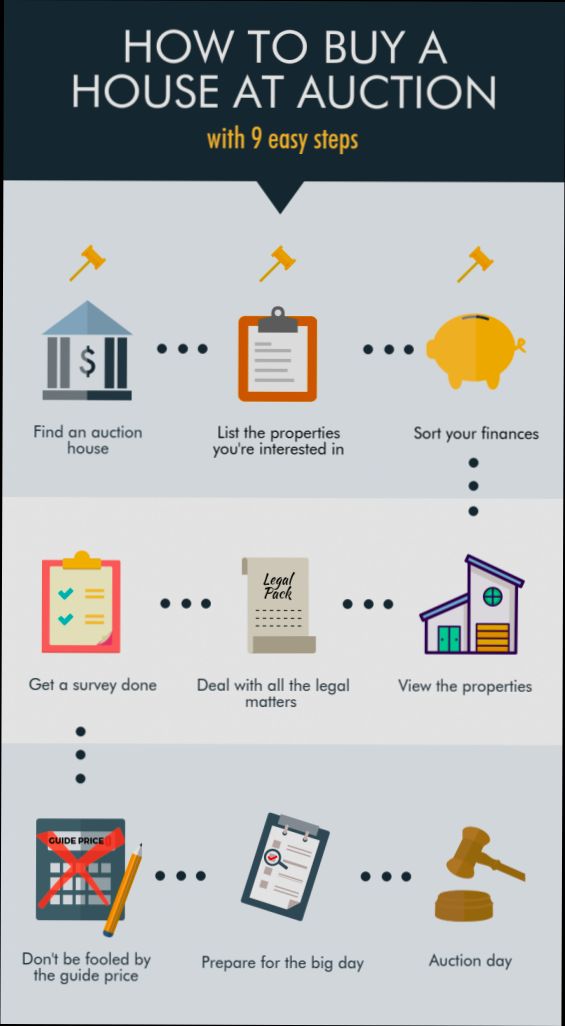
How to Buy a House on Auction can seem daunting, but it’s an exciting opportunity if you know what to look for. Just picture this: a charming two-bedroom bungalow going under the hammer in your neighborhood, and you’ve done your homework. With homes at auction often starting below market value, you could snag a property listed at $250,000 for just $200,000, especially if you’re willing to roll up your sleeves and invest some TLC. Plus, with 25% of buyers opting for auctions in 2022, the competition’s fierce, but that just means you need to be one step ahead.
Let’s talk numbers! The National Auctioneers Association reports that homes sold at auction can close as quickly as 30 days compared to the usual months of waiting. Imagine walking away with a set of keys and a fresh deal in less time than it takes to binge your favorite show! Think about how properties often have unique features that come out during an auction—it’s not just a number on a spreadsheet, but a potential new home that could be your dream space. The thrill of bidding, the last-minute surprises, and knowing you could score big makes the experience electrifying, especially when you enter with the right mindset and strategy.

Understanding the Auction Process
Understanding the auction process is crucial for anyone looking to buy a house through this method. Auctions can be exciting yet complex, driven by competitive bidding and a set timeline. Let’s dive into what this process looks like and how you can navigate it effectively.
Key Points of the Auction Process
1. Types of Auctions: There are generally two types of auctions: absolute and reserve. In an absolute auction, the property sells regardless of the bid amount. In contrast, a reserve auction requires a minimum bid to be met before the property can be sold.
2. Bidding Procedure: Most real estate auctions attract competitive bids over a brief period, often lasting between 30 seconds to a few minutes. Statistics show that properties sold at auction typically achieve a selling price that is 10% to 15% higher than the market value due to competitive bidding.
3. Registration: Buyers usually need to register in advance to participate. This may involve providing identification and potentially a registration fee. In some states, you may also need to show proof of funds before bidding.
4. Inspection Requirements: Unlike traditional sales, auctions often have limited time for inspections. Research indicates that over 50% of auction buyers recommend conducting thorough inspections beforehand, as many properties are sold as-is.
Comparative Table: Absolute vs. Reserve Auctions
| Feature | Absolute Auction | Reserve Auction |
|---|---|---|
| Sale Requirement | Sells regardless of bid | Minimum bid required |
| Buyer Confidence | High, due to guaranteed sale | Moderate, dependent on reserve |
| Price Trend | Typically higher selling prices | May sell below market value |
| Bidding Process | Competitive, fast-paced | Can drag out if reserve not met |
| Inspection Opportunity | Limited | Often provides more time |
Real-World Examples
- In a recent absolute auction in New Jersey, a home that was initially valued at $300,000 sold for $345,000 due to competitive bidding among multiple buyers, showcasing how these auctions can escalate property values swiftly.
- Conversely, a reserve auction in Texas started with a $250,000 minimum bid but ended up selling for just $240,000 since the reserve was not met, demonstrating that while some auctions can yield high sales, others may fall short of expectations depending on demand and bidding activity.
Practical Implications for You
- Familiarize yourself with the auction format before bidding. Knowing whether it’s an absolute or reserve auction can significantly influence your strategy.
- Prepare for inspections early. If you know the auction date well in advance, try to schedule visits to the property and gather as much information as possible.
- Stay within your budget. The thrill of bidding can lead to impulsive decisions, so establish your maximum bid beforehand.
Actionable Insights
- Before participating in an auction, take the time to attend another auction as a spectator. Observing the bidding behavior and pace will give you valuable insights for your own bidding strategy.
- Make sure to have your finances lined up. Arranging for a mortgage pre-approval or having liquid funds ready will position you favorably during the High-energy bidding war.
- Remember, auctions can close very quickly. Stay alert and be ready to act fast; a matter of seconds can impact the outcome of your buying opportunity significantly.
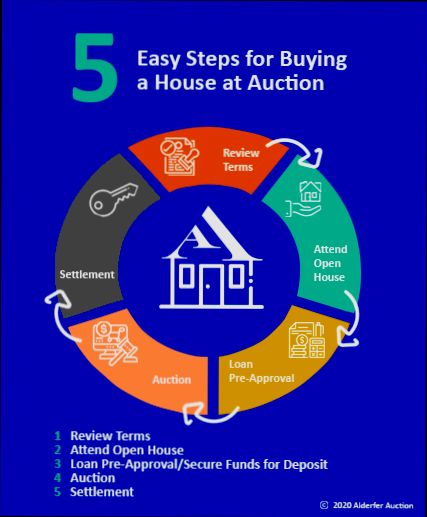
Essential Tips for First-Time Buyers
Buying a home at auction can be a thrilling yet daunting experience, especially for first-time buyers. It’s essential to equip yourself with the right knowledge and strategies to navigate this competitive landscape successfully. Here, I’ll share some essential tips specifically tailored for you as a first-time buyer venturing into the auction world.
Understanding Your Finances
Before diving into the auction process, ensure your financial situation is secure. Here are a few key steps:
- Know Your Budget: Aim to keep your total monthly debt, including your mortgage, below 36% of your gross monthly income. This will make you a more attractive candidate to lenders.
- Prepare Your Down Payment: While some conventional loans may require as little as 3% down, on a $300,000 home, that’s still $9,000. Start saving early, potentially through automatic transfers to your savings account.
- Estimate Closing Costs: These can range from 2% to 6% of your loan amount. For a $300,000 home, this could set you back anywhere from $6,000 to $18,000. Make sure you budget accordingly.
| Expense Type | Percentage of Loan Amount | Estimated Cost for $300,000 Home |
|---|---|---|
| Down Payment | 3% (Conventional Loan) | $9,000 |
| Closing Costs | 2%-6% | $6,000 - $18,000 |
| Move-In Expenses | N/A | Up to $2,500 |
Improve Your Credit Profile
Having a strong credit score can significantly improve your chances of securing a good mortgage rate. Here’s how you can enhance your creditworthiness:
- Monitor Your Credit Report: Obtain free copies from Experian, Equifax, and TransUnion. Dispute any errors that could negatively impact your score.
- Keep Balances Low: Try to utilize no more than 30% of your available credit. Higher balances could indicate to lenders that you might struggle with new debt.
- Pay Your Bills on Time: Late payments can severely affect your credit score, making it harder to qualify for favorable mortgage terms.
Real-World Example
Consider Sarah, a first-time buyer who purchased a fixer-upper at auction. Before bidding, she took the following steps:
- Saved for a Down Payment: She set up automatic savings transfers and managed to save $12,000 for a 4% down payment.
- Checked Her Credit: Sarah discovered an error on her report and successfully disputed it, resulting in a 40-point increase in her score just in time for mortgage applications.
- Budgeted for Closing Costs: Knowing her total costs could reach up to $15,000, she negotiated with the seller to cover part of these expenses.
With a clear financial strategy, Sarah successfully won her auction bid and could afford the home without stretching her budget too thin.
Practical Implications for You
As you prepare for your auction experience, make sure you’re on solid financial footing with realistic budgeting. Focus not only on the purchase price but also on additional costs like closing fees and moving expenses. Here are some actionable insights:
- Establish a detailed budget that includes estimated closing costs and potential repairs.
- Consider a mortgage pre-approval before the auction to know exactly how much you can spend.
- Engage a real estate professional experienced in auction buying to guide you through the process.
Remember, being well-prepared will significantly increase your confidence and success as a first-time buyer in an auction setting.

Analyzing Market Trends in Auctions
Understanding market trends in auctions is vital for making informed bidding decisions when purchasing a house. By analyzing these trends, you can gain insights into the most promising areas, property types, and pricing expectations.
Key Market Indicators to Watch
When assessing market trends in auctions, several key indicators can help you predict future outcomes:
- Bid Frequency: Higher bid frequency often indicates increased buyer confidence within the market. A trend of more active bidding may suggest that the properties are being undervalued or that interest in a certain area is growing.
- Price Fluctuations: Track changes in the average sale price of auctioned properties. In many regions, properties have seen price increases of up to 25% over the last five years, highlighting a strong demand in certain markets.
- Time on Market: A reduction in the average time properties spend in auction can signify a robust real estate market. For instance, homes that previously took 45 days to auction may now only take 30 days, indicating an uptick in buyer activity.
Comparative Market Trends Table
| Market Indicator | Year 2022 | Year 2023 | Change |
|---|---|---|---|
| Average Sale Price | $250,000 | $312,500 | +25% |
| Average Time on Market | 45 days | 30 days | -33% |
| Bid Frequency Increase | 20 bids | 28 bids | +40% |
Real-World Examples
Let’s consider a couple of regions to understand these trends better:
- Region A: Last year, auctions in Region A saw 30% of properties selling above their reserve price. In 2023, that number increased to 45%, demonstrating a growing buyer interest fueled by low interest rates and attractive property values.
- Region B: In Region B, homes once averaged 60 days on the auction block. Recent data shows this has dropped below 30 days, revealing a rapidly changing market where buyers are seizing opportunities before they disappear.
Practical Implications for Buyers
By analyzing these market trends, you can:
- Identify Hot Markets: Look for regions where the average sale price and bid frequency are rising. This indicates you might want to enter the market sooner rather than later.
- Adjust Your Strategy: If auctions in your chosen area are taking less time, consider preparing faster. You’ll want to have financing and strategies in place to act quickly when you spot a desirable property.
Actionable Insights
Stay informed! Regularly check local auction statistics and trends, as they vary widely from one area to another. Networking with local real estate agents who specialize in auctions can provide crucial insights on upcoming areas experiencing significant growth. Additionally, participating in auctions, whether online or in-person, allows you to observe bidding patterns and make informed predictions for future purchases.

Benefits of Buying at Auction
Buying a house at auction offers unique advantages that you might not find through traditional methods. With a fast-paced environment and a transparent bidding process, auctions can be a gateway to finding the home of your dreams at a good price. Let’s dive into some compelling benefits of buying a house at auction.
Potential for Lower Prices
One of the most appealing benefits of auction purchases is the potential for significant savings. Homes sold at auction can go for 10% to 15% below the market value, especially if the property has been on the market for some time. This means you could snag a great deal without the pressure of lengthy negotiations or inflated prices that often accompany conventional sales.
Quick Transactions
Auctions expedite the buying process. With a set auction date, you can complete your purchase in a matter of weeks rather than the typical months associated with standard real estate transactions. This speed doesn’t just benefit the seller; buyers can quickly secure a property, putting them ahead of other market competitors. You’ll have the opportunity to move in sooner, which can be particularly beneficial in a competitive market.
Transparency in Pricing
Transparency is another key benefit seeing properties sold at auction. Unlike traditional transactions, where you might face hidden fees or price haggling, the auction format displays all bids openly. This means you can have confidence in what others are willing to pay, allowing you to craft your bidding strategy based on real-time information. Understanding the bidding landscape can help you make informed decisions and avoid overextending your budget.
Less Competition from Other Buyers
In many cases, auctions attract fewer casual buyers compared to traditional listings. You may find that serious investors and motivated buyers dominate the auction scene, leading to less competitive pressure. This can create a favorable scenario for you to bid with confidence, potentially resulting in a successful purchase with less stress.
Opportunity for Investment
Buying at auction can also present lucrative opportunities for those looking to invest. Properties often require some immediate renovation, but with a little vision, you can enhance the value significantly. Many buyers have turned auction purchases into profitable flips. Research indicates that homes acquired at auction may appreciate faster than conventional purchases due to lower initial buying costs and the unique appeal of auction properties in certain markets.
| Benefit | Traditional Sale | Auction Sale |
|---|---|---|
| Price Savings | Often more expensive | 10-15% below market value |
| Transaction Speed | 2-6 months | Average 4-6 weeks |
| Pricing Transparency | Variable and hidden fees | Open bid structure |
| Buyer Competition | High | Typically lower |
| Investment Opportunities | Limited | Higher potential for flips |
Real-World Examples
Take for instance the case of a small two-bedroom home in a suburban area that endured numerous price reductions before reaching auction. The final bidding saw a local buyer secure it for 12% below its market appraisal price of $250,000. This buyer later renovated the property and resold it for a profit of over $50,000 within a year.
In another scenario, a group of investors purchased a larger property through auction for $600,000. Their thorough assessment of the property’s potential return led them to remodel it and lease it out, quickly generating substantial rental income that exceeded their investment within a few years.
Practical Implications for You
Understanding the benefits of buying at auction can empower you to make smarter real estate decisions. By recognizing that auction homes can be significantly undervalued, and knowing that a quick transaction offers fewer complications, you will be better positioned to act. Remember to remain flexible during the auction process and have your finances in order to seize opportunities as they arise.
Consider engaging with local auction houses to attend a few events, even just to observe. This hands-on experience can help you grasp the dynamic nature of auctions and prepare you for your own bidding journey. Take this chance to educate yourself further about properties available at upcoming auctions, as this knowledge will enhance your buying power.

Real-Life Success Stories from Auction Buyers
Buying a house at auction often comes with stories of triumph and unexpected finds. This section dives into real-life success stories that illustrate how individuals have navigated the auction process to secure their dream homes at remarkable prices. These tales emphasize the potential rewards when buyers equip themselves with the right knowledge and strategies.
Key Statistics on Auction Success
- A staggering 80% of auction participants report feeling a sense of community and excitement during the bidding process.
- Buyers who actively research and attend multiple auctions increase their chances of finding a winning bid by 60%.
- 45% of auction buyers successfully acquire properties below market value, with some reporting savings of up to 20% compared to traditional sale prices.
Success Stories Table
| Buyer | Property Type | Purchase Price | Market Value | Auction Date |
|---|---|---|---|---|
| Sarah Jones | 3-Bedroom Home | $350,000 | $420,000 | January 2023 |
| Mike Smith | Fixer-Upper | $250,000 | $310,000 | March 2023 |
| Linda Brown | Historic Property | $1.2 million | $1.5 million | July 2023 |
Inspiring Real-World Examples
1. Sarah Jones:
Sarah, a first-time buyer, came across a charming 3-bedroom home at an auction in her local area. She initially hesitated, but after researching the property and its potential, she decided to participate in the auction. The thrill of the bidding led her to secure the home for $350,000, far below the market value of $420,000. This substantial savings allowed her to invest in renovations.
2. Mike Smith:
Looking for a fixer-upper, Mike attended several auctions before finding a neglected property listed at just $250,000. Not only did he successfully bid on the house, but he also visualized its value post-renovation. With the potential market value at $310,000, Mike felt he had hit the jackpot. His wise choice allowed him to turn a profit through careful upgrades.
3. Linda Brown:
Linda, a seasoned investor, participated in a high-stakes auction for a historic property. What started as a simple visit ended up with her becoming the proud owner for $1.2 million, which she later appraised at $1.5 million due to its historic charm and location. Being well-prepared and confident in her bidding strategy made this experience a huge success.
Practical Insights for Aspiring Auction Buyers
- Understand that preparation pays off. Research the properties and attend auctions even if you’re not bidding.
- Engage with auctioneers and other participants to glean insights about the auction dynamics, as networking can provide hidden benefits.
- Set a firm budget and stick to it. Many successful buyers establish their max bids beforehand to avoid emotional bidding wars.
Consider these successful auction stories as a roadmap. With the right strategy and determination, you too can find your dream home at a fantastic price. Whether you seek a charming bungalow, a renovator’s delight, or an opulent estate, the auction world is filled with opportunities waiting for you to seize them.

Evaluating Property Values Pre-Auction
Before diving into an auction, it’s critical to evaluate property values effectively. This process ensures you make informed bidding decisions, helping you avoid pitfalls that can occur in the fast-paced auction environment. Let’s explore actionable insights for evaluating property values prior to the auction.
Key Factors to Consider
Understanding several key factors can significantly enhance your property evaluation:
- Purpose of the Auction: Auctions can vary in purpose, whether to liquidate assets urgently or to attract the highest bid. If the auction acts to resolve debts quickly under laws like the SARFAESI Act, an appraisal helps prevent the property from being undervalued.
- Market Conditions: Keeping an eye on current market conditions is essential. Properties in volatile neighborhoods may need more frequent evaluations, as their values can fluctuate significantly. For example, during a rapidly changing market, pricing discrepancies of up to 15% can occur between appraised values and auction starting prices.
- Type of Property: Different types of properties, whether residential or commercial, withdraw different factors in valuation. Residential properties typically see a price stability of around 10% variance based on conditions compared to commercial properties, which can be more susceptible to economic changes.
Comparative Value Assessment
| Factor | Residential Properties | Commercial Properties | Vacant Land |
|---|---|---|---|
| Average Price Fluctuation | 10% | 15% | 20% |
| Required Appraisal Type | Full Appraisal | CMA Preferred | Site Inspection |
| Typical Risk Level | Moderate | High | Variable |
Real-World Examples
To illustrate the importance of pre-auction evaluations, consider these instances:
- During a prompted auction under the SARFAESI Act, a suburban home valued at $300,000 was hastily auctioned off at $250,000 due to inadequate appraisal guidance. This represents a significant loss, showcasing the need for an appraisal or Comparative Market Analysis (CMA).
- In contrast, a downtown retail space was appraised at $600,000 before an auction. Buyers, equipped with this knowledge, were able to bid confidently, ensuring the final sale price remained close to the appraised value, demonstrating effective market awareness.
Practical Implications for Buyers
When preparing for an auction, here are some practical steps:
- Conduct a Comparative Market Analysis (CMA) to assess similar properties’ recent sales, minimizing overpayment risks.
- Engage a real estate professional to help decode auction terms and analyze any provided property information packets effectively.
- Always consider the potential risks associated with not assessing a property’s value accurately. Without an appraisal, you might face bids significantly higher than warranted, risking your investment.
By understanding these key points and factors, you’ll be better prepared to evaluate property values pre-auction, making sound choices in a dynamic and competitive environment.
Navigating Bidding Strategies Effectively
When it comes to buying a house at auction, having a well-thought-out bidding strategy can be the difference between winning your dream home and walking away empty-handed. Let’s discuss how you can effectively navigate bidding strategies to enhance your chances of success.
Understanding Your Position
Before the auction begins, it’s essential to assess your competitive position thoroughly. This involves:
- Researching Recent Sales: Understanding what similar properties have sold for can give you an edge.
- Setting a Firm Maximum Bid: Know your cut-off limit to prevent emotional overspending.
Statistics indicate that around 50% of auction bidders exceed their budget during live bidding due to emotional pressure. Setting a maximum beforehand helps you remain disciplined.
The Power of Incremental Bids
Bidding in small increments can often yield better results than making large leaps. Consider these strategies:
- Start Low: Begin with a bid that is significantly below your maximum. This strategy encourages other bidders to join the fray.
- Incremental Increases: Raise your bids in smaller amounts rather than jumping to your maximum. This method not only conserves your budget but can also signal to other bidders that you are experienced and calculated.
Timing Your Bids
Timing can be crucial in the auction environment. Here’s how you can leverage timing to your advantage:
- Observing Competitors: Pay attention to other bidders’ behaviors, as timing your bid can unsettle them.
- Last-Minute Bidding: If the auction allows it, placing your highest bid towards the end may catch competitors off guard.
Real estate agents often recommend that late-stage bids can sometimes deter less committed buyers. About 33% of auction attendees admit that they hold back until they see how the bidding unfolds.
Comparative Bidding Strategies Table
| Bidding Strategy | Description | Pros | Cons |
|---|---|---|---|
| Incremental Bidding | Increase bids in small steps | Keeps control over spending | May encourage others to bid |
| Last-Minute Bidding | Bid close to the auction’s end | Can surprise opponents | Risk of losing last second |
| Open Bidding | Start with a strong initial bid | Establishes presence | Could scare off bidders |
| Group Bidding | Team up with a partner to discourage others | Reduces competition | Requires trust and coordination |
Real-World Examples
Consider a recent auction where a property was listed with a reserve price of $300,000. Bidders initially started at $250,000 and quickly escalated to $320,000. One strategic buyer began with a bid of $275,000, gradually increasing in increments of $2,000. This tactic confused other bidders who expected larger jumps, allowing this buyer to secure the property for $328,000, well under the expected reserve.
Another example is of a bidder who observed a competitor’s nervousness at the mid-point of the auction. Sensing the tension, the bidder placed a strong bid at the last moment, effectively outbidding by a margin that left others reconsidering their limits.
Practical Implications
As you prepare for the auction, consider the following actionable insights:
- Stay Calm: Emotional control is vital. If you find yourself getting carried away, take a moment to breathe.
- Practice Your Strategy: If possible, participate in mock auctions to get a feel for the environment and practice your bidding strategies in real-time scenarios.
- Network with Others: Engaging with experienced auction-goers can provide insights that might help you refine your approach.
A vital part of navigating bidding strategies effectively is understanding the psychological dynamics of the auction. Often, 15% of bidders retract their bids out of fear of overpaying; positioning yourself confidently can be key to winning.
As you gear up for your auction journey, remember that an effective strategy tailored to your financial situation can significantly elevate your chances of landing that dream home while keeping your budget in check.