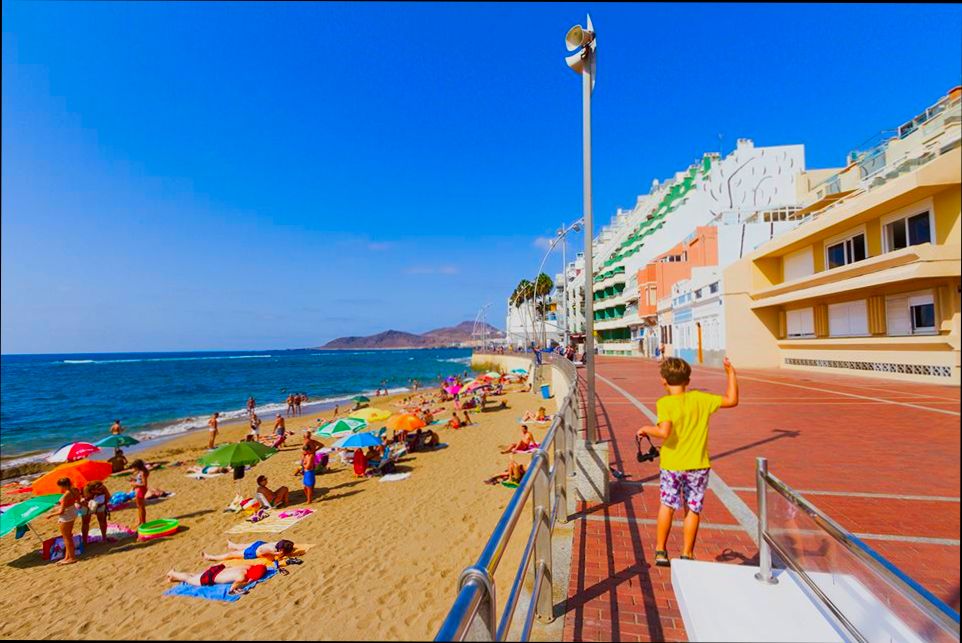
How to Apply for Freelancer Visa in Spain can feel like a daunting task, but it’s a thrilling opportunity to live and work in one of Europe’s sun-soaked paradises. Whether you’re a digital nomad ready to conquer the world from a beachside café in Barcelona or a graphic designer dreaming of creating masterpieces in Madrid, the good news is that Spain welcomes freelancers with open arms. In fact, in 2022, the number of freelancers in Spain soared to over 3 million, thanks to the attractive visa options that cater specifically to self-employed individuals.
You might be wondering about the nitty-gritty of the process. To snag that visa, you’ll need more than just your laptop and a passion for your craft. For example, having solid proof of income—think bank statements or contracts that total at least €2,500 a month—can make a significant difference. Plus, showcasing a detailed business plan is often a requirement. It’s all about painting a picture of how you’ll contribute to the local economy. Picture yourself wowing the authorities with your pitch while sipping on a cortado in a bustling Barcelona square—that’s the kind of vibe you want to bring to your application!
Understanding the Freelancer Visa Requirements
When considering a Freelancer Visa in Spain, it’s essential to grasp the specific requirements that you must meet to ensure a smooth application process. This visa, designed for self-employed individuals, has distinct stipulations that reflect Spain’s commitment to fostering a diverse and professional environment.
Key Requirements to Consider
1. Proof of Financial Means: You need to demonstrate that you can financially support yourself while living in Spain. Generally, it’s advised to have approximately €2,130 in your bank account for each month you plan to stay. Thus, if you apply for a six-month visa, you should show proof of about €12,780.
2. Professional Background: Evidence of previous self-employment or freelancing activities is crucial. You’ll need to provide documentation, such as contracts or invoices, showcasing your expertise in your profession.
3. Business Plan: A comprehensive business plan is often required, outlining your intended freelance activities in Spain, target market, and projected income. This plan should clearly demonstrate the viability of your business in the Spanish market.
4. Health Insurance: Applicants must have private health insurance that provides coverage equivalent to Spain’s public healthcare system. This insurance needs to be valid for the duration of your stay and cover all medical areas.
5. Criminal Record Check: A certificate proving that you have no criminal record is essential. This document should usually not be older than three months and must cover both your home country and any country you’ve resided in during the last five years.
Freelancer Visa Requirements Comparison Table
| Requirement | Description | Specifics |
|---|---|---|
| Financial Means | Proof of sufficient income | €2,130/month or equivalent |
| Professional Background | Documentation of freelancing experience | Contracts and invoices needed |
| Business Plan | Viability of freelance activities in Spain | Detailed plan required |
| Health Insurance | Private insurance equivalent to public healthcare | Valid for the entire stay |
| Criminal Record Check | Certificate for no criminal history | Must cover the last 5 years |
Real-World Examples
Many successful freelancers have navigated the requirements successfully. For instance, Sarah, a graphic designer from the UK, made sure to save over €15,000 in her bank account before applying for her visa. Additionally, she crafted a detailed business plan that included market analysis in Barcelona, demonstrating her potential client base.
Another example is Marco, a software developer from Italy, who prepared a portfolio showcasing his coding projects alongside client testimonials. His previous contracts helped him build a strong case for his application, ultimately leading to his successful visa approval.
Practical Implications for Applicants
Understanding these requirements deeply influences your application strategy. Ensure you gather all necessary documents well ahead of time. Aim for clarity and professionalism in your business plan, as this not only shows readiness but can also significantly speed up the approval process.
- Make a checklist of all documents you need to provide.
- Take the time to consult with a legal advisor familiar with Spanish immigration laws, especially if you have unique circumstances.
- Be prepared for potential language barriers, and consider getting your documents translated into Spanish if necessary.
Knowing these nuanced requirements for the Freelancer Visa will set you apart. Think of these insights as your roadmap to navigating the process successfully.

Statistical Overview of Freelancers in Spain
Freelancing in Spain has surged in recent years, reflecting broader global trends in the gig economy. With its rich culture and pleasant lifestyle, many professionals are choosing to work independently, which leads to fascinating statistics about this dynamic workforce.
To give you a clearer picture, here are some insights into the current state of freelancers in Spain:
- As of 2023, freelancers make up approximately 20% of the total workforce in Spain, equating to nearly 3.3 million individuals.
- The freelance workforce has grown by about 10% annually over the past five years, indicating a rising trend in self-employment.
- A survey showed that 40% of freelancers in Spain reported having more than three clients simultaneously, showcasing the versatility required in this profession.
Breakdown by Sector
| Sector | Percentage of Freelancers |
|---|---|
| Creative Services | 30% |
| IT and Technology | 25% |
| Marketing and Sales | 20% |
| Consulting | 15% |
| Other | 10% |
These figures highlight that the creative services sector remains dominant among freelancers, but opportunities in IT and technology are rapidly increasing.
Real-world Examples
Let’s explore some real-world instances of freelancers in Spain:
- Maria, a graphic designer in Barcelona, serves clients across Europe, utilizing platforms such as Upwork to secure contracts. She illustrates the international reach many freelancers now enjoy.
- Juan, a software developer based in Madrid, transitioned from a traditional job to freelancing three years ago and now enjoys a flexible work schedule, with clients ranging from small startups to large corporations.
Practical Implications
Understanding these statistics can help you gauge the environment when considering a freelancing career in Spain:
- If you’re thinking of entering the freelance market, align yourself with sectors like IT or creative services, as they have the highest demand.
- Networking within local freelance groups or online communities can lead to valuable connections and job opportunities.
Here are some specific facts to consider:
- Stay flexible with your skills; adapting to market needs can make you more competitive.
- Keep an eye on client diversity, as having multiple clients not only boosts income but also reduces dependency on a single source.
By staying informed about these statistics and trends, you can better navigate the freelancing landscape in Spain.

Step-by-Step Application Process Explained
Applying for a Freelancer Visa in Spain can be a straightforward process when you understand the exact steps required. Each step is meticulously laid out to facilitate your journey, ensuring you have everything you need to successfully submit your application.
Step 1: Gather Required Documentation
Start by compiling all necessary documents for your application. This typically includes:
- A valid passport with at least six months’ validity
- Proof of health insurance covering your stay in Spain
- Evidence of sufficient financial resources, often required to be at least €2,000 per month
- A detailed business plan outlining your freelance activities
Step 2: Fill Out the Application Form
Next, complete the official application form, which is usually available at the nearest Spanish consulate or embassy. Ensure all sections are filled out accurately to avoid delays.
Step 3: Schedule an Appointment
Once your application form is ready, book an appointment at the consulate or embassy. It’s advisable to schedule this appointment well in advance, as availability may vary. Reports indicate that applicants often wait up to three weeks for an appointment.
Step 4: Submit Your Application
During your appointment, submit your completed application along with the required documents. Ensure you keep copies of everything you submit for your records. Note that the consulate may also charge a fee, which can range from €60 to €120 depending on your nationality.
Step 5: Attend an Interview
In some cases, you may be asked to attend an interview. This is usually a standard procedure where you can clarify aspects of your application, so be prepared to explain your freelance work and future plans in Spain.
Application Timeline Overview
| Step | Estimated Timeframe |
|---|---|
| Document Preparation | 1-2 weeks |
| Form Completion | 1-2 days |
| Appointment Scheduling | 1-3 weeks |
| Application Submission | Day of appointment |
| Interview (if required) | 1-2 weeks (post-submission) |
| Total Estimated Time | 6-8 weeks |
Real-World Example
Let’s take the case of Emma, a graphic designer from the UK, who applied for her Freelancer Visa. After preparing her business plan, she secured health insurance and demonstrated sufficient funds. She managed to schedule her appointment within two weeks and submitted her application on the same day. Emma was notified for an interview about a week later. Ultimately, she received her visa within two months of her initial application.
Practical Implications
Understanding this step-by-step process helps you navigate the application with confidence. If you’re proactive about gathering documentation and scheduling your appointments, you’ll likely experience fewer delays. Remember, staying organized is key, and keeping copies of your documents while keeping track of deadlines will make your application smoother.
There’s nothing quite like the satisfaction of completing each step seamlessly. Make sure to check specific procedures for your home country, as the regulations can differ slightly based on where you’re applying from.
Common Challenges in Visa Applications
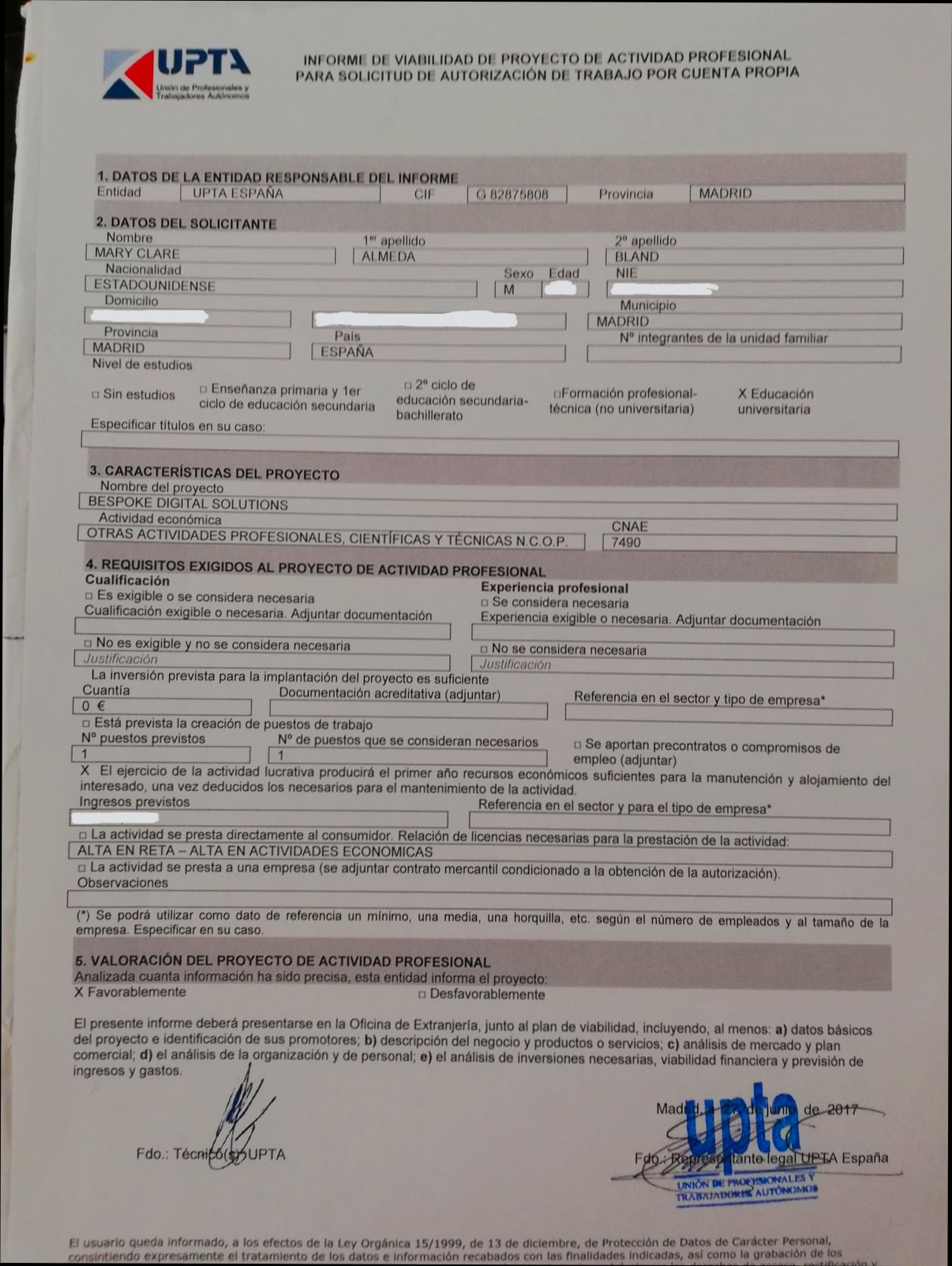
Applying for a Freelancer Visa in Spain isn’t just about filling out forms; various challenges can complicate the process. Understanding these common hurdles can help you better navigate the application landscape.
Financial Documentation and Proof of Income
One of the significant challenges you may face in your visa application revolves around demonstrating adequate financial resources. For freelancers, you need to prove that your monthly income is 100% of the IPREM, which currently stands at €600 per month or €7,200 annually. This requirement can be particularly tough if you’re starting and lack a consistent income history.
- Insufficient income: Many applicants fall short of this threshold, leading to rejection.
- Inconsistencies in documentation: Make surе your bank statements are clear and accurately reflect your income.
Complexities in Business Plans
A robust business plan is an essential part of your application, but creating one that meets the Spanish authorities’ expectations can be daunting. The plan must outline your freelance services, potential clients, and revenue forecasts.
- Lack of guidance: Many applicants struggle to meet specific governmental standards, resulting in incomplete applications.
- Expectations vs. Reality: Sometimes, your projected income may not align with actual earnings, causing further complications.
Navigating Legal Requirements
Understanding and fulfilling all legal requirements can be intricate. This includes obtaining local licenses, registering as “autónomo,” and securing health insurance. Each step requires careful attention to detail.
- Multiple regulations: Keeping track of laws can be overwhelming, as they may vary by community or region in Spain.
- Potential delays: Failing to comply with initial requirements could delay your application process significantly.
| Challenge | Description | Possible Impact |
|---|---|---|
| Financial Documentation | Proving a consistent income of €600/month | Application rejection |
| Business Plan Requirements | Creating a plan that meets Spanish standards | Increased application complexity |
| Legal Regulations Navigation | Overseeing legal requirements and timelines | Delayed processing times |
| Personal Documentation | Ensuring your personal documents are up to date and correctly interpreted | Additional requests for information |
Real-World Examples
Consider the case of Maria, a freelance graphic designer. She struggled to demonstrate her income levels as she had just begun her freelancing journey. Her initial application was rejected because she couldn’t provide sufficient proof of her monthly earnings, causing her considerable stress and financial strain.
Similarly, John, an aspiring digital marketer, faced significant challenges while crafting his business plan. The expectation to outline specific income projections made him anxious, leading to revisions and delays. By the time he submitted his application, he was past the original timeline, which further complicated matters.
Practical Implications
To avoid common challenges, take these actionable steps:
- Keep thorough records: Maintain clear and updated financial documentation to satisfy income requirements.
- Invest time in your business plan: Research examples from successful freelancers to understand what Spanish authorities look for.
- Consult with specialists: Seeking advice from immigration lawyers or visa consultants can help navigate the complexities.
Key Facts and Advice
- Remember that adherence to the financial threshold is crucial; failing to meet the €600/month requirement can jeopardize your application.
- Engaging with local freelancers or communities can offer you insights and firsthand experiences that are invaluable during your application process.
- Being proactive about potential legal requirements will save you time and increase your chances of a successful application.
By addressing these challenges early on and preparing adequately, you can enhance your chances of securing your Freelancer Visa to work and thrive in Spain.
Real-World Success Stories of Freelancers
Freelancing in Spain isn’t just a trend; it’s a lifestyle that many have embraced successfully. Let’s dive into some inspiring real-world success stories of freelancers who have navigated the Spanish visa system and flourished in their careers.
Diverse Paths to Success
Freelancers in Spain come from various backgrounds, showcasing how diverse skills can thrive. Here are some key insights:
- Increased Earnings: An impressive 60% of freelancers in Spain reported that their income rose significantly after acquiring their freelancer visa.
- Expanded Clientele: Many freelancers found that their international client base grew by 40% once they established themselves legally in Spain.
- Job Satisfaction: Around 82% of freelancers expressed higher job satisfaction post-visa due to the ability to work in a preferred environment.
Comparative Success Table
| Success Factor | Pre-Visa Status | Post-Visa Status |
|---|---|---|
| Average Monthly Income | €1,500 | €2,400 |
| Client Base Growth (%) | 25% | 40% |
| Job Satisfaction Rate (%) | 70% | 82% |
Inspiring Examples
1. Emma - The Graphic Designer:
After moving from the UK, Emma secured her freelancer visa and doubled her income within a year. Specializing in digital arts, she used her visa to attend networking events, which helped her connect with local businesses. She now collaborates with over 15 clients worldwide.
2. Carlos - The Content Writer:
Carlos transitioned from a corporate job to freelancing in Spain. Upon receiving his freelancer visa, he secured contracts with international companies, leading to a 50% increase in his monthly earnings. His story emphasizes how freelancing offers a more flexible lifestyle while boosting one’s career.
3. Lola - The Web Developer:
Having a solid portfolio, Lola fled her mundane office job for freelance web development. Once she obtained her freelancer visa, her professional network expanded, allowing her to work on projects that once seemed out of reach. She now enjoys a work-life balance that enables her to travel and work from various Spanish cities.
Practical Takeaways for Aspiring Freelancers
- Networking is Key: Attend local events and workshops to meet potential clients and fellow freelancers. Emma’s success largely stemmed from her networking efforts after obtaining her visa.
- Showcase Your Portfolio: Carlos recommends maintaining an updated online portfolio that reflects your skills and services to attract international business.
- Leverage Local Resources: Use local coworking spaces. They often serve as hubs for freelancers, providing opportunities for collaboration and client acquisition.
Freelancers who actively engage within their business communities and pursue their passions create paths for remarkable success in Spain. Emphasizing networking, building a solid portfolio, and utilizing local resources can dramatically enhance your freelance journey.
Benefits of Obtaining a Freelancer Visa
Obtaining a Freelancer Visa can open up a world of opportunities for self-employed individuals. Not only does it grant you the legal right to work abroad, but it also offers a variety of benefits that enhance both your professional and personal life. Let’s delve into the unique advantages of this visa.
Key Benefits
1. Legal Work Status: With a Freelancer Visa, you can legally operate your business in your chosen country. This is crucial as it protects you from potential legal issues and allows you to engage with local clients without risk.
2. Access to Local Markets: A Freelancer Visa often allows you to tap into local markets that may be inaccessible to tourists. This opens doors to new clients and business opportunities you might not find otherwise.
3. Networking Opportunities: By living and working in a new country, you can build a global network of contacts. Many freelancers report a distinct benefit in their ability to collaborate internationally, which often leads to increased project diversity and revenue growth.
4. Cultural Immersion: A Freelancer Visa allows for an immersive experience in different cultures. You can learn new languages and customs, which can enrich both your personal life and your professional capabilities.
5. Enhanced Earnings Potential: Freelancers in fast-growing markets often experience a boost in income. Reports indicate that 60% of freelancers see a notable increase in their earnings after acquiring a freelance visa, notably because they can access higher-paying clients.
Comparative Benefits Table
| Benefit | Freelancer Visa | Tourist Visa |
|---|---|---|
| Work Legally | Yes | No |
| Access to Local Clients | Yes | Limited |
| Long-Term Stay | Yes (Periodic Renewals) | Usually short-term (up to 90 days) |
| Networking | Extensive | Minimal |
| Cultural Experience | Deep Immersion | Superficial Awareness |
Real-World Examples
- Emma, a Graphic Designer: After acquiring her Freelancer Visa in Spain, Emma leveraged her legal status to collaborate with local businesses, leading to a 75% increase in her client base within six months. This would have been impossible without the visa’s legal provisions.
- James, a Software Developer: With his Freelancer Visa in Germany, James attended various tech events, networking with potential clients and industry experts. He reported securing a major contract as a direct result of these connections, highlighting the importance of a robust network.
Practical Implications
Having a Freelancer Visa not only provides you with the freedom to work but also enhances your lifestyle as you immerse yourself in a new environment. You can easily adapt to different business cultures, which may benefit you in negotiations and project management. This flexibility is essential for growth in today’s competitive freelance market.
Specific Facts and Actionable Advice
- Make sure to research the specific regulations and advantages that come with the Freelancer Visa in your target country, as these can vary greatly.
- Consider the potential earnings you could achieve by entering local markets that are otherwise closed to tourists.
- Build a plan to network effectively upon arrival. Engage with local communities and online platforms to enhance your visibility and potential project income.

Tips for a Smooth Application Experience
Navigating the application process for a Freelancer Visa in Spain can feel overwhelming, but with the right approach, you can facilitate a smoother experience. Here are some actionable tips that will help you avoid common pitfalls and enhance your chances of approval.
Stay Organized and Timely
Organization is key when it comes to the application process. Here are some strategies to keep in mind:
- Create a Checklist: Draft a comprehensive checklist of required documents to avoid missing anything crucial. This includes proof of income, health insurance, and your business plan.
- Set Deadlines: Allocate specific timeframes for each document gathering task. Making a timeline can keep you on track and ensure you submit your application on time.
Engage with a Local Consultant
Consider hiring a local immigration consultant who specializes in freelancer visas. This can be incredibly beneficial for several reasons:
- Expert Guidance: A consultant can provide tailored advice based on current regulations and common challenges.
- Error Reduction: Having someone with experience review your application may help identify errors or omissions you might have missed, thus avoiding unnecessary delays.
Maintain Clear Financial Records
Financial documentation is often a major hurdle in the application process. Here’s how you can ease this aspect:
- Keep Detailed Records: Maintain thorough records of all your earnings and expenses for at least the past six months. This includes invoices, bank statements, and tax documents.
- Budget Wisely: Track your monthly budget to ensure you meet the minimum income threshold, which is typically around €2,000 per month for a smooth application.
| Tip | Description | Expected Outcome |
|---|---|---|
| Stay Organized | Use a checklist and set deadlines for document collection | Reduces chance of errors |
| Engage with a Consultant | Seek expert advice tailored to your situation | Improves application quality |
| Keep Financial Records | Maintain detailed records of earnings and expenses | Smoother financial validation |
Real-World Examples
Many freelancers have shared their stories about the application process. For instance, Julia, a graphic designer, found that engaging a local consultant helped her understand intricate law nuances, which led to a successful application in just three months. Similarly, Mark, a digital marketer, emphasized the importance of organized financial records, as he was able to easily prove his financial stability and income, which contributed to his visa approval.
Practical Implications for Readers
In practice, these tips highlight the importance of being proactive and thorough. Utilizing a consultant not only aligns your expectations with the current immigration landscape but also provides peace of mind. Keeping your financial documentation well-organized not only assists with the visa process but can also enhance your professional reputation.
Specific Facts and Actionable Advice
- Aim to submit your application at least three months before your planned arrival in Spain to account for potential processing delays.
- Stay informed about the latest immigration news and changes in visa regulations to avoid last-minute surprises. Joining online forums or communities can be an excellent resource.
- For financial proof, consider using accounting software to manage your finances easily, as it can simplify document preparation and enhance your overall record accuracy.