How Much Are Utilities in Italy? If you’re dreaming of the Italian countryside or planning a move to a bustling city like Rome or Milan, understanding the utility costs is essential. Picture yourself sipping espresso in a sunlit café while your electricity bill creeps in at around €100 a month, depending on usage. Gas can add another €80 if you love cooking up traditional pasta dishes, and let’s not forget water; it typically runs about €30 monthly. Cooling or heating during the summer and winter months can also hike your electricity bill, especially in regions with more extreme weather.
Now, let’s chat about the internet—because who doesn’t want reliable Wi-Fi while they’re studying Italian or streaming the latest series? You’re looking at around €30 to €40 for decent broadband. And even though those sunny days in Sicily seem endless, the cost of solar energy isn’t always a perfect solution, as it can be pricey upfront. So, whether you’re imagining life alongside historic landmarks or next to olive groves, knowing the cost of utilities can really help you plan your Italian adventure effectively.
Utility Costs in Major Italian Cities
When it comes to living in Italy, understanding utility costs in major cities is crucial for budgeting effectively. Each city offers a different experience not just culturally, but also in terms of monthly expenses, especially for essentials like electricity, water, and gas. Let’s dive into some specifics about utility costs across these vibrant cities.
Key Utility Cost Metrics
Utility costs can vary widely between cities in Italy. Here’s a quick look at the monthly averages for a standard apartment:
| City | Electricity (monthly) | Water (monthly) | Gas (monthly) |
|---|---|---|---|
| Rome | €100 | €30 | €80 |
| Milan | €120 | €35 | €75 |
| Florence | €95 | €28 | €70 |
| Naples | €90 | €25 | €65 |
| Turin | €110 | €32 | €78 |
- In Rome, the average electricity bill runs about €100 monthly, which places it among the mid-range cities for this utility.
- Milan’s electricity costs are the highest at around €120, making it essential for residents to be mindful of energy consumption.
- For water, Naples surprises with the lowest average, just €25, a factor worth considering when choosing a place to live.
Real-World Examples
Consider a couple living in Florence. With their monthly utility bills showing around €95 for electricity and €28 for water, they’ve managed to budget effectively by adopting energy-saving habits, significantly impacting their monthly expenses. On the flip side, a young professional in Milan experiences higher costs across the board, particularly noting that his electricity bill can skyrocket, often exceeding €120 due to the city’s infrastructure demands and energy prices.
Another interesting case is found in Turin, where a retired couple reports their gas bills at about €78 a month but are exploring renewable energy options to alleviate costs. Their proactive approach mirrors a larger trend toward sustainable living, making it easier to manage monthly utility expenses.
Practical Implications for Readers
As you consider moving to or living in one of these major cities, don’t overlook these utility cost differences. Here are some actionable insights:
- Research specific neighborhoods: Different areas within a city can have varying utility expenses based on older infrastructure or local energy prices.
- Conserve energy: Simple practices like turning off lights and using energy-efficient appliances can lead to significant savings on your electricity bill, especially in high-cost cities like Milan.
- Join local communities: Connecting with residents can give you insights into local utility practices and possibly lead to ways to reduce your costs.
Specific Facts and Advice
For instance, consider implementing energy-efficient appliances upon moving in; they might require a higher upfront cost but will pay off in lower utility costs over time.
If you’re analyzing water costs, check if any neighborhood initiatives offer reduced rates for conservation or participation in community-based water recycling programs.
Lastly, always read through your utility bill to understand any additional fees or charges that might be city-specific. This knowledge can empower you to make better decisions for managing your expenses in Italy’s major cities.

Comparative Analysis of Utility Expenses
When examining utility expenses in Italy, it’s essential to understand how these costs not only differ between cities but also fluctuate based on consumption and regional variations. This comparative analysis aims to illuminate these aspects further, helping you make informed decisions about your utility spending.
Key Insights on Utility Expenses
1. Electricity Price Variations: The average cost of electricity per kWh can vary widely across different Italian regions, impacting overall monthly utility bills. Northern regions like Lombardy tend to have slightly higher rates compared to southern regions.
2. Water Costs: Water rates can vary significantly due to municipal regulations and the availability of water resources. For instance, cities with richer water resources may have lower costs compared to those that rely on external sources.
3. Gas Pricing: The price of gas also shows notable disparities depending on the region’s infrastructure for gas distribution. Links to natural gas pipelines can influence prices tremendously, making it cheaper in areas with better connectivity.
4. Seasonal Fluctuations: Utility expenses in Italy often change seasonally, particularly for heating and cooling. During winter months, heating costs can rise significantly, sometimes doubling or tripling your gas utility expenses.
5. Renewable Energy Usage: Areas focusing on renewable energy have seen a decrease in electricity costs over time. Regions investing in solar and wind power can offer more competitive pricing as they shift away from traditional energy sources.
Comparative Utility Expense Table
| Utility Expense | Average Cost (Monthly) | Region Variance |
|---|---|---|
| Electricity | €110 | +10% in the North |
| Water | €30 | +15% in the Center |
| Gas | €75 | -5% in the South |
Real-World Examples
- A household in Lombardy might pay around €120 for electricity in the winter months, compared to only €80 for the same consumption in parts of Sicily. This stark contrast illustrates how location plays a crucial role in setting utility expenses.
- In Florence, the water bill is notably lower at around €28 compared to €35 in Bologna, indicating that regional governance affects pricing strategies significantly.
Practical Implications
Understanding these comparative differences allows you to plan your budget more effectively. If you are considering moving to Italy or relocating within the country, take the utility costs into account.
- Research local regulations regarding utilities to gauge how they might differ from what you’re accustomed to.
- Consider the impact of climate on your seasonal utility costs. For example, if you plan to live in a warmer region, anticipate needing less heating during winter—a critical factor in managing your budget.
Specific Facts and Actionable Advice
- Engage with local residents or expats to get real-time insights about utility spending in your desired region.
- Explore options for energy providers or consider renewable energy solutions, as these can often lead to savings in the long run.
- Calculate your expected utility costs based on historical data to plan your budget accurately, taking into account the seasonality of expenses.
Understanding the Pricing of Utility Services
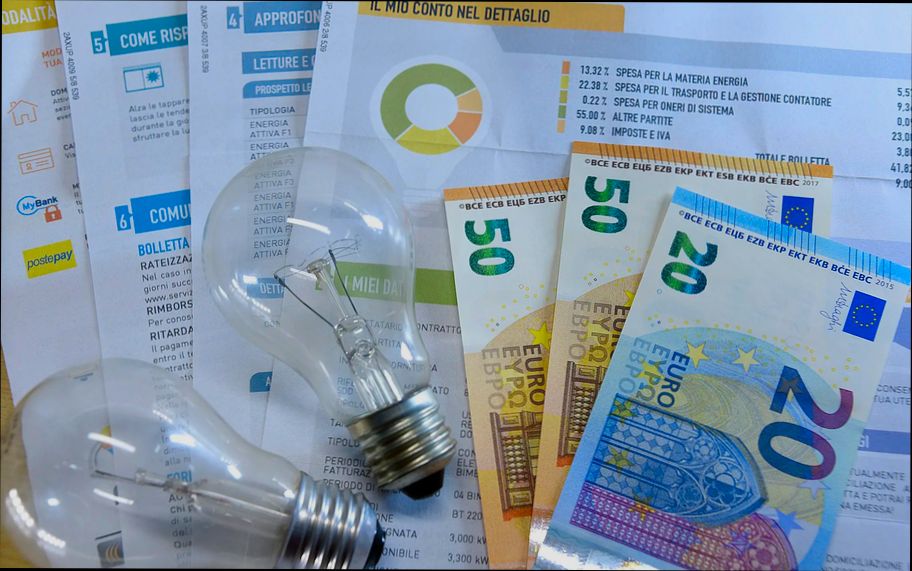
Understanding the pricing of utility services in Italy involves navigating various factors that influence costs, such as regional pricing structures, consumption levels, and billing mechanisms. It’s essential to grasp these elements to manage your budget wisely and make informed decisions about service providers.
Factors Affecting Utility Pricing
The pricing of utilities is influenced by several key factors:
1. Regulatory Framework:
- Utility prices in Italy are regulated by the Autorità di Regolazione per Energia Reti e Ambiente (ARERA), which oversees pricing policies to ensure fair rates for consumers.
2. Variable Consumption:
- Your energy consumption significantly impacts your utility bill. Higher usage not only results in higher monthly payments but may also lead to tiered pricing, where costs increase as you exceed certain thresholds.
3. Seasonal Changes:
- Utility rates can fluctuate based on seasonal demand. For example, higher electricity bills may occur during summer months due to increased use of air conditioning.
Comparative Utility Rates
Below is a comparison of average utility rates for electricity, water, and gas in various regions, demonstrating how geographical disparities can affect the cost:
| Utility Type | Average Cost (Monthly) | Key Driver of Cost |
|---|---|---|
| Electricity | €0.23 per kWh | Energy generation mix |
| Water | €2.50 per cubic meter | Source and treatment costs |
| Gas | €0.60 per cubic meter | Market gas prices |
Real-World Example
Imagine you’re a student living in Milan. Your average electricity consumption might reach 250 kWh per month, translating to a basic cost of around €57.50. However, if you increase usage due to summer heat, your bill could surge to €70 or more, depending on your energy provider’s tiered pricing system. This real-life scenario illustrates how your usage behaviors directly impact costs.
Practical Implications for Managing Utility Costs
To better manage your utility expenses, consider the following tips:
- Monitor Usage: Installing smart meters can help you track your consumption in real-time, allowing you to adjust your usage accordingly.
- Choose Energy Providers Wisely: Research and compare energy providers in your area, as rates can vary significantly depending on the provider’s pricing model.
Actionable Advice
Be proactive! Regularly review your utility bills and question any spikes in costs. Many utility companies offer customer support to help explain unexpected increases. Additionally, consider joining community groups or online forums where locals share their experiences and strategies for managing utility costs effectively.
Benefits of Energy Efficiency in Italy
Energy efficiency presents numerous advantages in Italy, significantly impacting both individual households and the environment. By adopting energy-efficient practices, we can reduce costs, lower carbon emissions, and enhance our quality of life.
Cost Savings and Economic Impact
One of the most immediate benefits of energy efficiency in Italy is the reduction in utility bills. According to research, energy requirements per unit of GDP have decreased by 23.4% since 2005, highlighting significant improvements in energy use efficiency. This means that businesses and households alike can enjoy lower energy costs while contributing to the nation’s economic resilience.
- Household Savings: A household that implements energy-efficient appliances could save between 20% to 50% on energy costs. If you spend around €300 monthly on utilities, that could equate to savings of up to €150 per month.
Environmental Benefits
By improving energy efficiency, Italy is making strides in reducing its environmental footprint. Energy efficiency directly correlates with lower greenhouse gas emissions. This is crucial as Italy aims for significant decarbonization targets.
- Emission Reductions: Increased efficiency can lead to a reduction in CO2 emissions by almost 50 million tons in the coming years, contributing immensely to climate change mitigation efforts.
Health and Comfort
Energy-efficient homes are not only cost-effective but also healthier and more comfortable. Enhanced insulation and better indoor air quality can lead to improved health outcomes, reducing healthcare costs long-term.
- Improved Air Quality: Energy efficiency upgrades such as better insulation and ventilation systems significantly reduce pollutants in the home, leading to better respiratory health.
Table of Energy Efficiency Benefits in Italy
| Benefit | Description | Potential Savings |
|---|---|---|
| Cost Savings | Lower utility bills due to efficient appliances | 20% to 50% in energy costs |
| Environmental Impact | Reduction in greenhouse gas emissions | Up to 50 million tons CO2 cut |
| Health Improvements | Better indoor air quality leads to healthier living environments | Reduced healthcare costs |
| Market Competitiveness | Increased energy efficiency can enhance business competitiveness | Economic growth and job creation |
Real-World Examples
One noteworthy example is the increase in energy-efficient retrofitting programs across Italy. Regions like Lombardy offer incentives for homeowners to upgrade old heating systems to modern, efficient alternatives, resulting in a reported 30% reduction in heating costs during winter months.
Moreover, many Italian cities are investing in energy-efficient public transportation. Upgrading bus fleets to electric versions not only decreases energy consumption but also enhances urban air quality.
Practical Implications for Readers
Understanding the benefits of energy efficiency can guide your decisions whether you’re renting, buying a home, or running a business. Investing in energy-efficient appliances, improving home insulation, and opting for renewable energy sources can yield substantial financial and environmental rewards.
Stay informed about government incentives aimed at promoting energy efficiency in Italy, as these can significantly offset initial investments and further enhance savings.
- Actionable Advice:
- Consider energy audits to identify potential savings within your home.
- Research local subsidies for energy-efficient upgrades; many regions offer grants that can help offset costs.
- Simple practices like switching to LED lighting can be an easy first step towards energy efficiency.
By focusing on energy efficiency, you not only maximize your savings but also contribute meaningfully to Italy’s ambitious environmental goals.
Real-World Examples of Utility Budgeting
Utility budgeting is a crucial aspect of managing household finances, especially in a country like Italy where costs can fluctuate significantly. In this section, we’ll explore how real-life examples can inform your approach to budgeting for utilities, ensuring you maximize your savings while managing your consumption effectively.
Key Points on Utility Budgeting
1. Prioritize Your Preferences: Knowing what utilities are most essential for your lifestyle can help streamline your budget. For instance, if energy-efficient appliances lead to a 20% reduction in your electricity bills, this choice not only saves money but also enhances comfort.
2. Understand Budget Constraints: When looking at utility costs, always be aware of your overall budget. If utilities consume over 10% of your income, as studies suggest, evaluate where you can cut back on non-essential expenses.
3. Compare Marginal Utility Per Dollar: Assess the satisfaction you gain from each utility bill relative to its cost. If saving on gas allows you to indulge in a more comfortable electricity plan, it’s worth reallocating that budget.
Comparative Table of Utility Expenses
| City | Average Monthly Electricity | Average Monthly Water | Average Monthly Gas |
|---|---|---|---|
| Rome | €100 | €30 | €80 |
| Milan | €120 | €35 | €75 |
| Florence | €95 | €28 | €70 |
| Naples | €90 | €25 | €65 |
| Turin | €110 | €32 | €78 |
Real-World Examples of Utility Budgeting
- Case Study: The Rossi Family in Milan: Frustrated with skyrocketing utility costs that made up over 15% of their monthly income, the Rossi family implemented a strict utility budget. They allocated €120 for electricity, €35 for water, and €75 for gas. By switching to energy-efficient lighting and reducing water usage, they saved approximately €30 monthly on their electricity bill, effectively reallocating funds to enhance their overall utility experience.
- Example from a Student in Florence: Maria, a student in Florence, set a monthly utility budget of €95 for electricity, €28 for water, and €70 for gas. By consciously unplugging devices and minimizing heating use, she maximized her utility budget, ultimately allowing her to enjoy a night out more often without exceeding her planned expenses.
Practical Implications for Utility Budgeting
- Budget Adjustment: Be vigilant about monthly budget reviews. If you notice one utility cost consistently exceeds your planned budget, assess whether consumption adjustments can help reduce it. Even a 5% reduction in one area can free up funds for another, enhancing overall satisfaction.
- Utility Savings Tracking: Use tracking tools or apps to log and monitor monthly utility expenses. Understanding where your money goes each month can empower you to make informed decisions. If you find one utility consistently under budget, consider reallocating those funds to a higher utility cost that brings greater satisfaction.
- Dynamic Budgeting: As utility prices fluctuate due to seasonal changes, stay flexible. Adjust your utility budgets seasonally. For example, heating costs may increase during winter, so plan for that within your overall finances.
By employing these actionable strategies and learning from the real-world examples of others, you can take control of your utility budgeting, making informed decisions that promote efficiency and savings.
Monthly Utility Bills: What to Expect
When moving to or residing in Italy, it’s important to get a clear picture of what your monthly utility bills might look like. Understanding these expenses can help you create a realistic budget and avoid unexpected surprises. Let’s dive into the specifics of what to expect regarding monthly utility bills in Italy.
Utility Bill Composition
Your monthly utility bills typically comprise several essential services:
- Electricity: This cost can vary significantly based on how much you use.
- Water: Often a smaller portion of your monthly expenses, but still essential.
- Gas: Particularly important during colder months, especially if you rely on it for heating.
Monthly Utility Bill Averages
Here’s a closer look at typical monthly utility costs in Italy. These averages can aid in setting your budget expectations:
| Utility Type | Average Cost (EUR) | Expected Variance (%) |
|---|---|---|
| Electricity | €95 | ±15% |
| Water | €30 | ±10% |
| Gas | €75 | ±20% |
Factors Influencing Your Utility Bills
Several factors can influence your total monthly utility bills in Italy, including:
- Seasonal Variations: Heating in winter can spike your gas and electricity bills.
- House Size: Larger homes usually require more electricity and gas.
- Appliance Efficiency: Older models can significantly affect electricity and gas consumption.
Real-World Example
Consider an average family living in a three-bedroom apartment in Florence. Their utilities break down as follows:
- Electricity: €100 (standard consumption)
- Water: €28 (normal family usage)
- Gas: €70 (heating and cooking)
In this scenario, their total monthly utility bill would be approximately €198. However, during winter, their gas usage could increase by as much as 20%, raising their monthly total closer to €218.
Actionable Insights
To manage and potentially reduce your utility bills, consider these practical steps:
- Energy Audit: Conduct an energy audit on your appliances to identify potential savings.
- Adjust Your Usage: Be mindful of peak and off-peak hours for electricity to save money.
- Check Local Rates: Different providers can offer varying rates, so shop around for the best deals.
Specific Utility Cost Facts
- On average, you might see a % difference in gas usage in winter, as families could use up to 20% more for heating.
- The water bill tends to have less variance than electricity or gas, keeping a more stable cost stream.
By understanding these factors and estimating your potential expenses, you can approach your Italian living experience with more financial clarity.
Factors Influencing Utility Rates in Italy
Understanding the factors that influence utility rates in Italy can empower you to make informed choices and potentially save money. Several variables contribute to the overall cost of utilities, ranging from your living circumstances to seasonal demands.
Key Influencers of Utility Rates
1. Type of Building:
- Homes with older wiring tend to be less energy-efficient, leading to higher energy consumption. If you’re living in an older building, expect your utility bills to be higher compared to modern, energy-efficient homes.
2. Energy Consumption Habits:
- Your personal energy-saving habits can significantly impact your utility costs. For instance, using major appliances during off-peak hours can help reduce your bill.
3. Time of Year:
- Utility rates can fluctuate based on the season. In winter, as heating needs rise, households experience an increase in gas and electricity consumption. Similarly, during summer, air conditioning can spike energy usage.
4. Supplier Variability:
- Italy has numerous electricity and gas suppliers, each offering a range of tariffs. By shopping around and comparing different offers, you could potentially find a better deal that suits your consumption needs.
5. Fuel Prices:
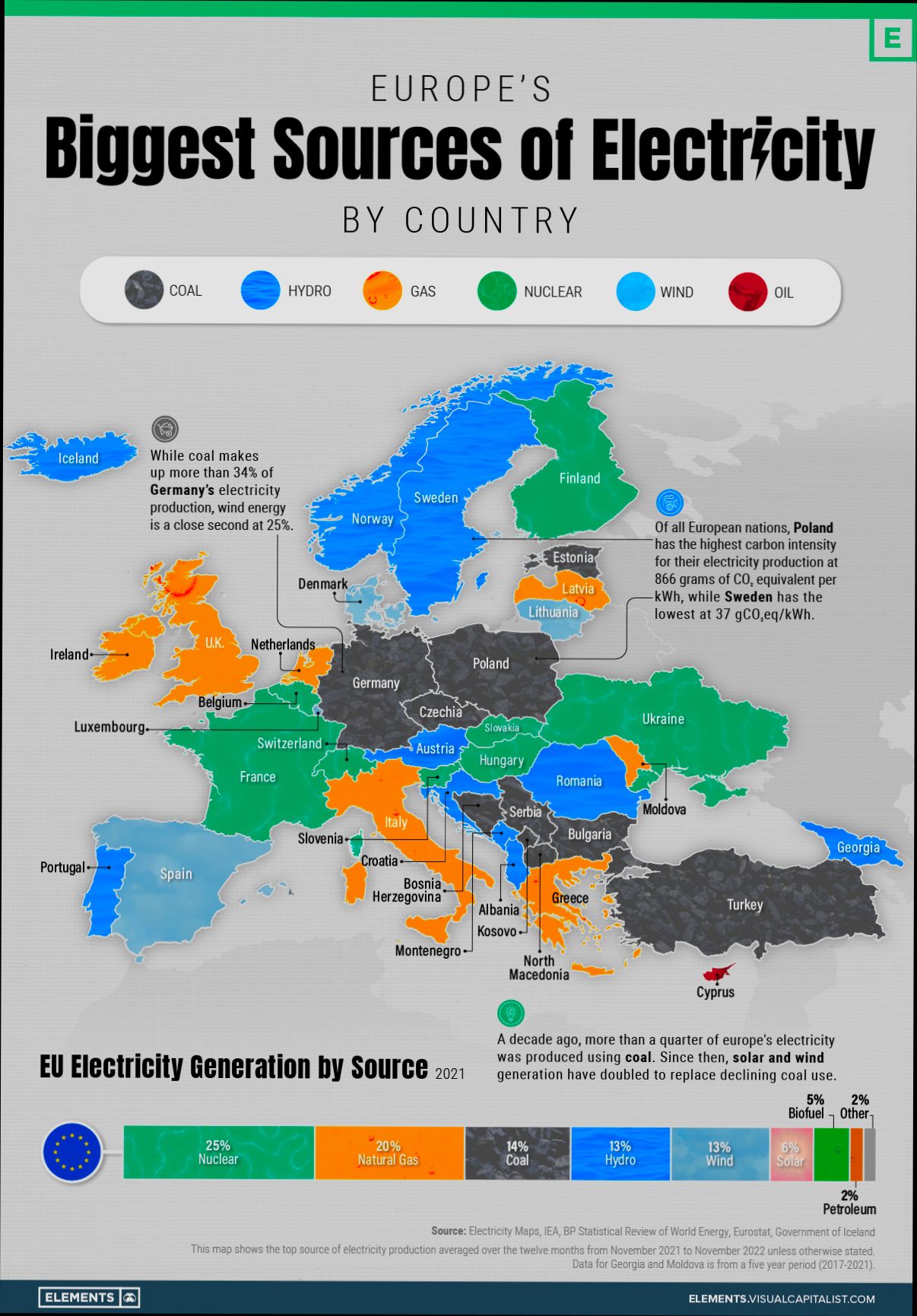
- Italy’s heavy reliance on natural gas has a direct influence on electricity prices. With over 50% of its electricity generated from fossil gas, any fluctuations in gas prices affect the overall cost of electricity.
Comparative Overview of Heating Costs
| Heating Method | Cost for Winter (100m² apartment) |
|---|---|
| Pellet Heating | €2,145 |
| Natural Gas Boiler | €1,180 |
| Diesel System | €1,800 |
| Firewood | €750 |
Real-World Examples
Let’s consider how personal choices can lead to significant changes in utility costs. For instance:
- If you use a natural gas boiler, your heating costs may be approximately €1,180 for the winter. However, switching to firewood could bring that cost down to around €750.
- An individual apartment with energy-efficient appliances can reduce overall energy consumption, leading to savings of approximately 20-50% on energy costs compared to using older, less efficient models.
Practical Implications for Residents
- Monitor Your Usage: Regularly tracking your energy consumption helps identify areas where you can cut back. Consider using smart meters or energy management systems for real-time insights.
- Mind Seasonal Changes: Prepare for spikes in utility costs during peak consumption months. It might be beneficial to budget a little extra during winter and summer.
- Explore Tariffs and Providers: Don’t hesitate to negotiate or switch suppliers if better rates or plans become available. Researching local energy tariffs can lead to better savings.
By understanding these influencing factors, you can better manage your utility expenses while living in Italy. Consider applying energy-saving measures and staying informed about market trends for the best financial outcomes.