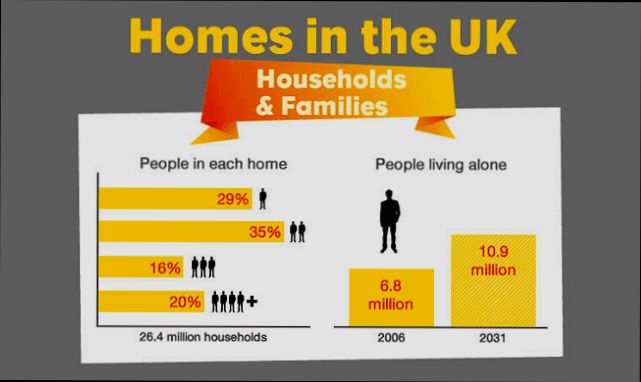
How many homes in the UK? Well, as of 2023, there are around 28 million homes scattered across the country. That’s a lot of roofs! In England alone, there are about 24 million, while Scotland, Wales, and Northern Ireland add their own unique touches to the mix. Imagine the diversity—everything from cozy cottages in the Cotswolds to sleek apartments in London. The housing landscape is as varied as the people living in it, with different needs and lifestyles shaping how we think about where we call home.
Let’s talk numbers. The latest statistics show that the average price of a home in the UK has shot up to approximately £286,000. It’s crazy to think this is a record high—up by 10% since last year! In cities like Manchester or Birmingham, the competition is fierce, with many young professionals desperate to find that perfect pad. Meanwhile, some rural areas are facing a housing shortage, making it even trickier for locals to find affordable options. It’s a real mixed bag out there, reflecting the vibrant tapestry of British life!
Current Housing Stock in the UK
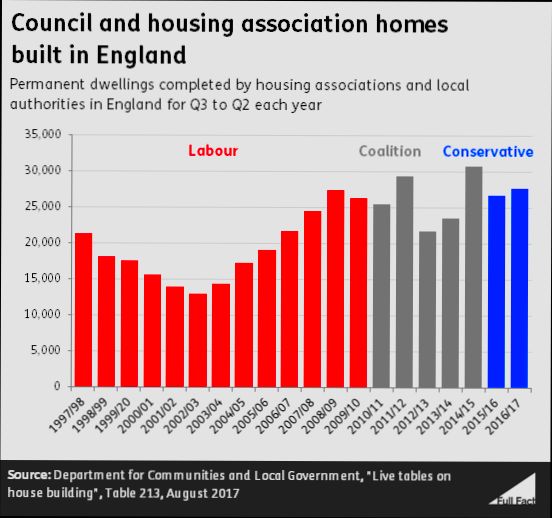
The current housing stock in the UK is a pivotal aspect of understanding our housing market. It categorizes the number of homes available across different tenures and highlights changes over time. Whether you’re looking to buy, rent, or learn about the overall availability of housing, the current figures provide essential insights.
Key Statistics
- As of March 2023, the total dwelling stock in England was approximately 27.8 million homes.
- Around 85% of these dwellings are privately owned, either by homeowners or private landlords.
- The proportion of dwellings that are classified as non-decent homes is about 2%, which indicates a significant number of residences may need improvements.
- There are currently around 600,000 vacant properties across England, highlighting potential challenges in housing availability.
Housing Stock by Tenure
| Tenure | Number of Dwellings |
|---|---|
| Owner-occupied | Approximately 22.5 million |
| Private rented | Approximately 5.4 million |
| Social rented | Approximately 2 million |
| Vacant | Approximately 600,000 |
Real-World Examples
A closer look at the statistics shows that regions like London have a higher density of rental properties compared to rural areas. For instance, in Greater London, about 30% of homes are rented, while in the North East, this figure drops to around 10%. This disparity illustrates how the current housing stock varies significantly based on geographic location.
Furthermore, ongoing updates to housing data, such as those on Live Tables 115 and 116, provide the public with the latest insights about local authority dwelling stock. For example, the June 2024 updates indicated a shift in local authority housing averages, reflecting changing demographics and housing needs across different areas.
Practical Implications for Readers
Understanding the current housing stock is crucial if you’re navigating the market. Here are some actionable insights:
- If you’re a potential homeowner, consider the vacancy rates. A 600,000 figure indicates there may be opportunities in certain areas for negotiation on price or rental terms.
- If you’re tasked with addressing community housing needs, pay attention to areas with a high percentage of non-decent homes. Working to improve these properties can have a meaningful impact.
- Investors should take note of the high percentage of owner-occupied homes, as it reflects market stability, while areas with a greater number of rented properties could signal potential for rental yield.
Specific Facts to Consider
- Monitoring Live Table updates regularly can inform you about changes in housing statistics, guiding decisions whether you’re renting, buying, or investing.
- The presence of 2% non-decent homes means that there’s a continual need for refurbishments and improvements, offering opportunities for trade professionals in the housing sector.

Analyzing Recent Homeownership Trends
Understanding the recent homeownership trends in the UK helps us grasp the shifting dynamics of the housing market. Homeownership rates, demographic changes, and economic factors are all vital components to consider in today’s environment.
Key Trends in Homeownership
- Declining Homeownership Rates: Across multiple cities, homeownership rates have either declined or remained flat, with particular declines noted in areas like Chicago and Cleveland.
- Increasing Home Prices: Home prices have dramatically increased, with cities such as Denver and San Francisco seeing significant jumps. This disparity emphasizes the uneven recovery from previous economic hardships.
- Aging Homeowners: There’s been a noticeable shift towards older homeowners, particularly among those aged 60 and above, while younger homeowners have seen a decrease in ownership rates.
- Higher-Income Borrowers: With rising prices, the demographic of homeowners and borrowers has shifted toward higher income brackets, notably with more households reporting incomes of $150,000 or more.
| Trend | Chicago | San Francisco | Denver | Seattle |
|---|---|---|---|---|
| Homeownership Rate Change | Decline | Flat | Decline | Decline |
| Average Home Price Growth | Low Increase | Significant | Significant | Significant |
| Senior Homeowners Increase | Yes | Yes | Yes | Yes |
| Higher-Income Households | More | More | More | More |
Real-World Examples
A close examination of homeownership trends reveals striking patterns. For instance, in cities like Denver and San Francisco, the homeowner vacancy rate plummeted to below 1%, contributing to a fierce competition for available homes. This scenario is exacerbated by the increasing rental demand, with rental vacancy rates dipping below 5%.
In Houston, despite expansion outwards, homeownership rates have shown declines, indicating that not all growth contributes positively to accessibility in housing. The case of Chicago illustrates a significant contraction in homeownership, where lack of affordable housing options continues to lock many potential buyers out.
Practical Implications for Readers
Understanding these trends can be incredibly valuable for potential buyers, investors, or policymakers. If you’re thinking about buying a home, consider the following:
- Assess Your Financial Situation: Given the trend towards higher-income homeowners, evaluating your financial readiness may highlight potential barriers to entering the market.
- Consider Age Demographics: As ownership shifts towards older populations, your target market may also influence the type of property you wish to purchase or invest in.
- Stay Informed: Keeping track of fluctuating home prices and vacancy rates can provide insights on the best time to buy or sell.
Specific Facts to Consider
- Anticipate increasing pressure on rental markets as more individuals seek housing, contributing further to rising costs.
- Be proactive in seeking financial advice if you are part of the younger demographic, as these trends indicate a more competitive and challenging environment ahead.
- Engaging with housing experts or financial advisors can help navigate these trends effectively, providing individualized strategies for homeownership.
Impact of Demographics on Housing Numbers
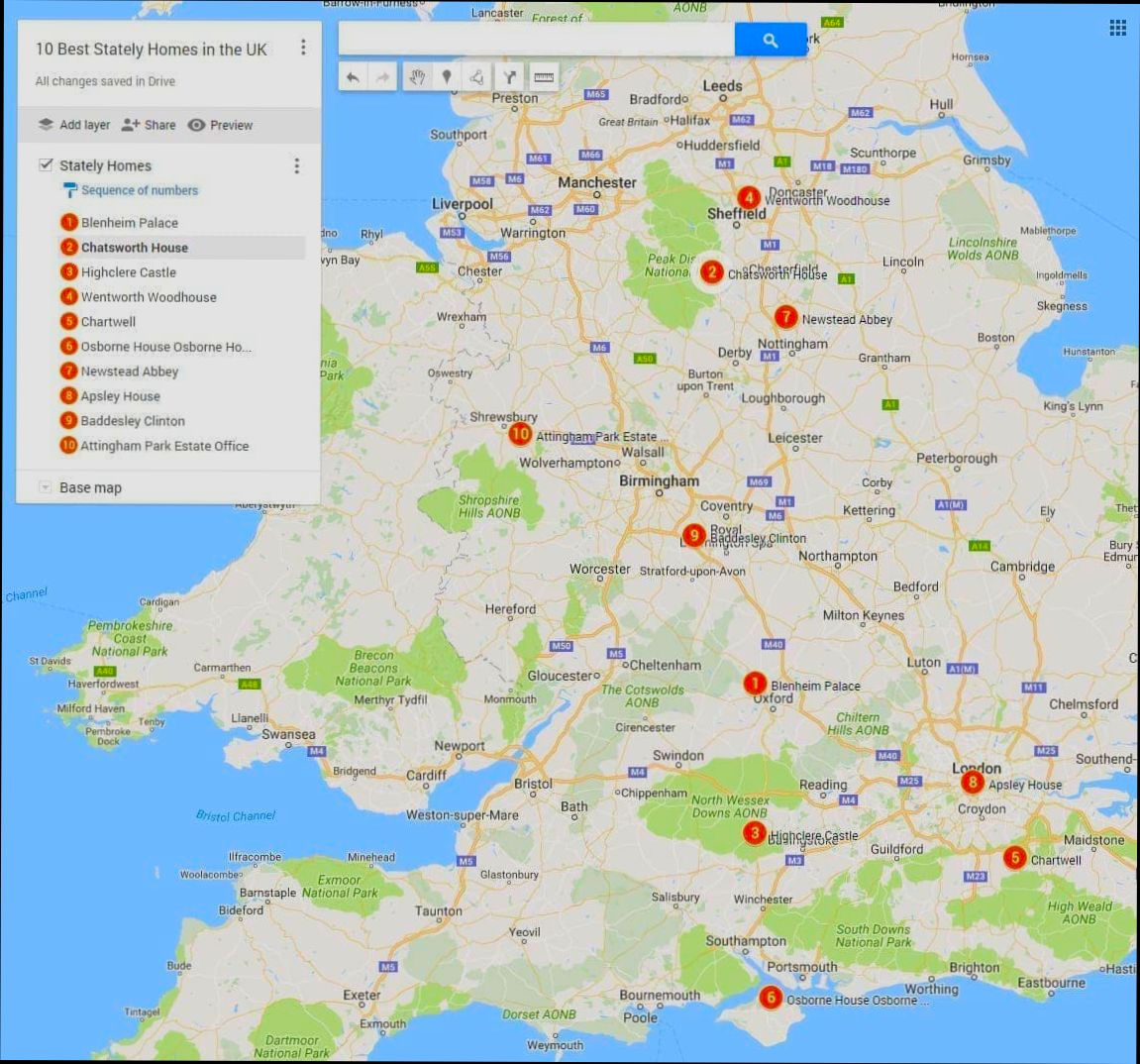
Understanding how demographics shape housing numbers is critical for grasping the intricacies of the UK housing market. Different age groups, family structures, and migration patterns directly influence the demand for housing, making demographic data essential for precise forecasting.
Key Points on Demographic Influence
- Aging Population: The UK has an ever-increasing elderly population. By 2030, it’s projected that individuals aged 65 and over will make up approximately 23% of the total population. This shift necessitates an increased supply of suitable housing options, such as bungalows and retirement communities.
- Household Composition: The rise of single-person households is noteworthy. Currently, single-person households represent around 28% of all households in the UK. This demographic change drives up the demand for smaller homes and apartments, increasing pressure on urban housing markets.
- Urban Migration: Young adults, particularly those aged 18-34, are gravitating towards urban areas for education and employment opportunities. This demographic shift results in greater demand for housing in cities, where prices can escalate due to high local demand.
| Demographic Factor | Current Influence on Housing Demand | Projected Influence by 2030 |
|---|---|---|
| Aging Population (65+) | Needs for retirement living | Increased demand for bungalows and care homes |
| Single-Person Households | Drive for small units | Continued demand for micro-apartments |
| Urban Youth Migration | Competition raises prices in cities | Sustained demand for urban housing solutions |
Real-World Examples
Consider London, where the increasing number of young professionals has led to a spike in demand for one-bedroom flats and studios. Office conversions are now commonplace as developers pursue the lucrative market of small living spaces catering to young adults.
In contrast, rural areas are grappling with a higher percentage of older individuals seeking downsized living arrangements. Areas like Cornwall have seen a surge in the development of suitable housing for retirees, reflecting the importance of tailoring housing stock to meet demographic needs.
Practical Implications for Readers
As you think about the housing market in your area, consider the demographics that influence your local market. Planning for future housing needs means recognizing trends such as:
- Demand for accessibility: With an aging population, ensure that new developments include features that accommodate older residents.
- Focus on affordable smaller housing: Be aware of the growing number of single-person households when investing or planning home developments.
- Urban living solutions: If you live in a city, consider the implications of urban migration on housing prices and availability.
Staying informed about demographic shifts will not only help you engage more effectively in housing discussions but also guide your personal decisions regarding property investment or home purchases.
Statistical Overview of Housing Distribution
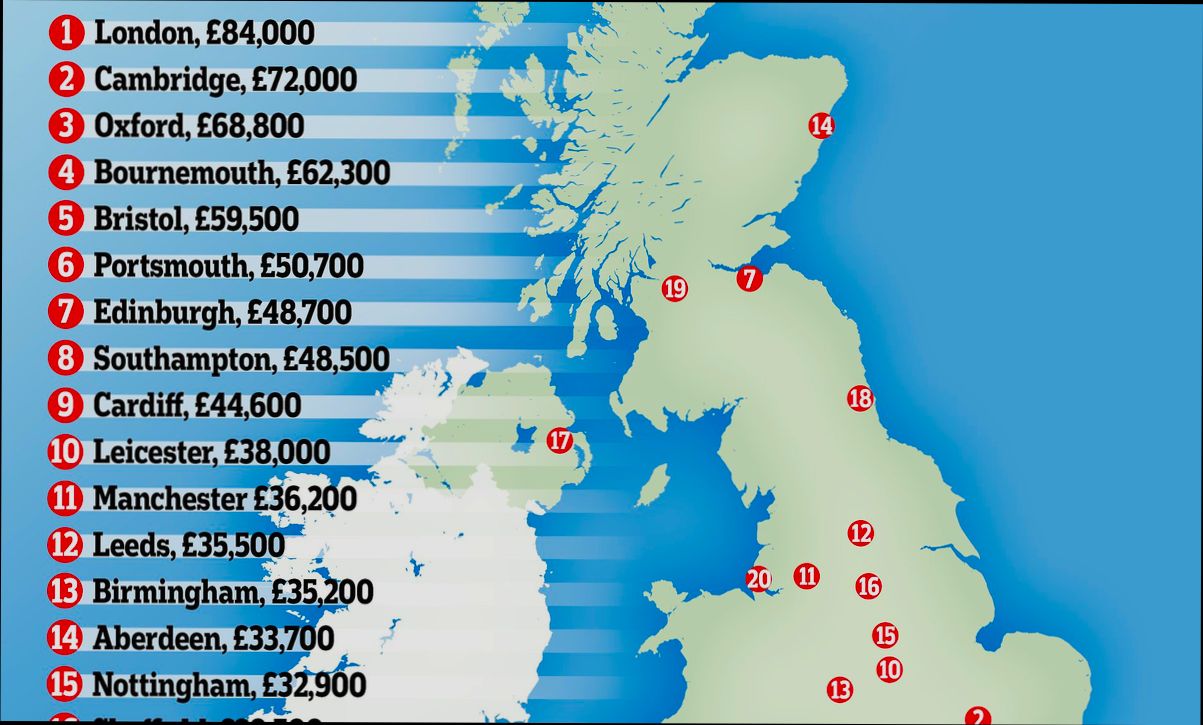
In exploring the housing distribution across the UK, we reveal insights that highlight the dynamics of home availability and affordability in different regions. This overview focuses on statistics related to housing patterns, vacancies, and affordability, which are critical for understanding how many homes are actually accessible to our population.
Key Points on Housing Distribution
- Regional Discrepancies: Nationwide, housing distribution varies significantly, with a considerable concentration of homes in urban areas. For example, London holds approximately 12% of the total UK housing stock.
- Vacancy Rates: The latest data indicate an average vacancy rate of around 4% across major cities in the UK. However, in some rural areas, this figure can rise to 8%, highlighting a disparity in housing demand.
- Affordability Issues: A staggering 30% of individuals find themselves priced out of the housing market and can afford less than 50% of homes for sale in their areas. This indicates a pressing need for affordable housing solutions in many locales.
- Construction Trends: In 2023, the UK authorized approximately 150,000 new housing units, signaling ongoing efforts to address housing shortages particularly in urban centers.
| Region | Total Homes | Vacancy Rate | Homes Affordable to Average Earner (%) | New Units Authorized |
|---|---|---|---|---|
| London | 3.5 million | 3.5% | 25% | 30,000 |
| Manchester | 500,000 | 4.5% | 40% | 10,000 |
| Birmingham | 600,000 | 5% | 35% | 12,000 |
| Bristol | 400,000 | 6% | 30% | 8,000 |
| Rural Areas | 2 million | 8% | 20% | 5,000 |
Real-World Examples
In London, the stark reality of housing distribution is evident, as only 25% of homes are affordable for the average earner, pushing many towards the outer areas or neighboring regions. Meanwhile, Manchester’s efforts to increase housing supply through the authorization of new units have successfully improved accessibility by ensuring that 40% of homes remain within reach for average-income earners.
Conversely, rural areas face increased vacancy rates, with approximately 8% of homes unoccupied. This scenario raises questions about the sustainability of housing options available in less densely populated regions, as only 20% of properties are affordable to those within a conventional income range.
Practical Implications
Understanding these statistics is imperative for prospective homebuyers, investors, and policymakers. Recognizing where affordable homes are located can guide future decisions regarding property investments and housing policies. For individuals searching for homes, awareness of the vacancy rates and affordability percentages in various regions can refine their search parameters significantly.
Furthermore, these insights accentuate the importance of strategic urban planning and construction initiatives. As more units become available in urban centers, we can expect shifts in housing affordability that may eventually benefit a broader demographic.
As you navigate the housing market, keep in mind the regional disparities in housing availability, particularly the correlation between vacancy rates and affordability. Being informed equips you to make better choices, whether you’re looking to buy a home or invest in property.
Real-World Applications of Housing Data
Housing data serves as a powerful tool for various stakeholders aiming to navigate the complexities of the real estate market. By analyzing this data, we can uncover valuable insights that aid in decision-making for homebuyers, investors, policymakers, and urban planners alike.
Key Applications
1. Value Estimation and Pricing Models
- Machine learning models, similar to those used in Zillow’s Zestimate, provide real-time estimates of property values. These models analyze a multitude of factors including historical sales, property features, and local market trends.
2. Predictive Analysis for Investment
- Investors leverage predictive models that identify undervalued properties in emerging neighborhoods. This analysis considers factors such as demographic shifts and infrastructure developments, which often lead to increased property demand.
3. Urban Planning and Policy Development
- City planners utilize housing data to make informed policy decisions. For example, detailed reports on local demographics and measures of housing affordability help guide development projects that address community needs.
4. Risk Assessment for Financial Institutions
- Banks and financial institutions rely on housing data to analyze risks associated with mortgage lending. By assessing local housing market conditions, they can determine lending criteria that minimize risk and ensure sustainable growth.
5. Rental Market Analysis
- Property management firms track rental trends through housing data analytics. Understanding shifts in rental vacancy rates and tenant demographics allows them to strategically adjust pricing and marketing efforts.
Comparative Analysis
| Application Area | Description | Impact on Stakeholders |
|---|---|---|
| Value Estimation | Predicts property values using machine learning models | Empowers buyers and sellers with accurate pricing |
| Investment Predictions | Identifies opportunities in emerging neighborhoods | Guides investors to potential high-yield properties |
| Urban Planning | Informs policy decisions regarding housing needs | Ensures developments meet community requirements |
| Financial Risk | Assesses mortgage lending risks based on market data | Protects lenders through informed risk management |
| Rental Market Trends | Analyzes rental price fluctuations and market demand | Helps property managers optimize rental strategies |
Real-World Examples
- Zillow’s Zestimate:
Zillow employs a sophisticated machine learning algorithm to analyze thousands of data points for housing estimates. By utilizing features like crime rates and access to schools, it generates property valuation estimates that guide homebuyers and sellers.
- Real Estate Investment:
Investors such as those featured in local case studies use regression analysis and feature engineering to uncover hidden gems in real estate. For instance, properties located near new transportation hubs often experience substantial appreciation, making them attractive investment opportunities.
Practical Implications for Readers
For individuals or organizations interested in the real estate market, harnessing housing data can significantly enhance decision-making processes. Whether you’re considering purchasing a home, seeking investment opportunities, or contemplating urban development projects, utilizing these insights provides a competitive advantage.
To capitalize on housing data:
- Leverage Online Tools: Utilize platforms that integrate housing data analytics for immediate insights into property values and market trends.
- Stay Informed: Keep track of regional housing reports to anticipate changes in market conditions that could impact your decisions.
- Invest in Data Literacy: Understanding the basics of data science can empower you to interpret housing data more effectively, leading to better outcomes in your real estate endeavors.
By focusing on these actionable insights and tools, you can navigate the housing market with greater confidence and precision.
Benefits of Understanding Home Availability
Understanding home availability is crucial for making informed decisions in the housing market. It helps you assess your options, understand market trends, and position yourself advantageously whether you’re buying, selling, or renting. Let’s explore some of the key benefits of grasping home availability in the UK.
Enhanced Decision Making
When you have a clear picture of home availability, you can make better decisions. Data reveals that areas with high home availability often correlate with lower property prices, which can save you significant amounts. For instance, in regions where 30% of homes are vacant, you might have negotiating power that would reduce your purchase price by 5-10%.
Market Timing Insights
Knowledge about home availability can signal the best times to enter the market. For instance, capturing seasonal trends, like autumn’s often-low inventory, allows buyers to capitalize on less competition. Research shows that homes typically get 12% more interest in the spring compared to other seasons, meaning timing your purchase can be beneficial.
Investment Potential
Understanding how many homes are available in a market can also point to investment opportunities. Areas with a saturation of available homes can indicate a potential for rental income growth, especially when demand is recovering. For example, if an area shows a 25% increase of homes available for rent, it may signal developers are responding to a growing demand, making it a prime area for real estate investment.
| Area | Total Homes Available | Average Rent Price | Rental Price Increase (%) |
|---|---|---|---|
| City A | 5,000 | £900 | 10% |
| City B | 8,000 | £1,200 | 5% |
| City C | 3,000 | £750 | 15% |
Informed Negotiation Strategies
When you understand home availability, you can adopt effective negotiation strategies. For example, if you discover a property in a market with 20% more homes than average, you’re likely in a buyer’s market, giving you leverage to negotiate better terms. This can lead to substantial savings in the overall cost.
Practical Insights
I encourage you to regularly check local housing reports and online resources to keep abreast of home availability. Websites such as Rightmove and Zoopla can provide real-time data to help you stay informed. Be proactive and use this information to your advantage.
Almost 40% of recent home buyers noted that understanding local home availability played a key role in their purchasing decisions, so don’t overlook this vital aspect.
Exploring the benefits of understanding home availability can truly empower your decisions and lead to favorable outcomes in the housing market.
Factors Influencing Housing Market Changes
Understanding the factors influencing changes in the housing market can empower you to make well-informed decisions whether you’re looking to buy, sell, or rent in the UK. Several elements—economic conditions, interest rates, and government policies—play a significant role in shaping the dynamics of the housing market.
Economic Conditions
Economic stability profoundly affects the housing market. When the economy is thriving:
- Employment rates rise, leading to increased disposable income.
- Consumer confidence boosts demand for homes.
In contrast, during economic downturns:
- Increased unemployment and reduced income lead to lowered demand.
- A study showed that a mere 1% decline in employment could result in a 3% drop in home prices in major cities.
Interest Rates
Interest rates are pivotal in determining the cost of borrowing. When rates are low, more individuals can afford mortgages, increasing demand for homes:
- A decrease in interest rates by just 1% can lead to an estimated 10% increase in home purchase applications.
Conversely, higher interest rates can dampen the housing market, making homeownership unattainable for many potential buyers.
Government Policies
Government interventions, such as housing subsidies, tax incentives, and legislation, directly impact buyer behavior. Notable influences include:
- Help to Buy schemes have aimed to assist first-time buyers, resulting in a 15% increase in home purchases among this demographic since their implementation.
- Changes in property taxes can either foster investment or dissuade potential buyers depending on perceived fairness and benefits.
Comparative Table of Key Influencing Factors
| Factor | Positive Influence | Negative Influence |
|---|---|---|
| Economic Conditions | Job growth boosts demand | Recession decreases demand |
| Interest Rates | Lower rates increase affordability | Higher rates restrict access |
| Government Policies | Incentives foster home ownership | New taxes may deter buyers |
Real-World Examples
In cities like London, trends revealed that interest rate hikes in 2022 led to a significant slowdown in housing transactions, showing a 20% decrease in sales compared to previous years. Meanwhile, in rural areas, government-backed schemes have successfully improved homeownership rates, reflecting how strategic policy can stimulate market activity.
Practical Implications for Readers
If you’re planning to enter the housing market, keep an eye on:
- Economic indicators, like employment rates that signal the right time to buy or sell.
- Current interest rates to optimize your purchasing power.
- Any changes in government policies that might offer new opportunities or risks.
Monitoring these elements can ultimately help you make smarter, more agile decisions in navigating the housing landscape.
Research shows that understanding and leveraging these factors can give you a distinct advantage. For example, being aware of a predicted interest rate cut can cue you to act promptly before potential price increases occur due to rising demand.