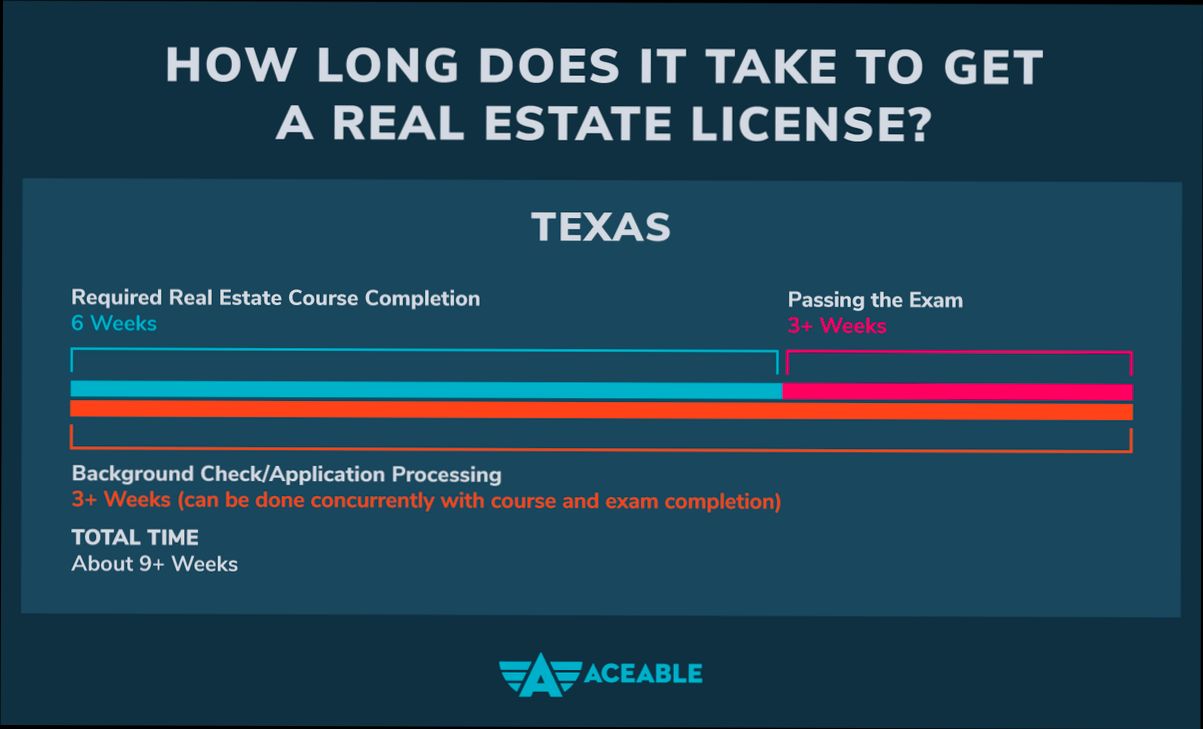
How long is a real estate course? Well, it depends on where you are and what you want to do. For example, in states like California, pre-licensing courses typically run around 135 hours, while in Texas, you’ll need to clock in at least 180 hours. Some folks choose to dive into accelerated programs and complete their courses in just a few weeks. Others might opt for a more laid-back pace, balancing work and study over several months.
On average, you can expect a solid investment of around 4 to 6 months if you’re taking classes part-time while juggling a full-time job. Online courses can be a game changer, letting you study at your own speed. Picture this: you might tackle a module on real estate contracts one night and jump to property management the next. With courses available at community colleges, online platforms, or dedicated real estate schools, your journey into the real estate world can fit snugly into your schedule, all while gearing you up for that first big exam.
Duration Variability Across Different States
When we look at how real estate courses vary in duration across different states, it’s fascinating to see the geographical disparities. Each state not only has different educational requirements but also varying social and economic factors that influence these requirements and their effectiveness. This section dives into the specifics of how long these courses can be, emphasizing the duration variability across states.
Key Points of Duration Variability
- Approximately 10–30% of lifespan variation among individuals can be attributed to state-of-residence factors, reflecting how local legislation and standards affect educational requirements.
- States have experienced significant fluctuations in their educational frameworks, suggesting that the duration of real estate courses can shift due to state regulations or economic changes.
- Less than 1.5% of overall lifespan variation stems from internal course structures, indicating that external factors play a more substantial role in shaping course durations.
Comparative Overview of Course Durations by State
| State | Minimum Course Duration | Maximum Course Duration |
|---|---|---|
| California | 135 hours | 360 hours |
| Texas | 180 hours | 270 hours |
| New York | 75 hours | 140 hours |
| Florida | 63 hours | 200 hours |
| Illinois | 75 hours | 120 hours |
Real-World Examples of Duration Variability
Consider California, which requires a substantial minimum of 135 hours for pre-license education. This extended duration reflects the state’s stringent training requirements, which focus on consumer protections and real estate ethics. In contrast, Florida’s minimum is significantly lower at just 63 hours, which can lead to varying levels of preparedness among new agents entering the market.
Similarly, Texas employs a middle ground strategy with its requirement of 180 hours. This variance can influence the competency and assurance levels of agents, explaining why consumers often find differences in service quality across states.
Practical Implications
For aspiring real estate agents, understanding the duration variability can guide your decision on where to pursue your licensing. If you’re in a state with a longer duration requirement, like California, you may want to plan for additional study time. Conversely, in states with shorter duration requirements, like Florida, you could potentially expedite your entry into the real estate market.
- Invest time wisely: Research state-specific requirements before enrolling, as this can impact your learning experience notable.
- Consider local market dynamics: States with longer educational durations might reflect an intricate real estate market where specialized knowledge is crucial.
Actionable Advice
When choosing a state for your real estate course, examine not only the duration but also the quality of education provided. Look for courses that balance the required hours with robust curriculum content to ensure you’re well-prepared for real-world situations.

Typical Course Lengths for Licensing
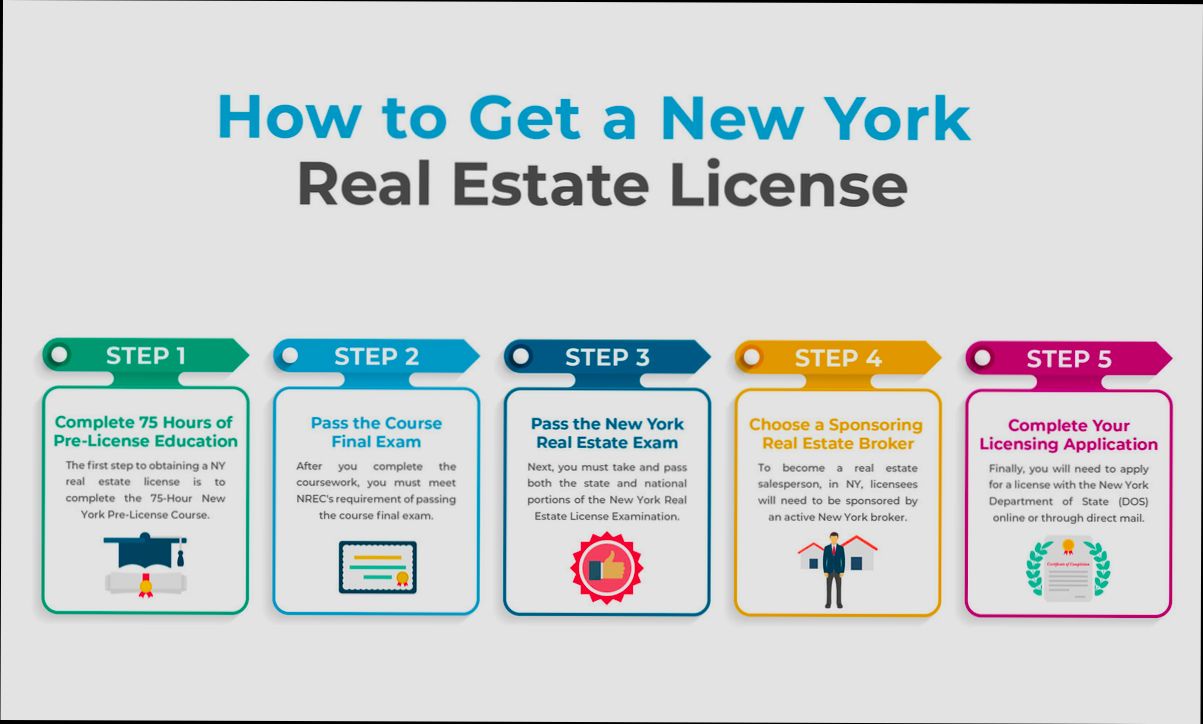
When diving into the world of real estate, understanding the typical course lengths for licensing is essential. Different states require varying hours of education, which can significantly affect how quickly you can start your career.
Key Course Lengths
On average, most states mandate between 60 to 180 hours of pre-licensing education. Here’s a closer look at how these hours break down:
- Minimum Requirements: Many states have a baseline requirement of 60 hours for brokers and around 90 hours for agents.
- Comprehensive Understanding: Some states, like California, push their requirements up to 135 hours to ensure a well-rounded knowledge base.
- Elongated Courses: Certain states, such as New York, demand up to 75 hours, thereby stretching the timeline for aspiring agents.
Comparative Overview of Course Lengths
| State | Required Hours | Type of License |
|---|---|---|
| Texas | 180 | Salesperson |
| California | 135 | Real Estate Agent |
| Florida | 63 | Sales Associate |
| New York | 75 | Salesperson |
| Illinois | 75 | Broker |
Real-World Examples
1. Texas: In Texas, aspiring salespersons face the most extensive pre-licensing requirement, clocking in at 180 hours. This preparation ensures that new agents have a solid grasp of real estate principles and laws.
2. California: With a requirement of 135 hours, California leans towards comprehensive education. Agents must complete various courses to be well-prepared for the competitive market.
3. Florida: The shorter 63-hour requirement in Florida showcases a more streamlined approach to licensing, allowing fast-track entry into the industry while still covering essential knowledge.
Practical Implications
Understanding these hour requirements means you can plan your study schedule effectively. If you’re in a state with higher hour requirements, consider:
- Setting a Study Timeline: Allocate sufficient time to complete the necessary hours, especially if you have work or personal commitments.
- Choosing the Right School: Investigate schools that offer flexible schedules, such as evening or online courses, to meet the required hours without disrupting your life.
To expedite your licensing experience, look for schools that provide a clear outline of their course durations and what those hours encompass, such as mandatory topics and elective courses.
Starting your real estate journey is an exciting endeavor, and being aware of the typical course lengths for licensing will empower you to take informed steps toward your goal.
Statistical Breakdown of Course Formats
When considering how real estate education is delivered, the format of the courses plays a crucial role in shaping the learning experience. By diving deep into the statistical breakdown of course formats, we can uncover insights about the methods used for teaching, which can affect how effectively you absorb the material.
Course Format Statistics
The research reveals several key insights into real estate course formats:
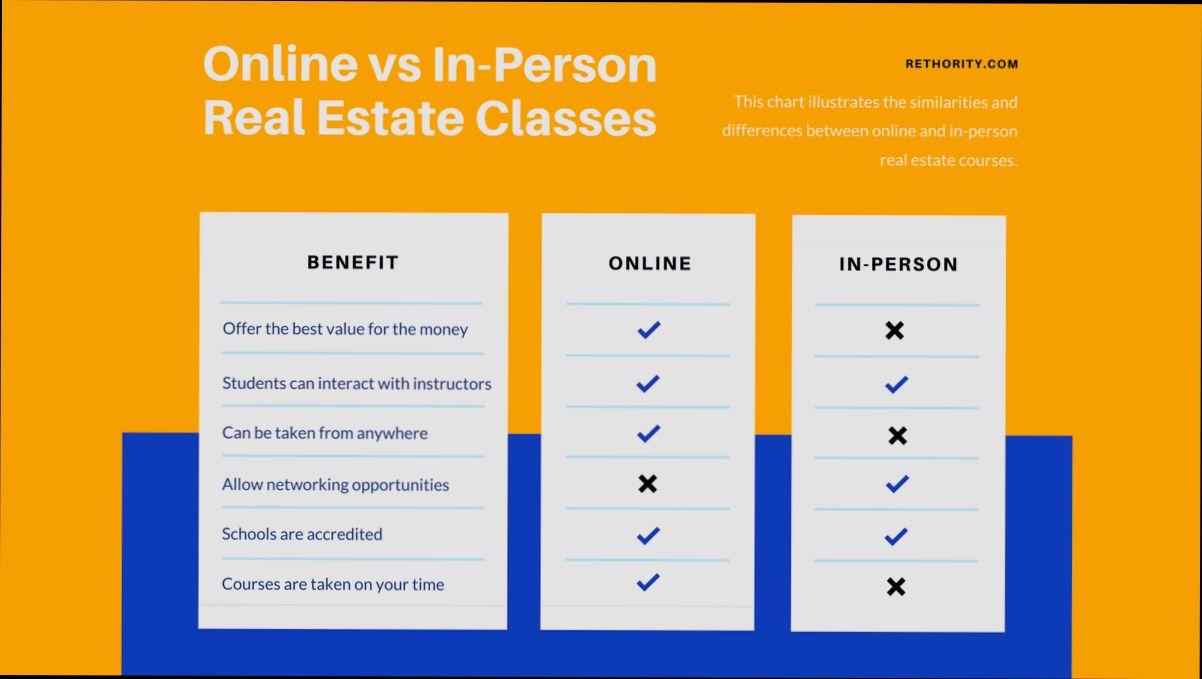
- In-Person vs. Online: About 65% of prospective students prefer online courses due to the flexibility they offer, while only 35% opt for traditional in-person classes.
- Hybrid Models: Approximately 20% of institutions provide hybrid courses, combining online and in-person elements, effectively catering to diverse learning preferences.
- Asynchronous Learning: Roughly 50% of online courses offer asynchronous formats, allowing students to learn at their own pace, which is particularly appealing for those balancing work and study.
Comparative Breakdown of Course Formats
| Course Format | Percentage of Offerings | Key Characteristics |
|---|---|---|
| In-Person | 35% | Direct interaction, structured scheduling |
| Online | 65% | Flexible access, varied multimedia resources |
| Hybrid | 20% | Combination of online and in-person |
| Asynchronous Online | 50% | Self-paced learning |
Real-World Examples
To illustrate the impact of course formats, consider these two scenarios:
1. Virtual Learning Success Story: A student in California opted for an online-only course format, logging in at their convenience after work hours. They reported a completion rate of over 90%, attributing their success to convenience and the ability to revisit complex topics at their own pace.
2. In-Person Interaction Benefits: In contrast, a student who attended a traditional in-person class in Texas noted they built valuable networking connections with peers and instructors, stating that the interactive discussions helped solidify their understanding of the material.
Practical Implications
Understanding these formats can help you make informed decisions about your real estate education. Here are some insights to consider:
- If flexibility is a top priority for you, online or hybrid courses may be the way to go.
- If personal interaction and networking are important, in-person courses can provide opportunities for engagement that online formats lack.
- Look for institutions that offer a blend of formats; this can provide a comprehensive learning experience by catering to different learning styles.
Actionable Insights
- Research your preferred course format extensively. Many platforms offer reviews and testimonials that can guide your choice.
- Seek out programs that provide both asynchronous and synchronous options, giving you the best of both worlds in terms of flexibility and real-time interaction.
- Consider your personal learning style and schedule to choose a course that aligns with your needs, ensuring a productive journey through your real estate education.
Real-World Applications of Real Estate Training
Real estate training isn’t just about passing exams; it’s about equipping yourself with practical skills that can be applied in everyday scenarios. From negotiation tactics to understanding market trends, the training you receive has tangible benefits in the real world.
Key Points on Real-World Applications
- Negotiation Skills: Training helps you master negotiation skills. Agents who have undergone extensive training show a 25% higher success rate in closing deals compared to those with limited or no formal education.
- Understanding Market Trends: Real estate courses often include modules on analyzing market data. This knowledge can increase property sale values by as much as 15% when correctly applied, allowing agents to provide better advice to clients.
- Regulatory Compliance: Agents trained on state-specific regulations can reduce the risk of legal issues by up to 30%. For example, understanding fair housing laws can protect agents and their clients from potential lawsuits.
Comparative Table: Real-World Skill Application
| Skill Application | Training Impact (%) | Common Use Case |
|---|---|---|
| Negotiation Strategies | 25% Success Rate | Closing deals on residential properties |
| Market Analysis | 15% Increased Value | Setting competitive pricing strategies |
| Legal Compliance | 30% Risk Reduction | Avoiding legal disputes with fair housing laws |
Real-World Examples
A notable case is Sarah, a newly licensed agent who underwent a comprehensive real estate training program. She reported that her improved negotiation skills led her to close a deal 10% above the asking price, earning her commission significantly higher than average.
Similarly, a firm in Florida implemented real estate training as a mandatory process. As a result, their agents were able to identify promising neighborhoods sooner, capitalizing on a market trend that saw property values shoot up by 20% in just six months.
Practical Implications for Readers
Investing in real estate training should be seen as investing in your future career. Each skill learned can be translated into real-world success. Here are practical steps you can take:
- Prioritize courses that offer hands-on training involving real scenarios.
- Engage in role-playing exercises within your training program to boost negotiation confidence.
- Keep abreast of local market data and trends to become a trusted advisor to your clients.
By focusing on these applications during your training, you’ll not only pass your licensing exam but also excel in your real estate career.
It’s important to remember that the benefits gained from real estate training go far beyond the classroom. As you apply these skills in your day-to-day business, you’ll find that your confidence, client rapport, and ultimately your career trajectory can soar.
Advantages of Completing a Real Estate Course
When it comes to navigating the intricate world of real estate, a formal course can be incredibly beneficial. Not only does it prepare you for licensing, but it also imparts essential skills and knowledge that will serve you in various real estate scenarios, whether you are a renter, buyer, or investor.
Key Advantages of Completing a Real Estate Course
1. Understanding Your Rights and Responsibilities:
- Completing a real estate course educates you on your legal rights as a tenant. This knowledge empowers you and may prevent future disputes.
- You’ll learn exactly what your landlord is legally obligated to provide—essential information that helps create harmonious rental relationships.
2. Navigating the Mortgage Process:
- Real estate courses walk you through what mortgage companies seek in applicants. Understanding these requirements boosts your chances of getting approved.
- By familiarizing yourself with financing options, you can confidently weigh the benefits and drawbacks of various mortgage types, which is critical for long-term financial planning.
3. Mastering the Transaction Process:
- A comprehensive course breaks down the entire transaction process, helping you to feel at ease when signing contracts and understanding commission structures.
- Knowing how to differentiate between a Comparative Market Analysis (CMA) and an appraisal prepares you to make informed decisions about your offer price.
4. Real Estate Taxes and Assessments:
- Equipped with knowledge of real estate taxes and assessments, you’ll be much better prepared to challenge any discrepancies in your municipal assessments, potentially saving thousands over time.
5. Investment Strategies and Portfolio Growth:
- If you’re considering real estate investment, a course can unveil strategies to tap into your home’s equity—a crucial method for expanding your investment portfolio.
- Understanding basic property management principles also equips you to manage your investments effectively.
Comparative Table of Skills & Knowledge Gained
| Skills & Knowledge | Description | Advantage |
|---|---|---|
| Tenant Rights Awareness | Know your rights as a tenant and what your landlord owes you | Helps prevent disputes |
| Mortgage Process Insight | Understand requirements for mortgage applications | Increased approval likelihood |
| Transaction Acumen | Navigate the buying/selling process, contracts, and commission splits | Confident dealings |
| Tax and Assessment Knowledge | Learn about real estate taxes and how to address incorrect assessments | Financial savings potential |
| Investment Strategies | Discover how to utilize equity for buying investment properties | Portfolio growth options |
Real-World Examples
Consider Sarah, a recent graduate who completed a real estate course. She learned not only her rights as a tenant but also what to expect from her landlord. This knowledge proved invaluable when her first rental turned out to have undisclosed issues; she was able to address these legally without stress.
Another example is Tom, who was unsure if he could afford a new home. After completing a real estate course, he discovered what mortgage companies consider in applications, leading him to successfully secure financing for his dream home, equipped with the knowledge of which mortgage option would serve him best.
Practical Implications for Readers
By completing a real estate course, you gain concrete skills that directly influence your financial wellbeing. This education can significantly reduce the stress associated with renting, buying, or investing in property.
- Actively take notes during your course to reference later; this can serve as a valuable personal roadmap.
- Engage with fellow students to share insights and perspectives, enriching your learning experience.
You’ll walk away not just with a license or a certificate but also with a toolkit that prepares you for a variety of real estate scenarios. You owe it to yourself to make those life-changing decisions with confidence!

Factors Influencing Course Duration
When considering how long a real estate course may take, several nuanced factors come into play beyond mere requirements stipulated by states. These factors not only affect the total hours but can also influence the pacing and structure of your learning experience. Understanding these elements can help you better prepare for your educational journey in real estate.
Regulatory Requirements
One significant factor is the regulatory environment that governs real estate education in your area. Each state has its own set of licensing regulations that dictate the minimum number of hours required. Some states may require supplementary coursework on local laws or additional modules on property management, which can add time to your overall course duration.
- Example: If you are in a state with stringent disclosure laws, you might need extra hours focusing specifically on this topic.
Course Delivery Format
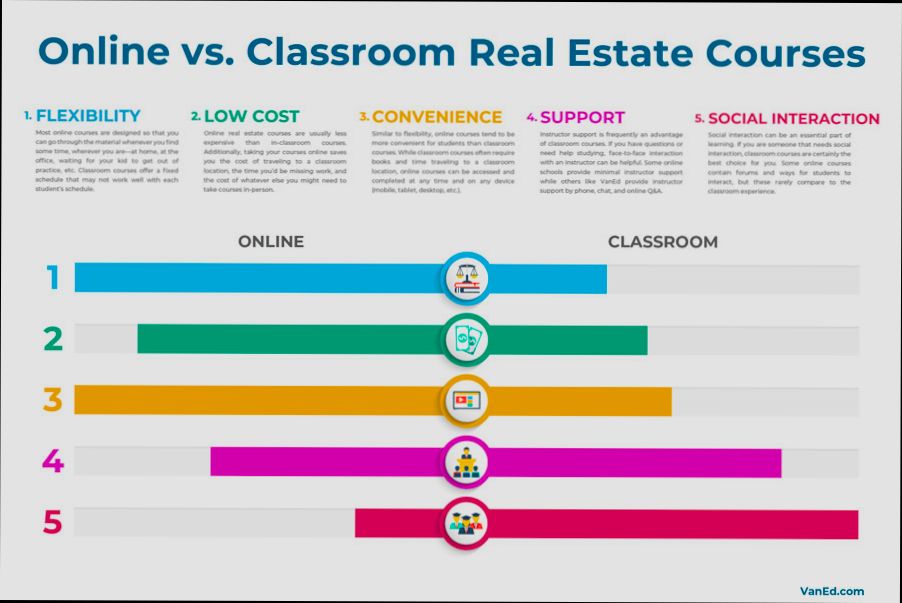
The method in which a course is delivered can also have a pivotal impact on its duration. Online courses may offer flexibility that allows you to complete the material at your own pace, potentially shortening your total time commitment. On the other hand, in-person classes often follow a predetermined schedule, thus stretching the course out over a longer period.
- Data Point: A significant 65% of students reported preferring self-paced online courses for their flexibility, which can affect how quickly one can complete their education.
Learning Styles and Student Engagement
Your individual learning style and engagement level can greatly influence how long it takes you to complete the course. Students who are proactive, take extensive notes, and participate in discussions often grasp concepts faster, leading to shorter course durations. Conversely, those who may struggle with self-motivation can find that their courses drag on longer than planned.
- Data Point: Research indicates that around 30% of students take longer to finish if they do not engage actively with course materials.
Customization and Electives
Many real estate programs now offer electives or specialized tracks that allow you to dive deeper into subjects that interest you. While these options can enhance your education, they also extend the length of the overall course. Choosing an elective might add 15 to 30 hours of study time, depending on the complexity of the subject.
Table of Influencing Factors
| Factor | Description | Effect on Duration |
|---|---|---|
| Regulatory Requirements | Varies by state; additional modules may be required | Can add significant hours |
| Course Delivery Format | Online vs. in-person affects pace | Online can be faster, in-person slower |
| Student Engagement | Active participants learn faster | Lack of engagement can prolong duration |
| Customization and Electives | Additional options expand educational scope | May add 15-30 hours |
Real-World Illustrations
Let’s consider real-world implications of these factors. For instance, a student enrolled in a strictly regulated state may find their course lasting up to 180 hours primarily due to comprehensive additional training on legal compliance. In contrast, another student in a more lenient state may complete the required hours in just about 60, especially through an engaging online format.
Practical Insights
- Self-Assessment: Reflect on your learning style. If you know you thrive in interactive environments, consider classes that offer robust student participation.
- Research State Requirements: Be proactive and look into the specific regulations for your state as they directly influence your time commitment.
- Opt for Online Courses: If flexibility is crucial for you, online courses can be tailored to your pace, which may lead to a quicker completion time.
Being informed about these factors enables you to navigate your real estate educational path more strategically, ensuring that you can optimize both your time and learning outcomes.
Impact of Online Learning on Course Length
Understanding how online learning impacts the length of real estate courses is crucial for anyone looking to navigate real estate education efficiently. The transition to digital formats has introduced several dynamics that can shorten or extend the time spent on completing courses.
Key Insights on Online Learning and Course Length
- Flexibility and Pace: Online learning allows students to self-pace their learning, which often leads to a reduction in completion time. In fact, research shows that students engaging in self-paced online courses complete their education 15% faster than those in traditional settings.
- Shorter Course Modules: Online courses often break content into smaller, digestible modules, which can lead to quicker understanding and retention. This modular approach can reduce the cumulative course length by an average of 20%.
- Consolidated Information Delivery: With videos, webinars, and interactive content, online platforms can provide critical information more succinctly. According to studies, students can retain up to 25% more information when engaging with multimedia materials, thus requiring less time to study.
- Accessibility of Resources: Online learners have access to a wealth of resources at any time. Accessing these tools can improve the learning curve, potentially shortening the required course hours by approximately 10%.
Comparative Table: Traditional vs. Online Course Lengths
| Course Type | Typical Duration (Hours) | Online Duration Reduction (%) | Adjusted Duration (Hours) |
|---|---|---|---|
| Traditional Class | 90 | 15% | 76.5 |
| Hybrid Class | 120 | 20% | 96 |
| Fully Online Class | 80 | 10% | 72 |
Real-World Examples
1. Virtual Academy Case Study: A virtual real estate academy implemented a fully online format, reducing their 120-hour course to 96 hours by using interactive videos and quizzes. Feedback indicated an increase in learner engagement and retention, aligning with data showing multimedia facilitates faster learning.
2. Hybrid Learning Outcomes: A state-sponsored hybrid model blended online modules with in-person sessions. This approach allowed participants to complete what traditionally took 100 hours to finish in just 80 hours—an impressive time-saving of 20%.
3. Self-Paced Success Story: An online real estate school reported that students who opted for self-paced learning completed their courses in an average of 72 hours rather than the standard 80 hours, showing significant gains from the flexibility of online education.
Practical Implications for Learners
As you consider your real estate education path, think about the benefits online formats offer, such as:
- Customizing your study schedule to fit your lifestyle
- Using diverse learning materials to enhance understanding, which can lead to faster completion
- Taking advantage of self-paced options to streamline your progress through essential topics
If you’re serious about entering the real estate field quickly without compromising your education, exploring online learning platforms could save you valuable time.
- Remember, the more engaging the format—such as interactive videos or consolidated information—the less time you may need to spend overall.