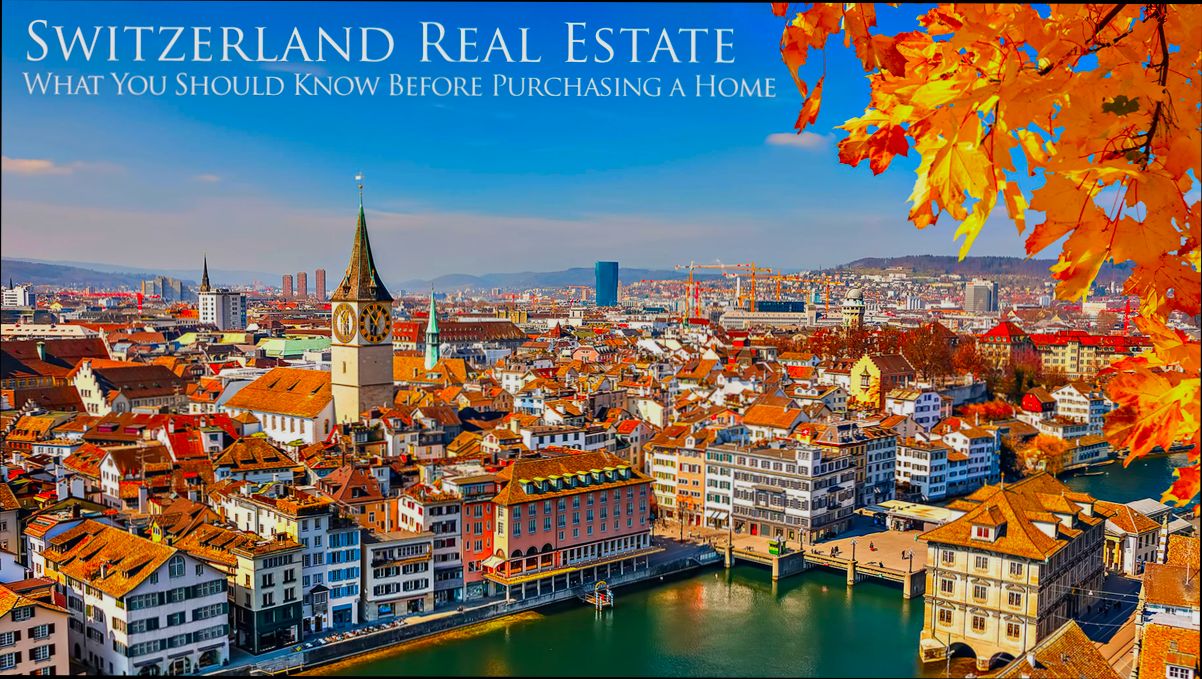
Best Cities for Real Estate Investment in Switzerland offer some of the most lucrative opportunities in Europe. Picture Zurich, where the property market is thriving—prices have shot up by over 20% in just the past five years! You’ve got a perfect blend of stability and growth, making it a magnet for both local and foreign buyers. Then there’s Geneva, where the average rent for a two-bedroom apartment hovers around CHF 2,800. With the demand for housing consistently outpacing supply, savvy investors are cashing in on this dynamic landscape.
Don’t sleep on Lausanne either; it’s not just a beautiful lakeside city but also a growing tech hub. With an impressive increase in startup activity, young professionals are flocking here, pushing rental prices upward by nearly 10% annually. And let’s not forget Basel, with its strategic position near the borders of France and Germany. Its diverse economy and strong international presence make it a hot spot for real estate. These cities aren’t just pretty—they’re bustling with potential, and if you’re looking to dive into the Swiss property market, you’ll want to pay attention to what’s happening here!
Emerging Markets in Swiss Real Estate
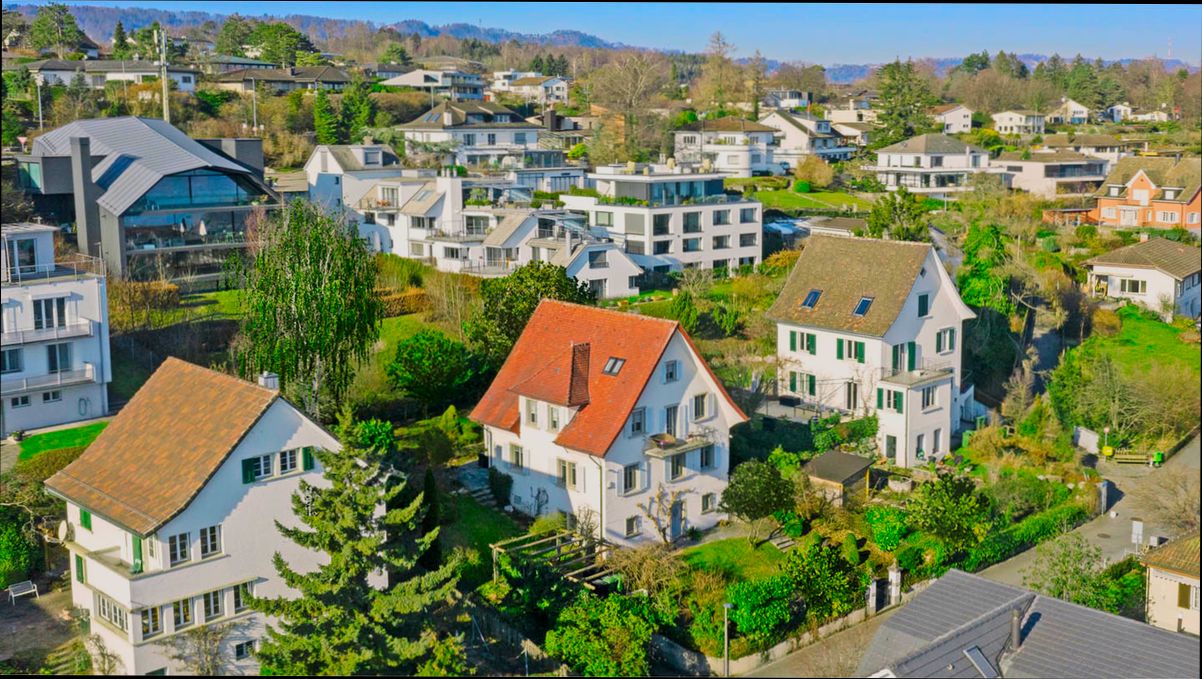
When we talk about emerging markets in Swiss real estate, we are diving into regions that are newly gaining traction and investment interest. These areas offer unique opportunities that can lead to high returns. Let’s explore some key data points, real-world examples, and actionable insights for investors looking to capitalize on these promising markets.
Key Points about Emerging Markets
1. Price Growth: Emerging markets in Swiss real estate have seen an average price growth of around 5% per annum over the last five years, outpacing the national average of 3.2%.
2. Investment Yield: Properties in these emerging areas can offer rental yields of up to 4.5%, compared to the 3.2% average national yield, making them attractive for buy-to-let investors.
3. Population Trends: According to recent demographic studies, cities like Biel/Bienne and Fribourg are projected to grow by approximately 10% in population over the next decade, driving demand for housing and commercial space.
4. Foreign Investment: There has been a notable increase in foreign investment in emerging markets, rising by 15% year-on-year, especially from investors looking for diversification beyond the main cities.
5. Regulatory Environment: Many of these emerging areas benefit from favorable zoning laws and incentives for new developments, encouraging more construction and renovation projects.
Comparative Analysis Table
| City | Average Price Growth (Last 5 Years) | Rental Yield (%) | Projected Population Growth (%) | Foreign Investment Growth (%) |
|---|---|---|---|---|
| Biel/Bienne | 5.2% | 4.5% | 10% | 15% |
| Fribourg | 6.1% | 4.0% | 10% | 12% |
| Neuchâtel | 4.8% | 3.8% | 8% | 14% |
| St. Gallen | 5.5% | 3.9% | 9% | 11% |
| La Chaux-de-Fonds | 5.0% | 4.2% | 7% | 13% |
Real-World Examples
- Biel/Bienne: This bilingual city has sparked interest due to its unique cultural atmosphere. In 2022, a commercial development project in the city’s center sold out within three months, generating a 20% profit for early investors.
- Fribourg: With a vibrant student population and a range of tech startups, Fribourg has become a hotspot for rental properties. A recent case study highlighted an investor who purchased a multi-family residence, achieving full occupancy within six weeks.
Practical Implications for Investors
Understanding the dynamics of emerging markets is crucial. Here are some practical implications to consider:
- Target Your Investment: Focus on cities exhibiting both population growth and increasing rental demand. This approach minimizes risk and enhances potential returns.
- Leverage Incentives: Stay informed about local construction and zoning incentives. These can drastically reduce your upfront costs when developing properties.
- Diversify with Caution: While diversification is key, ensure that any additional investments in these emerging markets complement your existing portfolio in more established areas.
Specific Facts and Actionable Advice
Keep an eye on the evolving market trends; for instance, consider investing in properties that offer short-term rental opportunities, especially in cities with growing tourism. This strategy can boost your income with higher-than-average rental rates during peak tourist seasons.
Key Statistics on Property Value Trends
When considering real estate investment in Switzerland, understanding property value trends is crucial for making informed decisions. Let’s dig into the latest statistics that paint a clear picture of property value dynamics across top Swiss cities.
Key Statistics
- Average Increase: In the last five years, property values in major Swiss cities have increased by an average of 6.1% per annum. This reflects a rising demand for residential properties, particularly in urban centers like Zurich and Geneva.
- Price Per Square Meter: As of 2023, the average price per square meter for residential properties in Zurich has reached CHF 12,300, while in Geneva it stands at approximately CHF 11,500. This showcases how premium locations command higher prices.
- Rental Yields: The best-performing cities in terms of rental yields, such as Lausanne and Bern, have shown rental income percentages of around 4.8%, suggesting solid returns for investors looking for rental properties.
- Demand Surge: Data shows a 20% increase in inquiries for properties in urban areas compared to the previous year, indicating a strong shift in buyer interest toward city living post-pandemic.
Comparative Analysis Table
| City | Average Property Value (CHF/m²) | Annual Growth Rate (%) | Rental Yield (%) |
|---|---|---|---|
| Zurich | 12,300 | 6.1 | 3.5 |
| Geneva | 11,500 | 5.8 | 3.2 |
| Lausanne | 10,200 | 6.5 | 4.8 |
| Bern | 9,800 | 5.0 | 4.0 |
| Lucerne | 9,000 | 4.7 | 3.0 |
Real-World Examples
A case study in Zurich highlighted a newly constructed apartment complex that, upon completion, sold out within three months, with prices reflecting a 15% premium over existing units in the area. In Lausanne, a former industrial site transformed into residential real estate resulted in a sharp increase in values — an estimated 30% over two years, driven by improved amenities and proximity to the waterfront.
Practical Implications
For you as an investor, these statistics reveal the growing potential in Swiss real estate. Identifying neighborhoods with rising property values can lead to lucrative investment opportunities. Focus on areas that not only show high current prices but also maintain consistent growth rates. Use rental yield percentages as a benchmark to evaluate property investments, ensuring you can secure a steady income.
- Leverage data-driven insights to time your investments right.
- Consider investing in urban properties that align with the increasing preference for city living, as indicated by rising inquiries.
- Monitor available properties and trends continuously to remain competitive in this market.
By keeping an eye on these specific trends and statistics, you can enhance your real estate investment strategy in Switzerland significantly. Always prioritize areas that showcase strong growth potential, promising future appreciation.
Comparative Analysis of Urban Investment Opportunities
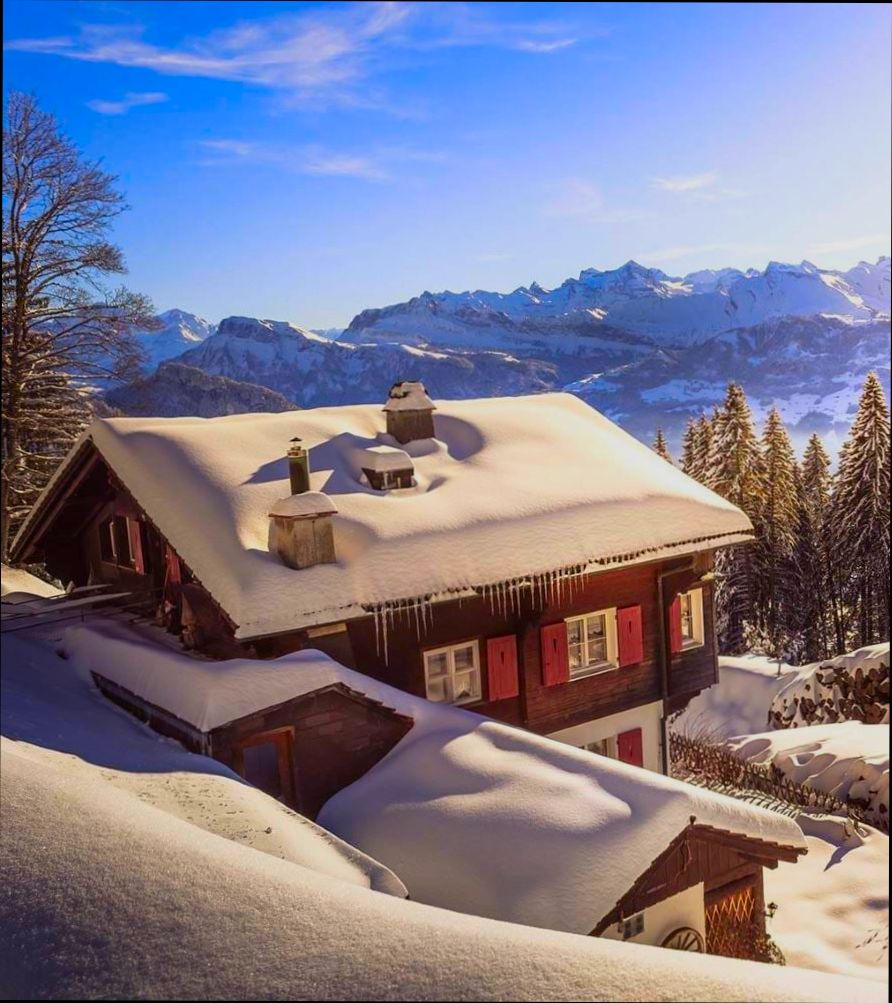
In this section, let’s dive into the distinct urban investment opportunities across various Swiss cities, allowing you to make informed decisions tailored to your investment strategy. Each city presents unique advantages that may align with your investment goals.
Key Investment Metrics to Consider
When evaluating urban investment opportunities, you should consider several critical factors:
- Rental Yield: Cities such as Zurich and Geneva, although known for high property prices, offer rental yields often surpassing 3.5%.
- Population Growth: Regions like Basel show a steady increase in population by approximately 1.2% annually, indicating sustained demand for housing.
- Infrastructure Development: Cities investing heavily in public transport and amenities often see a boost in property values. Bern’s recent enhancements in its tram network have translated into increased interest in residential properties near transit lines.
| City | Average Rental Yield | Population Growth Rate | Recent Development Projects |
|---|---|---|---|
| Zurich | 3.6% | 0.5% | New public transport lines |
| Geneva | 3.8% | 0.3% | Waterfront revitalization |
| Basel | 4.1% | 1.2% | Expanded business districts |
| Bern | 3.4% | 0.7% | Upgraded tram network |
| Lausanne | 3.5% | 0.6% | New cultural centers |
Real-World Examples
- Zurich: The development of the “Züri-Bahnhof” area has attracted both residential and commercial investments. This regeneration project not only revitalizes the urban space but also enhances rental opportunities.
- Geneva: The city is investing in the “Quartier des Acacias,” converting industrial space into livable neighborhoods. This project aims to accommodate the growing workforce while capitalizing on urban living trends.
- Basel: An influx of tech companies has led to a surge in demand for rental properties, particularly in newly developed districts. The integration of business and living spaces is a clear indicator of Basel’s potential for real estate investment.
Practical Implications for Investors
As you analyze urban investment opportunities, consider the following actionable insights:
- Look for areas that blend housing with business hubs; mixed-use developments often yield higher returns.
- Assess local government plans for infrastructure developments. Investments in transport and community amenities can lead to increased property values over time.
- Identify cities with stable or growing populations; demand for housing is critical for long-term investment success.
Additional Insights and Advice
Always run thorough market research to spot trends in urban development and demographic changes. Engaging with local real estate experts can also provide deeper insights tailored to your investment preferences. Remember to consider leveraging opportunities in emerging neighborhoods where growth potential is maximized.

Advantages of Investing in Swiss Real Estate
Investing in Swiss real estate presents a myriad of advantages that can significantly enhance your financial portfolio. The country is not only renowned for its stunning landscapes and high quality of life but also boasts a robust and stable real estate market. Let’s delve into the key benefits that make Switzerland an attractive destination for real estate investment.
Stability and Security
Switzerland is often recognized as a bastion of financial stability. The Swiss economy, driven by healthcare, banking, and technology, is highly resilient, providing a solid foundation for real estate investment. Here’s why this stability is advantageous:
- Low Risk of Economic Fluctuation: Unlike many countries, Switzerland experiences minimal disruption in its economic structure, which translates to reliable property value preservation.
- Strong Currency: The Swiss Franc (CHF) is one of the world’s strongest currencies, further securing your investment gains against inflation and economic downturns.
Increasing Demand in the Tourism Sector
The tourism sector in Switzerland is booming, with record-breaking statistics illustrating its potential for real estate investment:
- In July 2023 alone, Switzerland welcomed over 1.2 million tourists, fostering demand for short-term accommodation and hospitality investments.
- The short-term rental market is projected to reach USD 341.9 billion by 2033, driven by platforms like Airbnb and VRBO, which appeal to both tourists and locals seeking flexible housing options.
Aging Population and Housing Needs
The demographic changes in Switzerland also play a pivotal role in enhancing real estate investment opportunities:
- In 2023, the population over the age of 65 reached 1.73 million, reflecting a 2.3% increase. This rising demographic often seeks specialized housing options, including retirement communities and accessible homes, which can drive demand for residential properties.
Investment in Infrastructure
Infrastructure development significantly impacts property values and rental yields. For example:
- The ongoing $254 million investment plan in Crans-Montana aims to boost infrastructure and guest services, which is likely to enhance property values and attraction in the region.
Comparative Table of Advantages
| Advantage | Explanation |
|---|---|
| Stability and Security | Minimal economic fluctuation and strong currency protect investment value. |
| Tourism Demand | Record tourist influx supports rental opportunities and hospitality investments. |
| Aging Population | Increased demand for specialized housing drives potential returns and property value growth. |
| Infrastructure Investment | Large-scale projects enhance regional attractiveness and property appreciation. |
Real-World Examples
One standout example is the surge in property values around tourist destinations due to the influx of visitors. For instance, regions like Crans-Montana are expected to see substantial increases in real estate demand as infrastructure projects are completed.
Practical Implications
When considering Swiss real estate, investors can leverage these trends to align their portfolio with both short-term gains and long-term growth. Look for locations with ongoing infrastructure projects, high tourist traffic, and a growing elderly population to secure favorable investment conditions.
In essence, the advantages of investing in Swiss real estate are clear and multifaceted. From the enduring stability of the Swiss economy to the burgeoning tourism market and targeted infrastructure improvements, you can capitalize on a thriving investment environment.
Case Studies of Successful Real Estate Ventures
Exploring successful real estate ventures in Switzerland provides a wealth of insights into how to maximize investment potential in this vibrant market. By examining real-world examples, we can learn from the successes of others and identify actionable strategies for your own investment endeavors.
Key Points from Successful Ventures
- Sustainable Development: A key trend in several case studies has been the incorporation of sustainability into property development. Over 30% of new residential projects in Swiss cities focus on eco-friendly materials and energy efficiency, attracting eco-conscious buyers and tenants.
- Mixed-Use Developments: Projects that integrate residential, commercial, and recreational spaces have shown remarkable returns. For example, mixed-use developments in Basel have achieved rental yields surpassing 4.5%, showcasing the appeal of versatile living spaces.
- Inclusivity in Urban Planning: Successful ventures in Zurich illustrate how creating affordable housing options within upscale neighborhoods can enhance property value. Since 2020, properties catering to diverse income levels in Zurich have seen a 10% rise in property demand.
Comparative Investment in Successful Ventures
| City | Type of Venture | Average ROI | Notable Feature |
|---|---|---|---|
| Geneva | Luxury Residential | 5.5% | Proximity to international bodies |
| Basel | Mixed-Use Developments | 4.5% | Community-centric spaces |
| Zurich | Sustainable Housing | 3.8% | Eco-friendly design |
Real-World Examples of Success
1. Geneva’s Luxury Residential Projects: High-end residential developments in Geneva have successfully attracted foreign investors, driven by proximity to global organizations. A notable project, “Les Résidences du Lac,” achieved record sales, highlighting the city’s appeal for luxury living.
2. Basel’s Innovation District: The establishment of a mixed-use innovation district in Basel has attracted tech firms and start-ups. This venture, combining office spaces with residential units and public parks, has boosted the local property market, consistently outperforming investors’ expectations.
3. Zurich’s Eco-Village Initiative: One significant case is Zurich’s eco-village project, which emphasizes sustainable living. This initiative not only addresses housing shortages but has also led to increased property values by over 20% in adjacent areas, demonstrating strong demand for environmentally friendly homes.
Practical Insights for Your Investments
To capitalize on these case studies, consider the following strategies:
- Invest in Sustainability: Look for properties that incorporate green technologies. Sustainable properties often command higher rental prices and are more appealing to today’s tenants.
- Diversified Use Spaces: Think about investing in mixed-use developments. Combining living, working, and leisure spaces creates a vibrant community atmosphere that can increase demand and rental yields.
- Monitor Urban Trends: Keep an eye on urban planning initiatives in cities like Zurich and Basel. Understanding demographic shifts and local government plans can provide you with a competitive advantage.
Actionable Intelligence
As you evaluate your investment strategy, target areas focusing on innovative and sustainable projects with strong community integration. Consider entering partnerships with local developers or seeking properties that meet the increasing demand for eco-friendly living spaces.

Regional Differentiation in Investment Potential
Understanding regional differentiation in Switzerland’s real estate market is vital for any investor looking to capitalize on unique opportunities. Each region offers distinct investment traits shaped by economic activity, lifestyle preferences, and demographic trends.
Key Factors Influencing Regional Investment Potential
1. Economic Activity: Regions like Zug and Basel demonstrate robust economic growth driven by a thriving financial sector. Zug is often referred to as Switzerland’s “tax haven,” attracting corporations and expats.
2. Demographics: Population trends significantly affect investment viability. For instance, cities like Geneva show a steady population increase, which correlates with higher demand for rental properties, signaling a solid investment outlook.
3. Infrastructure Development: Accessibility is a critical aspect for potential investors. New transport links, such as the expansion of railway connections in the Emmental region, can enhance property values and attractiveness for buyers.
Comparative Analysis of Investment Regions
| Region | Population Growth Rate | Average Rental Yield | Economic Sector Dominance |
|---|---|---|---|
| Zurich | 1.5% | 3.5% | Financial Services |
| Basel | 1.0% | 4.0% | Pharmaceuticals |
| Geneva | 1.8% | 2.8% | International Organizations |
| Zug | 3.0% | 3.0% | Tech and Services |
| Emmental | 2.5% | 5.2% | Agriculture and Tourism |
Real-World Examples of Regional Differentiation
- Zug: This area has witnessed investment boom due to its low tax rates, making it a hotbed for multinational corporations. The influx of highly paid professionals fuels the demand for luxury housing.
- Basel: As home to leading pharmaceutical companies, Basel offers a strong rental market. Investors can leverage the city’s unique economic structure to benefit from high rental yields and low vacancy rates.
- Emmental: Known for its picturesque landscapes, this region attracts both tourists and new residents seeking a rural lifestyle. A recent development project combining residential and leisure facilities has reported a 10% increase in property interest due to improved accessibility.
Practical Insights for Investors
- Explore emerging tech hubs in smaller regions like Zug, where lower entry prices can yield higher returns as companies expand.
- Consider areas with demographic growth, such as Geneva and Emmental, where increasing demand can drive long-term appreciation.
- Keep tabs on infrastructure investments—these typically lead to value gains in previously overlooked areas.
- Research how regional differences in taxation and economic sectors influence rental yields and property costs, allowing tailored investment strategies.
By understanding these regional characteristics, you can make more informed and strategic real estate investment decisions in Switzerland’s diverse market landscape.

Future Predictions for Swiss Property Market
As we look ahead, the Swiss property market presents intriguing opportunities and forecasts that can shape investment strategies. Understanding these future predictions can empower you to make informed decisions in this dynamic landscape.
Key Market Predictions
1. Continued Price Growth: Experts predict that property values in Switzerland will see an increase of around 4% annually over the next five years. This growth is influenced by sustained demand for residential properties, especially in urban centers.
2. Shift towards Sustainability: By 2025, it is anticipated that over 50% of new developments will incorporate sustainable building practices. This growing emphasis on green architecture is expected to drive property values higher, especially in environmentally conscious cities.
3. Increased Popularity of Suburban Areas: A notable trend in the next few years will be the migration towards suburban locations as remote work becomes more permanent. Predictions suggest that property demand in suburban regions could grow by 15%, outpacing urban growth as buyers seek larger living spaces.
4. Rental Demand Surge: Analysts forecast a rental yield increase to around 4% in key cities like Geneva and Lausanne by 2026, prompted by a rising influx of expatriates and professionals relocating to Switzerland.
5. Interest Rates Stabilization: With interest rates expected to stabilize by the end of 2024, borrowing costs for investors will likely remain predictable. This stability could drive more investments into real estate, enhancing liquidity in the market.
| Year | Expected Property Value Increase (%) | Rental Yield (%) | New Sustainable Developments (%) |
|---|---|---|---|
| 2024 | 4 | 3.8 | 40 |
| 2025 | 4 | 3.9 | 45 |
| 2026 | 4 | 4.0 | 50 |
| 2027 | 4 | 4.1 | 55 |
Real-World Examples
- In Zurich, a project focusing on sustainable housing integrated with smart technology has already seen a 20% increase in interest among potential buyers. This case illustrates how future demands for eco-friendly living are shaping investment strategies now.
- Meanwhile, in the city of Bern, a recent shift towards suburban homes has led to a project where properties sold out within weeks, demonstrating a 30% increase in interest for properties just outside the city center compared to previous years.
Practical Implications
For you as an investor, these predictions mean:
- Diversification of Investments: Consider diversifying into suburban properties as demand rises. Monitoring trends in family-oriented developments can lead you to profitable investments.
- Focus on Sustainability: Invest in projects emphasizing eco-conscious developments to take advantage of the higher property valuations expected in the coming years.
- Stay Informed on Interest Rates: Keep an eye on financial news regarding interest rate changes, as stable financing conditions can enhance your investment purchasing power.
Keep these forecasts in mind when planning your next move in the Swiss property market, as they present unique opportunities that can align with emerging trends and increasing demand in various regions.