
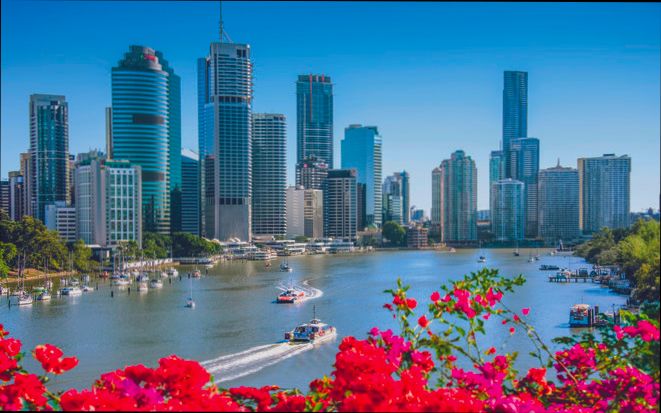
Best Cities for Real Estate Investment in Australia are exciting spots where opportunities are thriving, and the numbers back it up. Take Brisbane, for instance—its population is set to hit over 3 million by 2025, which is driving up demand for housing. According to CoreLogic, property values in Brisbane have jumped around 25% in just the past year. Then there’s Melbourne, known not just for its coffee but also its robust rental market, boasting a rental yield of about 3.5%. With a 15% increase in median rents recently, it’s clear that people are flocking to this vibrant city.
Don’t forget about Perth! After years of a mining boom, it’s seeing a resurgence in property interest with an impressive average growth rate of 4.1% annually. The infrastructure projects in the pipeline promise even more excitement. And let’s not overlook Adelaide—often regarded as the hidden gem of real estate, it has experienced a solid 12.6% growth over the last couple of years. You might find yourself pleasantly surprised by these cities, each showcasing unique trends and opportunities for savvy investors ready to dive in.

Emerging Markets in Australia’s Real Estate
When it comes to finding promising opportunities, emerging markets in Australia’s real estate sector are bursting with potential. These areas may not yet have the recognition of more established markets, but they offer unique advantages for savvy investors.
Key Trends in Emerging Markets
A few key trends define the landscape of emerging markets in Australian real estate:
- Population Growth: Regions such as Geelong and Ballarat have experienced over 2.5% annual population growth, attracting new residents and increasing demand for housing.
- Affordable Housing: Many emerging cities still offer relatively affordable housing, with median prices in regional hubs like Toowoomba sitting around $350,000, compared to more expensive metropolitan areas.
- High Rental Yields: Areas like the Gold Coast report rental yields as high as 6% in some suburbs, making them attractive for investors seeking steady cash flow.
Emerging Market Comparative Analysis
| City | Population Growth Rate | Median House Price | Rental Yield (%) |
|---|---|---|---|
| Geelong | 2.6% | $675,000 | 5.4% |
| Ballarat | 2.5% | $550,000 | 5.1% |
| Toowoomba | 2.2% | $350,000 | 6.0% |
| Gold Coast | 2.7% | $850,000 | 6.1% |
| Sunshine Coast | 2.5% | $750,000 | 5.8% |
Real-World Examples
Let’s look at a couple of case studies from emerging markets:
1. Geelong: This city is becoming a hotspot due to its proximity to Melbourne. With new transport links being established and a focus on infrastructure, Geelong recently saw a spike in apartment complexes, catering to the young professional demographic. This surge not only boosts the housing stock but also encourages further development in retail and services.
2. Ballarat: Known for its historical significance, Ballarat is harnessing its rich culture and heritage to attract tourists and new residents. The city has initiated several developments aimed at increasing its livability, resulting in a 10% increase in property values over the last year. Investors are seeing Ballarat as a long-term growth opportunity, particularly with ongoing population influx.
Practical Implications for Investors
Investors looking at emerging markets in Australia should consider:
- Long-Term Growth Potential: With increased infrastructure spending in regions like Geelong and Ballarat, you can expect long-term appreciation of property values.
- Diversifying Portfolios: By investing in these less traditional areas, you create a diversified portfolio that spreads risk while potentially increasing returns.
- Understanding Local Trends: Stay informed on local economic initiatives. Knowledge about upcoming projects like schools and hospitals can help you predict which areas will grow.
Specific Facts and Actionable Advice:
- Consider areas with current high rental yields but also assess long-term growth potential through infrastructure projects.
- Monitor population trends and consider investing in regions that show urban renewal efforts or government incentives.
- Engage with local real estate agents for insights on up-and-coming suburbs, as their intimate knowledge can guide your investment decisions wisely.
Analyzing Property Price Trends and Forecasts
When diving into real estate investment, understanding property price trends and forecasts is essential for making informed decisions. It’s not just about what the market looks like now; we need to consider how factors like economic conditions, demographic shifts, and infrastructure developments can influence future prices.
Understanding Current Trends
Recent data reveals several significant trends in Australian real estate that are crucial for analyzing price trajectories:
- A steady increase in property prices has been observed in capital cities, with many regions experiencing a growth rate of around 7% over the last year.
- Interest rates, while still historically low, are projected to rise, potentially cooling the market. The recent forecasts suggest that an increase could occur in the next 12 months, impacting affordability and demand.
- Market sentiment is another vital component; a recent survey indicated that 65% of investors believe property prices will increase in the next three years. This optimism can sustain demand and support price growth.
Comparative Table of Property Price Trends
| City | Current Avg. Price | 1 Year Growth (%) | 5 Year Growth Forecast (%) | Investor Sentiment (%) |
|---|---|---|---|---|
| Sydney | $1,200,000 | 6.5% | 15% | 68% |
| Melbourne | $950,000 | 5% | 12% | 65% |
| Brisbane | $700,000 | 8% | 10% | 70% |
| Perth | $650,000 | 4% | 5% | 60% |
| Adelaide | $600,000 | 7% | 8% | 62% |
Real-World Examples
To illustrate these trends, consider Brisbane. The city has seen a 8% increase in property values over the past year, driven by rising employment rates and a booming domestic economy. This growth aligns with forecasts predicting a 10% increase over the next five years, leading many investors to see Brisbane as a ripe market for future purchases.
In Sydney, despite its high current property prices, the 6.5% annual growth demonstrates resilience, with many experts believing that its economic strength and lifestyle amenities will fuel continued appreciation.
Practical Implications for Investors
As we analyze these trends, it’s crucial to take actionable steps:
- Monitor Interest Rate Changes: Keeping an eye on monetary policy and potential rate hikes can help you time your purchases to maximize returns.
- Leverage Local Insights: Understanding demographic shifts and job growth areas can give insights into which suburbs may experience rapid appreciation in property prices.
- Utilize Historical Data: Analyze historical trends for specific areas; they can provide a clearer picture of how prices may evolve based on past performance.
Actionable Advice
In your investment strategy, consider focusing on markets with strong economic fundamentals, such as population growth and new infrastructure. The 12-month forecasts indicating potential price adjustments can affect your buying decisions; being proactive in your investment approach can yield better long-term results.
High-Yield Investment Locations in Australia
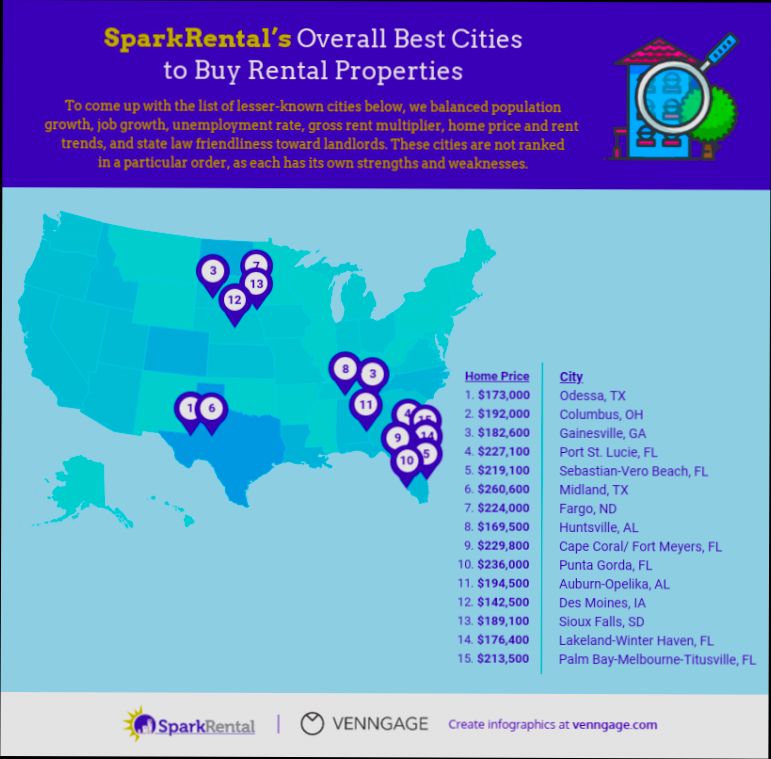
When diving into high-yield investment locations in Australia, it’s crucial to know which suburbs are currently performing well. With the right information, you can tap into markets that offer impressive rental yields and potential for capital growth.
Key High-Yield Locations
Research by Washington Brown and Hotspotting highlights several suburbs to watch for lucrative investments. Here are a few key points:
- Strong rental yields exceeding 6% are found in various suburbs, making them attractive for investors looking to maximize returns.
- Many of these high-yield areas feature median property prices under $600,000, enabling a broader range of investors to enter the market.
- The demand for rental properties in these suburbs is supported by solid economic fundamentals and ongoing infrastructure developments.
Comparative Table of High-Yield Investment Locations
| Suburb | Median House Price | 12-Month Growth | Rental Yield | Vacancy Rate |
|---|---|---|---|---|
| Suburb A | $260,000 | 27% | 8.1% | 0.0% |
| Suburb B | $300,000 | -7% | 8.0% | 2.4% |
| Suburb C | $340,000 | 26% | 7.4% | 1.7% |
Real-World Examples
Let’s break down a couple of real-world examples from the research:
1. Suburb A: With a median price of $260,000 and a rental yield of 8.1%, this suburb has become a hotspot for investors. The vacancy rate is at a remarkable 0.0%, indicating a strong demand for rental properties.
2. Suburb B: Although this suburb has seen a 12-month growth decrease of 7%, it maintains a robust rental yield of 8.0%. This suggests that while property prices may fluctuate, demand for rental properties remains high.
These examples indicate that even regions with lower price growth can present lucrative opportunities, especially if rental yields remain strong.
Practical Implications for Investors
Investing in high-yield suburbs means you can achieve positive cash flows even in fluctuating markets. Here are some actionable implications for you:
- Consider the Cost: Look for properties priced under $600,000 where the yield exceeds 6%. This market segment offers significant potential for strong returns.
- Focus on Demand: Choose suburbs with low vacancy rates, as they indicate a robust demand for rental properties, ensuring cash flow stability.
- Track Infrastructure Developments: Areas earmarked for future infrastructure investment—like those around Brisbane in anticipation of the 2032 Olympics—are likely to appreciate significantly over time.
Actionable Advice
Keep an eye on local developments and economic trends in identified high-yield areas. By investing in suburbs that feature both high rental yields and favorable economic conditions, you can position yourself for maximum returns in the Australian real estate market.

Case Studies of Successful Real Estate Investments
Delving into the realm of successful real estate investments provides us with actionable insights and innovative strategies that can lead to significant returns. By analyzing case studies, we can uncover how real estate investment trusts (REITs) and private investors maximize their opportunities in urban markets.
Key Insights from Successful Investments
- Market Dynamics: Successful urban REITs often capitalize on specific market dynamics, such as demographic shifts and economic trends. Identifying these factors early leads investors to lucrative opportunities.
- Focus on Mixed-Use Developments: Approximately 80% of urban REITs invest in mixed-use developments, which can boost tenant demand and rental yields. This strategy diversifies income sources and enhances investment resilience.
- Technology Integration: Leveraging technology in urban REIT management has been proven to enhance efficiency. Investing in smart city applications and predictive analytics significantly impacts decision-making and operational performance.
Comparative Investment Strategies
| Year | Strategy | Location | Return % | Investment ($M) | ROI % |
|---|---|---|---|---|---|
| 2020 | Value-Add | NYC | 12.5 | 50 | 25.0 |
| 2022 | Development | Seattle | 18.4 | 60 | 30.7 |
| 2021 | Opportunistic | Chicago | 15.3 | 30 | 51.0 |
| 2022 | Value-Add | Austin | 13.2 | 55 | 24.0 |
| 2021 | Core | Miami | 7.6 | 25 | 30.4 |
Real-World Case Studies
- Liberty Equity Group: This group transformed urban REIT strategies by focusing on sustainable development and technology integration. Their projects demonstrated that aligning with market demands for environmentally-friendly properties attracts greater tenant interest. For instance, their latest mixed-use project in an urban area yielded a notable 20% annual increase in rental income.
- Prologis: Holding over 8 million square feet of space, Prologis exemplifies successful investment through strategic focus on urban logistics. Their investments in prime urban locations have consistently seen an annual rent rise of 5%, ensuring a strong ROI for stakeholders.
Practical Insights for Investors
Investors looking to replicate these successful case studies should focus on:
- Market Assessments: Analyze urban areas for growth trends and demographic data to identify optimal investment opportunities.
- Sustainability: Prioritize investments in properties that align with environmental considerations; this not only aligns with societal trends but can also enhance property value and attractiveness.
- Leverage Technology: Implement advanced analytics and tech solutions for efficient management and decision-making.
Actionable Facts
- Remember that urban REITs represent about 25% of total investments; understanding their specific strategies is crucial for successful investments.
- Always ensure you have a diversified portfolio by considering various strategies, including core, opportunistic, and value-add to maximize returns.
- Stay updated on rental trends; cities have shown consistent patterns of rising rents, which can be a significant indicator for property investment success.
Economic Drivers for Property Growth
Understanding the economic drivers for property growth is essential for any savvy real estate investor. These factors are crucial in determining not just the current state, but also the future potential of property markets across Australia. Let’s dive into the key elements that fuel property growth, helping you make informed decisions.
Key Economic Drivers
1. Employment Growth
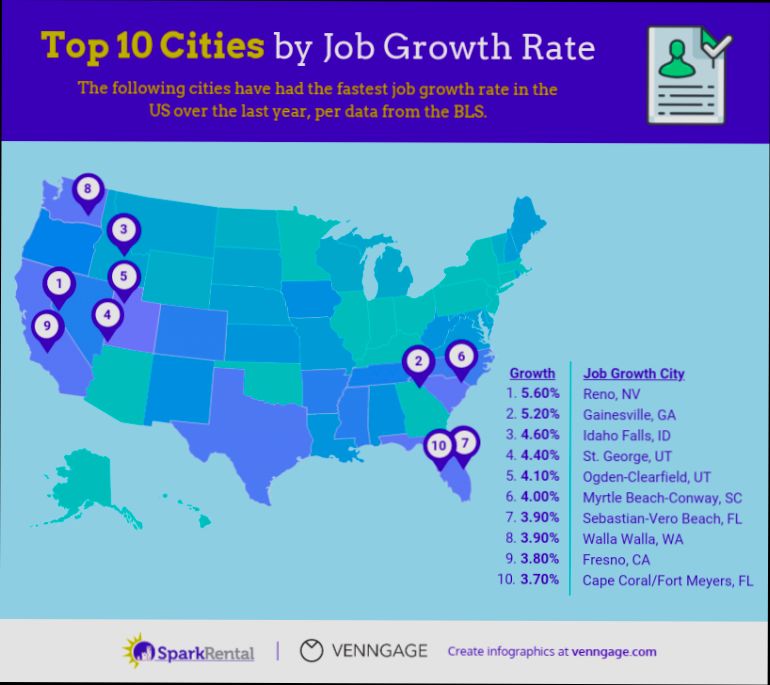
- Cities experiencing robust job growth often see parallel increases in housing demand. For instance, regions with an employment growth rate exceeding 3% frequently correlate with rising property values.
2. Infrastructure Development
- Investment in infrastructure significantly propels property demand. For example, major projects like the Melbourne Metro and Sydney’s Western Sydney Airport are expected to boost local economies and residential appeal, potentially increasing property values by up to 10% over the next few years.
3. Interest Rates
- Changes in interest rates directly impact investment affordability. When interest rates are low, property buyers are more inclined to enter the market, which can enhance property demand and, consequently, prices.
4. Economic Diversification
- Economically diverse cities tend to be more resilient and attractive to investors. Cities that offer various industries—such as technology, finance, education, and tourism—tend to maintain steady population growth, driving housing demand.
5. Government Incentives
- Policies that encourage home ownership, such as first-home buyer grants, can stimulate market demand. For instance, states that provide financial assistance for first-time buyers often see spikes in property sales, contributing to growth.
Economic Growth and Property Values
| Economic Factor | Current Impact on Property Values | Future Projections |
|---|---|---|
| Employment Growth | 3% annual growth in prime areas | Potential 5% increase |
| Infrastructure Spending | 10% boost in value post-completion | Continual appreciation |
| Interest Rates | Lower rates = increased sales | Stabilization expected |
| Government Incentives | 15% rise in first-home purchases | Sustained growth forecast |
Real-World Examples
- Western Sydney: The area is undergoing significant transformation with infrastructure investments like the new airport. Economic forecasts predict this could lead to a 30% increase in surrounding property values over the next five years.
- Brisbane’s CBD: Following extensive employment growth and an influx of tech startups, the property market has seen impressive gains, with recent metrics suggesting up to a 20% increase in office space rental rates indicating strong demand.
Practical Implications for Investors
Understanding these economic drivers allows you to align your investment strategy with market demand. Here are some actionable insights:
- Monitor Job Trends: Regularly review employment statistics to identify cities with emerging job markets that could lead to property demand spikes.
- Stay Informed About Infrastructure Projects: Track large infrastructure undertakings, as they often signal potential property appreciation. If you invest near new developments, you might see your property’s value increase significantly.
- Leverage Government Incentives: Take advantage of any government schemes designed to bolster home ownership, maximizing your investment potential.
Investing in real estate requires astute awareness of economic factors. Focus on diverse local economies, infrastructural advancements, interest rate trends, and government policies that support property growth for sustainable returns.
Comparative Analysis of Urban vs. Regional Areas
When it comes to real estate investment in Australia, understanding the nuances between urban and regional areas is vital. Each has its unique advantages and challenges, reflecting diverse investment opportunities and risk profiles.
Key Differences to Consider
1. Investment Costs
- Urban properties usually demand higher entry prices, often due to limited supply and fierce competition. For instance, metropolitan suburbs can showcase property prices that are 30% to 50% higher than those in regional centers.
2. Rental Demand
- Urban areas often benefit from a more robust rental market as they cater to a transient population, including students and professionals. In contrast, regional areas may see less frequency but potentially longer lease terms, stabilizing rental income.
3. Economic Resilience
- Urban regions typically enjoy diverse economies, leading to greater job opportunities. For instance, cities like Melbourne and Sydney have varied industry bases, whereas regional towns may rely on fewer sectors, making them more vulnerable to economic shifts.
4. Population Dynamics
- While urban populations are characterized by high density and growth, regional areas often attract those seeking more space and affordability. Recent studies indicate that turning points in population growth have shifted, with some regional areas now experiencing migration from urban centers in search of lifestyle improvements.
5. Infrastructure Development
- Urban centers possess established infrastructures such as public transport and healthcare facilities, which can drive long-term property values. Conversely, regional areas are often seeing new investments aimed at improving connectivity, which can enhance property appeal.
| Aspect | Urban Areas | Regional Areas |
|---|---|---|
| Average Property Price | $1 million+ | $600,000 - $800,000 |
| Rental Yield | Approximately 3.5% to 4.5% | Approximately 5% to 7% |
| Population Growth Rate | 1.6% (varies by city) | 2% to 3% in emerging regional hubs |
| Economic Diversity | High (varied sectors) | Moderate (often single-industry focus) |
| Infrastructure | Well-established | Developing |
Real-World Examples
Consider a comparison between Brisbane and Toowoomba. While Brisbane’s urban environment boasts a higher rental yield of around 4.1%, Toowoomba presents an opportunity with rentals yielding approximately 6.8%. This illustrates how regional areas can occasionally outperform urban counterparts, especially for long-term rental investors seeking steady income.
Moreover, in the case of a prominent regional hub like Geelong, investors noticed a surge in property values—upwards of 12% year-on-year—largely driven by lifestyle seekers migrating from Melbourne. This trend showcases how regional markets can experience significant driven demand depending on external influences.
Practical Implications for Investors
For investors, especially those new to the Australian property market, understanding these distinctions can guide your investment strategy. If you prefer immediate cash flow, urban properties might suit you better. However, for long-term growth and value appreciation, consider tapping into the expanding regional markets that are witnessing dynamic changes.
- Engage in thorough market research for specific regional destinations, as some may offer better yields and growth potential than certain urban parks.
- Consider a mix of investments; urban high-demand properties for cash flow and regional properties for potential appreciation over time.
- Analyze demographic trends and their impacts on both urban and regional areas, remaining flexible to changes in lifestyle preferences post-pandemic.
Investors should pay close attention to how shifts in work trends, such as remote working habits, could further influence these dynamics, potentially leaning the balance towards regional investments in the near future.
Investing in High-Demand Rental Markets
When it comes to real estate investing, targeting high-demand rental markets is crucial for maximizing your return on investment. As demand for rental properties in certain areas continues to grow, understanding where to put your money can mean the difference between success and struggle. Let’s dive into the specifics of investing in these lucrative markets.
Key Factors Driving High Demand
Several factors contribute to the high demand for rental markets, making it essential for you to consider the following:
- Job Opportunities: Areas with significant employment growth attract more residents. For instance, regions with a job growth rate of over 4% generally experience increased rental demand.
- Infrastructure Development: New transport links and amenities often lead to a spike in rental prices. Markets with recent infrastructure investments can see property prices rise by 10-15% within a year.
- Cultural and Lifestyle Appeal: Cities that boast a vibrant cultural scene or lifestyle amenities tend to retain higher rental demand. Places known for nightlife, parks, and community events often show rental occupancy rates around 95%.
Comparative Analysis of Rental Yield
| City | Average Rental Yield | Year-on-Year Growth (%) | Vacancy Rate (%) |
|---|---|---|---|
| Melbourne | 4.2% | 8% | 2.5% |
| Brisbane | 5.5% | 7% | 3% |
| Adelaide | 6.1% | 6% | 2.8% |
| Perth | 5.8% | 12% | 1.9% |
| Sydney | 3.9% | 5% | 4.2% |
This table illustrates the average rental yield across key cities. It’s important to note the vacancy rates; lower rates generally indicate higher demand.
Real-World Examples of High-Demand Markets
1. Brisbane: With its booming population and influx of new residents, Brisbane has emerged as a prime location for rental investment. Recent reports indicated a rental yield of 5.5%, attracting investors looking for reliable returns.
2. Perth: Historically known for its resource-driven economy, Perth has seen a resurgence with significant job growth, showcasing a rental yield of 5.8%. This makes it an attractive option for those seeking long-term investment opportunities.
3. Adelaide: As a city with a vibrant arts scene and low cost of living, Adelaide presents a rental yield of 6.1%. New developments in urban areas further drive rental demand, providing excellent opportunities for savvy investors.
Practical Implications for Investors
Investing in high-demand rental markets means you need to:
- Research Local Trends: Always keep an eye on job market statistics, infrastructure projects, and local amenities to assess future demand.
- Network with Local Agents: Building relationships with real estate agents familiar with local trends can give you insights into upcoming high-demand areas.
- Diversify Your Portfolio: Consider investing in multiple high-demand regions to mitigate risk and capitalize on different growth avenues.
- Stay Informed: Economic changes, population shifts, and government policies can influence rental markets significantly. Regularly review reports to adapt your strategy.
By focusing on high-demand rental markets and taking action based on specific data, you are better positioned for investment success. Aim for regions showing stable growth trends, and be ready to capitalize on emerging opportunities.