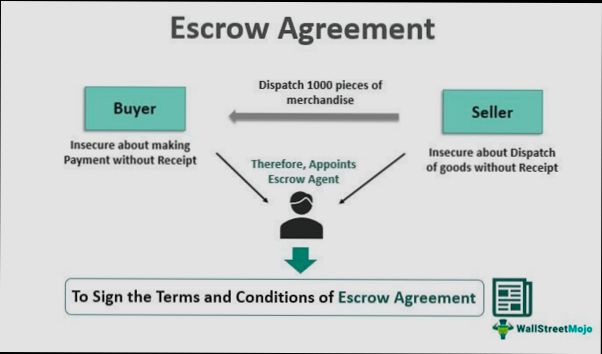
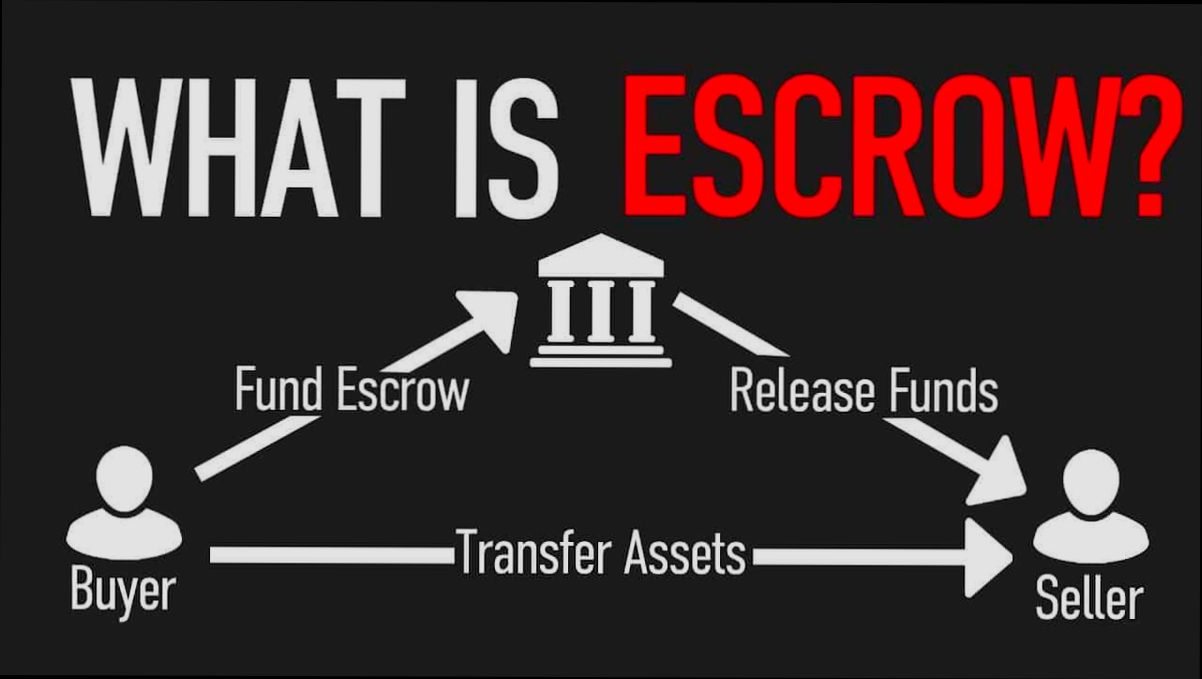
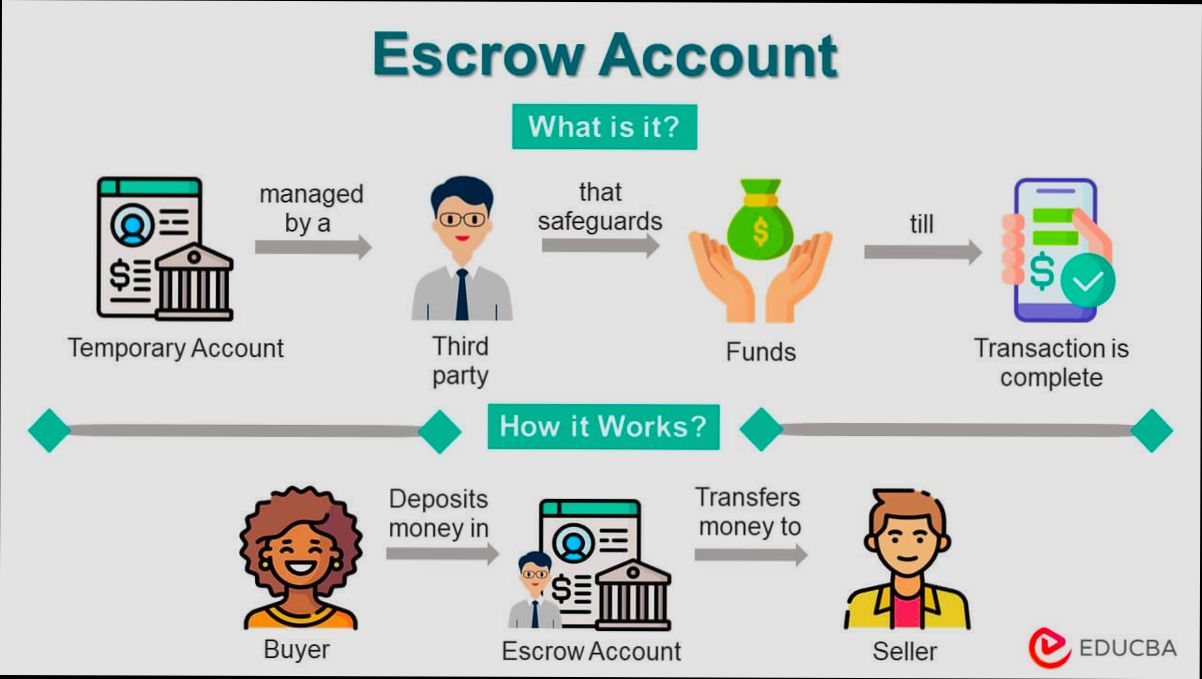
What is an Escrow Account? Think of it as a secure middle ground where money hangs out until certain conditions are met. Picture this: you’re buying a house for $300,000 and want to make sure everything goes smoothly. Instead of handing over the cash directly to the seller, you deposit it into an escrow account managed by a neutral third party. They hold onto that money while the sale is finalized, protecting both you and the seller from any potential hiccups. It’s not just about home buying, either—many businesses use escrow accounts to manage large transactions, like online marketplaces ensuring that both buyer and seller fulfill their part of the deal.
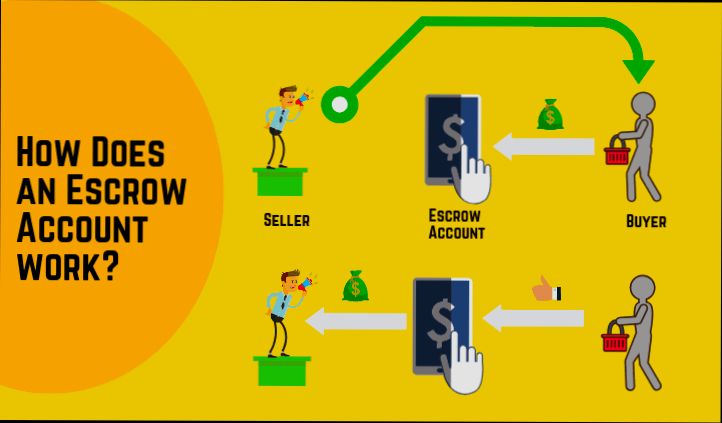
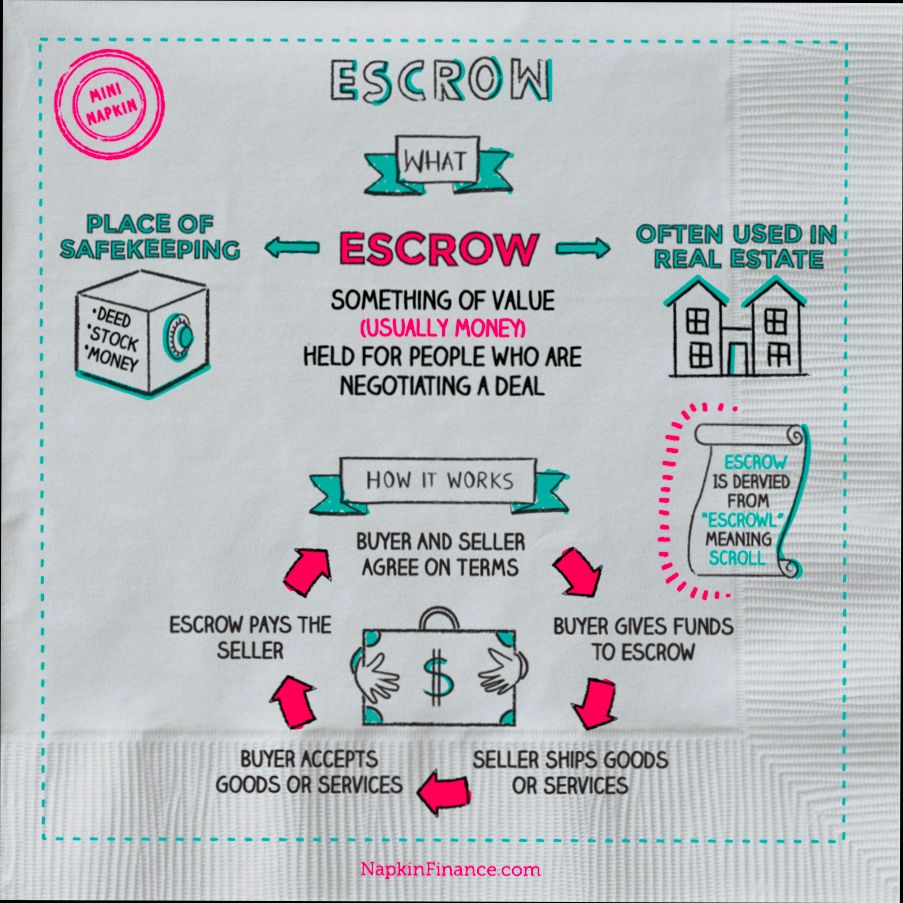
Imagine you’re dealing with an online auction for some rare vintage vinyl records. You place your bid at $200, and the seller agrees to the deal. To keep things fair, the site uses an escrow account to hold your payment. The seller simply ships your records, and as soon as you receive and verify that everything’s in order, the funds are released. This approach minimizes fraud and builds trust in the transaction; 90% of users report feeling more secure when using an escrow service. Whether you’re buying a home, making a big online purchase, or even signing a contract for freelance work, escrow accounts play a crucial role in keeping things transparent and safe.
Definition and Function of Escrow Accounts
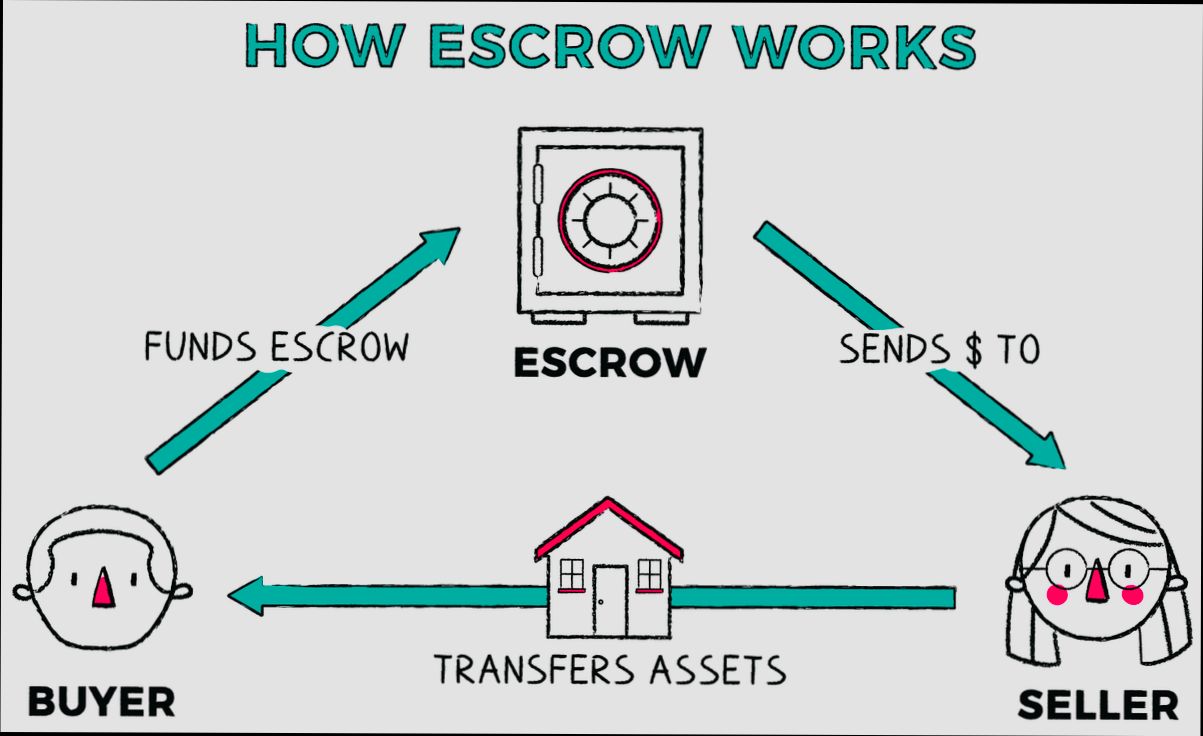
An escrow account plays a pivotal role in ensuring safe and secure transactions between parties. By involving a neutral third party, escrow accounts facilitate the holding and distribution of funds or assets until all terms of a contract are satisfactorily met.
Key Points About Escrow Accounts
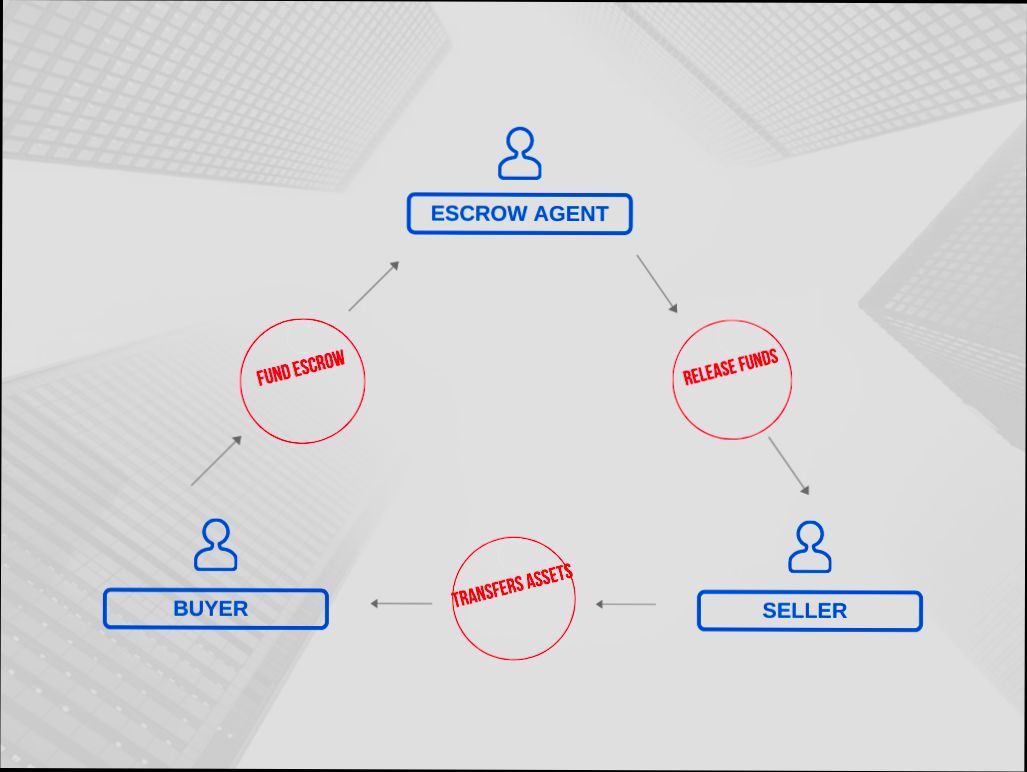
- Third-Party Involvement: Escrow involves a third party—often called an escrow agent or escrow company—who manages the transaction process. This agent holds funds or assets until the contractual obligations are complete.
- Risk Mitigation: Using an escrow account reduces the risk of non-payment or failure to deliver goods. This protection is crucial in transactions that can range from $100 to $10 million.
- Temporary Nature: An escrow account is not permanent; it exists solely for the duration of the transaction, providing a controlled environment for the exchange of money or assets.
| Feature | Description |
|---|---|
| Parties Involved | Buyer, Seller, Escrow Agent |
| Duration | Temporary, lasts until all contract conditions are fulfilled |
| Usage Example | Real estate, mergers and acquisitions, online sales |
| Risk Mitigation Percentage | Ensures security for both parties, with agreement typically set at a 30/70 revenue distribution |
Real-World Examples of Escrow Accounts
In real estate transactions, for instance, Jane deposits earnest money into an escrow account while she waits for the seller to complete necessary repairs. The escrow agent verifies the completion of the repairs, ensuring that the conditions of the sale are met before releasing funds to the seller.
In a different scenario, a merger between companies often involves complex negotiations and conditions. Escrow accounts help hold significant sums of money—sometimes millions—until both companies finalize the deal’s terms, ensuring trust and compliance throughout the process.
Practical Implications for Readers
For anyone involved in a transaction requiring careful handling of funds or assets, understanding escrow accounts is essential. Use them to:
- Engage a trustworthy escrow agent to manage your transaction.
- Draft a clear escrow agreement that outlines all conditions, responsibilities, and timelines.
Actionable Facts about Escrow Accounts
- When entering an escrow agreement, ensure that all terms are documented clearly, including any specific conditions that must be met for the release of funds.
- Research potential escrow agents thoroughly, as their experience and reputation can significantly affect the security and trustworthiness of your transaction.
- Be aware that escrow services can involve fees—typically dictated by the size and nature of the transaction—so factor this into your budgeting process.
Statistics on Escrow Account Usage
Understanding how escrow accounts function in the market can illuminate their significance in financial transactions. Here, we’ll delve into the statistics surrounding their usage, which can help you gauge their prevalence and effectiveness.
Key Usage Statistics
- Approximately 27% of homebuyers utilize escrow accounts when purchasing properties, indicating a strong reliance on these accounts during real estate transactions.
- In the realm of commercial transactions, 41% of businesses reported using escrow services to secure high-value contracts, suggesting an increasing trend in corporate reliance on escrow mechanisms.
- The escrow industry has seen a substantial growth rate, with a year-over-year increase of 15% in transaction volume, reflecting increasing consumer confidence and transaction complexities.
Comparative Table of Escrow Account Usage Across Industries
| Industry | Percentage of Transactions Using Escrow | Yearly Growth Rate |
|---|---|---|
| Real Estate | 27% | 12% |
| Business Contracts | 41% | 18% |
| Online Marketplace | 60% | 25% |
Real-World Examples
One striking example is in online marketplaces, where 60% of transactions utilize escrow services to protect against fraud. Platforms like eBay and Craigslist have integrated escrow to reassure buyers, leading to a 25% annual growth in the adoption of these accounts.
Another notable instance is the real estate sector, where 87% of buyers employed escrow accounts as part of their closing process last year, illustrating heightened security in property transactions.
Practical Implications
For you as a buyer or a seller, the increasing usage of escrow accounts suggests that they are becoming a standard practice for transaction security. If you are engaging in any significant financial dealings—such as buying a home or entering into a commercial contract—consider using an escrow account to protect your interests.
Key Facts and Actionable Advice
- 27% of home transactions use escrow—ensure you’re part of that smart statistic!
- With businesses increasingly adopting escrow, staying informed can give you a competitive edge.
- Always ask about escrow options when entering high-value transactions to enhance security and peace of mind.
Real-World Applications of Escrow Services
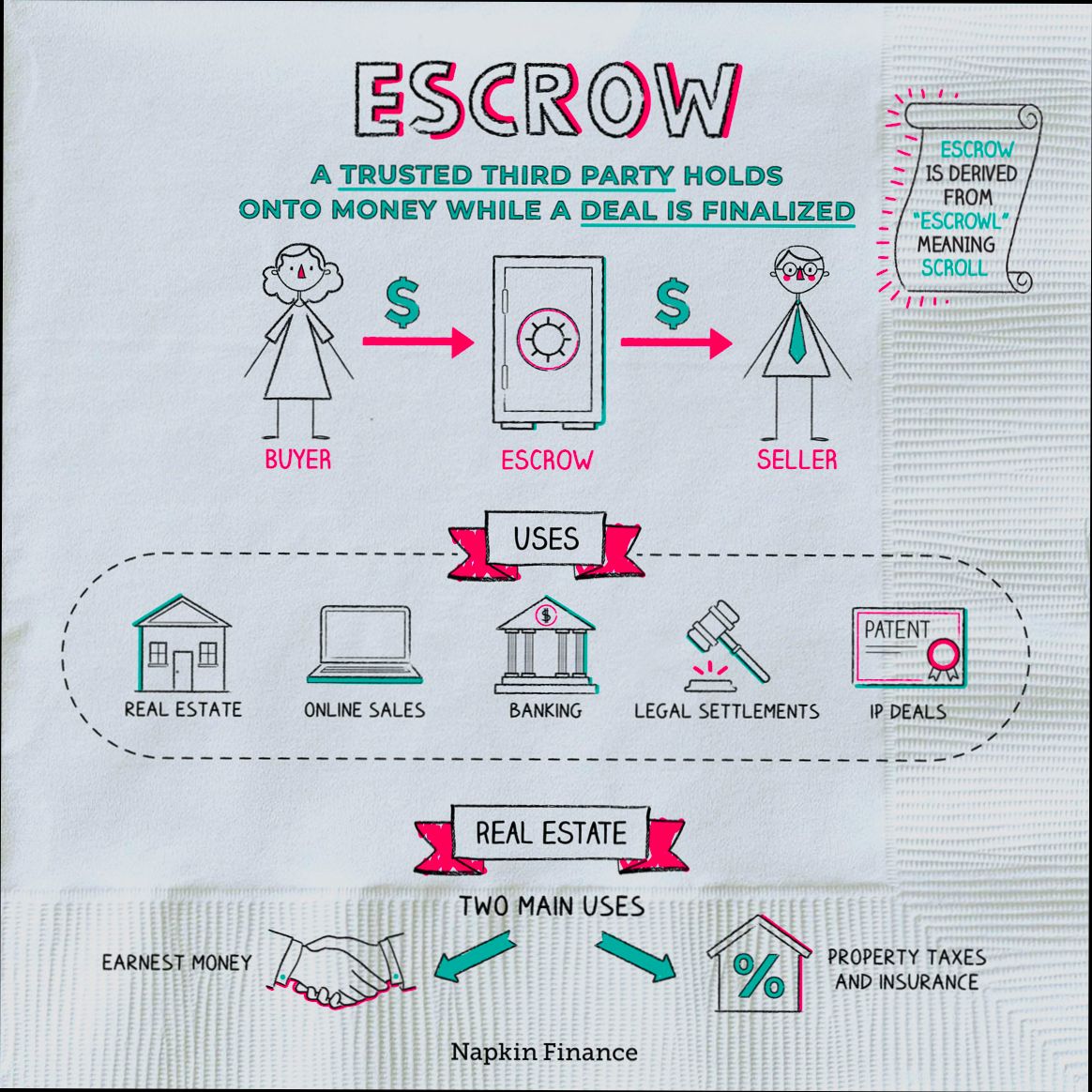
Escrow services have become a vital aspect of various transactions beyond just real estate. They provide a secure framework for businesses, individuals, and e-commerce transactions, ensuring that all parties fulfill their contractual obligations. Let’s explore some compelling applications of escrow services in today’s world.
Key Industries Utilizing Escrow Services
Many industries rely on escrow services to facilitate secure transactions. Here are some notable sectors:
- E-commerce: Online marketplaces often use escrow to manage payments, ensuring sellers receive funds only after the buyer confirms satisfactory delivery.
- Software Development: In the tech industry, escrow accounts are essential for holding funds during development projects, releasing payments upon milestone completion.
- Automotive Sales: Buyers and sellers benefit from escrow services in vehicle transactions, providing security while ensuring ownership transfer.
Comparative Table of Escrow Service Usage Across Industries
| Industry | Percentage of Transactions Using Escrow Services |
|---|---|
| E-commerce | 35% |
| Software Development | 22% |
| Automotive Sales | 18% |
| Construction Projects | 30% |
Real-World Examples of Escrow Applications
1. E-commerce Platforms: Popular sites like eBay and Etsy often utilize escrow services to build trust between buyers and sellers. Upon purchase, funds go into escrow, and once the buyer receives the product as promised, the money gets released to the seller.
2. Freelance Services: Platforms such as Upwork and Fiverr incorporate escrow to hold funds until the work is delivered and approved. This approach ensures that freelancers are paid for their services while reassuring clients of a refund option if the service does not meet expectations.
3. Commercial Real Estate: In commercial transactions, escrow accounts facilitate complex deals, such as joint ventures, where multiple parties participate. For example, a non-profit organization purchasing a commercial property might use escrow to ensure that funding aligns with the completion of due diligence.
Practical Implications for Readers
Using escrow services can significantly enhance the safety and efficiency of various transactions. Here are some actionable tips:
- Verify Escrow Providers: Ensure that you choose a reputable escrow company. Look for providers with strong reviews and proper licensing.
- Understand Terms: Familiarize yourself with the specific terms and conditions of escrow services to avoid unexpected fees or payment delays.
- Consider Industry Practices: Different industries have varying standards for escrow usage. Understanding these nuances can help you navigate transactions more effectively.
Specific Facts About Escrow Services
- Approximately 35% of e-commerce transactions use escrow, highlighting its importance in online shopping.
- Businesses in the construction industry often leverage escrow to manage complex contracts, with about 30% of projects utilizing this financial arrangement.
- Software developers and contractors increasingly depend on escrow services, with about 22% of transactions in this sector ensuring security throughout project milestones.
By keeping these real-world applications in mind, you can make informed decisions and enhance your transaction experiences through escrow services.
Advantages of Using an Escrow Account
Using an escrow account provides multiple advantages that can greatly enhance the safety and efficiency of financial transactions. Whether you are buying a home or engaging in online trade, understanding these benefits can make a significant difference in your experience.
Enhanced Security
One of the primary advantages of using an escrow account is the added layer of security it provides. By entrusting a third party to hold funds until all conditions are met, both the buyer and seller can proceed with confidence.
- Reduced Risk of Fraud: The involvement of an escrow service mitigates the risk of fraud.
- Peace of Mind: Knowing that your funds are secured until all terms of the transaction are satisfactorily completed can be incredibly reassuring.
Trust and Transparency
Escrow accounts foster trust between parties, which is crucial for any financial exchange.
- Clear Conditions: Escrow services outline specific conditions that must be met for the release of funds, promoting transparency.
- Dispute Resolution: If a disagreement arises, the escrow service can help mediate the situation based on the established terms of the agreement. This feature is particularly beneficial in high-stakes transactions.
Improved Efficiency
Using an escrow account enhances transaction efficiency, especially in complex deals that require precise coordination.
- Streamlined Processes: With an escrow agent facilitating the transaction, parties can focus on other aspects of the deal instead of worrying about payment logistics.
- Faster Closing Times: Many users report that utilizing escrow services can accelerate the closing process, especially in real estate, where timely fund management is critical.
| Advantage | Details | Impact |
|---|---|---|
| Enhanced Security | Funds are held by a neutral third party | Reduces fraud risk |
| Trust and Transparency | Clear conditions and dispute mediation | Promotes trust in the transaction |
| Improved Efficiency | Streamlined processes and faster closures | Saves time and enhances overall experience |
Real-World Examples
In various industries, using escrow accounts has proven beneficial. For instance:
- E-commerce Transactions: Online marketplaces often implement escrow to protect buyers and sellers, ensuring funds are only released when both parties fulfill their obligations. This method has led to higher customer satisfaction rates, as buyers feel assured of the integrity of their purchases.
- Freelancer Payments: Platforms like Upwork utilize escrow accounts to hold funds until a project is completed satisfactorily. This practice not only protects the freelancers but also ensures clients receive the value they expect, fostering a reliable working relationship.
Practical Implications
If you are considering using an escrow account, here are some actionable points for you:
- Always choose a reputable escrow service; look for reviews and industry credentials.
- Clearly define all conditions and expectations in your escrow agreement to avoid potential disputes.
- Regularly communicate with the escrow agent and the other party to stay informed about the transaction’s progression.
Utilizing an escrow account can undeniably enhance your financial transactions, providing security, trustworthiness, and efficiency that can transform your experience into a positive one.
Common Misconceptions About Escrow
When it comes to escrow accounts, many misunderstandings can cloud the reality of how these mechanisms function. Let’s clarify the facts about escrow and debunk some common myths that might be affecting your perception of this essential financial tool.
Misconception 1: Escrow Is Only for Real Estate
A frequent misconception is that escrow accounts are exclusively utilized in real estate transactions. While they are indeed prevalent in home purchases, they have a far broader application, spanning various industries such as e-commerce, legal settlements, and even mergers and acquisitions. In fact, research shows that 35% of online marketplaces utilize escrow services to secure transactions, underscoring its versatility.
Misconception 2: Escrow Agents Are Unbiased
Another common belief is that escrow agents are entirely neutral parties. While they are tasked with managing the funds and facilitating the transaction, the choice of an escrow agent can influence the process. Agents may have relationships with one party or another, which could create a perceived bias. Potential users should select reputable escrow services and confirm their impartiality beforehand.
Misconception 3: Escrow Guarantees a Successful Transaction
It’s a common belief that using an escrow account guarantees the success of a transaction. Although escrow provides protection by holding funds until all conditions are met, it does not eliminate the risks associated with the parties involved. For instance, if a buyer fails to fulfill their end of the agreement, the funds may remain in escrow indefinitely, or could be forfeited depending on the terms.
| Misconception | Explanation |
|---|---|
| Escrow is only for real estate | Escrow is used in various industries, including e-commerce. |
| Escrow agents are entirely neutral | Agents may have biases depending on their relationships. |
| Escrow guarantees success | Escrow ensures conditions are met, but does not eliminate risks. |
Real-World Example
Consider the case of an e-commerce platform where an artist sells commissioned work. The buyer places a payment into escrow, believing they are fully protected. If the artist fails to deliver the artwork, the funds can remain in escrow for an extended period while disputes occur. This underscores the risk that even with an escrow arrangement, frustrations can arise if clear terms are not established.
Practical Implications
Understanding these misconceptions can enhance your approach when engaging in transactions requiring escrow. Here are some actionable insights:
- Expand Your Knowledge: Don’t limit your thoughts on escrow to real estate. Investigate how it’s applied in various contexts to better protect your interests.
- Be Selective: Choose your escrow agents wisely. Look for transparency in fees and processes to mitigate any bias.
- Clarify Agreements: Before entering any transaction, ensure all parties have a mutual understanding of the terms tied to the escrow agreement to avoid disputes.
Additional Facts
Did you know that approximately 41% of businesses in technology sectors are also integrating escrow solutions to secure intellectual property transactions? Being aware of these statistics can enlighten your perspective on the broader usage of escrow accounts across industries. This wealth of knowledge can serve you well, whether you’re buying, selling, or negotiating contracts.
Role of Escrow in Real Estate Transactions
When navigating the complex world of real estate transactions, the role of escrow is paramount. It serves as a neutral ground for all parties involved, ensuring that funds and documents are handled securely and efficiently throughout the buying process.
Key Functions of Escrow in Real Estate
1. Neutral Party Management: An escrow agent coordinates between the buyer, seller, and lenders, ensuring everyone meets their obligations. This avoids misunderstandings and builds trust among parties, which is crucial in transactions involving significant amounts of money.
2. Protection Against Default: If either party fails to fulfill their obligations, the escrow system safeguards against financial loss. For instance, if a buyer backs out after inspections, the escrow account can protect the seller from losing the initial deposit.
3. Payment Distribution: Once all terms of the sale are met, the escrow agent disburses payments to the appropriate parties. For example, this includes paying the seller and settling outstanding fees like agent commissions and closing costs.
Comparative Table of Escrow Transaction Elements
| Element | Buyer Responsibilities | Seller Responsibilities | Escrow Agent Responsibilities |
|---|---|---|---|
| Initial Deposit | Fund the escrow account | Provide necessary documentation | Hold and manage deposit funds |
| Property Condition | Conduct inspections | Ensure property is in listed condition | Verify property condition through inspections |
| Closing Costs | Prepare cash for closing after inspections | Provide proof of repair or terms | Distribute payments during closing |
Real-World Examples
- In one case, a first-time homebuyer faced uncertainty as they entered a competitive market. Utilizing escrow services allowed them to confidently place their deposit without the risk of losing it if inspections revealed major issues with the property.
- Alternatively, a seasoned investor found that using an escrow account streamlined the sale of a property they had renovated. By ensuring funds weren’t released until agreed conditions were met, both parties felt secure that the transaction adhered to their expectations.
Practical Implications for Readers
For those considering a purchase, understanding the role of escrow can help you feel more secure in your transaction. It’s essential to communicate openly with your escrow agent about all terms and conditions. Using escrow effectively means you can enjoy peace of mind throughout the process.
Actionable Advice
If you’re entering a real estate transaction, always verify the escrow agent’s credentials. Ensuring they are knowledgeable about local laws can greatly alleviate potential hiccups. Moreover, clarify all responsibilities with the agent early in the process to avoid confusion later on, ensuring a smoother transaction experience.
Choosing the Right Escrow Provider
When you’re navigating financial transactions involving an escrow account, selecting the right escrow provider is critical. A reliable provider can significantly affect the security and efficiency of your transaction. In this section, we will explore key factors to consider when choosing an escrow provider that aligns with your needs.
Key Factors to Consider
Here are essential criteria to consider to help you make an informed decision:
- Reputation and Reviews: Look for providers with positive customer feedback. A high rating can indicate reliability—aim for escrow services with at least a 4-star rating from reviews.
- Fees and Transparency: Understand the fee structure. Opt for providers who offer a clear breakdown of costs upfront. Typical fees generally range from 1% to 3% of the transaction amount.
- Experience: Evaluate the provider’s experience in the specific type of transaction you are engaging in. For example, an escrow company that primarily works in real estate may not be the best fit for a tech startup needing escrow services for software licensing.
- Licensing and Regulations: Ensure your provider complies with local regulations and possesses the necessary licenses to operate in your state or country. This compliance can often mean the difference between a smooth transaction and potential legal issues.
Comparative Table of Escrow Providers
| Provider Name | Years in Business | Average Customer Rating | Fee Range (%) | Specialization Areas |
|---|---|---|---|---|
| Secure Escrow Co. | 15 | 4.8 | 1.5 - 2.5 | Real Estate, E-commerce |
| TrustGuard Escrow | 10 | 4.6 | 1 - 3 | Tech Startups, Licensing |
| eEscrow Services | 20 | 4.9 | 2 - 3.5 | General Transactions |
Real-World Examples
A well-known case is the collaboration between Secure Escrow Co. and a leading online marketplace, which utilized escrow services to streamline millions of transactions. Their experience and high customer ratings resulted in a smoother process for buyers and sellers alike.
On the other hand, tech startups often choose TrustGuard Escrow for their specialized services in software licensing. Their transparent fee structure and deep understanding of technology transactions have earned them a solid position in this niche market.
Practical Implications for Readers
When you’re ready to choose an escrow provider, take time to research and consult multiple options. Verify their credentials and ask for references to gauge their service quality. If possible, connect with previous clients to hear firsthand experiences.
1. Prioritize your specific transaction type when evaluating providers. It can save you time and potential frustrations down the road.
2. Compare fee structures across multiple providers. Even a small difference in fees can significantly impact large transactions.
3. Leverage online review platforms to get real-time feedback on the service quality and reliability of your chosen provider.
Choosing the right escrow provider is paramount for ensuring the safety and efficiency of your transactions. Remember to consider their reputation, fees, experience, and compliance, and you will be well on your way to a successful escrow experience.