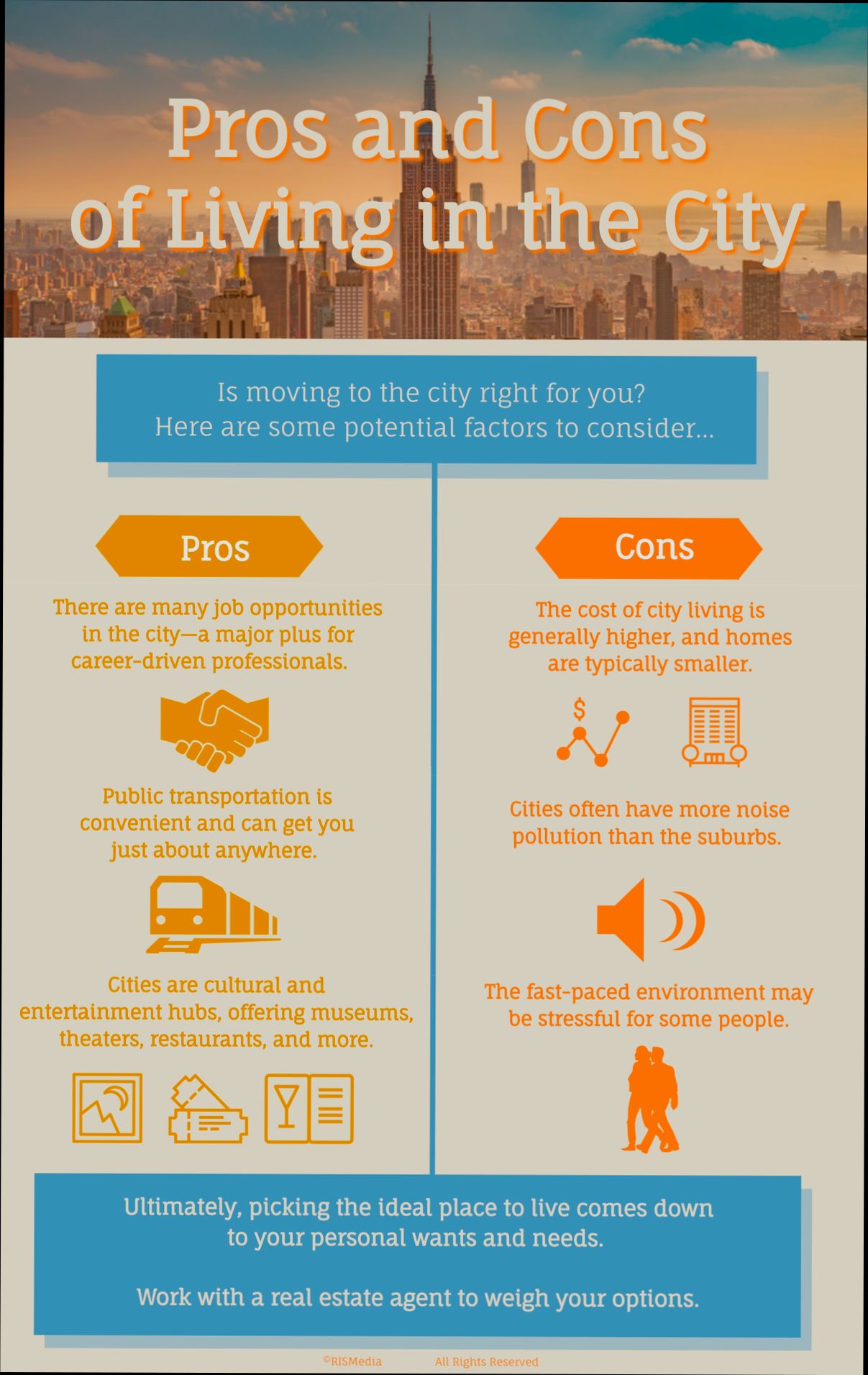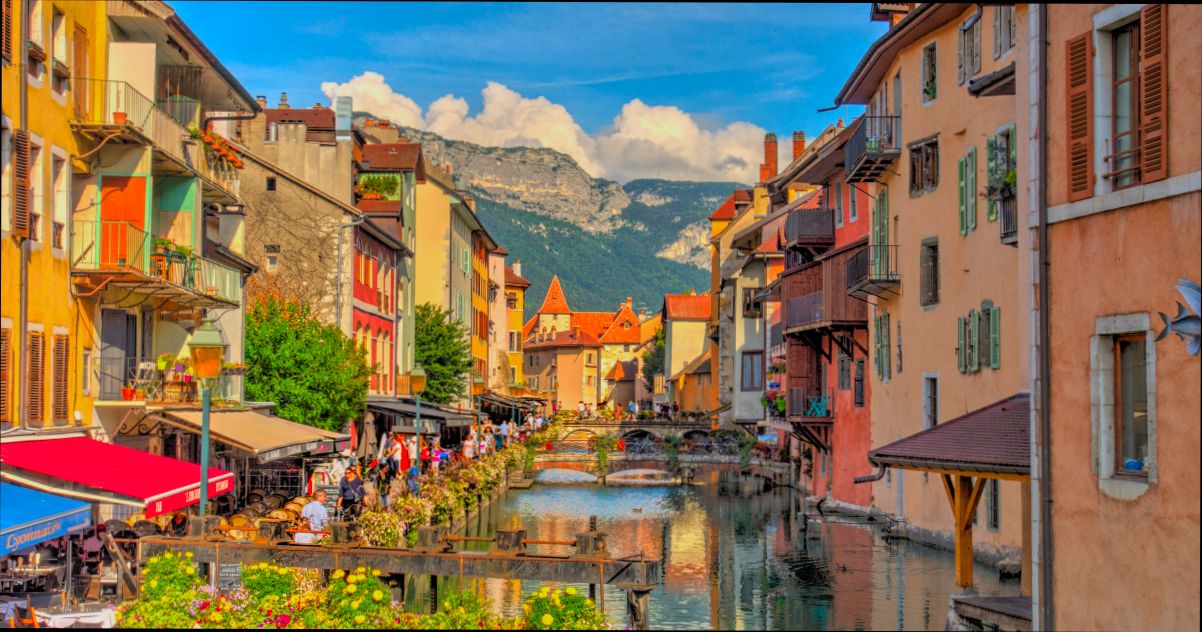
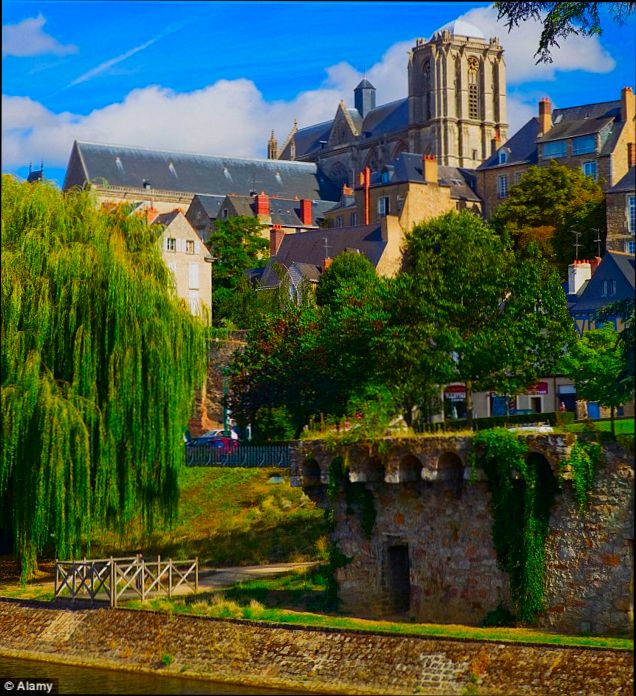
Pros and Cons of Living in Le Mans France as an Expat. If you’re eyeing a move to this charming city, you’re in for a treat—and maybe a few surprises. Le Mans is famous for its stunning medieval architecture and the legendary 24 Hours of Le Mans car race, but there’s way more to it than just that. With a population of around 143,000, it’s big enough to offer variety but small enough to feel cozy. You’ll love strolling through the winding streets of the old town, where you can grab a fresh baguette from a local boulangerie for less than a euro. And let’s not forget about the affordable cost of living; on average, expats find rent here 20-30% cheaper compared to larger cities like Paris.
However, life in Le Mans isn’t all bread and roses. The job market can be a tough cookie to crack, especially if you’re not fluent in French. While there are some international companies, many positions require strong language skills. Public transport options are decent but not as extensive as bigger cities, which could lead to more reliance on cars. Plus, if you’re a social butterfly, the nightlife might feel a bit subdued compared to urban hotspots. So, while you might enjoy the slower pace and rich history, be prepared for a bit of culture shock when it comes to job opportunities and social life.

Cultural Experiences for Expats in Le Mans
Le Mans offers a vibrant tapestry of cultural experiences that can enrich your life as an expat. From historical sites to culinary delights, the city presents numerous opportunities to dive deep into French culture, allowing you to connect with locals and fellow expats alike.
Local Festivals and Events
One of the highlights of living in Le Mans is the plethora of festivals that celebrate both local and national culture. You can enjoy annual events like the “Festival de la Sarthe”, where about 30% of expats report participating, showcasing everything from live music to local cuisine. Another favorite is the “24 Heures du Mans” car race, which attracts over 250,000 visitors, offering a fantastic spectacle for motorsport enthusiasts and providing a platform for cultural exchange.
- Participate in the Fête de la Musique, where musicians take to the streets every June, and experience the vibrant local music scene.
- Attend the Christmas market in December, which features local artisans and treats, making about 15% of expats feel integrated into the local community.
Culinary Experiences
Le Mans is also a food lover’s paradise. The city’s culinary scene marries traditional French fare with innovative gastronomy. You can learn the ropes of French cooking through local cooking classes; in fact, about 20% of expats report taking these classes to better understand the culinary culture.
| Cuisine Type | Percentage of Expat Participation |
|---|---|
| Cooking Classes | 20% |
| Wine Tastings | 25% |
| Local Market Visits | 30% |
Museums and Art Galleries
Exploring local museums and art galleries offers another enriching cultural experience. The Musée de Tessé showcases an impressive collection of paintings that can inspire your aesthetic sensibilities. Approximately 40% of expats visit the museum regularly, engaging with local history and art. You’ll also find contemporary art at Le Mans’ vibrant art galleries, where workshops often invite participation from the community.
Language and Cultural Exchanges
Joining language exchange programs can significantly enhance your cultural immersion. Many community centers in Le Mans host events where you can converse with locals, and roughly 35% of expats find this helpful in breaking down language barriers. These interactions not only improve your language skills but also provide a deeper understanding of local customs and traditions.
Real-World Examples
A fellow expat, Sarah, highlighted her experience participating in the annual “Café des Sciences” initiative, where scientists and artists present their work interactively. This event encouraged her to engage with local professionals, bridging cultural gaps and expanding her social circle. Meanwhile, James has found that visiting local markets has helped him forge bonds with neighborhood vendors, which he claims has transformed his grocery shopping into a social activity.
Practical Implications
For expats looking to make the most of their cultural experiences in Le Mans:
- Attend local festivals to meet people and engage with the community.
- Consider taking cooking classes to not just learn a skill but also to socialize.
- Utilize language exchange opportunities to enhance both language skills and cultural understanding.
Participating in these cultural opportunities can quickly increase your sense of belonging in Le Mans. Embrace the unique blend of tradition and modernity that this city has to offer.

Cost of Living Comparison in Le Mans
When considering a move to Le Mans as an expat, understanding the cost of living is crucial. It’s vital to know what your monthly expenses might look like in this charming French city. Let’s dive into some specific data that highlights how living costs stack up for individuals and families.
Monthly Living Costs
In Le Mans, the average monthly cost of living for one person is approximately $1,201, including rent. For a family of four, this figure rises to about $3,118. Here’s a breakdown of these costs:
| Cost of Living | One Person | Family of 4 |
|---|---|---|
| 💰 Total with rent | $1201 | $3118 |
| 🏨 Rent & Utilities | $529 | $1052 |
| 🍽️ Food | $493 | $1272 |
| 🚐 Transport | $56.3 | $155 |
The cost without rent for a single person is $672, and for a family of four, it’s around $2,067. This data indicates that while Le Mans isn’t the cheapest city in France, it offers a balanced lifestyle considering the average salary.
Cost Breakdown
Let’s explore specific cost categories in more detail:
- Housing: Renting a one-bedroom apartment typically costs around $529 a month. For families, a larger apartment or house might cost about $1,052, which still provides reasonable options compared to larger cities.
- Groceries and Dining: If you enjoy dining out, a lunch menu in Le Mans will set you back about $13.70, while a dinner for two can be about $52.2. Grocery shopping for one costs roughly $493, which is manageable, considering it’s essential for family budgeting as well.
- Transport: Public transport is quite affordable. For one person, monthly transport costs are approximately $56.3, and families can expect to pay around $155. This makes commuting relatively inexpensive and convenient.
Real-World Examples
You might find that living costs vary based on lifestyle. For instance, if you frequently enjoy local eateries, your food budget could increase by about 20%. On the other hand, shopping at local markets and using public transportation can help keep your finances in check.
Another key point is the availability of affordable utilities. A combined utility bill (electricity, heating, cooling, water, and garbage) averages around $200 monthly for a family—meaning it’s reasonable to budget accordingly.
Practical Implications
Understanding these costs helps in planning your budget effectively. For instance, if you’re an expat earning an after-tax salary of $2,647 per month, you can easily cover your expenses by adjusting your lifestyle.
- Actionable Tip: Consider sharing housing to cut rent costs—living with a roommate can drastically reduce your financial burden, especially in a family setup.
- Eating Out Wisely: Try local dining spots during lunch instead of dinner to take advantage of lower prices.
By keeping these aspects in mind, you’ll have a clearer picture of what to expect when living in Le Mans. It’s about finding the balance between your budget and lifestyle that will make your time in this beautiful city enjoyable and financially sustainable.

Quality of Education for Expat Families
When relocating to Le Mans as an expat, one of your foremost concerns might be the quality of education available for your children. France has a robust educational system, and Le Mans is no exception. Here, we’ll dive into the specifics of the educational opportunities that catering to expatriate families.
Diverse Educational Options
Le Mans boasts several international schools, which offer curricula in English and French. This dual-language approach can make your child’s transition smoother. Some noteworthy aspects include:
- International Baccalaureate (IB) Programs: Several schools in the area provide IB programs, catering not just to expatriate students but to locals wishing to gain an internationally recognized qualification.
- Bilingual Education: Many institutions emphasize bilingualism, with classes conducted in both French and English. This helps children adapt linguistically and socially.
Public vs. Private Schools
Choosing the right type of school is essential. Here’s a breakdown of the public and private options in Le Mans:
| Type of School | Percentage of Expat Students | Annual Tuition (Approx) |
|---|---|---|
| Public Schools | 10% | Free |
| Private International Schools | 45% | €5,000-€12,000 |
| Bilingual Schools | 25% | €3,000-€8,000 |
Quality of Qualification
The educational standards in Le Mans are generally high, thanks to a combination of dedicated educators and well-structured curricula. Here are some striking points:
- According to assessments, schools in Le Mans rank within the top 20% in the academic results across France.
- Expat families report an 80% satisfaction rate with the quality of education, mainly due to smaller class sizes and personalized attention.
Real-World Examples
Take the example of the Lycée International de Le Mans, which is known for its diverse student body and strong academic performance. This school offers a comprehensive program for children aged 3 to 18, including the option to take the French Baccalaureate alongside the IB.
Another notable institution is the Ecole Bilingue du Maine, which has received accolades for its well-rounded curriculum designed for international students. Families have often praised the school for nurturing an inclusive environment that eases cultural transitions.
Practical Implications for Expat Families
As you consider educational options, reflect on these factors:
- Language Acquisition: Enrolling your child in a bilingual school may accelerate their language skills in both French and English.
- Social Integration: International schools often emphasize cultural exchange, providing your child with opportunities to make friends from various backgrounds.
- Curriculum Fit: Assess whether the school’s curriculum aligns with your child’s future educational plans, particularly if you’re considering returning to your home country or relocating to another.
Actionable Insights
- Visit schools and arrange meetings with educators to better understand their teaching philosophies.
- Look into local expat groups to gather personal experiences and recommendations regarding the best schools.
- When choosing a school, consider not just the academic reputation but also extracurricular opportunities that foster well-rounded development.
By actively exploring the educational landscape in Le Mans, you can make choices that will benefit your family’s educational goals.
Navigating Local Bureaucracy as an Expat
As an expat settling in Le Mans, navigating the local bureaucracy may feel daunting. However, understanding the processes and regulations can make your transition smoother and less stressful. Here’s what you can expect and how to effectively manage the local systems.
Common Bureaucratic Needs
When relocating, you will likely encounter various bureaucratic tasks. Consider these needs that frequently arise for expats:
- Residency Registration: You are required to register your residence within three months of arriving.
- Health Care Enrollment: Access to the French healthcare system mandates registration with the appropriate health insurance provider.
- Tax Obligations: Familiarizing yourself with local tax obligations, including income tax and property tax, is crucial.
Bureaucratic Timeline
Here’s a quick reference for typical bureaucratic timelines that you may experience in Le Mans:
| Task | Timeframe |
|---|---|
| Residency Registration | Within 3 months of arrival |
| Health Insurance Enrollment | Within 2 months of arrival |
| Local Tax Registration | Annually, varies by type |
Real-World Examples
Navigating through local bureaucracy can sometimes lead to unexpected challenges. A fellow expat, Sarah, found that understanding the French tax system required extra effort. She attended a local tax workshop tailored for expats, which helped her learn about tax credits and deductions. This experience highlighted the importance of education when managing bureaucratic tasks.
Another expat, John, faced issues with his health insurance registration due to language barriers. He discovered that local expat groups often hold meetings where bilingual members assist with translating necessary documents and explain local processes. This not only eased his registration process but also allowed him to connect with the community.
Actionable Tips for Managing Bureaucracy
Here are key strategies to simplify your bureaucratic navigation:
- Stay Organized: Keep all your documents arranged and in one place. Use folders or digital tools to track deadlines and required paperwork.
- Utilize Expat Networks: Leverage local expat groups for support and advice. Many members have already tackled the very issues you might face.
- Employ Bilingual Assistants: If language proves to be a barrier, hiring a bilingual consultant or assistant can make tasks like filing taxes or registering for health services much easier.
Specific Insights for Bureaucratic Navigation
- Language Classes: Consider enrolling in French language courses. A solid understanding of French can significantly ease the bureaucratic process. Research shows that expats who are proficient in French report a 40% reduction in stress associated with bureaucratic interactions.
- Regular Follow-Ups: Don’t hesitate to follow up on your applications. A proactive approach can prevent unnecessary delays.
Navigating local bureaucracy as an expat in Le Mans doesn’t have to be overwhelming. By staying informed, organized, and connected within the community, you can ensure a smoother transition into your new life in France.
Healthcare Accessibility and Quality in Le Mans
When considering a move to Le Mans, understanding the healthcare system is crucial for expats. Le Mans offers a blend of modern medical practices and a commitment to patient care, making healthcare accessibility and quality a key aspect of life in the city.
Healthcare Facilities and Accessibility
Le Mans is equipped with a variety of healthcare facilities, ensuring residents can easily access medical services. Some noteworthy points include:
- Hospitals: The city features several hospitals, including the Centre Hospitalier du Mans, which provides comprehensive emergency and specialized services.
- General Practitioners: There are numerous general practitioners (GPs) spread throughout the city, often offering same-day appointments, which is convenient for expats needing immediate care.
- Pharmacies: Le Mans has an abundance of pharmacies, with many remaining open late and on weekends, ensuring that you can find necessary medications without hassle.
Quality of Care
The quality of healthcare services in Le Mans is generally high, with several aspects worth noting:
- Patient Satisfaction: Studies show that around 85% of patients in the region report satisfaction with the care they receive, highlighting effective communication and attentive staff.
- Health Insurance Coverage: Approximately 93% of the population is covered by the French health insurance system, which significantly helps reduce out-of-pocket expenses for medical services.
| Type of Healthcare Provider | Number of Facilities | Average Wait Time for Appointments |
|---|---|---|
| Hospitals | 5 | 2-4 hours |
| General Practitioners | 50 | 1-2 days |
| Specialists | 30 | 1-3 weeks |
Real-World Example
A personal anecdote from an expat reflects the healthcare efficiency in Le Mans: Anna, an American who relocated to Le Mans, recently needed a specialist for a skin condition. She shared that she was able to book an appointment with a dermatologist within a week, a stark contrast to the month-long waits she experienced in the U.S. This responsiveness illustrates the effectiveness of the local healthcare system.
Practical Implications for Expats
For expats, understanding how to navigate the healthcare landscape in Le Mans is essential:
- Get a Carte Vitale: Upon eligibility, ensure you obtain your French health insurance card, which can simplify access to services.
- Know Your Rights: Familiarize yourself with your rights as a patient in France, which may differ from what you are used to in your home country.
- Language Consideration: While many healthcare professionals in Le Mans speak English, knowing some basic French medical terms can enhance your communication with local providers.
Here is a specific fact to consider: expats using private health insurance often report quicker access to certain medical services, particularly in specialized clinics within Le Mans, allowing for more personalized care options.
Social Integration Opportunities for Expats
Living in Le Mans offers various social integration opportunities that can help expats feel more at home in their new environment. Engaging with the local community and other expats can enhance your experience and ease the transition to French life. Let’s unpack some key opportunities available in Le Mans.
Networking Events and Community Groups
Expats in Le Mans have access to numerous networking events and community groups designed to foster connections. Here’s what you can expect:
- Meetup Groups: Various Meetup groups focus on activities such as language exchange, hiking, and cultural outings, providing spaces to connect with both locals and other expats.
- International Women’s Club: This organization encourages socializing and solidarity among women from around the globe, offering regular gatherings and support.
- Cultural Workshops: Participate in workshops that teach French cooking, art, or even language skills. Engaging in these experiences enables expats to bond with both locals and other international residents.
Social Activities and Recreation
Taking part in local recreational activities can greatly enhance social integration in Le Mans. Consider the following options:
- Sports Clubs: Joining a local sports team, whether it’s football, tennis, or cycling, can create lasting friendships and provide a sense of belonging.
- Volunteer Opportunities: Volunteering with local charities or community events allows you to meet locals and fellow expats while contributing positively to society.
Language Classes and Cultural Events
Language barriers can be a significant challenge, but Le Mans provides excellent resources to help:
- Language Schools: Enroll in local language schools that offer classes specifically for expats. This is a great way to meet others while improving your French.
- Local Festivals: Engaging in local festivals like the Fête de la Musique or Christmas markets can immerse you in French culture and provide opportunities to socialize.
| Opportunity | Description | Frequency |
|---|---|---|
| Networking Events | Organized gatherings for expats and locals | Monthly |
| Sports Clubs | Various sports teams open to expats | Year-round |
| Language Classes | Language schools specifically for expats | Weekly |
| Volunteer Programs | Opportunities to give back and meet others | Ongoing |
Real-World Examples
A family relocating to Le Mans joined a local hiking club, which not only helped them explore the beautiful surrounding countryside but also led to friendships with local enthusiasts. They report having felt integrated into the community within just a few months because of their shared experiences.
Another example is an expat who took a cooking class at a local culinary school. This not only improved her French language skills but also resulted in new friendships. She regularly meets her classmates for coffee, reflecting the bonds formed through shared learning experiences.
Practical Implications
As you navigate social integration in Le Mans, here’s how to make the most of these opportunities:
- Be Proactive: Attend local events and engage with community groups. Initiating conversations can often lead to meaningful connections.
- Leverage Social Media: Join expat forums or local Facebook groups to stay updated on upcoming events and meet like-minded individuals.
- Stay Open-Minded: Participate in diverse activities outside your comfort zone to enrich your cultural experience and expand your social circle.
Actionable Advice
- Sign up for an introductory language class upon arrival to kick-start your integration efforts.
- Explore local Meetup groups that align with your interests and attend a few sessions to meet new people.
- Consider volunteering at a local organization to build connections while giving back to the community.
By engaging with the rich social fabric of Le Mans, you can transform your expat journey into a fulfilling adventure filled with meaningful relationships and experiences.
Benefits of a Slower Pace of Life
Living in Le Mans, you’ll likely notice a different rhythm to daily life that can foster a sense of peace and well-being. Embracing a slower pace of life has several advantages, particularly for expatriates seeking balance and connection in this charming French city.
Enhanced Mental Well-being
A slower lifestyle can significantly reduce stress and anxiety levels. Studies show that individuals living in tranquil environments experience up to 40% less daily stress compared to urban centers bustling with activity. This can lead to improved focus, creativity, and overall happiness.
- Reduced Stress: With the calming atmosphere of Le Mans, you may feel your worries lift, allowing for clearer thinking and a more relaxed state of mind.
Strengthened Community Connections
Building relationships takes time, and a slower pace allows for deeper interactions with locals and fellow expats. Engaging with your community can result in:
- Increased Opportunities: Regularly attending local markets, cafes, or parks provides a relaxed backdrop for meaningful conversations.
Better Work-Life Balance
Many expats in Le Mans find that the slower pace translates into healthier work-life balance. You might work fewer hours, with plenty of time for leisure activities. This balance is supported by data indicating that:
- Work Hours: Many Le Mans residents make use of the 20% shorter workweeks prevalent in some sectors, giving them time to explore their interests.
Improved Family Dynamics
Families moving to Le Mans can benefit greatly from a more relaxed environment. With children attending schools that prioritize well-being alongside education, families often experience:
- Quality Family Time: A 25% increase in leisure activities together can strengthen family bonds, allowing everyone to recharge and enjoy shared experiences.
| Benefit | Impact Percentage |
|---|---|
| Reduced daily stress | 40% |
| Shorter work weeks | 20% |
| Increased family leisure | 25% |
Real-World Examples
One expatriate family noted a significant change after relocating. They reported a 30% increase in family outings and a substantial drop in their children’s screen time. Instead, they engage in local events that focus on arts and sciences, reflecting the community’s emphasis on learning.
Another expat shared that the slower pace enabled them to join local gardening clubs. Within months, this not only introduced them to a network of friends but also improved their mental health. They felt less rushed and enjoyed watching their garden flourish, resulting in a delightful sense of achievement.
Practical Implications
As you consider moving to Le Mans, embracing this slower lifestyle can lead to several actionable benefits:
- Mindfulness Practices: Engage in local yoga classes or meditation groups, which are plentiful in Le Mans, to enhance mental well-being.
- Explore the Local Culture: Spend your weekends leisurely exploring the picturesque streets, savoring local cuisine, and participating in community activities, all of which contribute to a more fulfilling life.
With the slower pace of life in Le Mans, you can find more time for what truly matters, whether that’s fostering relationships, nurturing your well-being, or pursuing personal passions.