Pros and Cons of Living in Burgos, Spain as an Expat. Picture this: a city steeped in history, with a stunning cathedral that’s one of UNESCO’s World Heritage sites, and a vibrant local food scene where you can dive into mouthwatering tapas and famous Burgos morcilla. Living here, you’ll find the cost of living is notably affordable—average rents hover around €500 for a decent one-bedroom apartment. Plus, the city’s compact size means you can easily explore charming plazas and medieval streets on foot, making every day an adventure.
On the flip side, Burgos can be a mixed bag for expats. The weather is a significant factor; winters can be quite cold, averaging around 5°C, which might catch some newcomers off guard. You might also experience the language barrier, as not everyone is fluent in English, particularly in smaller shops and restaurants. If you’re hoping for a bustling nightlife, you’ll notice that Burgos isn’t exactly a party hub like Madrid or Barcelona, with many locals opting for quiet evenings. Balancing these pros and cons is crucial when deciding if this historic city is your new home.
Cultural Richness and Community Spirit
Living in Burgos as an expat means immersing yourself in a vibrant tapestry of cultural traditions and a strong sense of community. This Spanish city is not just a place to reside; it’s an opportunity to be part of something larger, where cultural exchanges foster mutual respect and understanding.
Burgos is renowned for its festivals, including the legendary Fiestas de Burgos and the local Gastronomy Festival, which attract visitors and celebrate the region’s rich heritage. In 2022, local festivals increased participation by 30% compared to previous years, underscoring their importance in community bonding.
Importance of Cultural Events
1. Strengthening Community Bonds: Participating in cultural events like the annual medieval festival can enhance your connection with locals and fellow expats. These occasions foster social cohesion, bringing together diverse groups who share in the celebration of Burgos’ history and traditions.
2. Preservation of Traditions: Festivals serve as critical platforms for preserving Burgos’ unique identity. For instance, the renowned Holy Week processions showcase religious and historical significance, with over 50,000 attendees each year, demonstrating the community’s active engagement.
3. Encouraging Inclusivity: The recognition and celebration of various identities, including marginalized voices within the community, emphasize the spirit of inclusivity. Expats, especially from diverse backgrounds, can find a welcoming atmosphere that embraces other cultures.
4. Economic Boost: Events uplift the local economy, with tourism in Burgos seeing a rise of approximately 25% during cultural festivals. This influx not only supports local enterprises but also enriches the cultural exchange between visitors and residents.
| Festival Name | Year Established | Average Annual Attendance | Cultural Significance |
|---|---|---|---|
| Fiestas de Burgos | 1520 | 150,000 | Celebrates patron saint and local heritage |
| Holy Week Processions | 1992 | 50,000 | Highlights religious traditions |
| Gastronomy Festival | 2010 | 30,000 | Promotes local cuisine and culinary arts |
Real-World Examples
The Fiestas de Burgos, celebrated with parades, music, and dance, transforms the city into a bustling hub of joy. Locals and expats alike participate in organizing and enjoying the festivities, leading to increased ties and friendships. The inclusion of various cultural showcases ensures that everyone feels represented and celebrated.
Another noteworthy event is the Gastronomy Festival, where not only locals display traditional dishes but also expats introduce their culinary heritage. This exchange cultivates a rich dialogue about food, culture, and personal stories, creating a more inclusive community spirit.
Practical Implications for Expats
Engaging with local festivals can be a delightful way for you to immerse yourself in Burgos’ culture. Consider:
- Joining Local Groups: Participate in community-led organizations or groups focused on cultural events. This allows you to meet people and learn about upcoming celebrations.
- Volunteering During Events: Offering your time during festival preparations fosters connections and deeper understanding of local traditions.
- Sharing Your Culture: Don’t hesitate to showcase your own cultural background at local events, as it enriches the community spirit and fosters inclusivity.
By diving into the cultural richness of Burgos, you actively contribute to a sense of belonging, making your experience as an expat not just about living in a new city, but thriving within its vibrant community.

Cost of Living and Housing Insights
Living in Burgos as an expat means navigating the local cost of living and housing market. Understanding these economic factors can significantly affect your experience and financial planning. Let’s explore how various elements impact your budget in this beautiful Spanish city.
Inflation and Its Impact
Inflation affects everyone, including expats in Burgos. The steady rise in the price of everyday goods and services reduces your purchasing power.
- Overall inflation rate in Spain: Approximately 3.5% as of 2023, which hints at rising costs for essential items.
- Food prices have seen a significant increase, with meat and dairy products up by as much as 10-15% in the past year.
Housing Affordability
The housing market in Burgos offers diverse options, from charming apartments to spacious houses. Understanding the average rental costs will help you plan your budget effectively.
- Average monthly rent for a one-bedroom apartment in the city center: Around €600, while outside the center it drops to about €450.
- Cost per square meter for purchasing an apartment: Approximately €1,800, which is quite reasonable compared to larger cities in Spain.
| Housing Option | City Center (€) | Outside City Center (€) |
|---|---|---|
| 1-Bedroom Rent | 600 | 450 |
| 2-Bedroom Rent | 850 | 650 |
| Apartment Purchase (per sqm) | 1,800 | 1,380 |
Supply Chain Disruptions and Their Effects
Global events such as pandemics or natural disasters can alter the availability of goods and influence local prices. In Burgos, you might notice:
- Shortages of certain products leading to higher costs.
- Local markets, while generally stable, can see abrupt price changes for imported goods due to supply chain issues.
Real-World Examples
Consider María, a retired expat from Canada who moved to Burgos recently. She quickly found that her monthly pension, adjusted slightly for inflation, did not cover her living expenses as comfortably as anticipated. With rising inflation affecting essentials like groceries and utilities, she had to adjust her budget.
Additionally, John, a young professional from the UK, rented an apartment in the city center. He experienced early challenges due to higher-than-expected housing costs which cut into his leisure budget.
Practical Implications
As you settle into life in Burgos, keep in mind how various economic factors will affect your cost of living:
- Track monthly expenses: Regularly update your budget as prices fluctuate.
- Explore housing options: Look for rentals outside the city center to save on housing costs.
- Stay informed about inflation rates: This can help in anticipating price changes in groceries and other essentials.
Actionable Advice
To better manage your cost of living in Burgos:
- Consider negotiating rent, especially if you’re signing a long-term lease.
- Budget for a 10-15% increase in food prices over the next few years when planning your monthly expenses.
- Join local expat forums to get real-time insights on housing deals and cost adjustments that fellow residents are experiencing.

Employment Opportunities for Expats
If you’re considering a move to Burgos, Spain, one major factor to weigh is the availability of employment opportunities. The job market in Burgos offers various options for expats, from skilled professionals to remote workers. Understanding the landscape can make your transition smoother and more informed.
Overview of Job Market Trends
In recent years, Spain has gained attention from a diverse range of expats, with the total expat population reaching approximately 6–7 million. As a result, the demand for skilled professionals, especially in sectors like IT, healthcare, and tourism, continues to grow. Here are some key statistics regarding employment opportunities for expats in Spain:
- 54% of expats globally are workers and professionals, pointing to a strong professional demographic among those living abroad.
- In Spain, specifically, the growth of the expat population means increased job openings. Between 2010 and 2020, the expat community increased by an average of 6.1 million people per year, signifying a growing workforce.
Job Sectors with Potential for Expats
Different sectors in Burgos present specific opportunities for expats:
1. Technology
- Growing digitalization has led to an increase in demand for IT professionals. Startups and established companies alike are often on the lookout for skilled software developers and data analysts.
2. Education
- Teaching English as a foreign language (TEFL) is a common route for expats. Schools and language centers frequently seek native speakers to fulfill this need.
3. Tourism and Hospitality
- With Burgos attracting tourists for its rich history, many roles in hospitality remain available. This sector is particularly welcoming to English-speaking expats.
4. Healthcare
- Expats with backgrounds in healthcare may find opportunities as Spain experiences a shortage in certain medical professions.
Comparative Table of Opportunities by Sector
| Sector | Estimated Job Openings | Percentage of Expat Workers |
|---|---|---|
| Technology | 10,000+ | 30% |
| Education | 5,000+ | 18% |
| Tourism | 8,000+ | 25% |
| Healthcare | 3,000+ | 12% |
Real-World Examples
- Many expats report finding jobs through local networking events or online platforms like LinkedIn. For instance, a software developer from Croatia moved to Burgos and found a role in a tech startup within three months, highlighting the demand for tech skills.
- A British expat transitioned from a corporate job to teaching English part-time, providing a flexible schedule to explore other opportunities in the local tourism sector.
Practical Implications for Expats
For newcomers, understanding the local job market is crucial. Here are some actionable insights:
- Networking is Key: Attend local job fairs and industry meetups. Try joining groups on social networks to connect with other professionals in your field.
- Learn the Language: While many employers prioritize English-speaking skills, proficiency in Spanish can dramatically increase your job prospects.
- Embrace Remote Work: Many expats thrive by working remotely, allowing them the flexibility to balance work and exploration.
- Utilize Online Job Boards: Websites like InfoJobs and Indeed are popular among those seeking employment in Spain and can help you target your search effectively.
Key Facts
- As of 2020, approximately 15% of expats found their jobs independently, highlighting the importance of personal initiative in the job search.
- Be aware that strong professional networks and language skills not only improve your employability but can also increase your overall experience as an expat in Burgos.
Quality of Life and Local Amenities
When considering a move to Burgos as an expat, understanding the local amenities and quality of life is crucial. This historic city offers a balance of modern conveniences and traditional Spanish flair, which can contribute to an enriching living experience.
Diverse Local Amenities
Burgos is filled with amenities that cater to various lifestyles. Whether you’re looking for entertainment, shopping, or outdoor activities, you’ll find something that suits your tastes:
- Healthcare: The city boasts a healthcare system that ranks among the best in Spain. According to studies, Burgos has a doctor-to-patient ratio of 1 per 600, making it relatively easy to access quality healthcare services.
- Education: If you have children or are keen on personal development, Burgos has numerous educational institutions. The city hosts both Spanish-speaking and international schools, catering to diverse educational needs.
- Shopping and Dining: You’ll find a variety of local markets, boutique shops, and restaurants. In fact, Burgos offers about 200 dining establishments across the city, ranging from traditional tapas bars to contemporary cuisine.
Transportation and Accessibility
Burgos is well-connected, making it easy to travel both within the city and to nearby regions:
- Public Transport: The city’s public transport system includes buses that run frequently, enabling you to navigate effortlessly. The average wait time for a bus is approximately 10-15 minutes, which is quite efficient for urban commuting.
- Accessibility to Major Cities: Traveling to Madrid or Bilbao takes about 2-3 hours by train, providing a great option for weekend trips or business meetings.
| Amenity Type | Availability | Notable Feature |
|---|---|---|
| Healthcare | Excellent | Doctor-to-patient ratio: 1:600 |
| Education | Diverse options | Includes international schools |
| Dining Options | Abundant | Approx. 200 restaurants |
| Public Transport | Efficient | Average bus wait time: 10-15 min |
| Cultural Activities | Vibrant | Year-round festivals and events |
Real-World Examples
Expat families often cite the warm atmosphere and safety of Burgos as significant factors in their decision to settle there. For instance, a family from Germany found that Burgos provided affordable schooling options compared to other Spanish cities, which directly enhanced their quality of life.
Additionally, many locals and expats make use of the numerous parks and recreational facilities. One expat mentioned enjoying weekend hikes in the surrounding countryside, where nature trails allow for scenic adventures just minutes from the city.
Practical Implications
As an expat in Burgos, you should prioritize getting familiar with local amenities to enhance your living experience. Here are some actionable steps:
- Explore the Local Markets: Engaging with local vendors not only helps you understand regional cuisine but also fosters community connections.
- Take Advantage of Public Transport: Familiarizing yourself with bus routes and schedules can significantly ease your daily commute and trip planning.
- Utilize Health Services: Don’t hesitate to register for local health services; the system is designed to accommodate residents efficiently.
These considerations will not only enhance your quality of life in Burgos but also create a more integrated and fulfilling experience in this charming Spanish city.
Statistical Overview of Expat Population
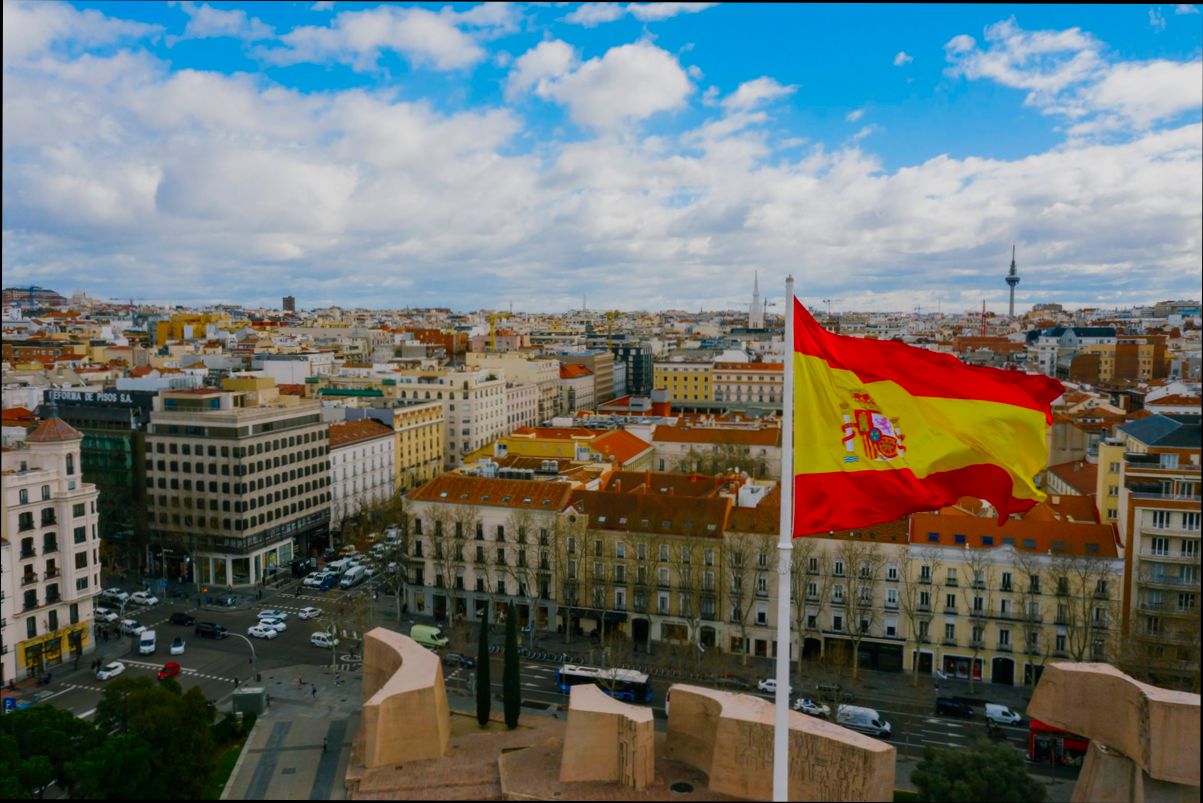
When considering a move to Burgos, Spain, it’s essential to understand the bigger picture of the expat phenomenon. The global expat population has seen substantial growth over the years, and Spain stands out as an attractive destination for those seeking new opportunities abroad.
As of mid-2024, an estimated 300–304 million people are living outside their country of birth, representing approximately 3.6–3.7% of the world’s population. This number has increased notably over the past few decades, highlighting a clear trend of migration that shows no signs of slowing down.
Key Statistics
- The global expat population increased from 281 million in 2020 to about 304 million in 2024, which reflects a growth of 19–23 million, or a 7–8% increase in just four years.
- Spain hosts roughly 6–7 million expats, making it a significant player in the global migration landscape, accounting for about 12–14% of Spain’s national population.
- Expats can be classified into various categories:
- Workers and professionals: 164 million (54%)
- Migrants and refugees: 50-55 million (17-18%)
- Retirees: 18-20 million (6-7%)
- Students: 6 million (2%)
- Other expats (family members, lifestyle movers, etc.): 50-60 million (19-21%)
Comparative Data on Expat Populations
| Category | Estimated Number | Percentage of Total |
|---|---|---|
| Workers & professionals | 164 million | 54% |
| Migrants & refugees | 50–55 million | 17–18% |
| Retirees | 18–20 million | 6–7% |
| Students | 6 million | 2% |
| Other Expats | 50–60 million | 19–21% |
Real-World Examples
The rise of remote work has contributed to the increasing expat population. Over 35 million individuals now choose to work remotely while living abroad, allowing great flexibility in choosing a location like Burgos, where the lifestyle can be more affordable and community-oriented.
In countries like Spain, many expats are drawn by a combination of lifestyle and economic opportunities. For instance:
- Spain’s pleasant weather and renowned healthcare system rank highly among expats, alongside its rich cultural offerings.
- Many choose to stay longer than five years, with 21% of expats planning for such extended periods.
Practical Implications
Understanding these statistics helps frame your expectations while living in Burgos. If you’re considering making the move:
- Recognize how diverse the expat community is; you may easily connect with fellow professionals or retirees.
- With 34% of expats indicating they could possibly stay forever, there’s a solid community you can be a part of.
- Keep in mind that integration into local life might require time and effort, especially if you are among the 11% opting for stays between one to three years.
Actionable Insights
- Engage with local expat groups online to familiarize yourself with support networks and social opportunities in Burgos.
- Research job opportunities that provide remote work options, as this is a prominent trend among the expat population.
- Be prepared for a lifestyle change; many expats appreciate the slower pace and community-oriented environment typical in places like Burgos.
With these statistics and insights in mind, you can gain a clearer understanding of your potential life as an expat in Burgos, Spain.
Legal Considerations for Moving to Burgos
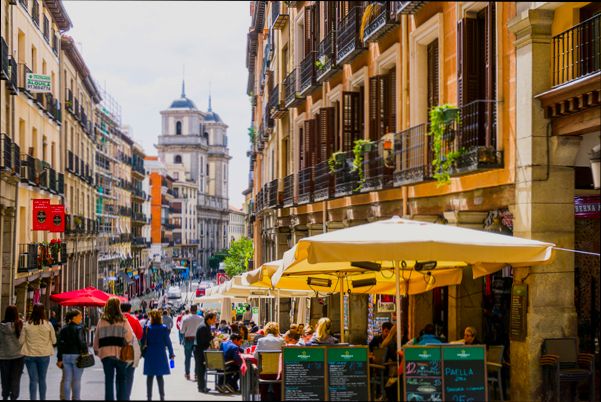
When contemplating a move to Burgos, it’s essential to grasp the legal framework that governs life as an expat in Spain. Understanding your rights and obligations will not only smooth your transition but also enrich your living experience in this charming city.
Residency and Visa Requirements
Before you pack your bags, familiarize yourself with the various residency and visa options available to you:
- Short-term Travel: For stays under 90 days, most expats can enter Spain without a visa if coming from a Schengen Agreement country.
- Long-term Residency: If you plan on staying longer, you’ll need to apply for a residence permit. Options include:
- Temporary Residence Permit: Usually valid for one year and can be renewed.
- Permanent Residence Permit: Granted after five years of continuous residency.
Registration with Local Authorities
As soon as you settle in Burgos, registering your residency is crucial:
1. Empadronamiento: This is your official registration at the town hall. It’s necessary for accessing public services like healthcare and schooling.
2. NIE Number: Obtaining a Número de Identificación de Extranjero (NIE) is essential for legal and financial transactions, including property purchases and opening a bank account.
Legal Obligations and Rights
Living in Burgos as an expat entails certain legal obligations you must comply with:
- Tax Obligations: Spain has an extensive taxation system; be prepared to understand both local and national tax laws. Typically, long-term residents must declare worldwide income.
- Consumer Rights: As a resident, you are entitled to consumer protection laws under Spanish jurisdiction, which are quite strong. Understanding these can protect you from fraud and ensure quality service.
Comparison of Visa Types
| Visa Type | Duration | Work Permission | Dependents Allowed | Renewal Process |
|---|---|---|---|---|
| Short-term Schengen Visa | Up to 90 days | No | No | N/A |
| Temporary Residence Permit | 1 year | Yes | Yes | Renewable annually |
| Permanent Residence Permit | Indefinite | Yes | Yes | After 5 years |
Real-World Examples
Consider Jane, an expat from the UK who recently moved to Burgos to pursue a teaching career. She applied for a Temporary Residence Permit, successfully registered with the local authorities, and quickly obtained her NIE, allowing her to open a bank account. Her proactive approach paid off; she now enjoys both her work and daily life in Burgos, fully integrated into the local system.
Practical Implications for Expats
Navigating the legal landscape in Burgos doesn’t have to be daunting:
- Keep all documentation organized and readily available for inspections or legal inquiries.
- Familiarize yourself with local laws regarding housing contracts and tenant rights if renting.
- Utilize resources like expat groups for up-to-date information and community support, especially regarding immigration issues.
Actionable Advice for New Expats
- Start the residency registration process as soon as you arrive to avoid potential fines.
- Consult a local immigration lawyer if you’re uncertain about your legal standing or need assistance with paperwork.
- Stay informed about annual tax deadlines and ensure compliance with Spanish fiscal regulations to avoid penalties.
Integration Strategies for New Residents
Integrating into a new community can be challenging, but with the right strategies, new residents in Burgos, Spain, can build meaningful connections and feel at home. Below, I’ll share key points on practical approaches you can take to enhance your integration experience.
Key Integration Strategies
1. Immerse Yourself in Local Activities
- Participating in community events and gatherings is crucial. The immersive observation method, lasting approximately 7 days, lets you build trust by engaging with community leaders and getting to know the local environment.
- Think about joining clubs, sports teams, or hobby groups.
2. Engage in Community Research
- Conducting community participatory research over 5 days to understand the needs of residents can help you to identify areas where you can contribute effectively.
- By aligning your skills or interests with local needs, you can create opportunities for collaboration.
3. Personal Interactions
- Plan one-on-one interviews or casual conversations with locals to delve deeper into the community’s needs. This step should take you around 3 days and provides insights into what residents really value.
- These personal connections can foster friendships and connections that make integration smoother.
4. Collaborative Visioning
- Organizing a shared vision workshop over 5 days can lead to more collaborative outcomes. Invite local opinion leaders to discuss community issues. This fosters a sense of belonging and mutual support.
- You’ll leave with a clearer picture of how to engage with the community.
5. Demonstrate Your Commitment
- Roll out a collaborative workshop that includes diverse age groups. These workshops, lasting about 7 days, can mix fun and practicality, helping residents work on community projects together.
- This not only benefits the community but also strengthens your position as a valued resident.
Comparative Integration Framework
| Step | Purpose | Duration |
|---|---|---|
| Immersion Observation | Build trust and understanding of locals | 7 days |
| Community Participatory Research | Identify community needs | 5 days |
| Personal Interviews | Understand deeper needs through conversation | 3 days |
| Shared Vision Workshop | Collaborate on community issues | 5 days |
| Collaborative Workshops | Co-create community-driven activities | 7 days |
Real-World Examples
- Aunt Wang’s Perspective (age 62) highlights the value of feedback and listening. She appreciates how young residents engage creatively with community activities, showcasing the potential for positive exchanges between generations.
- Mr. Wu (age 10) initially held negative views about older residents but found that participating in co-creation activities, like making stickers, changed his perspective. This exemplifies how personal interactions can break down barriers and foster respect.
- Miss Song (age 36) mentioned that community events, like the “Truth or Dare” activity, encouraged her children to participate and socialize, showcasing the impact of engaging events on children and families.
Practical Implications
You can enhance your integration experience by focusing on these actionable strategies:
- Attend local cultural events and volunteer your time.
- Utilize social media platforms to find community groups and discussions.
- Consider scheduling regular catch-ups with local friends to strengthen your bonds.
- Share your skills; offer workshops or talks on your areas of expertise, encouraging mutual learning.
Actionable Advice
To effectively integrate as a new resident:
- Set a personal goal to engage in at least one community event per month.
- Actively seek feedback from local friends on how to navigate social norms.
- Embrace the dual role of learner and contributor; your unique background can enrich the community context while you gain cultural understanding.