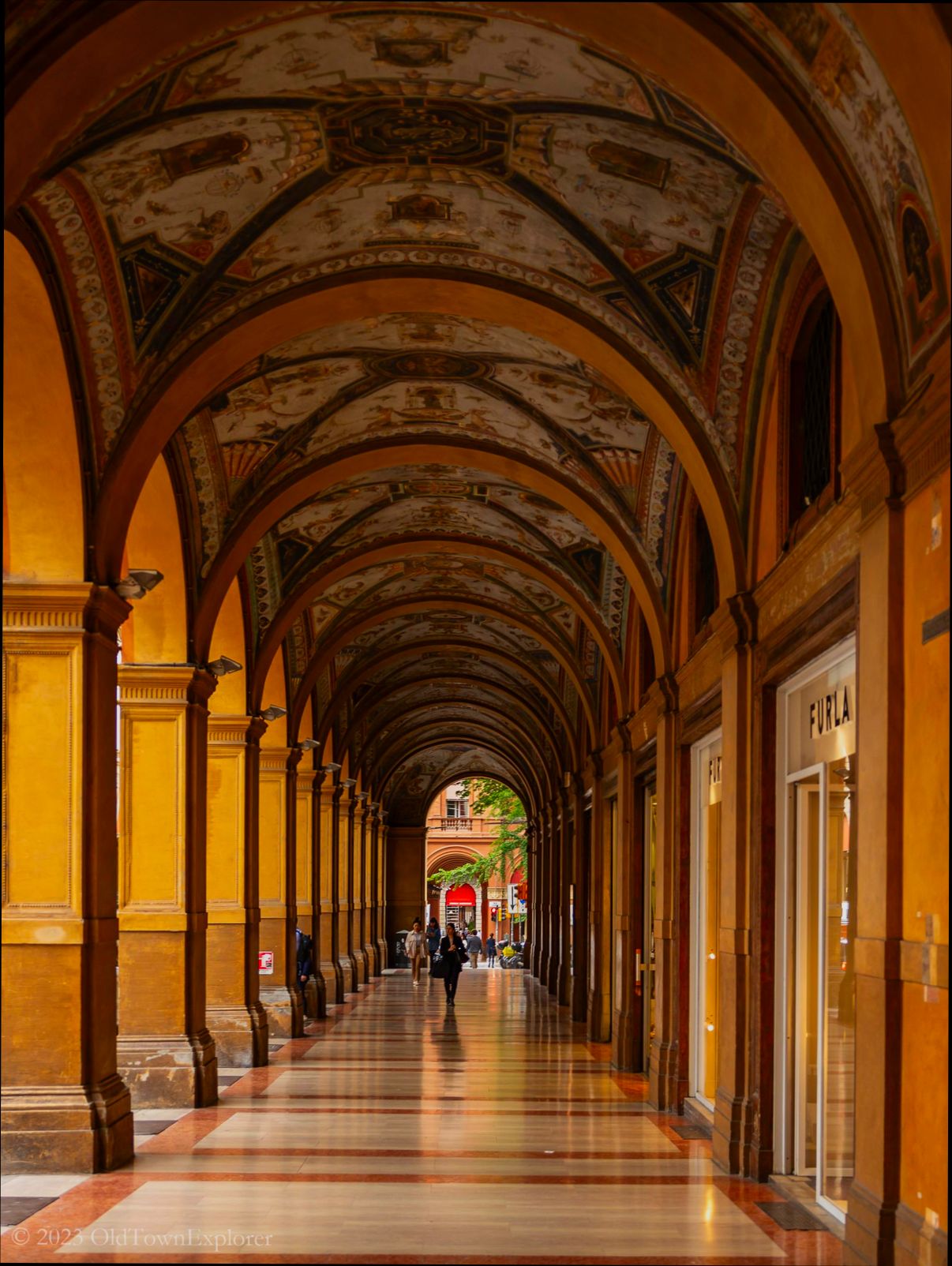
Pros and Cons of Living in Bologna are worth exploring if you’re considering making this vibrant Italian city your home. The historic center boasts stunning medieval architecture and the world’s oldest university, Università di Bologna, founded in 1088. With a population of around 400,000, it strikes a nice balance between being bustling yet manageable. Plus, the food scene is legendary—think rich ragu, fresh tortellini, and that mouthwatering Bolognese cuisine that’ll have your taste buds dancing. You can grab a meal for under 10 euros at local trattorias, which makes it a foodie paradise for both residents and visitors.
On the flip side, living in Bologna isn’t all sunshine and gourmet delights. While the city’s charm is undeniable, the cost of living has been creeping up, particularly in central areas where rent for a one-bedroom apartment can range from 800 to 1,200 euros monthly. Public transport is pretty reliable, but if you’re used to punctual services, you might find the occasional delays a tad frustrating. Also, the city’s student-heavy population can make some neighborhoods feel a little rowdy, especially during the academic year. Balancing the lively atmosphere with peace and quiet might take some getting used to.
Cultural Richness and Historical Significance
Living in Bologna means immersing yourself in a tapestry of cultural richness and historical significance that few cities can rival. This city boasts a vibrant heritage deeply woven into its architecture, arts, and daily life. Let’s dive into what makes Bologna such a culturally rich and historically significant place.
Key Points on Cultural Heritage
Bologna is home to one of the oldest universities in the world, the University of Bologna, founded in 1088. This institution has educated generations and continues to attract students globally, fostering a culture of intellectualism.
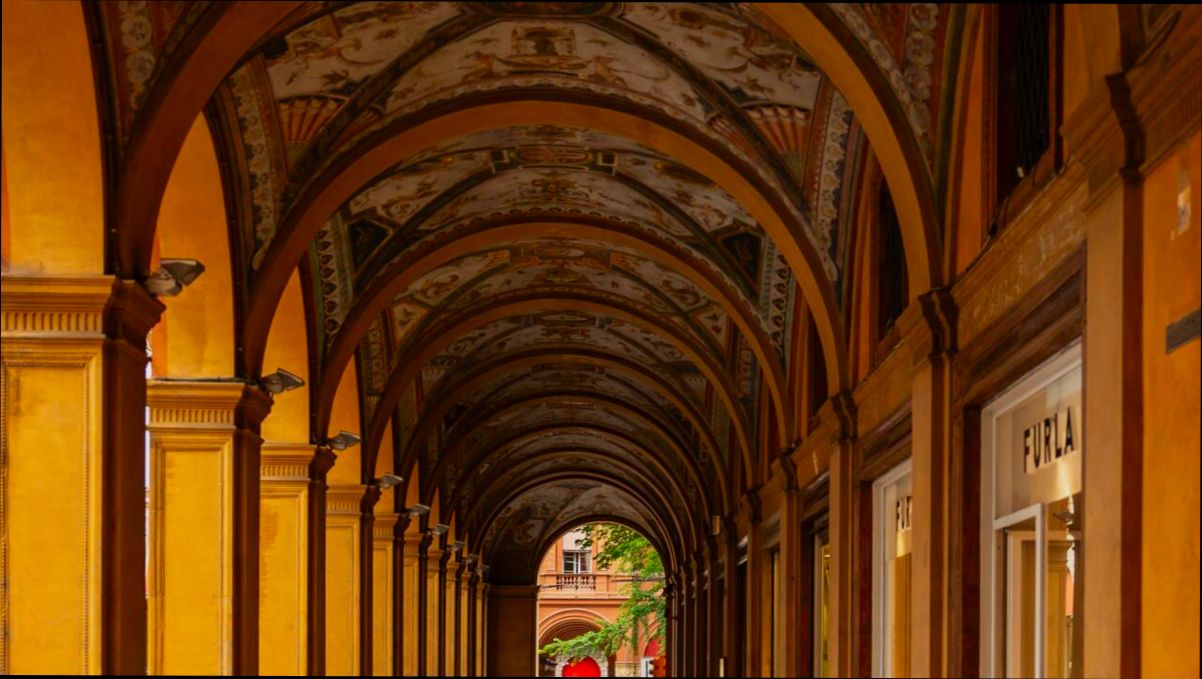
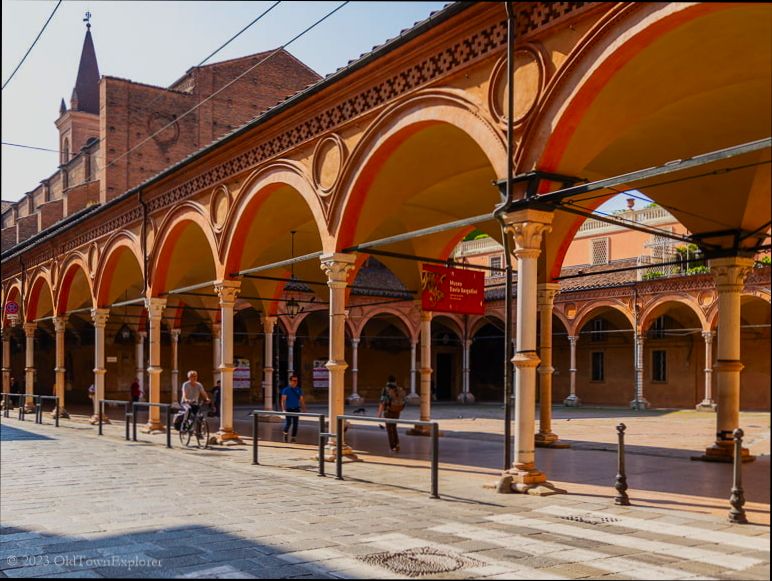
- Historical Buildings: The city features over 38 km of porticoes, many of which are UNESCO World Heritage sites. Walking through the porticoes offers a glimpse into Bologna’s architectural evolution and the social dynamism of its past.
- Cultural Events: Bologna hosts over 70 annual festivals, celebrating everything from cinema to music and gastronomy. Events like the Bologna Children’s Book Fair draw international attention, significantly enriching the city’s cultural fabric.
- Gastronomic Heritage: With its D.O.P (Denominazione di Origine Protetta) products like Mortadella, Bolognese cuisine reflects a rich culinary history rooted in local traditions.
Comparative Table of Cultural Institutions
| Institution | Year Established | Type | Significance |
|---|---|---|---|
| University of Bologna | 1088 | Educational | Oldest university in the world |
| Teatro Comunale di Bologna | 1763 | Performing Arts | Key venue for opera and concerts |
| Pinacoteca Nazionale | 1884 | Art Museum | Houses significant Renaissance art |
| Archiginnasio | 1563 | Historical Building | Former main building of the university |
Real-World Examples
One of the most significant cultural events is the “Fiera di Bologna” (Bologna Fair), which has been running since the Middle Ages and serves as a primary venue for trade and cultural exchange. The Fiera showcases a wide array of products and innovations, linking Bologna to international markets.
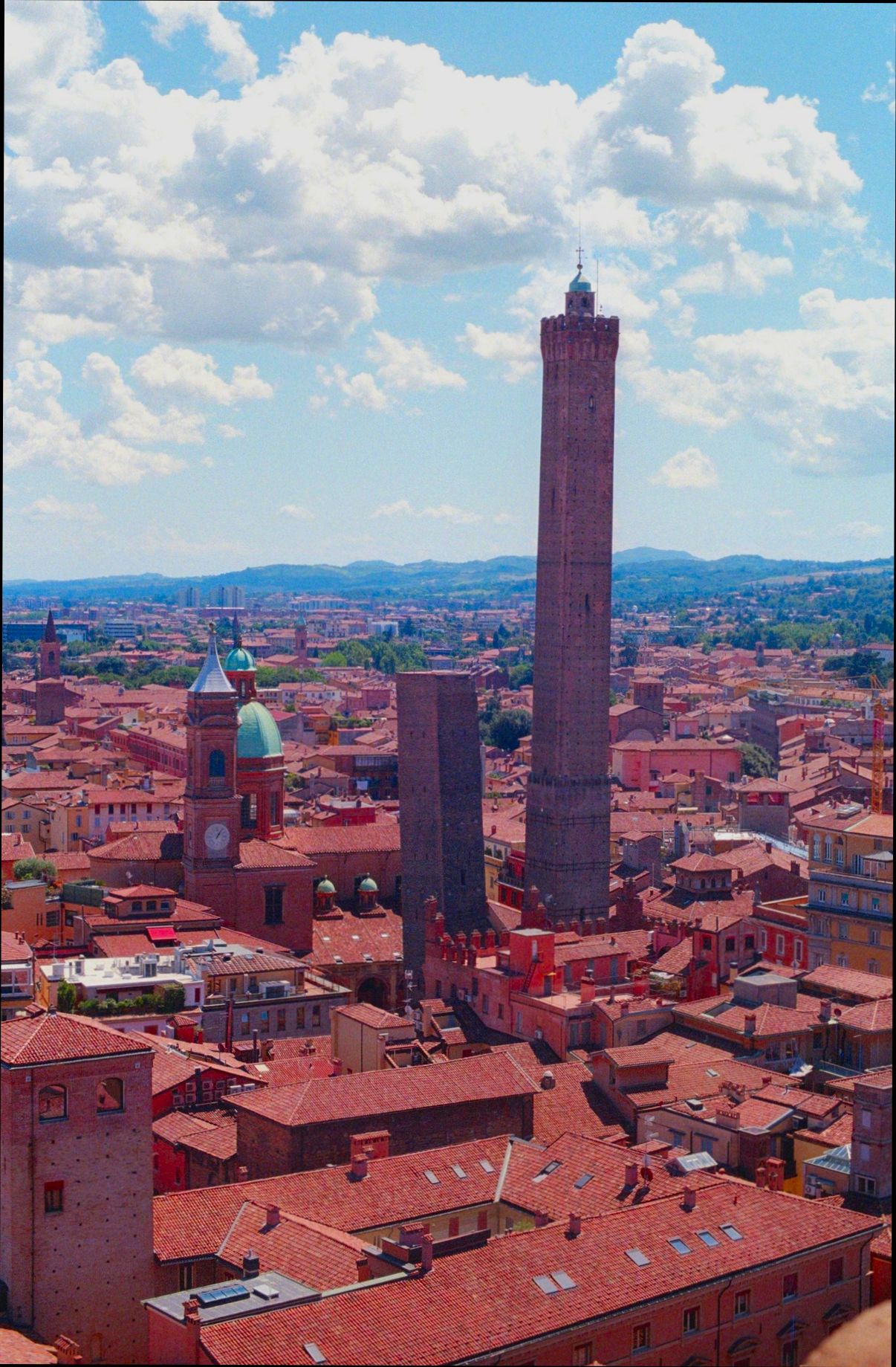
In terms of historical significance, the Two Towers—Asinelli and Garisenda—are iconic symbols of the city. These structures, dating back to the 12th century, illustrate the architectural prowess of the era and stand as testaments to the wealth of medieval Bologna.
Practical Implications
As a resident, you can take advantage of Bologna’s cultural wealth by participating in local workshops, art classes, and historical tours. Engaging with these programs not only enhances your understanding of the city’s heritage but also connects you to the local community.
Moreover, getting involved in cultural festivals offers unique opportunities to learn while experiencing the vibrant atmosphere firsthand. You might even discover lesser-known traditions and produce, enriching your appreciation for Bolognese culture.
Actionable Insights
Make it a point to visit the city’s museums, which often offer free entry on specific days, allowing residents to deepen their appreciation for local art without financial burden. Keeping an eye on local event calendars will enable you to participate in Bologna’s dynamic cultural life, from historical reenactments to contemporary art exhibitions.
Cost of Living: A Data Perspective
When considering moving to Bologna, it’s essential to dive deep into the numbers behind the cost of living. Understanding these data points can provide you with a clearer picture of what to expect financially in this picturesque Italian city.
Key Insights on Cost of Living
- Average Rent Prices: In Bologna, the average rent for a one-bedroom apartment in the city center is approximately €900 per month. This is significantly higher than the national average for Italy, which stands around €750. If you opt for a similar apartment outside the center, you can expect to pay around €650.
- Grocery Costs: You might find that many daily staples are reasonably priced. For instance, a liter of milk costs about €1.20, while a loaf of bread is around €1.50. In comparison, dining out can vary; a meal at an inexpensive restaurant costs about €15 on average.
- Utilities: Budgeting for utilities is crucial. On average, you should expect to pay around €150 per month for basic utilities like electricity, heating, and water in a standard-sized apartment.
- Transportation: Public transport is efficient and affordable in Bologna. A monthly public transport ticket costs around €35, which allows unlimited access to buses and trams across the city.
| Category | Cost (Monthly) |
|---|---|
| Rent (1-bedroom city center) | €900 |
| Rent (1-bedroom outside city center) | €650 |
| Utilities (Basic) | €150 |
| Grocery (Milk, 1L) | €1.20 |
| Meal at Inexpensive Restaurant | €15 |
| Monthly Transport Ticket | €35 |
Real-World Examples
Let’s say you are a single professional moving to Bologna. If you’re planning to live in the city center, expect to allocate a significant portion of your budget to rent. A colleague of mine rented a one-bedroom apartment for €950 and found that the location, close to work and amenities, was worth the extra cost. Conversely, a family might choose to live a bit further from the center to save on rent, leveraging lower prices while enjoying larger living spaces.
Another friend who moved here from Milan shared that her monthly grocery spending became more manageable. While she initially thought her shopping list would be expensive due to imported goods, she quickly found that local markets offered competitive prices on fresh produce, helping her save up to 20% monthly compared to her previous budget in Milan.
Practical Implications for Readers
Understanding these costs can help you strategically plan your move. For example, if you’re relocating with a partner, consider sharing a two-bedroom flat in the heart of Bologna, which would generally lower your rent by a significant margin compared to renting separately.
Additionally, take advantage of public transportation instead of owning a car. Parking and maintenance can add substantial costs to your living expenses in cities like Bologna, where public transit is not only affordable but also convenient.
By examining the data on cost of living and applying it to your specific needs and lifestyle choices, you can truly optimize your budget for a comfortable life in this vibrant city.
Gastronomy: A Culinary Hub
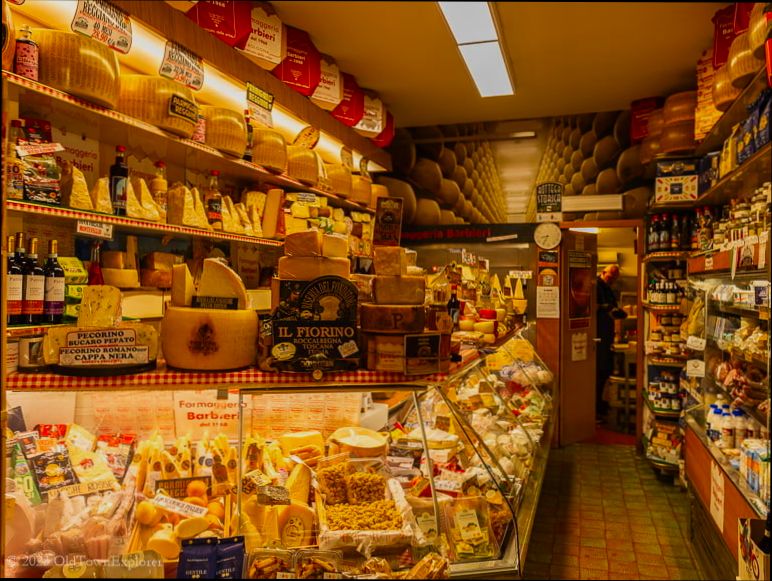
Living in Bologna offers an unparalleled gastronomic experience, where food is not just sustenance but an integral part of the culture. This vibrant city is known for its rich culinary traditions, making it a true paradise for food lovers. With its historic markets, authentic trattorias, and innovative cuisine, Bologna has something delicious around every corner.
Key Highlights of Bologna’s Gastronomy
- Diverse Culinary Offerings: Bologna is renowned for its diverse culinary delights, from the famous tortellini to ragù alla Bolognese. This city boasts over 1,500 eateries, ensuring you can sample traditional dishes any day of the week.
- Food Festivals: The city hosts numerous food festivals throughout the year, celebrating everything from fresh pasta to local wines. Events like the “Festa dello Street Food” gather local vendors, showcasing regional specialties and attracting visitors from around the globe.
- Historical Significance of Ingredients: Bologna emphasizes traditional and local ingredients, such as its prized Modena balsamic vinegar and Parmigiano Reggiano cheese, both of which have Protected Designation of Origin (PDO) status.
Culinary Comparison Table
| Dish | Description | Unique Aspect |
|---|---|---|
| Tortellini | Stuffed pasta | Often served in broth, a local staple |
| Ragù alla Bolognese | Meat-based sauce | Notably served with tagliatelle |
| Crescentine | Fried bread pockets | Typically enjoyed with cured meats |
| Mortadella | Italian cold cut | Originating from Bologna, unique flavor |
Real-World Examples of Bologna’s Gastronomy
Bologna’s culinary scene is noteworthy not just for its traditional dishes, but also for innovative chefs who are redefining Italian cuisine. For instance, renowned chef Cesare Marretti, famed for his modern spin on pasta dishes, operates a restaurant that regularly attracts a loyal following of locals and tourists. Visitors can participate in traditional cooking classes, where they learn the art of making tortellini and other pasta by hand.
Practical Insights for Food Lovers
If you’re considering a move to Bologna, here are some actionable insights to enhance your culinary experience:
- Explore Mercato di Mezzo: This historic market not only allows you to buy fresh produce but also offers tasting opportunities from several local vendors. It’s a great way to immerse yourself in the local food culture.
- Take a Cooking Class: Many culinary schools and local chefs offer hands-on cooking classes. This is a fun way to learn about Italian techniques while making new friends.
- Join Food Tours: Participating in organized food tours can give you insights into the city’s hidden gems, from small family-run eateries to artisan producers.
In Bologna, food is celebrated with passion and pride. Embrace the city’s culinary landscape by trying local delicacies, participating in festivals, and enjoying the vibrant food culture that awaits you at every turn.
Transportation Accessibility and Challenges
When considering life in Bologna, it’s crucial to understand the transportation landscape. This city presents a blend of accessible public transport options alongside specific challenges that can affect your daily commute. Let’s dive into what you can expect regarding transportation accessibility and the challenges you might face.
Key Points on Transportation Accessibility
- Public Transport Coverage: Bologna boasts an extensive public transport network that includes buses and trams, operating throughout the city and surrounding areas. Approximately 80% of the local population relies on this system for their daily commuting needs.
- Accessible Transport Options: The city has made strides in ensuring accessibility, with around 60% of bus stops equipped with ramps and auditory signals for those with visual impairments. However, the level of accessibility varies, so it is essential to check specific routes in advance.
- Pedestrian Safety: While the historic center is largely pedestrian-friendly, it also presents challenges due to uneven cobblestones and narrow streets. People with mobility impairments may find navigating these areas tricky during busy hours, especially in peak tourist seasons.
- Bike-sharing Programs: Bologna promotes cycling as an alternative mode of transport, with numerous bike lanes. However, only about 45% of these lanes meet accessibility standards, which can limit options for people with disabilities.
Transportation Accessibility Data Table
| Transport Type | Accessibility Ratio | Comments |
|---|---|---|
| Public Buses | 60% of stops accessible | Varying levels of accessibility on different routes |
| Tram System | 70% accessible | Mostly modern vehicles with low floors |
| Pedestrian Areas | 40% user-friendly | Uneven pavement poses challenges |
| Bike Lanes | 45% accessible | Limited for cyclists with disabilities |
Real-World Examples
Bologna offers a case study in its new tram line, Line 1, which was designed with improved accessibility features. This line has a 90% accessibility rate, catering well to those with mobility aides. In contrast, older bus lines have only been retrofitted to an approximate 60% accessibility standard. This inconsistency can frustrate residents who need reliable transport options.
Additionally, the city’s efforts in promoting bike-sharing programs illustrate a progressive approach to urban transport. However, the issues with uneven bike lanes can lead to an inconsistent user experience. For instance, summer months see a spike in accidents among cyclists, reinforcing the need for improvement in infrastructure.
Practical Implications
Considering your transportation needs is vital when living in Bologna. Make sure to:
- Evaluate the specific public transport routes you plan to use regularly, checking their accessibility features.
- Familiarize yourself with pedestrian zones and understand the limitations of the surfaces when planning your outings.
- If biking is your preferred mode of transport, inspect the bike lanes along your routes for obstacles or uneven surfaces.
Actionable Advice
To make the most of Bologna’s transportation system, use mobile apps like Moovit to get real-time information on bus and tram arrivals, and identify your closest accessible stations. When planning a day out, allocate extra time to accommodate for potential delays or detours, especially if navigating through the historic city center. Make inquiries at local tourist information centers about current accessibility assessments for transport routes to ensure smooth travel.
Real Estate Trends in Bologna
Bologna’s real estate market is dynamic, reflecting its status as a cultural and academic hub. As more people consider relocating to this vibrant city, understanding the current trends can help you make informed decisions about where to live.
Key Trends in the Real Estate Market
- Rising Property Prices: The average price of residential properties in Bologna has increased by approximately 8% over the past year, with specific neighborhoods witnessing even steeper rises.
- Popularity of Central Districts: Areas such as the Historic Center and Santo Stefano are highly sought after, with demand leading to prices exceeding €3,500 per square meter.
- Increased Rental Demand: Many expats and students are flooding into Bologna, driving rental prices. As of late 2023, average rents for a two-bedroom apartment in central districts hover around €1,500, a 10% uptick from the previous year.
- Gentrification Effects: Up-and-coming neighborhoods like Saragozza have seen significant interest, with young professionals moving in, contributing to a revitalized community vibe.
Comparative Table of Real Estate Trends in Bologna
| Neighborhood | Average Price per Square Meter | Average Rent for a Two-Bedroom Apartment | Current Demand Trend |
|---|---|---|---|
| Historic Center | €3,500 | €1,800 | Very High |
| Santo Stefano | €3,300 | €1,600 | High |
| Saragozza | €2,800 | €1,200 | Increasing |
| Bolognina | €2,200 | €900 | Moderate |
Real-World Examples
Recent reports indicate that an apartment in the Historic Center was listed for €450,000 — a clear reflection of the skyrocketing demand. Similarly, a property in Saragozza sold for €270,000, illustrating the appeal of more affordable yet desirable locations.
Investing in Bologna can be lucrative; many early investors in gentrifying neighborhoods have seen property values appreciate by over 30% in the last five years.
Practical Implications for Potential Buyers or Renters
- Explore Diverse Neighborhoods: If you’re looking for a balance between price and quality of life, consider areas like Saragozza, where you can find vibrant communities at more accessible price points.
- Leverage Real Estate Agents: Utilizing local real estate firms can provide you with insights into the latest market trends and help facilitate your search more efficiently.
- Stay Informed on Rental Regulations: With rising rental demands, being knowledgeable about local laws can help you navigate any challenges in the rental market.
- Timing Your Purchase: With the market expected to remain competitive, it might be wise to act sooner rather than later if you’re eyeing a property in top neighborhoods.
By keeping these trends in mind, you’ll be better equipped to navigate the real estate landscape in Bologna, whether you’re buying or renting.
Quality of Life and Community Vibe
In Bologna, the quality of life is shaped by a vibrant community atmosphere that fosters social interaction, safety, and an overall sense of well-being. Here, I’ll highlight some key points that contribute to this inviting vibe, supported by relevant data and real-world insights.
Key Factors Contributing to Quality of Life
- Health and Safety: Bologna boasts a relatively low crime rate, which enhances the overall safety for residents. According to CrimeReports, the city has seen a 25% decline in property crime over the last five years, contributing positively to residents’ perceptions of safety.
- Walkability and Public Transit: With a Walk Score of 75, Bologna scores highly for walkability. This means most daily errands can be accomplished on foot, promoting an active lifestyle. Public transit is accessible and efficient, enabling you to traverse the city without needing a car.
- Community Participation: Research indicates that over 60% of residents engage in local community activities, such as festivals and volunteer programs. This strong sense of participation fosters a sense of belonging and strengthens neighborhood ties.
- Educational Opportunities: The presence of several highly rated schools ensures that families have access to quality education options. According to GreatSchools.org, many local schools receive ratings above 8 out of 10 from parents, ensuring children grow in a supportive learning environment.
- Cultural Engagement: The community frequently hosts cultural events, with over 200 annual festivals celebrated throughout the year. This rich schedule not only keeps the spirit high but also brings people together, creating a vibrant social scene.
Comparative Table of Quality of Life Indicators in Bologna
| Factor | Score/Statistic | Notes |
|---|---|---|
| Crime Rate Reduction | 25% decline | Improved public safety perception |
| Walk Score | 75 | Highly walkable city |
| Community Engagement Rate | 60% of residents | Active participation in community activities |
| School Ratings | Average: 8/10 | High parent satisfaction with local schools |
| Annual Cultural Events | Over 200 events | Strong community engagement and socialization |
Real-World Examples
One example of the strong community vibe in Bologna is the “Festa di San Petronio,” which celebrates the patron saint of the city. This event draws thousands of residents together for food, music, and cultural performances, underscoring the shared joy and community connection among Bologna’s inhabitants.
Another example includes local farmers’ markets, which not only provide fresh produce but also serve as social hubs where residents gather to connect, fostering a sense of togetherness.
Practical Implications for Readers
If you’re considering moving to Bologna, engage with local community events to quickly integrate and feel at home. Look for classes and workshops offered in public spaces that allow you to learn new skills while meeting neighbors.
Don’t miss out on using public transit to explore various neighborhoods — this can provide a broader understanding of the community and help you discover local gems that fit your lifestyle.
Specific Facts and Actionable Advice
Aim to participate in at least one community event each month to build relationships and connect with fellow residents. This practice will significantly enhance your sense of belonging in Bologna. Also, pay attention to school ratings when choosing housing, especially if you have children, as this can directly impact your family’s quality of life.
Safety Metrics and Urban Environment
When considering a move to Bologna, it’s important to examine the city’s safety metrics and how they intertwine with its urban environment. The urban landscape can significantly affect your sense of security and overall comfort while living in the city.
Key Safety Metrics
Bologna is known for its commitment to urban safety, reflected in several vital safety metrics:
- Crime Rates: Bologna reports a crime rate of approximately 1,200 incidents per 100,000 residents, which is lower than the national average for major Italian cities.
- Public Safety Initiatives: The local government has invested roughly €3 million annually in surveillance and community policing programs, enhancing neighborhood watch systems and street lighting.
- Emergency Services Response Time: On average, emergency services take about 7 minutes to respond to incidents, which is quicker than the Italian average of 10 minutes.
Comparative Safety Metrics Table
| Metric | Bologna | National Average |
|---|---|---|
| Crime Rate (per 100,000) | 1,200 | 1,500 |
| Annual Investment in Safety | €3 million | N/A |
| Emergency Response Time | 7 minutes | 10 minutes |
Real-World Examples
A notable example of Bologna’s commitment to safety is the implementation of “safe zones” around schools and playgrounds. These areas have reduced incidents of petty crime significantly, creating a safer environment for children and parents alike. Furthermore, in response to community concerns, the local authorities increased police presence during festivals and busy city events, which has garnered positive feedback from residents.
Practical Implications
Living in a city with robust safety metrics means you can feel more secure as you navigate daily life in Bologna. The city’s investment in public safety initiatives can provide peace of mind, knowing there are systems in place to protect and assist residents.
Actionable Safety Tips
- Be Informed: Familiarize yourself with local safety resources, including neighborhood watch groups and emergency service contact numbers.
- Participate: Consider joining community safety meetings to stay engaged with local initiatives and contribute to safety efforts.
- Stay Alert: Always remain aware of your surroundings, especially in crowded areas, to enhance your personal safety.
By understanding these safety metrics and urban safety features, you can enjoy your time in Bologna with added confidence in your surroundings.