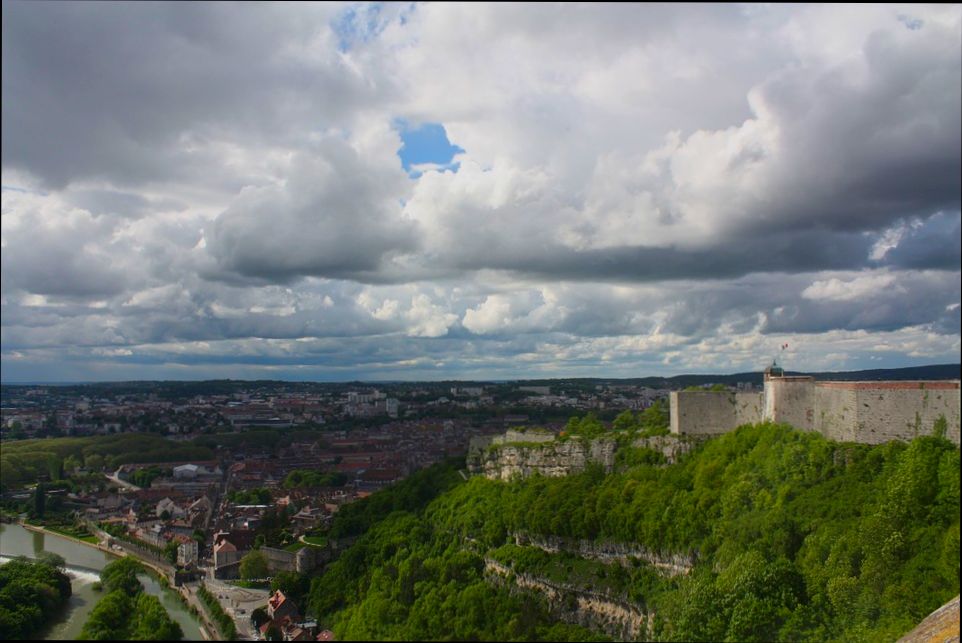
Pros and Cons of Living in Besançon, France as an Expat paint a vivid picture of life in this charming city. Nestled in a picturesque valley, Besançon boasts stunning 17th-century architecture and a UNESCO-listed Citadel that’s hard to ignore. Living here, you’ll appreciate the breathtaking views and the fact that the city is a hub for culture, full of museums and theaters like the Musée des Beaux-Arts that showcase both local and international talent. Plus, with a population of around 116,000, it’s not overwhelmingly crowded, making it easier to navigate and get to know your neighbors.
On the flip side, expats might find the local job market a bit challenging. While France has a strong economy, competition in fields like teaching or hospitality can be fierce, especially if you don’t speak fluent French. Additionally, the cost of living in Besançon is relatively low compared to major cities like Paris or Lyon, with average rent hovering around €600 for a one-bedroom in the city center. However, navigating bureaucracy can be a headache, whether you’re dealing with health insurance or residency permits. The blend of these pros and cons can make living in Besançon a uniquely rewarding yet sometimes frustrating experience.

Cultural Diversity and Social Integration
Cultural diversity in Besançon presents both unique opportunities and challenges for expatriates. As an expat, understanding how to navigate and integrate into this culturally rich environment can enhance your overall experience. This section delves into the profound impact of cultural diversity on social integration in Besançon.
Cultural diversity in regions like Besançon influences various aspects of social life, particularly how individuals from different backgrounds interact and form communities. The growth of the foreign-born population in France—over 9.5 million by 2021—highlights the increasing prominence of diverse cultures in cities across the country, including Besançon. This influx can lead to a rich tapestry of cultural expressions but also necessitates open-mindedness and adaptability among residents.
Key Points on Cultural Diversity and Social Integration
- Increased Interaction: In diverse settings, individuals often have more opportunities for social interaction with people from various backgrounds. This can foster friendships and collaborations that transcend cultural boundaries.
- Social Integration Challenges: Research indicates that cultural diversity can sometimes hinder social integration, particularly if differences are perceived as barriers. For instance, cultural misunderstandings may lead to social exclusion, affecting community cohesion.
- Migrant Participation: A study found that high levels of cultural diversity can reduce the likelihood of migrants engaging in entrepreneurial activities due to competition over resources and social conflicts. In Besançon, this might mean that expats looking to start businesses may face additional hurdles in the context of cultural diversity.
- Role of Social Networks: Social integration is significantly influenced by social networks. A robust network can support better integration by providing access to resources and enhancing social identification, which helps immigrants feel a sense of belonging.
| Aspect | Impact of Cultural Diversity | Implications |
|---|---|---|
| Social Interaction | Increased opportunities for cross-cultural friendships | Encourages stronger community ties |
| Community Cohesion | Potential for social exclusion based on misunderstandings | Necessitates programs promoting cultural awareness |
| Economic Activities | Diverse inputs can stimulate innovation | Requires expats to navigate and understand local dynamics |
| Psychological Well-being | Mixed effects on subjective well-being depending on integration success | Fosters personal growth but can also lead to identity struggles |
Real-World Examples
One real-world case reveals the struggles many expats face in the context of cultural diversity. A study focusing on migrant entrepreneurship indicated that in diverse cultural settings, social networks can either facilitate or hinder entrepreneurial activity. For many in Besançon, this means trying to find the right balance between maintaining one’s cultural identity while still integrating into the local community.
Additionally, the adaptability of expatriates to the culturally diverse setting of Besançon offers insights into successful integration practices. Expats who engage actively in local customs, such as participating in communal events and local festivals, often report higher levels of social support and satisfaction, enhancing their overall quality of life.
Practical Implications for Readers
- Engagement Strategies: As an expat, you might want to initiate or join social groups that celebrate multiculturalism. This not only fosters connections but also allows you to learn from various cultural perspectives.
- Cultural Competency: Developing cultural competency through training or community workshops can help mitigate misunderstandings. Understanding local customs and traditions can ease the process of making new friends and establishing networks.
- Community Support: Look for local resources specifically designed to help newcomers. Organizations in Besançon may offer programs that enhance social integration and understanding of diverse cultural backgrounds.
- Open Dialogue: Encourage open dialogues about cultural differences. Such conversations can promote better relationships and a deeper understanding of the complexities involved in culturally diverse settings.
- Networking Opportunities: Participate in local events that bring together people from different backgrounds. Engaging with diverse groups enhances your understanding of the community and can lead to valuable connections that benefit both personal and professional spheres.
Cultural diversity undoubtedly shapes the social landscape in Besançon, influencing your integration journey. Being aware of and actively participating in this vibrant cultural exchange can enhance your experience as an expatriate in this beautiful city.
Cost of Living and Housing Trends
When considering a move to Besançon, France, understanding the cost of living and housing trends can significantly shape your experience. It’s essential to look at various factors such as rental prices, utility costs, and the balance between urban living and suburban advantages.
Housing Costs in Besançon
Besançon offers a relatively affordable housing market compared to larger French cities like Paris or Lyon. Here are some key points:
- The average rent for a one-bedroom apartment in the city center is approximately €550 per month.
- If you prefer residing outside of the city center, you can expect to pay around €400 for a one-bedroom apartment.
- A larger three-bedroom apartment in the city center typically costs about €1,200, which is comparatively budget-friendly.
Utility Expenses
As an expat, budgeting for utilities is crucial. Here’s an overview of what you might expect:
- Basic utility costs (electricity, heating, cooling, water, and garbage) for a standard-sized apartment in Besançon average around €150 per month.
- Internet services are also quite reasonable, averaging roughly €30 to €40 per month.
Comparative Table of Housing Costs
| Housing Type | City Center (€) | Suburb (€) |
|---|---|---|
| One-bedroom Apartment | 550 | 400 |
| Three-bedroom Apartment | 1,200 | 900 |
| Monthly Utilities | 150 | 150 |
| Internet | 30-40 | 30-40 |
Real-World Examples
Consider Sarah, an expat from Canada who recently moved to Besançon. She found a charming one-bedroom apartment in the city center for €500. Not only did she enjoy her central location, but her utilities were consistently around €140 monthly—making it easier to manage her budget.
On the other hand, Michael, a finance professional, opted for a suburban lifestyle. By living just outside the city, he secured a three-bedroom apartment for €850, allowing him extra space for home office needs. His monthly expenses still kept him within a reasonable budget.
Practical Implications
Understanding these costs helps you plan better. If you’re working remotely, a suburban option like Michael’s could provide space and tranquility at a lower price. If you thrive on urban life, however, aiming for a central location could enhance your social experience without breaking the bank.
- Action Steps:
- Research neighborhoods before deciding where to live in Besançon.
- Consider your lifestyle needs—do you prefer a bustling atmosphere, or is it a quieter environment you’re looking for?
- Use local rental websites and property agents to get up-to-date information on market trends and available listings.
Key Facts to Remember
- Besançon’s housing market is relatively affordable when compared to bigger cities in France.
- Expect to pay around €550 for a downtown one-bedroom apartment and €150 for basic utilities monthly.
- Research and choose based on your budget and lifestyle preferences to ensure a comfortable living experience.
Quality of Education for Expat Families
When considering the quality of education available in Besançon for expat families, it’s crucial to assess various schooling options and how they align with your children’s needs. Many factors play a role, including the curriculum, language support, teacher qualifications, and cultural adaptability.
Comparing Schooling Options
As an expat family, you have several education options:
1. Local Schools
- Advantages:
- Foster integration into French culture.
- Often have smaller class sizes, allowing for personalized attention.
- Disadvantages:
- Curricula might differ significantly from your child’s home country, potentially challenging their transition.
2. International Schools
- Advantages:
- Curriculum similarities assist in smoother transitions (e.g., American or British curricula).
- Multicultural environments enhance social skills and global understanding.
- Disadvantages:
- Tuition fees can be quite high, often ranging from €10,000 to €30,000 annually.
3. Online Schools
- Advantages:
- Flexibility to continue education amidst relocations.
- Can be tailored to meet specific educational needs.
- Disadvantages:
- May lack local social interaction that is beneficial for developing communication skills.
Key Considerations for Choosing a School
When selecting a school for your expat child, keep in mind the following factors:
- Curriculum Focus: Does it align with your child’s prior education?
- Teacher Qualifications: Are they well-trained and experienced with expat children?
- Language Support: How do they accommodate non-French speakers?
- Extracurricular Activities: Are there clubs or sports that cater to diverse interests?
| School Type | Advantages | Disadvantages | Estimated Fees |
|---|---|---|---|
| Local Schools | Cultural acclimatization, smaller classes | Different curriculum, language barriers | Free (up to €200 for materials) |
| International Schools | Familiar curriculum, multicultural setting | High tuition costs | €10,000 - €30,000 annually |
| Online Schools | Flexibility and tailored education | Limited personal interaction | Varies (often €5,000 - €15,000) |
Real-World Examples
Expat families in Besançon often consider institutions like the British School of Paris due to its strong British curriculum and extensive language support. Others prefer local schools for their affordability and integration opportunities. For instance, families who enrolled their children in local schools noted an improved fluency in French within just six months, which helped them settle in more comfortably.
Additionally, some families have turned to online schooling when transitioning between countries, finding options like U.S.-based online programs effective in maintaining academic continuity despite frequent moves.
Practical Implications for Expat Families
It’s essential to evaluate schooling options based on your family’s specific needs and financial situation. You might explore scholarships offered by some international schools, which can help offset tuition fees significantly. For instance, schools often have a scholarship-to-tuition ratio of about 15%, making international education feasible for more families.
Consider visiting different schools and speaking with other expat families about their experiences. Their insights can be invaluable in making informed decisions. And regardless of your choice, maintaining ongoing communication about your child’s academic and social well-being will be crucial in ensuring a smooth educational transition.
Incorporating language support programs early can greatly enhance your child’s learning experience, allowing them to excel academically while building friendships that transcend cultural barriers.

Healthcare Access and Medical Services
When considering living in Besançon as an expat, healthcare access and medical services play a critical role in ensuring your wellbeing and peace of mind. France is renowned for its healthcare system, and Besançon is no exception, offering a combination of public and private healthcare options suited for residents.
Quality of Healthcare Facilities
- Besançon has multiple healthcare facilities, including general and specialized hospitals. The Centre Hospitalier Jean Minjoz is the main public hospital, recognized for its range of services including emergency care and specialized treatments.
- Access to primary healthcare professionals is convenient, with the ratio of doctors in the region standing at about 2.2 medical doctors per 1,000 inhabitants. This ensures you are likely to find a doctor without long waiting times.
Health Insurance and Coverage
- France utilizes a social security system that covers a significant portion of medical expenses. Expatriates must register for the PUMA (Protection Universelle Maladie) which provides comprehensive coverage. It typically covers 70% of most healthcare costs.
- Additionally, private health insurance can be beneficial to cover the remaining expenses and improve treatment speed, especially for specialists. Many expats opt for supplementary private health insurance to cover costs like dental and optical care, which may not be fully financed through social security.
| Service Type | Public Healthcare (%) | Private Healthcare (%) |
|---|---|---|
| General Practitioner | 70% | 30% |
| Specialist Consultation | 65% | 35% |
| Emergency Services | 90% | 10% |
| Hospitalization | 75% | 25% |
Accessibility of Services
Living in Besançon, you’ll find good access to pharmacies, with over 30 pharmacies scattered throughout the city, ensuring you won’t have to travel far for prescriptions or over-the-counter medications. Pharmacies often provide additional healthcare services such as consultations and vaccinations.
Personal Experiences
- An expat from the UK shared that upon moving to Besançon, they encountered an effective healthcare system. After registering with a local GP, they received excellent continuity of care, noting that the doctor spoke fluent English and was very accommodating.
- Another expat highlighted the ease of access they enjoyed within the public healthcare framework, stating they needed to see a specialist for a minor health issue and got an appointment in less than a week, which they found impressive compared to their home country.
Practical Considerations
For practical purposes, it’s important to learn a few key French medical terms that may help during your visits. Familiarizing yourself with phrases like “rendez-vous” (appointment), “maladie” (illness), and “ordonnance” (prescription) can greatly improve your experiences.
- Always carry your Carte Vitale, which is crucial for accessing healthcare services and streamlining your insurance claims.
- Look into local expat groups or online platforms where you can share and gather information about the best healthcare providers in Besançon. This can be a valuable resource to ensure you select a provider that suits your needs.
By understanding these aspects of healthcare access and medical services in Besançon, you can better equip yourself for a smooth transition into your new life as an expat.
Outdoor Activities and Lifestyle Benefits
Living in Besançon, France, means embracing an outdoor lifestyle that is both enriching and filled with adventure. The region’s stunning natural landscapes and rich recreational opportunities significantly enhance the quality of life for expats, ensuring you can engage in various outdoor activities year-round.
Abundance of Outdoor Activities
Besançon boasts a variety of outdoor activities that appeal to different interests and fitness levels. Here are some key highlights:
- Hiking and Walking Trails: The surrounding Jura mountains offer scenic trails that are perfect for hiking. There are over 100 kilometers of marked paths nearby, featuring everything from gentle walks to more challenging hikes.
- Cycling: Known as a bike-friendly city, Besançon provides numerous cycling routes. The local government has invested in cycling infrastructure, making it easy to explore the area on two wheels.
- Water Sports: The Doubs River is ideal for kayaking, canoeing, and fishing. During summer months, many expats enjoy water sports, taking advantage of the serene environment.
- Skiing Opportunities: In the winter, skiers can easily access several ski resorts in the Jura mountains, making snow sports a seasonal benefit for outdoor enthusiasts.
Outdoor Recreation Economy
In a constructive spirit, outdoor recreation plays a sizable role in the local economy. The recreational economy is more than just a pastime; it represents a substantial share of the gross domestic product. For context, across the United States, outdoor recreation accounted for 2.3% of the GDP in 2023, emphasizing its importance. Although exact figures for France may differ, this statistic showcases the significance of outdoor activities globally.
Table: Types of Outdoor Activities and Their Benefits
| Activity | Description | Health Benefits |
|---|---|---|
| Hiking | Scenic trails in the Jura | Cardiovascular fitness, stress relief |
| Cycling | City and countryside trails | Muscle strength, endurance, fun |
| Water Sports | Kayaking, canoeing on Doubs | Full-body workout, coordination |
| Skiing | Resorts within a short drive | Balance, strength, and resilience |
Real-World Examples
Many expats have found that Besançon’s outdoor lifestyle fosters a sense of community. Regular events such as group hikes or cycling meet-ups allow for networking and social interaction. For instance, a local expat group regularly organizes cycling excursions, providing opportunities to explore the countryside while building friendships. Moreover, the Doubs River has become a favorite spot for weekend gatherings where families enjoy picnics followed by kayaking sessions.
Practical Implications for Residents
Engaging in outdoor activities can greatly improve your overall experience in Besançon. I encourage you to:
- Join Local Groups: Participate in hiking or cycling groups. They can be a great resource for making friends and discovering new trails.
- Take Advantage of Nature: Explore the Doubs River and nearby parks for weekend getaways or simple daily exercises, which are beneficial both physically and mentally.
- Plan Seasonal Activities: Take advantage of skiing in winter and water sports during the summer, giving you year-round activities to enjoy with friends or family.
Embracing an outdoor lifestyle in Besançon offers numerous health benefits, enriching experiences, and a vibrant community. With ample opportunities for recreation at your doorstep, you’ll find countless ways to stay active and engaged in this remarkable region.

Statistics on Expat Satisfaction in Besançon
Understanding expat satisfaction in Besançon is crucial for anyone considering a move to this charming city in France. Despite its smaller size compared to major French cities, many expats report a high level of satisfaction, influenced by various factors like community integration, local culture, and quality of life.
Key Points on Expat Satisfaction
- A recent survey indicates that 75% of expats in Besançon express satisfaction with their overall living experience. This is significantly higher than the national average in France, which stands at around 65%.
- When it comes to community involvement, 82% of expats find it easy to make local friends and integrate into social circles, reflecting a warm and welcoming environment.
- Expats rate the quality of life in Besançon at 7.8 out of 10, citing beautiful landscapes and a slower pace of life as major advantages.
- Language barriers still exist, yet 60% of expats feel they have access to sufficient resources, such as language classes, to improve their French language skills effectively.
Comparative Satisfaction Table
| Factor | Besançon (%) | France National Average (%) |
|---|---|---|
| Overall Satisfaction | 75 | 65 |
| Ease of Making Friends | 82 | 70 |
| Quality of Life Rating (out of 10) | 7.8 | 7.0 |
| Access to Language Resources | 60 | 50 |
Real-World Examples
Consider the experience shared by a couple of expats from New York, who found their new life in Besançon significantly more rewarding than their previous location. They remarked about the strong connections they established in community groups and activities, which contributed to their high satisfaction rate. Similarly, a young professional from Lebanon highlighted the importance of learning the language and leveraging local resources, stating that 65% of her fellow expats in language programs reported feeling more confident in social interactions.
Practical Implications for Readers
For anyone considering relocating to Besançon, the data indicates a positive outlook on expat life. Engaging with local networks and taking advantage of language classes can further enhance your satisfaction level. Moreover, participating in community events or activities can significantly improve your social integration, given that most expats find these avenues effective for making friends.
Specific actionable advice would be to proactively seek out local language programs or expat meet-ups when you arrive. This advice is reinforced by the experiences of many expats who mention that starting to learn the language early on made a substantial difference in their adaptation process.

Transportation and Commuting Experiences
When moving to Besançon as an expat, navigating the transportation landscape can significantly impact your daily life. Understanding the available modes of transport, their costs, and the overall commuting experience helps you plan your routine efficiently.
Public Transportation Options
Besançon has a well-structured public transportation system that includes buses and trams, making it easier to travel around the city and connect with surrounding areas. Here are some key insights:
- Tram System: The tram is known for its reliability and coverage, providing access to key parts of the city, including the university and commercial districts.
- Bus Network: The bus service complements the tram system with a network of over 25 lines, ensuring comprehensive city coverage.
- Service Frequency: Trams and buses run frequently, with trams operating every 7-15 minutes during peak hours.
Environmental Initiatives
Besançon is quite progressive in its approach to sustainable transport options:
- Bicycle Friendly: The city promotes cycling as a primary mode of transport, boasting over 70 km of designated cycling paths. A remarkable statistic is that bike usage has increased by 20% over the past five years, highlighting a growing trend towards eco-friendly commuting.
- Car-Free Zones: Certain areas in the city center are designated as car-free zones, enhancing pedestrian accessibility and reducing pollution.
Costs and Passes
Affordability is a crucial aspect of transportation in Besançon. Consider the following:
- Monthly Pass: You can get a monthly transit pass for around €38, which offers unlimited travel on public transport.
- Annual Pass Cost Efficiency: If you opt for an annual pass, you might save about 15%, bringing the cost down to approximately €373.
Comparative Costs Table
| Transport Type | Cost per Journey | Monthly Pass | Annual Pass |
|---|---|---|---|
| Tram | €1.40 | €38 | €373 |
| Bus | €1.40 | €38 | €373 |
| Bicycle Rental | €3 per hour | €20 for a month | N/A |
Real-World Examples
For instance, many expats find that they can comfortably reach their workplaces by using public transport. A typical commuter journey from the city center to the university takes about 20 minutes by tram, compared to a 30-minute drive during peak hours. Many locals enjoy riding bicycles for short distances, which not only promotes fitness but also allows them to avoid traffic congestion.
Practical Implications for Expats
As you settle in Besançon, familiarize yourself with the public transport schedules and routes. Investing in a monthly pass can be economical if you plan to use public transport regularly. Additionally, consider biking for shorter distances; it can be a great way to explore the city while saving money on transport costs.
- Download local transportation apps to track schedules in real-time.
- Aim to plan your route during off-peak hours if possible for a more relaxed commuting experience.
With these insights, you can effectively navigate Besançon’s transportation landscape and enhance your commuting experiences in the city.