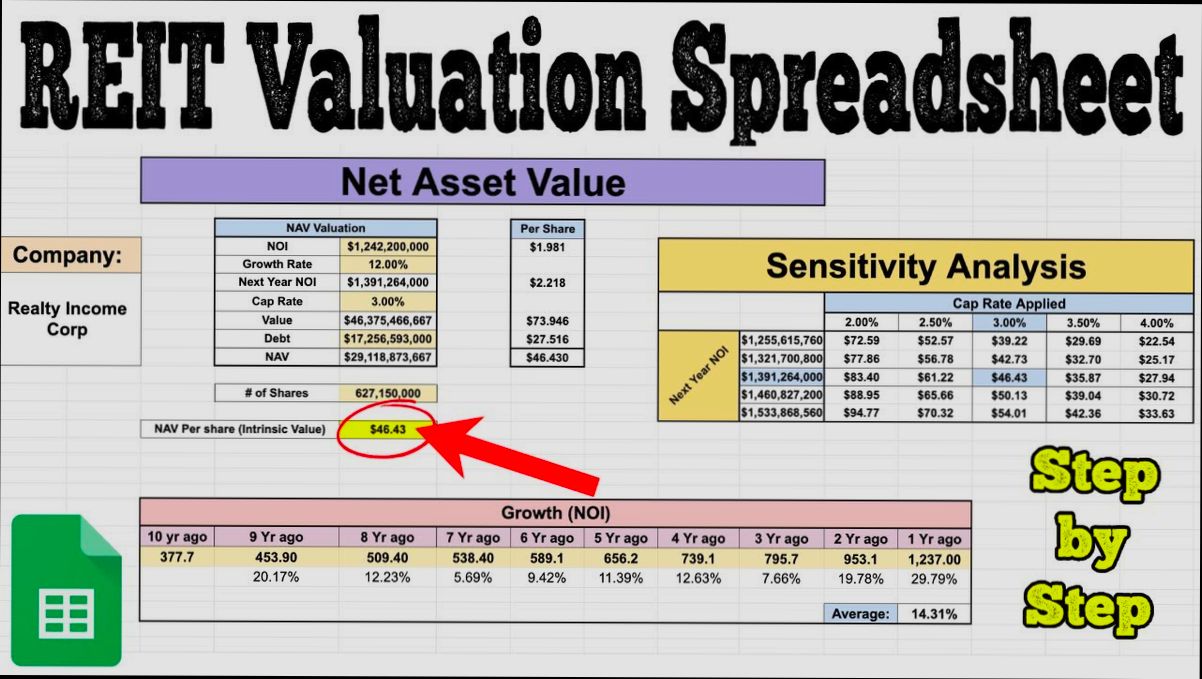
How to Value REIT? Let’s dive into the nitty-gritty. Real Estate Investment Trusts (REITs) are unique investment vehicles that give you a stake in real estate without the hefty price tag of buying property yourself. For instance, some of the top-performing REITs, like Public Storage, have seen returns over 15% in recent years, attracting investors keen on tapping into the booming real estate market. To really get a handle on how to value these gems, you first need to grasp key metrics like Funds From Operations (FFO) and Net Asset Value (NAV). FFO gives you a cleaner picture of earnings by excluding depreciation, which is huge since real estate doesn’t lose its value the way some industries might depreciate.
Picture yourself comparing two REITs: a retail-focused one versus a healthcare one. The retail REIT, let’s say, owns a string of shopping malls, which might be facing challenges post-pandemic. Meanwhile, the healthcare REIT is housing properties that cater to an aging population, a sector that remains resilient. This backdrop emphasizes the importance of market trends and property types in valuation. You don’t just look at numbers; you need to know how those numbers react to the shifting economic landscape and consumer behaviors. That’s where understanding cap rates, occupancy rates, and competitive pressures comes into play, creating a tapestry of information you can use to make informed decisions.
Understanding Net Asset Value Calculations
When evaluating a Real Estate Investment Trust (REIT), understanding Net Asset Value (NAV) is crucial. NAV represents the actual value of a REIT’s holdings calculated by determining the market value of properties and subtracting any mortgage debts. This simple yet effective metric is preferred over traditional book value ratios for REITs.
Key Points About NAV Calculations
- NAV is calculated using the formula:
NAV = Market Value of Assets - Total Liabilities
- The IRS mandates that a REIT must distribute at least 90% of its taxable profits as dividends. This structure influences how NAV is perceived in terms of shareholder value.
- Equity REITs primarily contribute to NAV calculations by owning properties outright, whereas Mortgage REITs derive income from financing properties. Both types alter the way we compute NAV based on their asset structures.
- The market value of a property might differ from its acquisition price due to depreciation and market fluctuations, impacting NAV.
Comparative Table of NAV Components
| Component | Description | Impact on NAV |
|---|---|---|
| Market Value of Properties | The total current market value of owned properties | Increases NAV |
| Standard Liabilities | Includes debts such as mortgages | Decreases NAV |
| Shareholder Dividends | Minimum 90% of taxable income distributed | Reflects return |
| Income Sources | Primarily from real estate-related activities | Positive for NAV |
Real-World Example
Consider a REIT that recently purchased a building for $1 million. If the market value of that building appreciated to $1.2 million and the REIT had $500,000 in mortgage debt, the NAV would be calculated as follows:
- Market Value of Property: $1.2 million
- Total Liabilities (Debt): $500,000
- NAV = $1.2 million - $500,000 = $700,000
This implies that for each share, the NAV could be reflected in the trading price, providing insights for potential investors.
Practical Implications for Investors
When you analyze a REIT’s NAV, you gain a clearer picture of its value independent of market volatility. Here are some actionable insights:
- Always compare NAV with the current share price. If the price per share is significantly lower than the NAV, this may indicate an opportunity.
- Consider the mix of equity and mortgage assets in the REIT. A high percentage of equity assets typically results in a more favorable NAV.
- Be aware of external factors such as market demand and interest rates that can influence property valuations, thereby affecting NAV calculations.
Additional Facts and Advice
- Remember that calculating NAV is not a one-time activity. Regular reviews can account for changing market conditions and property values.
- Keep an eye on the debt levels of the REIT, as higher liabilities can significantly decrease NAV, affecting your investment decisions.
Understanding NAV is essential in guiding your investment strategy and enhances your understanding of how a REIT aligns with your financial goals.

Key Financial Metrics for REIT Valuation
When it comes to valuing Real Estate Investment Trusts (REITs), understanding key financial metrics is essential. These metrics help you assess the financial health and market position of a REIT, providing insight into its ability to generate returns. In this section, I’ll walk you through critical financial metrics that can guide your valuation process.
Key Metrics to Consider
1. Funds From Operations (FFO)
- FFO is a measure of a REIT’s operating performance, serving as an important indicator of cash flow. It excludes depreciation and amortization, which are significant expenses in real estate, allowing for a clearer picture of operational effectiveness.
- According to research, the average FFO per share for REITs in 2023 reached approximately $2.30, demonstrating growth potential when comparing year-over-year figures.
2. Adjusted Funds From Operations (AFFO)
- AFFO is an adjusted version of FFO that accounts for recurring capital expenditures, providing a more conservative view of cash available for dividends. This metric often reflects the actual cash an investor might expect to receive.
- Recently, many REITs reported an AFFO of about 80% of their FFO, which helps you ascertain how much of the generated cash is truly available for distribution to shareholders.
3. Debt-to-Equity Ratio (D/E)
- The D/E ratio is crucial for assessing a REIT’s financial leverage and risk level. A lower D/E ratio indicates less risk associated with debt financing.
- Currently, a D/E ratio averaging around 0.65 is seen in well-performing REITs, suggesting a balanced approach to leveraging assets.
4. Cap Rate (Capitalization Rate)
- The cap rate reflects the relationship between a property’s net operating income (NOI) and its purchase price, serving as a tool for comparison across investments. An average cap rate might range significantly from 5% to 10%, depending on property type and market conditions.
- Investors often look for properties with a higher cap rate relative to their cost, indicating potentially higher returns on investment.
5. Payout Ratio
- This ratio indicates the portion of earnings a REIT pays out to shareholders in dividends. REITs typically maintain a payout ratio around 80-90%, aligning closely with the IRS rules requiring a 90% distribution.
- Monitoring this metric helps you assess sustainability in dividend payments, especially during market fluctuations.
| Metric | Typical Value | Importance |
|---|---|---|
| FFO | $2.30 per share | Indicates operational performance |
| AFFO | 80% of FFO | Reflects cash available for dividends |
| Debt-to-Equity Ratio | 0.65 | Measures financial leverage |
| Average Cap Rate | 5% - 10% | Evaluates investment return potential |
| Payout Ratio | 80% - 90% | Assesses sustainability of dividend payments |
Real-World Examples
Let’s look at a couple of real-world case studies to see these metrics in action:
- Equity Residential (EQR) reported an FFO of $1.09 per share in Q2 2023, which helped position the REIT favorably among investors, displaying solid earnings growth in a competitive market.
- American Tower Corporation (AMT) showed a D/E ratio of 0.62, reflecting their effective use of leverage to finance expansion while maintaining a strong balance sheet.
Practical Implications
It’s essential to apply these metrics when evaluating potential investments. Here’s what you should keep in mind as you analyze REITs:
- Use FFO and AFFO ratios to gauge operational performance versus capital structure, helping you make informed investment decisions.
- A strong D/E ratio can signal financial stability, while high cap rates can indicate attractive potential returns.
- Adjust your expectations regarding dividend sustainability based on payout ratios, particularly during economic downturns.
By understanding these key financial metrics, you can refine your approach to valuing REITs more effectively. Look for trends over time and use these metrics to compare various REITs within the same sector, providing deeper insights into your investment choices.
Evaluating Market Trends and Performance
When assessing the value of a Real Estate Investment Trust (REIT), evaluating market trends and performance is vital to understanding its future potential. By analyzing factors such as occupancy rates, rental growth, and market demographics, you can make informed investment decisions that align with your financial goals.
Key Factors to Consider
1. Occupancy Rates: High occupancy rates generally indicate strong demand for the properties owned by a REIT. A rate above 90% is often considered a sign of healthy performance.
2. Rental Growth: Look for trends in rental prices across different sectors. For instance, a 3% year-on-year increase in rental prices can signal robust demand in specific markets.
3. Economic Indicators: Factors such as GDP growth and employment rates impact real estate performance. For example, a thriving job market often correlates with rising property values and higher rental demand.
4. Geographic Performance: Different regions exhibit varied market dynamics. You should analyze locality trends, focusing on metropolitan areas showing a 5% growth potential as opposed to stagnant suburban regions.
Market Trends Comparative Table
| Factor | Current Average (%) | Year-over-Year Change (%) | Market Sentiment |
|---|---|---|---|
| Occupancy Rate | 92% | +1.5% | Positive |
| Rental Price Growth | 3% | +2% | Stable |
| Market Supply Change | 4% | -0.5% | Constrained |
| GDP Growth | 2.5% | +0.3% | Accelerating |
Real-World Examples
- City A’s Office REIT: This REIT reported a 95% occupancy rate alongside a 4% rental growth over the past year, positioning it as a leader in the urban market. Investors noted that rising employment rates contributed significantly to its success.
- Suburban Housing REIT: In contrast, a suburban-oriented REIT has seen declining occupancy rates of 85% and minimal rental growth of 1%. This stagnant performance suggests that investors should evaluate market conditions more closely when considering locations.
Practical Implications for Readers
- Stay Informed: Keep track of local real estate trends and economic indicators. Utilize resources like market reports and economic forecasts to strengthen your understanding of market performance.
- Adjusting Investment Strategies: If a particular sector, like logistics properties, exhibits a 7% increase in rental prices, consider reallocating investments to take advantage of emerging trends.
- Leverage Data Analytics: Use tools that provide real-time data on occupancy and rental growth to make timely decisions regarding your investments.
- Monitor Competitors: Regularly review competing REITs. Assessing their performance and strategies can provide insights into the overall market and help you detect advantageous opportunities.
By closely monitoring these market trends and performance indicators, you’ll equip yourself with the knowledge necessary to value REITs effectively and enhance your investment portfolio.

Real-World Examples of REIT Valuation
Exploring real-world examples of REIT valuation provides valuable insights into how various factors influence their market prices and future potential. By examining active REITs and their valuations, we can better understand practical applications of theoretical valuation metrics.
Key Points in REIT Valuation
1. Market Capitalization Variance: Different REITs operate in diverse sectors—residential, commercial, industrial, and healthcare. For instance, as of 2023, the market cap of an industrial REIT can reach upwards of $10 billion, while a smaller healthcare-focused REIT might be valued at around $1.5 billion.
2. Dividend Yield Analysis: Typical REITs can showcase a range of dividend yields between 3% to 8%, influenced by their income-generating capabilities and the sectors they operate in. Higher yields often indicate a discount to NAV, suggesting potential undervaluation.
3. Comparative Analysis: PE ratios for REITs often fluctuate; for instance, a retail REIT may have a PE ratio around 25, whereas a logistics-focused REIT could be valued at a considerably lower ratio of around 15, reflecting industry-specific demand and supply uncertainties.
| REIT Type | Market Cap (Billions) | Average Dividend Yield | PE Ratio |
|---|---|---|---|
| Residential | 15 | 4.5% | 22 |
| Industrial | 10 | 3.5% | 18 |
| Healthcare | 5 | 7.0% | 20 |
| Retail | 8 | 7.5% | 25 |
Real-World Examples of REIT Valuation
- Equity Residential: This REIT specializes in residential properties, boasting a market cap of around $25 billion. It consistently shows strong performance metrics, including a dividend yield of 3.8%, which is markedly lower than the average for residential REITs, indicating a potential market premium based on its reputation and performance.
- Prologis: Known for its logistics facilities, Prologis has a market capitalization exceeding $100 billion. Its PE ratio stands at 30, reflective of strong investor confidence in e-commerce and consistent demand for warehouse spaces.
- American Tower: Operating in the telecommunications sector, American Tower holds a market cap exceeding $90 billion, offering a dividend yield of 2.2%. This lower yield aligns with its higher growth expectations as telecommunications become increasingly crucial for connectivity.
Practical Implications for REIT Investors
- Diversification: When considering REIT investments, look at different sectors. Investing in a mix of residential, industrial, and healthcare REITs may balance out risks and returns, especially when economic conditions fluctuate.
- Monitoring Valuation Metrics: Keep an eye on PE ratios, market capitalization, and dividend yields when assessing REITs. These metrics can signal whether a REIT is overvalued or undervalued based on current market conditions and trends.
- Performance Benchmarks: Use the comparative data from REIT performance to shape your investment strategy. For example, if you notice a REIT with a significantly lower PE than its peers, investigate whether there are justified reasons for this valuation gap.
By analyzing these real-world examples of REIT valuation, you can make informed decisions about where to direct your investment dollars, aiming for a robust portfolio that leverages the strengths of various market sectors. Remember, knowing how to interpret these metrics can directly impact your investment success in the REIT market.

Advantages of Investing in REITs
Investing in Real Estate Investment Trusts (REITs) offers unique benefits that appeal to both novice and seasoned investors alike. Not only do they provide access to the lucrative world of real estate without the burden of direct ownership, but they also come with some noteworthy advantages that can enhance your investment portfolio.
Key Advantages of REIT Investments
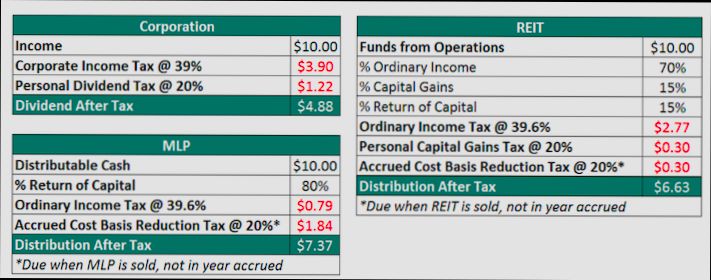
1. Tax Benefits: One of the primary advantages of REITs is their favorable tax treatment. Did you know that investors can deduct 20% of the dividend income received from REIT investments? This can substantially enhance the effective yield on your investment.
2. Liquidity: Compared to direct real estate investments, REITs offer excellent liquidity. Most publicly traded REIT shares can be bought or sold on stock exchanges, making it easy to enter or exit a position. This is especially advantageous in a volatile market, allowing you to respond swiftly to changing conditions.
3. Diversification: Investing in REITs allows you to diversify your holdings across various property types, from apartment complexes to commercial buildings. This broad exposure can mitigate risk. Instead of putting all your capital into a single property, your investment is spread out over many assets, which can be particularly comforting during economic downturns.
4. Passive Income: REITs typically provide high dividend yields, which can be a significant source of passive income. For instance, equity REITs often return a substantial portion of their profits to shareholders, making them an attractive option for income-focused investors.
5. Professional Management: REITs are managed by professionals with expertise in real estate. This alleviates the need for individual investors to manage properties directly, as skilled managers handle acquisition, management, and disposition of real estate assets.
| Advantage | Description | Impact on Investors |
|---|---|---|
| Tax Benefits | Potentially 20% deduction on dividend income | Higher effective yield |
| Liquidity | Easily bought/sold on stock exchanges | Quick access to capital |
| Diversification | Exposure across multiple properties and markets | Reduced risk and stable cash flow |
| Passive Income | High dividend yields from profits | Steady income stream |
| Professional Management | Expertise handling real estate operations | Less hassle and improved returns |
Real-World Examples of REIT Advantages
Consider a scenario where an investor, Sarah, allocates $10,000 into a diverse portfolio of REITs. Over the next year, she enjoys various benefits:
- Tax Savings: Sarah takes advantage of the 20% deduction on her REIT dividends, significantly enhancing her overall returns.
- Income Generation: With a strong yield of around 5% on her REIT investments, Sarah receives approximately $500 in dividends, providing her with passive income that can reinvest or use for living expenses.
These practical advantages showcase how investing in REITs can empower individuals like Sarah to build wealth with less effort and risk.
Practical Implications for Readers
As you consider adding REITs to your portfolio, think about how these advantages apply to your financial goals. Whether you’re looking to generate passive income, save on taxes, or diversify your holdings, REITs offer a compelling pathway to achieve those objectives.
- To maximize the benefits of investing in REITs, stay informed about the market and the specific types of REITs that align with your strategies.
- Consider the tax implications of your investments and how the 20% deduction on dividends can enhance your cash flow.
By focusing on these advantages, you can make informed decisions that align with your investment strategy and financial aspirations. Keep in mind that while REITs provide many advantages, it’s crucial to assess your investment profile and risk tolerance carefully.

Utilizing Statistical Analysis in REIT Assessment
When assessing Real Estate Investment Trusts (REITs), statistical analysis plays a pivotal role in deriving meaningful insights and making informed investment decisions. By leveraging various statistics, we can better evaluate the financial health, operational efficiency, and potential risks associated with a REIT.
Key Statistical Metrics to Consider
Utilizing key statistical metrics in your assessment can provide a clearer picture of a REIT’s performance. Here are some vital components to focus on:
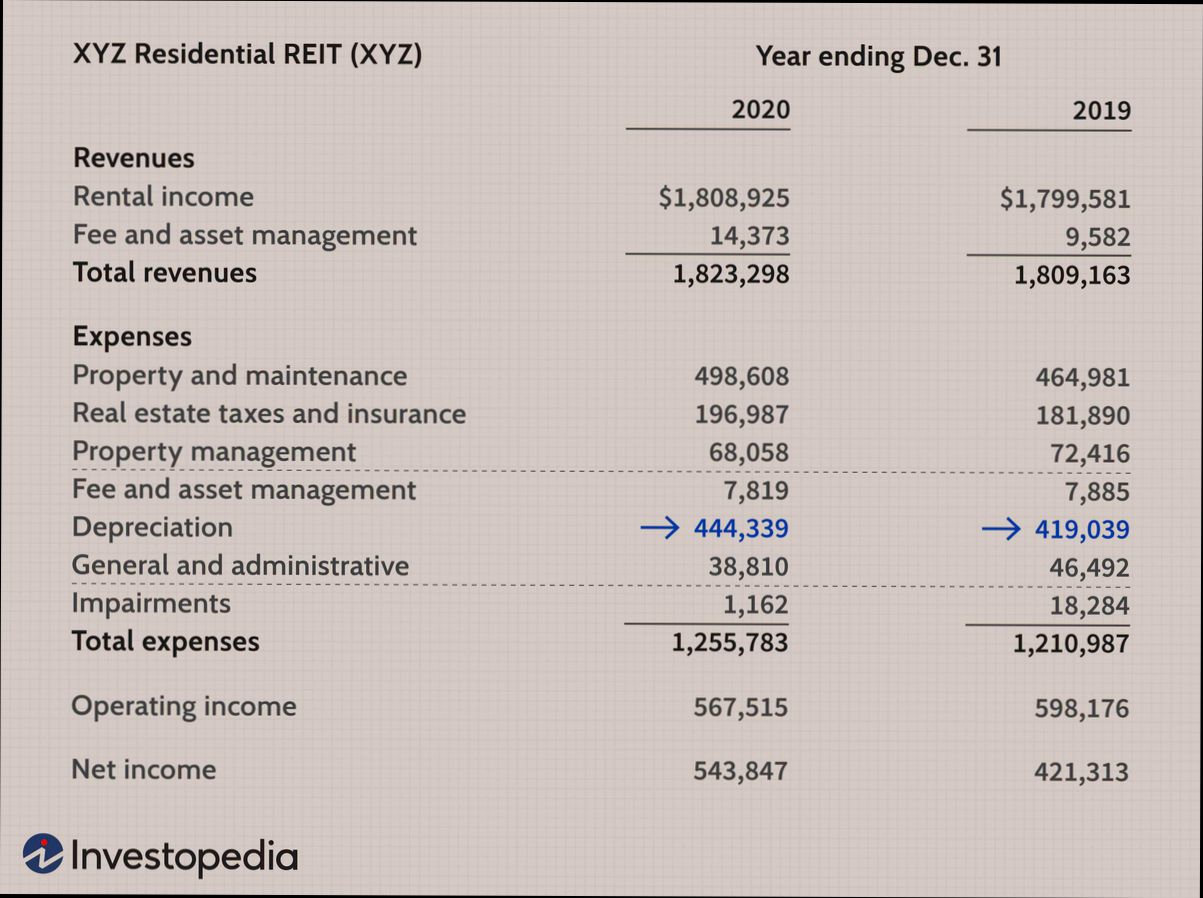
- Funds From Operations (FFO): This metric adjusts net income by adding back depreciation and amortization, providing a clearer view of real estate earnings.
- Adjusted Funds From Operations (AFFO): Further adjusts FFO by accounting for capital expenditures, offering insights into cash available for dividends.
- Debt-to-EBITDA Ratios: A critical indicator of financial leverage, revealing the relationship between debt obligations and earnings.
Important Metrics for Analysis
| Metric | Significance |
|---|---|
| FFO | Indicates operational cash flow, offering a more accurate performance measure. |
| Debt-to-EBITDA | Assesses financial risk associated with leverage; above 8x indicates high risk. |
| Distribution Ratio | A ratio exceeding 100% of FFO may signal unsustainable dividend payouts. |
Example Metrics in Action
Let’s consider a practical example that showcases these metrics. If a REIT reports a net income of $100 million but incorporates $50 million in depreciation and accounts for $20 million in property sale losses, its FFO would adjust to $170 million. This adjustment clarifies the REIT’s cash-generating capacity, which is essential for evaluating dividend sustainability.
Real-World Application: Risk Factors
Understanding risk is vital when performing statistical analyses on REITs. Here are some key risk factors to watch for:
- Leverage: A Debt-to-EBITDA above 8.0x suggests potential refinancing difficulties.
- Income Stability: A year-over-year decline in FFO of over 10% raises red flags regarding potential dividend cuts.
- Payout Sustainability: If the distribution ratio exceeds 100%, consider the sustainability of dividend payments.
By focusing on these indicators, you will gain a comprehensive understanding of a REIT’s risk profile, allowing you to mitigate potential investment pitfalls.
Taking Insightful Action
Statistical analysis can empower you to exploit investment opportunities. For instance, identifying REITs trading below their Net Asset Value (NAV) while maintaining steady FFO growth and favorable debt ratios can be a sound investment strategy.
Here are practical implications based on statistical analyses:
- Evaluate Historical Trends: Track FFO and AFFO trends across sectors to identify growth potential.
- Monitor Market Conditions: Understand leverage and tenant stability metrics to position yourself during market fluctuations.
- Assess Performance Relative to Peers: Use statistical metrics to compare REIT performance against industry averages for a clearer investment perspective.
Make sure to stay vigilant regarding these statistical insights as you venture into the world of REIT investments, ensuring you harness data effectively to support your strategies.
Impact of Interest Rates on REIT Values
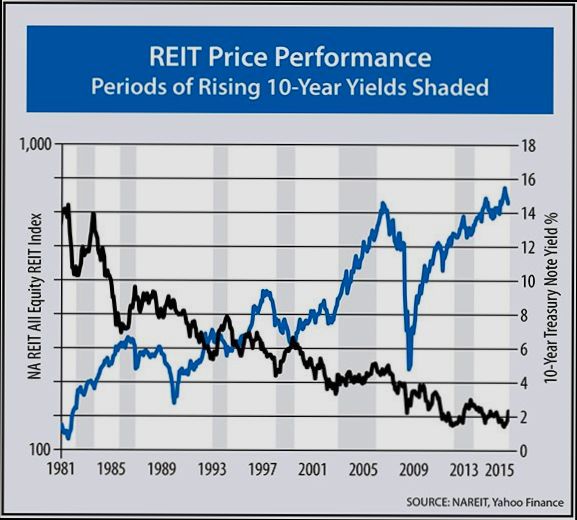
Understanding how interest rates influence REIT values is crucial for savvy investors. Fluctuating interest rates can significantly affect a REIT’s profitability, funding costs, and overall market valuation. Let’s delve into the key dynamics at play.
Key Influences of Interest Rates on REIT Values
1. Cost of Capital:
- As interest rates rise, borrowing costs increase for REITs that rely on debt financing. Higher financing costs can squeeze profit margins, reducing the net income available for distribution to shareholders.
2. Yield Comparisons:
- REITs often compete with fixed-income investments like bonds. When interest rates increase, bond yields typically rise, making them more attractive compared to REIT dividends. This can pressure REIT prices downward as investors shift their capital.
3. Property Valuations:
- Interest rates affect the capitalization rates (cap rates) used to assess property values. An increase in rates generally leads to higher cap rates, which can lower property valuations and thus the NAV of a REIT.
Comparative Analysis of Historical Interest Rates and REIT Performance
| Year | Interest Rate (%) | Average REIT Return (%) |
|---|---|---|
| 2016 | 0.5 | 8 |
| 2017 | 1.5 | 6 |
| 2018 | 2.5 | 5 |
| 2019 | 2.0 | 7 |
| 2020 | 0.25 | 9 |
This table illustrates how varying interest rates have historically influenced average REIT returns. Notice how lower interest rates in 2020 coincided with higher average REIT returns, emphasizing the relationship between these two variables.
Real-World Examples
Consider the retail REIT sector during the period of rising interest rates in 2017-2018. Many retail REITs reported declining performance as rising yields on 10-year Treasury notes made traditional bonds more appealing to investors. For instance, the decline in share price for prominent retail REITs during this period was partly attributed to increased interest rates, which led investors to reassess the attractiveness of REITs versus bonds.
Meanwhile, in a low-interest-rate environment such as in 2020, REITs like Vanguard Real Estate ETF reported remarkable resilience and growth. The 0.25% interest rate encouraged borrowing, enabling REITs to expand portfolios and refine valuations, ultimately boosting investor confidence and returns.
Practical Implications for Investors
- Monitor Interest Rate Trends: Keep an eye on Federal Reserve policies and economic indicators. Understanding where interest rates are headed can help anticipate changes in REIT values.
- Assess REIT Debt Levels: Evaluate how much debt a REIT carries and how sensitive it is to interest rate changes. Higher leverage can magnify the effects of rising rates.
- Reassess Investment Strategy: In a rising interest rate environment, consider diversifying into sectors less sensitive to rate hikes or seeking out REITs that maintain strong fundamentals and growth strategies.
You can utilize these insights to make informed decisions in your REIT investing strategy, helping to enhance returns and manage risks effectively in changing interest rate environments.