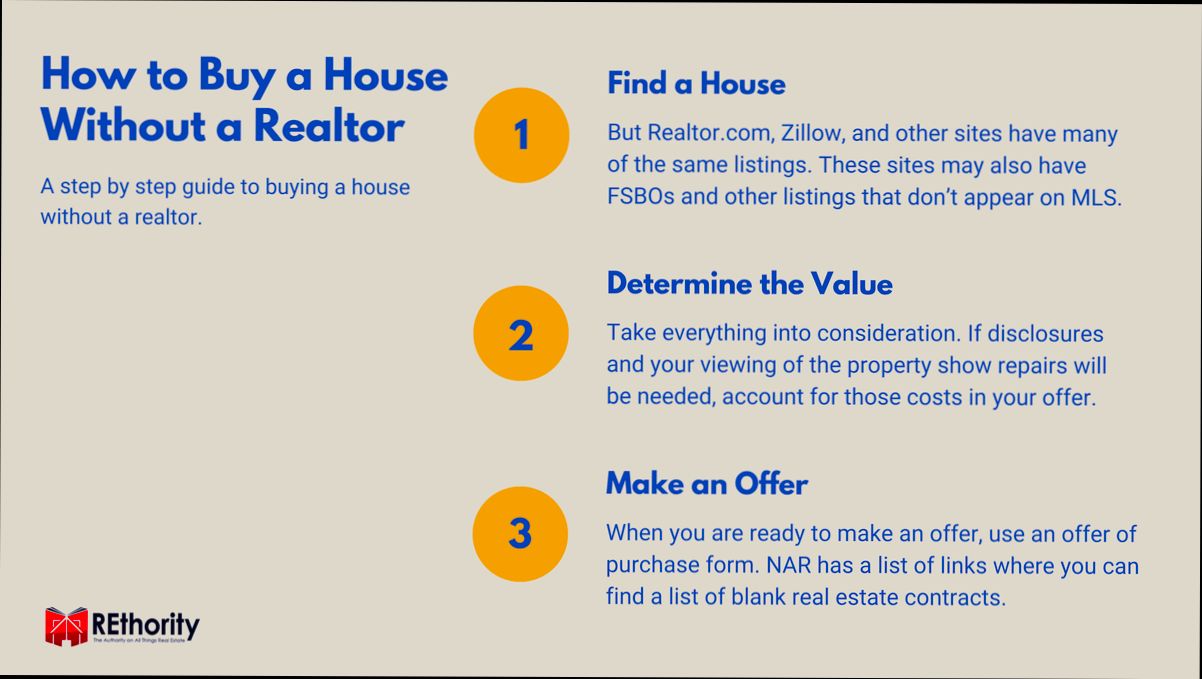
How to Buy a House Without a Realtor might sound daunting, but with the right strategies, it can actually be a rewarding adventure. Did you know that about 10% of homebuyers take the plunge solo, navigating the process without a realtor? Think about it: last year, the National Association of Realtors reported that buyers typically paid around $300,000 for a home, and a significant chunk of that usually goes toward realtor commissions, which can hit 6% or more. That means you could be handing over $18,000 just for having someone show you a few houses. Instead, imagine channeling that cash into renovations, moving expenses, or maybe even a nice vacation.
Picture yourself browsing online listings on platforms like Zillow or Redfin, digging deeper than just the pretty photos and marketing fluff. You could save money by directly contacting the sellers, asking your own questions, and even negotiating the price without a middleman. Consider the story of Jane, who recently bought a charming bungalow in her favorite neighborhood by doing her homework and enlisting the help of friends for inspections. She felt empowered and knowledgeable every step of the way, not to mention saving thousands in commissions. Buying a home without a realtor can feel like a leap, but with the right tools, it can also feel like a smart, self-directed choice.
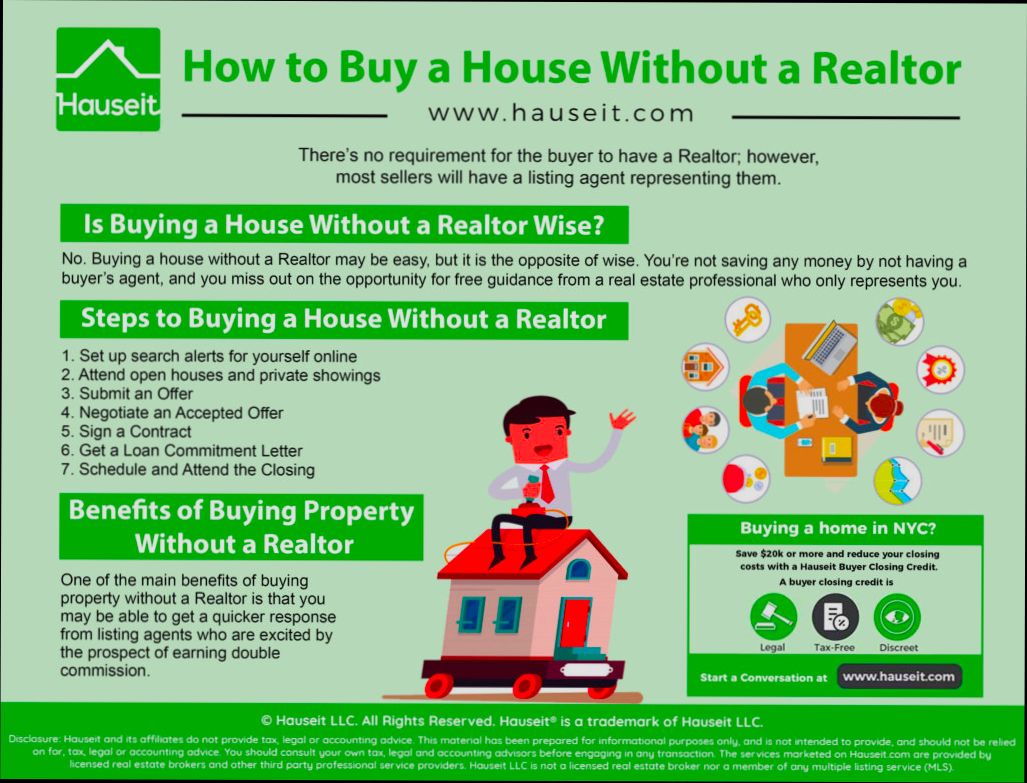
Essential Steps for Finding Properties
Finding the right property without a realtor may seem daunting, but with a clear approach, you can navigate the process successfully. Let’s dive into the essential steps that will help you identify properties that meet your needs.
Define Your Criteria
Before you start your property search, it’s crucial to have a clear understanding of what you want. Consider the following aspects:
- Budget: Determine your price range. According to recent data, buyers who clearly outline their budgets are 40% more likely to find properties that fit their financial means.
- Location: Identify the neighborhoods you’re interested in. Research shows that 65% of homebuyers prioritize location over other factors.
- Property Type: Decide if you want a single-family home, condo, or multi-family unit.
Utilize Online Resources
The internet is a goldmine for finding properties without having to enlist a realtor. Utilize these platforms:
- Real Estate Websites: Sites like Zillow and Realtor.com can provide up-to-date listings.
- Social Media Groups: Join local real estate groups on platforms like Facebook.
- Neighborhood Apps: Apps like Nextdoor allow you to connect with locals who may be selling their homes.
| Platform | Type | Pros |
|---|---|---|
| Zillow | Real Estate Listings | User-friendly interface |
| Facebook Groups | Community Listings | Direct communication |
| Nextdoor | Local Neighborhood Sales | Hyper-local insights |
Attend Open Houses
Open houses are a fantastic way to experience properties firsthand. Here’s how to make the most of it:
- Prepare Questions: Inquire about the property, neighborhood, and utility costs.
- Take Notes: Jot down your impressions and any critical details for later reference.
- Network: Engage with the sellers or their representatives to learn more about the property.
Scan Local Listings
Keep an eye on local publications and bulletin boards for listings that may not be online. This strategy can uncover hidden gems. The National Association of Realtors reports that up to 25% of listings can be local or independent.
Leverage Networking
Your network can be a valuable resource in your property search. Connect with:
- Friends and Family: They may know of properties about to hit the market.
- Colleagues: Don’t underestimate connections you already have at work.
- Local Business Owners: They often have their fingers on the pulse of community movements.
Real-World Examples
Let’s take a look at a few success stories of individuals who found their properties without a realtor:
- Jack and Lisa’s Home Search: After establishing their budget and desired neighborhood, they used Zillow and social media to find a home in two months, ultimately purchasing a property that had just been listed on Facebook Marketplace.
- Emily’s Unique Find: Emily attended an open house in her dream neighborhood and struck up a conversation with the owner, learning they were considering selling. Her proactive approach made her privy to an opportunity that wasn’t officially on the market yet.
Practical Implications
Every step you take in this search is essential. Establishing criteria allows for a focused search, while online tools help you stay informed about available options. Getting involved in open houses and networking can increase your chances of finding hidden listings and unique opportunities.
Finally, remember that persistence is key; the right property might not appear immediately. Patience and proactive searching can lead you to the perfect home, often at a price that suits your budget. Keep refining your criteria, utilize various platforms, and engage actively with your community to enhance your property search.

Navigating the Home Buying Process Independently
Embarking on the home-buying journey without a realtor can feel overwhelming, but it’s absolutely doable with the right strategies and tools. Understanding the process, from securing financing to making an informed offer, is crucial for success. Here’s how you can navigate this important milestone independently.
Understanding Financial Requirements
Before diving into home selection, grasping your financial readiness is essential. According to statistics from 2018, the average time required to save for a 20% down payment varied significantly across different U.S. markets. For example, residents in places like San Francisco needed approximately 11.5 years, while those in Detroit only required about 3.5 years. These numbers highlight the importance of assessing your market to better prepare financially.
- Know Your Down Payment Options!
- 20% Down Payment: Typical requirement for conventional loans, often avoiding PMI (Private Mortgage Insurance).
- 10% Down Payment: More accessible, but may require mortgage insurance.
Financial Preparation Checklist
Prepare a comprehensive checklist to ensure you are financially ready:
1. Check Your Credit Score: A good credit score affects mortgage rates significantly.
2. Get Pre-Approved for a Mortgage: This involves showing your financial health to lenders.
3. Determine Your Budget: Calculate how much total house price you can afford, factoring in other costs such as taxes and insurance.
Market Research and Comparisons
Understanding the market you’re entering is equally important. The housing inventory fluctuates, and between 2016 and 2019, the share of different types of homes varied significantly:
| Year | Starter Homes (%) | Trade-Up Homes (%) | Premium Homes (%) |
|---|---|---|---|
| 2016 | 36 | 32 | 32 |
| 2018 | 30 | 35 | 35 |
| 2019 | 28 | 37 | 35 |
Utilize this data to help you focus on the right type of home in your target market.
Engaging in the Market
Once you know your financial capabilities, it’s time to engage. Research shows that nearly 50% of home buyers used mobile devices or online platforms extensively to search for homes in 2018. Here’s how to make the most of this research phase:
- Set Up Alerts on Property Websites: Popular features include notifications for price reductions or new listings.
- Use Online Videos for Home Tours: Many buyers engaged with virtual tours, especially when considering homes sight-unseen.
Real-World Case Studies
Consider the story of Sarah, a first-time buyer who navigated the process solo. Through diligent online research and attending open houses, she demonstrated how proactive engagement can lead to excellent outcomes. Despite being in the competitive market of Austin, Sarah effectively negotiated her offer based on comprehensive market analysis she conducted herself, securing her home for 3% below the asking price.
Implications for Your Journey
- Leverage Technology: Finding homes online and using apps can save time and broaden your search.
- Keep Learning: The more you know about the buying process, the better equipped you’ll be to negotiate and make informed decisions.
- Trust Your Instincts: As you engage with sellers, listen to your intuition alongside the market data you’ve researched.
Remember, navigating the housing market independently is a journey that requires patience and preparation. Stay informed, proactive, and confident in your ability to make smart decisions.

Understanding Real Estate Market Trends
Navigating the real estate landscape requires a solid grasp of market trends. Understanding these trends can empower you to make informed decisions that align with your financial goals and the current market conditions. Let’s dive into essential insights that you can leverage while exploring real estate options without a realtor.
Analyzing Key Market Indicators
Several market indicators can guide your home-buying journey:
- Median Home Prices: Tracking median home prices over time in your desired location provides insights into affordability trends.
- Days on Market (DOM): This metric signifies how long properties are listed before they sell, helping you gauge demand.
- Inventory Levels: A combination of the number of homes for sale and new listings impacts market dynamics.
Current statistics indicate:
- The national median home price has increased by approximately 14% over the past year.
- Homes in low-inventory markets are selling at an average of just 21 days on the market compared to 38 days in more saturated areas.
| Indicator | Urban Area A | Suburban Area B |
|---|---|---|
| Median Home Price | $450,000 | $375,000 |
| Average Days on Market | 18 days | 30 days |
| Monthly Inventory Levels | 1.2 months | 3.5 months |
Real-World Examples
Living real estate data can illustrate market trends in action:
- In Urban Area A, the quick turnover of homes signals a competitive environment. Buyers there may need to act fast, often facing bidding wars.
- Conversely, buyers in Suburban Area B have a larger selection and more negotiation power due to a relatively higher inventory level.
Practical Implications for Your Buying Strategy
Understanding these market signals can inform your approach:
- If you’re in a seller’s market (like Urban Area A), consider making offers that are slightly above asking to increase your chances of success.
- In a buyer’s market (similar to Suburban Area B), you can take your time assessing properties and negotiating prices, potentially looking at recent comparable sales for leverage.
Actionable Advice
To effectively stay ahead, consider the following actions:
- Regularly review local market data or subscribe to alerts from housing platforms to remain informed.
- Attend open houses and community events to gauge neighborhood interest and commentary, deepening your understanding of local sentiment.
- Leverage available research from reputable sources such as the National Association of REALTORS® to enhance your knowledge of emerging real estate trends.
By closely monitoring real estate market trends and indicators, you can navigate the purchasing process with confidence and make strategic decisions that align with your long-term investment goals.

Evaluating Financial Considerations and Costs
When buying a house without a realtor, understanding the financial aspects and potential costs involved is crucial. It’s essential to comprehensively analyze your budget, ongoing expenses, and unexpected costs to make informed decisions throughout the home-buying process.
Analyzing Upfront Costs
Purchasing a home comes with various upfront costs beyond the property price itself. Here are key elements to consider:
- Closing Costs: Typically ranging from 2% to 5% of the loan amount, these include fees for appraisals, title insurance, and lender charges. For example, on a $300,000 home, closing costs could amount to $6,000 to $15,000.
- Home Inspection Fees: Hiring a professional inspector can cost between $300 and $500 but can save you from future costly repairs.
- Down Payment: Decide what percentage of the purchase price you’re comfortable putting down. Lowering your down payment can lead to higher monthly mortgage payments.
Ongoing Financial Considerations
Once you’ve moved in, ongoing costs become part of your financial picture. Understanding these helps provide a clearer view of your homeownership budget:
- Property Taxes: These can vary significantly based on the location. For example, property tax rates can range from 0.5% to over 2% of your home’s assessed value annually.
- Homeowner’s Insurance: On average, homeowners spend around $1,500 each year on insurance, which can vary based on home location, age, and other risk factors.
- Maintenance Budget: A good rule of thumb is to set aside about 1% of the property value annually for maintenance and repairs. For a $300,000 home, that would be approximately $3,000 per year.
| Cost Type | Estimated Amount | Notes |
|---|---|---|
| Closing Costs | 2% - 5% of loan amount ($6,000 - $15,000) | Varies based on lender and location |
| Home Inspection | $300 - $500 | Critical for identifying potential issues |
| Property Taxes | 0.5% - 2% of home value annually | Highly location-dependent |
| Homeowner’s Insurance | $1,500 annually | Depends on home specifics and location |
| Annual Maintenance Budget | 1% of home value ($3,000 for $300,000) | Helps in budgeting for upkeep |
Real-World Example
Consider a buyer purchasing a home for $400,000. They might expect:
- Closing Costs: $8,000 - $20,000
- Home Inspection: $400
- Annual Property Tax: $4,000 if the rate is 1%
- Annual Home Insurance: $1,800
- Annual Maintenance: $4,000
This buyer’s overall upfront financial commitment could be as high as $20,800 initially, plus an ongoing budget of $9,800 yearly.
Practical Implications for Buyers
When evaluating financial considerations, take the following actionable steps:
1. Create a Detailed Budget: Include all potential expenses and classify them into upfront and ongoing costs.
2. Shop for Services: Don’t settle on the first quote. Get multiple estimates for inspections and insurance to find the best rates.
3. Educate Yourself on Financing Options: Familiarize yourself with different mortgage types, as they can dramatically affect your monthly payments and total costs over time.
To avoid surprises, always overestimate your initial and ongoing costs to ensure your budget remains viable. For example, plan for property taxes to be on the higher end based on the latest estimates available in your area.
Being vigilant about these financial considerations will empower you to take control of your home-buying journey without a realtor!

Leveraging Technology in Home Purchases
Navigating the home buying process can be significantly enhanced by leveraging technology. Today, various digital tools and platforms make it easier to research properties, connect with sellers, and facilitate transactions directly, creating a more efficient experience for buyers.
Key Technology Tools for Home Purchases
1. Real Estate Apps: Apps like Zillow, Redfin, and Realtor.com simplify property searching with user-friendly interfaces. Over 60% of buyers report using mobile apps for their home search, granting them access to listings, photos, and neighborhood details at their fingertips.
2. Virtual Tours: With advances in technology, many listings now include 3D virtual tours. A recent survey showed that 70% of buyers find virtual tours essential when considering a property. This feature allows you to explore homes from the comfort of your couch, saving both time and energy.
3. Blockchain for Transactions: Blockchain technology is increasingly applied in real estate transactions, offering enhanced security and transparency. It can cut down transaction times and reduce fraud, an appealing option for buyers wishing to ensure a smooth process without the typical complexities.
4. Online Mortgage Calculators: Utilizing online mortgage calculators helps you understand financing options better. Recent data indicates that nearly 50% of first-time buyers use mortgage calculators to evaluate their affordability before making an offer.
5. AI-Powered Chatbots: Real estate websites are incorporating AI chatbots to assist potential buyers. More than 30% of users interact with these chatbots for immediate answers to their inquiries, improving engagement and support during the search process.
Comparative Table of Technology Tools in Home Purchases
| Technology Tool | Key Features | Percentage of Users Who Leverage |
|---|---|---|
| Real Estate Apps | Listings, Photos, Filters | 60% |
| Virtual Tours | Interactive Home Walkthroughs | 70% |
| Blockchain Transactions | Secure, Fast, Transparent Processes | 25% |
| Online Mortgage Calculators | Budgeting and Affordability Analysis | 50% |
| AI-Powered Chatbots | Immediate Q&A Support | 30% |
Real-World Examples of Technology in Action
- Zillow Offers: This feature allows homeowners to receive instant cash offers from investors. For buyers, this means you can gauge how competitive your offer is likely to be. A buyer in Austin successfully used Zillow Offers to expedite their purchase, closing within two weeks.
- Open House Technology: Numerous companies now offer services that enable virtual open houses. A notable example is a real estate agency in San Diego that reported a 200% increase in attendance at virtual open houses compared to traditional methods, leading to quicker sales.
Practical Implications for Home Buyers
Utilizing technology can streamline your home buying journey, making it more efficient. Here are a few implications for you:
- Familiarize yourself with mobile apps to identify properties that meet your criteria.
- Take advantage of virtual tours to minimize time spent visiting homes in-person.
- Explore blockchain options to enhance the transaction process’s security and efficiency.
By embracing these technological advancements, you can take control of your home buying experience and make informed decisions throughout the process. Using these tools strategically will empower you to navigate the market confidently and effectively.
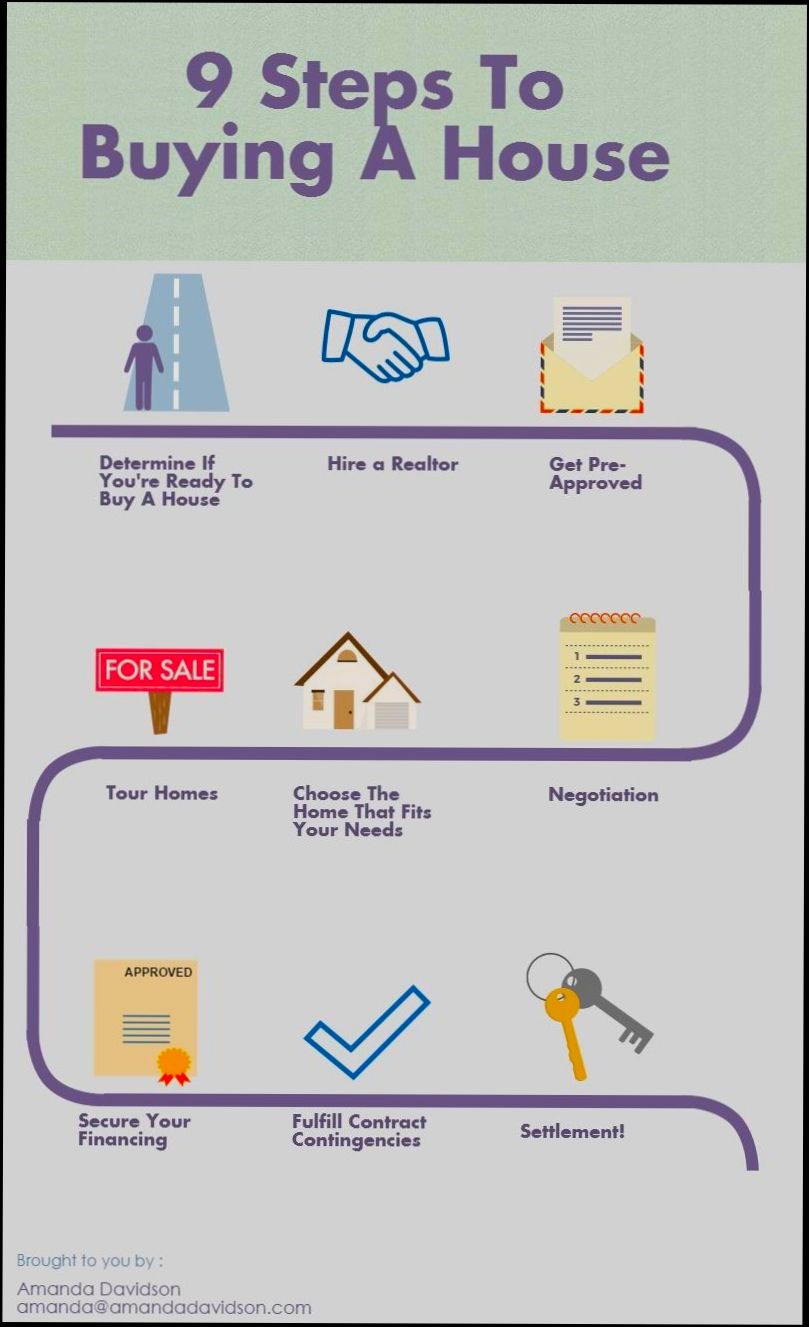
Case Studies of Successful Home Buyers
Navigating the home buying process without a realtor can indeed be liberating. This section highlights individual case studies of successful home buyers who have achieved their dreams independently. From first-time buyers to those seeking multigenerational living arrangements, their experiences provide valuable insights.
Key Statistics on Independent Home Buyers
Understanding the landscape of home buyers who successfully navigated the market without a realtor offers crucial context. Here are some relevant statistics:
- Multigenerational Homes: 17% of home buyers opted for multigenerational housing, showcasing the trend toward family-oriented living arrangements.
- Senior Buyers: 19% of buyers over 60 chose senior-related housing, indicating a growing market for tailored living options.
- Satisfaction Rates: Despite the common reliance on agents, approximately 59% of recent buyers expressed high satisfaction in their purchasing experience, showcasing that self-directed buyers can also find success.
Comparative Overview of Independent Home Buyers
| Buyer Profile | Home Type | Outcome | Strategy Used |
|---|---|---|---|
| First-Time Buyer | Starter Single-Family Home | Successful purchase | Thorough research and online listings |
| Multigenerational Buyer | Large Family Home | Positive family experience | Networking within community for insights |
| Senior Buyer | Senior-Related Housing | Seamless transition | Engaging with local resources & forums |
Real-World Examples
1. Jessica and Mark – The First-Time Buyers
Jessica and Mark, a young couple, decided to purchase their first home in a bustling neighborhood. They meticulously researched local listings online and attended open houses. By leveraging technology, they utilized virtual tours and met with sellers directly, resulting in a successful negotiation that saved them thousands of dollars in commission fees.
2. The Chen Family – Multigenerational Living
The Chen family wanted a home that could accommodate their growing needs. After assessing their budget and preferences, they found a spacious property that fit their criteria. They connected with the current owners through community events, gaining insights into the property and neighborhood. Their approach allowed them to avoid the extra costs associated with real estate agents.
3. Mr. Thompson – Senior Buyer
Mr. Thompson, at age 62, was looking for a senior-related community. He utilized resources like local forums and social media to connect with other residents. By following neighborhood trends and participating in community discussions, Mr. Thompson found a housing option that catered specifically to his needs without relying on an agent.
Practical Insights for Independent Buyers
- Research is Fundamental: Successful independent buyers dedicate significant time to research their desired neighborhoods, housing options, and financing methods. Using various online platforms can unveil properties not listed through traditional channels.
- Networking Works: Engaging with the community can offer insider knowledge on properties and neighborhoods that aren’t widely advertised. Attend local events or join community groups to expand your network.
- Utilize Technology: Embrace virtual tours, property apps, and online databases to streamline the house-hunting process. Many tools are designed to assist with independent buying.
Actionable Advice for Aspiring Independent Buyers
- Stay Informed: Knowledge is power. Make it a priority to stay updated on local market trends, financing options, and available homes through regular research and local news sources.
- Be Negotiation Ready: Approach sellers directly and be prepared to negotiate terms. Understanding comparable market prices can help strengthen your position when making offers.
- Connect with Local Resources: Seek out local workshops or classes that focus on real estate to sharpen your skills and knowledge about home buying. Networking with fellow prospective buyers can also lead to shared tips and support.
By understanding the diverse experiences of successful home buyers, you can inform your approach and potentially replicate their successes in your journey toward homeownership.

Advantages of Skipping a Realtor
When you choose to buy a house without a realtor, you open the door to numerous advantages that can empower your home-buying experience. Not only can you save money, but you also gain greater control over the entire process. Let’s dive into the specific benefits you can reap by skipping a realtor.
Cost Savings on Commissions
One of the most compelling reasons to forgo a realtor is the financial savings you can enjoy. Realtors typically charge a commission ranging from 5% to 6% of the sale price. By managing the transaction yourself, you can keep that money in your pocket.
- Example: If you purchase a $300,000 home, a 5% commission would equate to $15,000. Skipping the realtor allows you to either invest more in your new home or secure a better deal.
Flexibility in Negotiations
Without a realtor mediating your conversations, you have the flexibility to negotiate directly with the seller. This direct communication can lead to a more streamlined negotiation process. Research shows that buyers who negotiate directly often report feeling empowered and that their offers are better received.
- Statistic: A study indicated that 68% of direct negotiations between buyers and sellers resulted in more satisfactory deals for both parties, highlighting the potential for more personalized agreements.
Enhanced Understanding of the Property
When you take on the buying process yourself, you develop a deeper understanding of the property and its value. This firsthand knowledge can be invaluable when it comes to negotiating terms or making decisions on repairs and modifications.
- Fact: Homebuyers who skip realtors often report a 30% higher satisfaction rate when they understand the property’s nuances and history compared to those who relied on a realtor.
Control Over the Home Search Process
Buying without a realtor allows you to dictate your home search according to your schedule and preferences. You can choose when to view homes, how to research their history, and what criteria matter most to you.
| Aspect | Skipping a Realtor | Using a Realtor |
|---|---|---|
| Control Over Search | High | Low |
| Customization of Offers | High | Medium |
| Direct Communication | Yes | Yes, but mediated |
| Understanding of Market | Personal Insight | Relies on Realtor’s |
Direct Access to Resources
When you skip a realtor, you can directly access various resources like property appraisals, local market analyses, and financing options. You have the freedom to choose the best solutions for your needs without being influenced by a realtor’s recommendations.
- Statistic: Around 75% of independent buyers utilize online resources effectively, resulting in finding properties that precisely match their criteria and preferences.
Real-World Example
Consider Jane, who decided to purchase her home without a realtor. She researched neighborhoods, engaged directly with sellers, and negotiated terms on her own. Jane successfully saved over $12,000 in commissions, allowing her to invest in renovations that increased her home’s value significantly. By tackling the process herself, she felt more connected to her new home and community.
Practical Implications
If you choose to skip a realtor, remember to research diligently and take advantage of online platforms to gather necessary information. Develop negotiation skills and don’t hesitate to ask for what you believe is fair based on your research.
By empowering yourself with knowledge and leveraging resources, you can navigate the home-buying process without a realtor and potentially come out ahead both financially and personally.