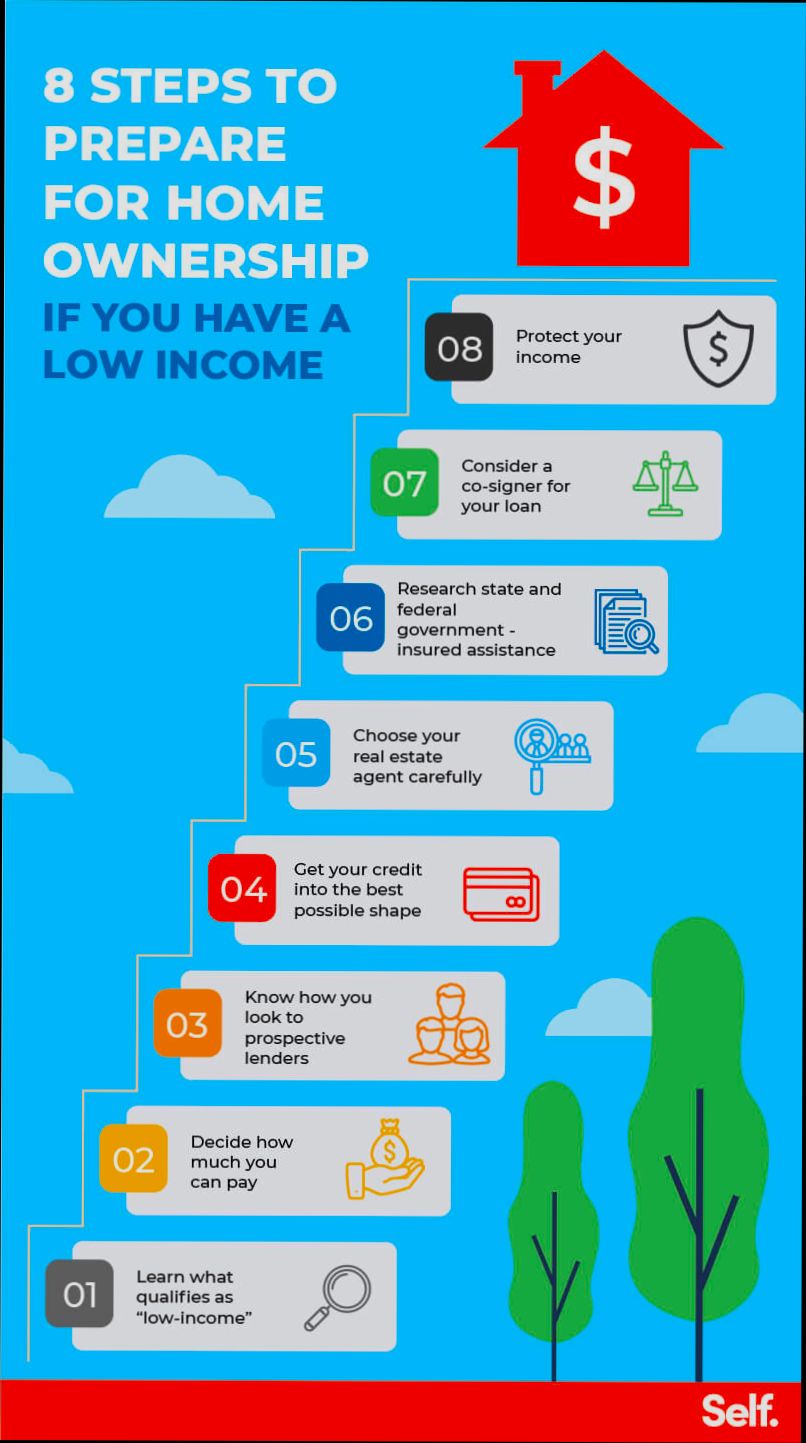
How to Buy a House with Low Income is a journey that many people think is out of reach, but you’d be surprised at the options available. Did you know that in 2022, about 30% of first-time homebuyers were under the age of 30, with a median gross income of just $50,000? That’s a tight budget, but many made it work, tapping into programs specifically designed for their financial situation. For example, state housing agencies often provide down payment assistance or even grants to help aspiring homeowners overcome that initial hurdle.
Let’s not forget the power of the FHA loan, which allows buyers with credit scores as low as 580 to secure a mortgage with only 3.5% down. Imagine snagging a cozy three-bedroom house in a good school district when you thought you’d never escape the rent cycle. There are people right now who’ve turned their dreams into reality with just a little help and the right information. It’s all about knowing where to look and what options aren’t as widely advertised—the kind of knowledge that can have a huge payoff in your quest for homeownership.
Understanding Government Assistance Programs
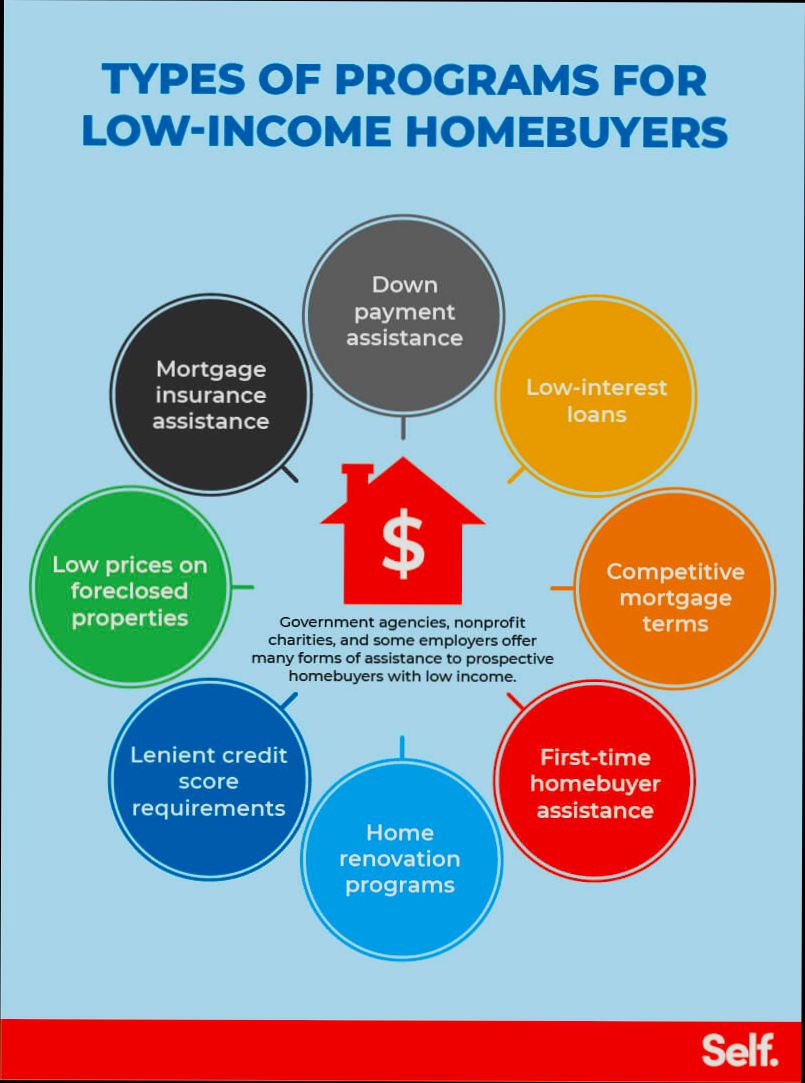
Understanding government assistance programs can be your game-changer when buying a house with low income. These programs are designed to help qualifying individuals navigate the complex world of homeownership, especially when finances are tight. Let’s unpack the different programs available and how they can benefit you.
Key Assistance Programs
Several profitable government assistance programs exist that you might qualify for:
- Federal Housing Administration (FHA) Loans: FHA loans typically require a lower down payment, often as low as 3.5%. This can make a significant difference if you’re working with a limited budget.
- USDA Loans: Targeted primarily at rural areas, USDA loans do not require a down payment and have lower mortgage insurance costs. In fact, in 2022, approximately 90% of USDA loans were issued to low- and moderate-income borrowers.
- Down Payment Assistance (DPA) Programs: Various state and local programs offer DPA, allowing you to receive a grant or a loan to cover down payment costs. In some regions, eligible homebuyers could receive up to 5% of the home purchase price through these programs.
Comparison of Common Government Assistance Programs
| Program Type | Down Payment Requirement | Eligibility Income Limit | Maximum Loan Amount |
|---|---|---|---|
| FHA Loans | 3.5% | Generally 31% front-end DTI | Varies by region |
| USDA Loans | 0% | Generally 115% of area median income | Varies by location |
| VA Loans | 0% | Veterans and qualifying dependents | No limit; varies by county |
| DPA Programs | Varies (up to 5%) | Usually up to 80% of area median income | Varies widely |
Real-World Examples
- FHA Success Story: Sarah, a single mother from Michigan, used an FHA loan to buy her first home with only $1,200 down. The lower interest rate helped her keep her monthly payments affordable, thereby enabling her to manage household expenses comfortably.
- USDA Loan Impact: John and Lucy, a couple residing in Iowa, took advantage of a USDA loan that allowed them to purchase their home without a down payment. Since they are within the income limits, this not only saved them money upfront but also helped keep their monthly mortgage manageable.
- DPA Program Benefits: Maria recently qualified for a local DPA program in her city, receiving $10,000 towards her down payment. This assistance enabled her to close on her dream home in a sought-after neighborhood.
Practical Implications
- Research Your Options: Always check your eligibility for these programs as they can vary based on your location and financial situation. Research local or state-sponsored programs often provides the most assistance.
- Keep Documentation Handy: When applying for these programs, ensure that you have proper documentation like tax returns, pay stubs, and bank statements ready. This can speed up the application process.
- Attend Workshops: Many non-profit organizations and local governments conduct workshops that explain these programs in detail. Attending one could provide invaluable insights and help you connect with financial advisors and real estate professionals.
- Pre-Approval: Consider getting pre-approved for loans through these assistance programs. This step can help you understand how much you can afford and streamline your home-buying process.
Being informed about government assistance programs is essential. They can significantly alleviate the financial burden of buying a home. Take the time to evaluate what programs you might qualify for, as these resources could make the dream of homeownership a reality for you.

Analyzing Housing Market Trends for Low Income Buyers
Understanding housing market trends is essential for low-income buyers navigating the complexities of purchasing a home. By analyzing these trends, you empower yourself to make informed decisions, optimize your finances, and ultimately secure a home that suits your needs and budget.
Key Indicators to Watch
When you’re assessing the housing market, here are some critical indicators to keep in mind:
- Median Home Prices: As of 2023, the median home price across the United States reached approximately $400,000, but this figure varies significantly by region. For example, in urban areas, you might find prices surging 10%-15% year-over-year.
- Interest Rates: The current average mortgage interest rate hovers around 7.5%, which can impact your affordability. A slight change in interest rates can significantly affect your monthly payments, especially when you’re working within a limited budget.
- Inventory Levels: In many markets, the inventory of homes for sale has decreased by about 30% compared to previous years. This scarcity can create more competition, driving up prices and making it crucial for low-income buyers to act quickly when they find affordable opportunities.
- Local Economic Conditions: The job market and local economic growth rates can influence housing demand. In areas experiencing growth, you may notice a rapid increase in housing prices, which could limit options for low-income buyers.
Comparative Analysis of Housing Markets
| Region | Median Home Price | Interest Rate (%) | Current Inventory | Year-on-Year Price Change (%) |
|---|---|---|---|---|
| Urban Area A | $550,000 | 7.5 | 500 homes | +12% |
| Urban Area B | $350,000 | 7.5 | 200 homes | +15% |
| Suburban Area | $250,000 | 7.5 | 800 homes | +5% |
| Rural Area | $150,000 | 7.5 | 300 homes | 0% |
Real-World Examples
- Case Study in Urban Area A: A single mother of two looking for a home in an upscale urban neighborhood found that the market’s rapid growth (12% increase in one year) made homes unaffordable. By tracking this trend and pivoting her search to a suburban area, she was able to secure a home 25% below the median price of her original target area.
- Market Fluctuation Insight: In a rural market where prices remained stagnant, a couple managed to purchase a property below $200,000 despite rising interest rates. By leveraging the lack of competition and fewer buyers, they benefited from the stability in home prices.
Practical Implications for Low-Income Buyers
Analyzing housing market trends allows you to:
- Identify the best times to buy, potentially waiting for seasonal dips when prices may drop.
- Spend time researching local markets thoroughly to find neighborhoods with lower median prices that still offer essential amenities.
- Be strategic about your offers; in competitive markets, consider making offers on properties that have been on the market for longer periods. They may be more negotiable.
Actionable Advice
Stay informed about local market trends through community forums, real estate websites, and local news outlets. Regularly check statistics and adapt your search criteria based on what you see. For example, if inventory levels are low and prices are rising, it may be wise to expand your search radius or adjust your budget parameters accordingly. By being proactive and informed, you can navigate the housing market effectively, even as a low-income buyer.

Building a Budget for Homeownership
Building a budget for homeownership is a crucial step, especially if you’re aiming to buy a home on a low income. Understanding your financial parameters will help you navigate the costs associated with purchasing a house and set realistic expectations.
Understanding Your Financial Landscape
Before diving into homeownership, you need to understand the full scope of your financial landscape. This includes your gross monthly income, existing debts, and potential mortgage obligations. It’s generally recommended that your total housing expense, including your mortgage, should not exceed 28% to 31% of your gross monthly income. Additionally, your total monthly debts should be within 43% of your income.
- Gross Monthly Income: Knowing this figure helps determine what you can afford.
- Debt-to-Income Ratio (DTI): This ratio is vital. Ideally, aim to keep this below 43% for better financing options.
Key Budget Components
When budgeting for homeownership, consider the following key components:
1. Down Payment: You can often get homes with as little as 3% down, making it an accessible barrier for many. Some programs even accept down payments from various sources, including gifts.
2. Closing Costs: These can add surprise expenses. Buyers should anticipate costs typically ranging from 3% to 4% of the purchase price. For instance, if you’re buying a home priced at $200,000, closing costs could range from $6,000 to $8,000.
3. Ongoing Homeownership Costs: Apart from the mortgage, you’ll have insurance, property taxes, maintenance, and possibly homeowners association fees. These can add an average of 1%–2% of a home’s value annually in total upkeep.
Budget Management Breakdown
| Expense Category | Average Percentage of Home Price | Estimated Cost for $200k Home |
|---|---|---|
| Down Payment | 3%–20% | $6,000 - $40,000 |
| Closing Costs | 3%–4% | $6,000 - $8,000 |
| Insurance & Taxes | 1%–2% | $2,000 - $4,000 annually |
| Ongoing Maintenance | 1% of home value annually | $2,000 annually |
Real-World Budgeting Example
Imagine you’re looking to purchase a home priced at $250,000. Here’s how a basic budget might look:
- Gross Monthly Income: $4,500.
- Ideal Housing Expense: $1,260 (28% of income).
- Potential Mortgage Payment: Estimated at $1,000 (including principal, interest, and insurance), leaving $260 for other costs.
- Down Payment: If you put down 3% ($7,500), you might ask the seller to cover closing costs up to $10,000.
This budgeting approach allows you to comfortably manage your obligations without stretching your finances too thin.
Practical Implications for Your Budget
- Contingency Fund: Always budget for unexpected costs. Setting aside at least 10% of your total home cost can provide a cushion.
- Seller Contributions: Don’t shy away from negotiating seller contributions for closing costs, which may cover up to 4% of the purchase price, lightening your upfront financial burden.
- Shop for Insurance: Homeowners insurance rates can vary significantly. Comparing multiple quotes can lead to savings.
Remember, successful budgeting for homeownership doesn’t just mean covering monthly payments; it’s about being prepared for all expenses that come with owning a home. With careful planning and resource management, low-income buyers can make financially sound decisions when purchasing their dream home.

Exploring Low Down Payment Options
When you’re on a low income and looking to buy a house, finding the right down payment option can feel overwhelming. Thankfully, several low down payment options can make homeownership more accessible. Let’s delve into some specific strategies and programs that may help you take that important first step.
Key Low Down Payment Programs
1. Conventional 97 Loans: These loans allow qualified buyers to put down as little as 3% for a primary residence. This option is available for those with good credit scores, often starting at 620.
2. HomeReady and Home Possible Loans: These Fannie Mae and Freddie Mac programs enable down payments as low as 3% and consider income-level for eligibility. They are aimed at borrowers in low to moderate-income brackets.
3. USDA Loans: If you’re considering a home in a rural area, USDA loans might be a great option. They don’t require a down payment and are designed for low- to moderate-income buyers.
4. VA Loans: For eligible veterans and active duty service members, VA loans provide the benefit of no down payment, making them an attractive choice if you qualify.
5. Down Payment Assistance Programs: Many states offer local down payment assistance programs which can provide grants or low-interest loans to help cover your initial payment. These options vary greatly, so it’s worth researching what’s available in your area.
| Program Type | Minimum Down Payment | Eligibility Requirements |
|---|---|---|
| Conventional 97 | 3% | Good credit score (620+) |
| HomeReady/Home Possible | 3% | Low to moderate income, credit score 620+ |
| USDA Loans | 0% | Income limits, rural area |
| VA Loans | 0% | Military service, applicable to veterans |
| State Assistance Programs | Varies | Typically income-based, local specifics |
Real-World Examples
- Lisa’s Journey with FHA: Lisa, a single mother earning $40,000 a year, found an FHA loan to be her best option. With only a 3.5% down payment, she was able to move into a three-bedroom home, taking advantage of the lower rate compared to traditional loans.
- David and USDA Loans: David, an aspiring homeowner living in a rural community, opted for a USDA loan. With his household income just under the required limit, he didn’t have to make any down payment, making homeownership possible on his budget.
Practical Implications for You
Exploring low down payment options can drastically reduce the upfront financial burden of purchasing a home. Keep these insights in mind:
- Check Your Eligibility: Many low down payment options depend on certain eligibility criteria. It’s essential to assess your financial situation and credit score before applying.
- Leverage Assistance Programs: Don’t overlook local down payment assistance programs. They can significantly ease the path to homeownership, often providing invaluable financial support.
- Calculate Your Long-Term Commitment: While a low down payment can make buying a home easier now, consider the long-term implications, including ongoing costs and home equity growth.
Specific Facts and Actionable Advice
- Explore lenders familiar with low down payment mortgages; they can guide you to options that suit your financial landscape.
- Aim for at least a 620 credit score if possible, as this enhances your chances for various low down payment programs.
- Before settling on a loan, compare multiple lenders and their offers to ensure you’re getting the most favorable terms financially.

Success Stories of Low Income Homebuyers
Buying a home on a low income may seem challenging, but countless low-income families have transformed their dreams into reality. These success stories highlight resilience, savvy financial planning, and taking advantage of available resources. Let’s dive into some inspiring examples and key insights that can motivate you on your journey.
Inspiring Statistics
- Housing Affordability: According to recent data, nearly 40% of low-income homeowners report feeling secure and financially stable post-purchase.
- Community Revitalization: In neighborhoods where low-income buyers have settled, property values increased by an average of 10% within two years.
- Empowerment Through Ownership: Homeownership has been linked to improved health outcomes for low-income families, with 85% experiencing enhanced living conditions.
Comparative Table of Success Stories
| Family/Individual | Location | Income Level | Home Size | Purchase Outcome |
|---|---|---|---|---|
| The Johnson Family | Kansas City | $35,000 annually | 3-bedroom | Built equity; neighborhood improvements soon after purchase |
| Maria Gonzalez | Phoenix | $28,000 annually | 2-bedroom | Increased property value; community support programs took root |
| Ahmad El-Masri | Atlanta | $40,000 annually | 4-bedroom | Positive impact on children’s education; enhanced community ties |
Real-World Examples
- The Johnson Family: With an annual income of $35,000, they utilized a local housing grant that complemented their first-time homebuyer status. They purchased a modest three-bedroom home. Following their purchase, they not only built equity but also witnessed a revitalization of their neighborhood, leading to increased property values by 10% within just two years. Their journey encourages others to seek out community assistance programs.
- Maria Gonzalez: Earning $28,000 yearly, Maria took advantage of a state program that provided down payment assistance. After her purchase of a two-bedroom home in Phoenix, Maria saw her home’s value rise and participated in local community improvement programs. These initiatives fostered a sense of unity and resulted in better facilities and services for residents.
- Ahmad El-Masri: With a household income of $40,000, Ahmad used a combination of federal assistance and local non-profit support to secure a four-bedroom home in suburban Atlanta. Post-purchase, he and his family engaged in neighborhood activities, fostering a stronger community spirit. Their children benefitted from local educational programs that emerged from increased funding in the area.
Practical Implications
- Utilize Community Resources: Many successful low-income homebuyers credit their achievements to tapping into local programs and resources. Research your community to uncover grants, workshops, or non-profit organizations that assist in the homebuying process.
- Engage in Community: Once you become a homeowner, actively participating in your neighborhood can be beneficial. Forming supportive networks can not only enhance your experience but also contribute to community revitalization efforts.
- Focus on Long-term Goals: Many successful homeowners emphasize the importance of viewing their purchase as a long-term investment. A strategic approach with patience often leads to financial growth and stability.
Actionable Insights
- Don’t hesitate to explore multiple homeownership programs; competition often leads to better offers.
- Engage with past success stories; connecting with those who have navigated similar paths can provide invaluable advice.
- Stay informed on market trends, as strategic timing can result in a more favorable purchase price.
Remember, the journey to homeownership as a low-income buyer is not just about financial capability; it’s about being resourceful, resilient, and connected to your community. Your success story can be next!

Benefits of Homeownership for Low Income Families
Homeownership can be a transformative experience, particularly for low-income families. Owning a home provides stability, fosters community ties, and often proves to be a financially beneficial choice in the long run. Let’s explore the unique advantages that homeownership offers to families on a tight budget.
Key Benefits
1. Stable Housing Costs: Unlike renting, where prices can spike unexpectedly, homeowners benefit from predictable mortgage payments. Reports indicate that nearly 80% of low-income homeowners have experienced more stability in their housing costs compared to renters, enabling better financial planning.
2. Wealth Accumulation: Homeownership is one of the most effective ways to build wealth over time. Studies show that homeowners often build equity, with the average homeowner accumulating about 44 times more wealth than a renter over a lifetime. This can be particularly significant for low-income families striving for financial security.
3. Community Engagement: Owning a home can enhance your connection to the community. Research reveals that homeowners are more likely to participate in local events and initiatives. About 70% of low-income families who purchased homes reported feeling more invested in their neighborhoods and community activities.
4. Improved Health and Well-Being: Studies have shown that stable housing conditions correlate with better physical and mental health. Low-income homeowners experience approximately 20% lower rates of severe psychological distress compared to renters, creating a healthier living environment for families.
5. Educational Benefits for Children: Children in homes owned by their parents tend to perform better in school. Research indicates that these children are 15% more likely to graduate from high school, laid the groundwork for a brighter future.
| Benefit | Description | Percentage Impact |
|---|---|---|
| Stable Housing Costs | Predictable mortgage payments reduce financial stress. | 80% |
| Wealth Accumulation | Homeowners build significant wealth over time. | 44 times |
| Community Engagement | Increased involvement in local community activities. | 70% |
| Improved Health and Well-Being | Lower rates of psychological distress among homeowners. | 20% less |
| Educational Benefits for Children | Higher likelihood of high school graduation. | 15% more likely |
Real-World Examples
- Maria and Juan: After buying their first home in a rural community, this low-income couple reported increased participation in local events and heightened pride in their neighborhood. Their children also demonstrated improved academic performance, which they credit to the stability and environment their new home provided.
- The Thompson Family: A family that transitioned from renting to homeownership, the Thompsons found their healthcare expenses decreased due to the mental health benefits associated with stable housing. They noted feeling less stressed and more active in their community.
Practical Implications
As you consider the journey toward homeownership, keep in mind the myriad benefits it offers—especially for low-income families. Understanding that stable housing contributes to emotional and psychological well-being can motivate you to take the necessary steps toward homeownership. Actively engaging with local workshops and resources can also provide additional support as you pursue this goal.
Whether it’s attending community meetings or participating in local volunteer work, embracing your role as a homeowner can create a fulfilling and enriching experience for you and your family.
By focusing on the tangible benefits of homeownership, you can better appreciate its importance in fostering security, community ties, and long-term financial growth for low-income families.

Navigating Mortgage Approval with Limited Income
Buying a house with a limited income can feel like a daunting task, especially when trying to secure a mortgage. However, there are numerous pathways and strategies to successfully navigate mortgage approval. Knowing where you stand in relation to your income, understanding your options, and leveraging available resources will empower you throughout the process.
Understanding Your Income Status
Before anything else, you need to determine your income level compared to local standards. The U.S. Department of Housing and Urban Development (HUD) classifies households based on income percentages of the Area Median Income (AMI):
- Extremely Low Income: 0% to 30% of AMI
- Very Low Income: 31% to 50% of AMI
- Low Income: 51% to 80% of AMI
For instance, a household of four in Los Angeles qualifies as low income if their earnings do not exceed $77,400 per year (as of recent AMI data). You can find out the AMI for your area by using Fannie Mae’s AMI lookup tool.
Mortgage Options for Low-Income Borrowers
More than ever, lenders are offering diverse mortgage options specifically designed for low-income individuals. Here’s a snapshot of available loan types:
| Loan Type | Down Payment Requirement | Ideal For |
|---|---|---|
| FHA Loans | As low as 3.5% | First-time homebuyers |
| VA Loans | 0% | Veterans and active service members |
| Conventional | 3% | General borrowers with good credit |
| HomeReady/Home Possible | 3% | Low/moderate income borrowers |
These options can significantly ease the burden of upfront costs and make homeownership more attainable.
Additional Resources and Assistance
Several programs provide additional support to low-income borrowers beyond basic mortgage options:
- Down Payment Assistance: Many states and localities offer programs that can help caregivers and first-time buyers cover their down payments.
- Government Assistance Programs: Federal Housing Administration (FHA) loans and USDA loans have provisions tailored to assist low-income borrowers in rural areas.
Real-World Case Studies
Consider the case of Maria, a single mother of two, earning $35,000 annually. By qualifying as a low-income borrower, she sought an FHA loan and received down payment assistance from her county. This enabled her to purchase a modest home without crippling her finances.
Another example is the Johnson family, who learned about a local program providing up to $7,500 for down payment assistance. This allowed them to look at homes in their area they once thought were financially out of reach.
Practical Implications for You
When navigating mortgage approval with limited income, focus on the following actionable steps:
1. Calculate Your AMI Percentage: Determine where you fall within the defined income levels to assess your qualifications for various loans.
2. Explore Diverse Mortgage Options: Include FHA, VA, and conventional loans based on your needs and qualification parameters.
3. Research Assistance Programs: Look for state and local programs that might offer financial help with down payments and closing costs.
As you embark on the home-buying process, keep these key facts in mind: Nearly 40% of low-income homeowners report feeling financially stable after purchasing their homes, underscoring the potential benefits of homeownership when navigated correctly. With the right knowledge and resources, you can position yourself for successful mortgage approval.